Your Notifications
All done, no notifications

Cardiac catheterization Cost in Lithuania

USD 7000 - USD 10000

Affordable World-class Treatment - Accredited Hospitals - Free Treatment Plan in 24 Hrs

30-60 min
Procedure Time
98 - 99%
Success Rate
JCI/ISO 100,000+ Patients 24X7 Coordinator Visa & Travel handled
Your all-in-one medical travel platform for treatment, recovery & care.

Get Your Personalised Treatment Plan in Just 24 Hours.

Share your details to receive a personalised treatment plan, estimated costs, hospital recommendations, and expert guidance, “completely free.”

Required | alphabets and spaces
Required | A valid, working email address
Required | A valid contact
Connect with an Expert

Your information is protected with HIPAA-compliant security standards. We only share your details with hospitals after your consent.

Estimated Treatment Cost
USD 7000 - USD 10000
All-inclusive • Hospital + Medications + Recovery Assistance + Dedicated Care Coordinator

International Quality. Affordable Care.

How Much Does Cardiac Catheterisation Cost in Lithuania?

The cost of cardiac catheterisation in Lithuania typically ranges between USD 2800 - USD 9000

However, the final cost may vary depending on the purpose of the procedure, the complexity of the heart condition, the hospital's infrastructure, the expertise of the interventional cardiologist, and whether additional catheter-based interventions are required.

Additionally, expenses related to pre-procedure diagnostic tests, specialised imaging, medications, hospital stay, and follow-up care can further influence the overall treatment cost.

Factors Influencing the Cost of Cardiac Catheterisation in Lithuania

  • Type of Procedure: Costs vary depending on whether a diagnostic cardiac catheterisation (left or right heart catheterisation) is performed or whether the procedure is followed by a catheter-based intervention, such as coronary angioplasty, stent placement, intravascular ultrasound (IVUS), fractional flow reserve (FFR), or endomyocardial biopsy. More complex procedures generally increase the overall cost.
  • Hospital & Infrastructure: Hospitals with advanced cardiac catheterisation laboratories, international accreditation, specialised cardiac care units, and modern imaging technologies may charge higher treatment fees.
  • Interventional Cardiologist's Expertise: Highly experienced interventional cardiologists may charge higher professional fees, particularly for complex diagnostic or interventional procedures.
  • Underlying Medical Condition: Patients with coronary artery disease, congenital heart disease, heart valve disorders, pulmonary hypertension, heart failure, or multiple medical conditions may require additional investigations or interventions, increasing the total treatment cost.
  • Pre-procedure Evaluation & Advanced Imaging: Diagnostic tests such as ECG, echocardiography, blood tests, chest X-ray, cardiac CT, or cardiac MRI (when indicated) contribute to the overall treatment cost.
  • Hospital Stay & Post-procedure Care: Recovery monitoring, medications, follow-up consultations, and management of any complications may increase the total treatment cost. While diagnostic catheterisation is often performed as a day-care procedure, more complex interventions may require overnight or longer hospitalisation.

What's included in your Cardiac catheterization quote?

Cardiac catheterization procedure
fee, monitoring charges
Cardiology consultations
Pre-procedure evaluation, planning, follow-ups
Same-day
Day-care procedure
5–7-day in-country follow-up
Cardiac assessment
Visa & medical-visa invite letter
Airport pickup & transfers

Cost of Cardiac catheterization in Major Cities of Lithuania

CityCost (USD)
Kaunas $2,800 – $9,000 Explore More
Vilnius $2,800 – $9,000 Explore More

Cardiac Catheterization - Lithuania Vs the World

$160 - $600
$2k - $3k
$2k - $8k
$3k - $6k
$3k - $6k
$3k - $5k
$4k - $5k
$4k - $6k
$4k - $7k
$5k - $8k
$6k - $8k
Dr. Abdullah Rahil
Author

MPT (Neuro)

7 Years of Experience

Dr. Abdullah Rahil, M.P.T. (Neurology), is a dedicated physiotherapy professional specializing in orthopedic, neurological, and musculoskeletal rehabilitation. With strong clinical expertise, he focuses on improving patient mobility, reducing pain, and restoring functional independence through evidence-based rehabilitation techniques. He is skilled in advanced therapeutic approaches that support effective rehabilitation and recovery for a wide range of musculoskeletal and neurological conditions, focusing on improving mobility, reducing pain, and restoring functional independence. Dr. Rahil has extensive experience managing diverse rehabilitation cases. His patient-centered approach emphasizes personalized treatment plans, continuous assessment, and comprehensive rehabilitation to achieve optimal recovery outcomes.
View More
Dr. Naresh Kumar Goyal
Reviewer

Cardiologist

21 Years of Experience

Last Reviewed - June 2026

Dr. Naresh Kumar Goyal is highly trained as a cardiologist with exposure in virtually all aspects of cardiology. He qualified with an MD in internal medicine in 1999 from SMS Medical College, Jaipur, and served in the Cardiology Department as an honorary resident. From this stage, he also started with training in the temporary pacing of the pacemaker as well as interventional services.
View More

Need Help Choosing the Right Treatment? Talk to a Medical Advisor

Our dedicated Medical Patient Advisors are here to answer your questions, help you compare treatment options, estimate costs, and guide you through every step of your healthcare journey.

15 min
Average response time

Serving Patients Worldwide in Multiple Languages.

Cardiac catheterization, also referred to as heart catheterization, is an advanced medical imaging technique. It involves using a catheter to perform diagnostic or therapeutic procedures aimed at identifying and sometimes treating heart conditions. These conditions include clogged arteries, irregular heartbeats, valve blockages, heart failure, and more. This procedure is often recommended for individuals experiencing issues such as arrhythmia, heart blockages, heart failure, or similar cardiovascular problems.

Certain cardiovascular diseases are diagnosed and treated via cardiac catheterisation. It helps determine the existence and degree of congenital heart abnormalities, heart valve problems, coronary artery disease, and heart muscle dysfunction. Doctors may also undertake procedures like angioplasty or stent implantation during the surgery to reestablish blood flow. It is frequently advised during examination before heart surgery or when non-invasive testing indicates cardiac issues.

Any of the following symptoms should be taken seriously: dizziness or fainting, shortness of breath, swelling in the legs or feet, an irregular heartbeat, or persistent chest pain. These symptoms could indicate a serious heart condition that may necessitate diagnostic procedures such as cardiac catheterisation.

The preparation process includes a physical examination, blood tests, and imaging such as an echocardiography or electrocardiogram (ECG). Patients may need to cease taking certain medications, particularly blood thinners, and are usually advised to fast for 6 to 8 hours before the treatment. Any allergies, particularly to iodine or contrast dye, should be discussed with your physician.

  • Catheter Insertion: Using X-ray imaging, a thin, flexible catheter is guided to the heart after being placed into a blood artery, typically in the wrist or groin.
  • Contrast Dye Injection: A particular dye is injected through the catheter to see the blood arteries in the heart.
  • Imaging: X-ray imaging or angiograms can reveal blockages, constricted arteries, or structural anomalies.
  • Potential Interventions: If required, operations such as stent implantation or angioplasty could occur simultaneously.

Depending on whether it involves procedures like angioplasty or is only diagnostic, cardiac catheterisation typically takes 30 to 1 hour.

  • Bleeding
  • Blood clots
  • Bruising
  • Damage to the artery, heart or the area where the catheter was inserted
  • Heart attack
  • Infection
  • Irregular cardiac beats
  • Kidney injury
  • Stroke
  • Allergic responses to medications or the contrast dye

Cardiac catheterisation, which offers comprehensive and precise information on the state of the heart, makes early diagnosis and focused therapy possible. It frequently makes less invasive procedures possible, lessening the need for open heart surgery. Many patients return home the same day, and recovery times are usually brief. The process is generally safe and prosperous, rapidly enhancing heart function and frequently reducing symptoms like chest pain.

Patients are usually monitored for a few hours following cardiac catheterisation to ensure no issues immediately. At the location of catheter implantation, moderate discomfort or bruises are usual. In addition to adhering to all recommended medicine and wound-care recommendations, patients are urged to refrain from heavy lifting and vigorous activity for a few days. It is crucial to keep follow-up appointments to discuss test results and decide whether more therapy is required.

Cardiac catheterisation has a high success rate for diagnosing heart conditions and guiding treatment. Success rates frequently exceed 95% and are excellent when used for procedures like angioplasty or stent implantation. In patients with coronary artery disease, it is essential to lower symptoms and prevent heart attacks.

95–99%

Successful diagnosis and evaluation

Same day / 1 day

Typical hospital stay

1–3 days

to typical return to work
Explore Hospitals ( 2 )

Vilnius, Lithuania

36+ Beds · 252+ Procedures
JCI
Starting
USD 7000

Kaunas, Lithuania

8+ Beds · 234+ Procedures
JCI
Starting
USD 7500

Get Your Cardiac catheterization
Plan in 24 hrs.

Our experienced Medical Patient Advisors have supported 100,000+ patients across 120+ countries with personalised treatment plans, hospital recommendations, cost estimates, and travel assistance, all free.

HIPAA-Compliant Data SecurityShared Only with Your Consent

Free Consultation No Obligation Personalized Treatment Plan Response Within 24 Hours

Required | alphabets and spaces
Required | A valid, working email address
Required | A valid contact

Your medical info is kept HIPAA-style confidential. We never share with hospitals without your consent.

Process Involved for Cardiac catheterization in Lithuania

  • Consultation with a specialist: Consult a Cardiologist to evaluate your condition.
  • Staging and diagnosis: Understanding the heart condition and what stage is crucial for developing an effective treatment plan. Staging may involve additional tests and may help in choosing between left heart catheterization or right heart catheterization..
  • Personalised treatment plan: Based on the results, your medical team will create a treatment plan tailored to the heart condition, your health, and other factors.
  • Pre-treatment counseling: You'll also receive guidance on managing side effects, post-treatment care, and any necessary lifestyle adjustments during treatment.
  • Coronary Artery Disease:
  • Congenital Heart Defects
  • Heart Valve Issues
  • Arrhythmias
  • Heart Failure
  • Pulmonary Hypertension
  • Cardiomyopathy
  • Blocked Arteries
  • Cardiac catheterization is typically considered for individuals who show signs of heart-related conditions or are at risk of cardiovascular issues
  • The decision for cardiac catheterization is made by a cardiologist based on the individual's medical history, symptoms, and diagnostic tests.
  • Angioplasty
  • Stent Placement
  • Electrophysiology (EP) Studies
  • Ablation Therapy
  • Coronary Angiography
  • Valve Repair or Replacement
  • Biopsies
  • Pulmonary Artery Catheterization
  • Accurate diagnosis helps to prevent heart attack or stroke
  • Minimally invasive offers a quicker recovery time substitute for open cardiac surgery
  • Treatment during diagnosis allows for same-day therapy by improving blood flow using techniques like angioplasty
  • Guidance for future care enables medical professionals to tailor treatment regimens according to the patient's general health and cardiac function
  • Cardiologist
  • Cardiac Surgeon
  • Fill out the inquiry form: Fill out the form to provide us with the relevant information about your condition.
  • Consult with Our Healthcare Expert: One of our qualified specialists will contact you for a consultation.
  • Receive a Detailed Treatment Plan: After examining your situation, we will provide you with a detailed treatment plan that includes expert views and cost breakdowns for various choices.
  • Choose your preferred option: Choose the therapy option that best suits you.
  • Seamless Organization: We will manage all the details, including visas, flights, accommodations, and transfers, for a stress-free journey.
Jenny Wilson
Your Dedicated Medical Patient Advisor
Treatment planning • Hospital coordination • Multilingual support • Response within 15 minutes.
Our Services to Better your Experience

Opinion & Option

We submit the most accurate opinion and options from one or more countries for your review

Consult Privately

Consult with a certified specialist privately on our telemedicine platform even before you decide to travel

Logistics

We handle flights, visas, transfers, and accommodation—so you can focus on your health.

Recovery

Our In-house rehabilitation service packages to better your recovery and treatment outcome

Patient Stories

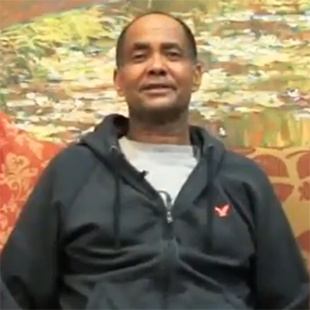
Mr Hailu Kassa : CABG Surgery
Mr Hailu Kassa
Mr Hailu Kassa : CABG Surgery

Mr. Hailu Kassa underwent Coronary Artery Bypass Surgery in Vejthani Hospital, Thailand under the supervision of Dr. Piya, Cardio-Thoracic Surgeon

Rod Schaubroeck
Rod Schaubroeck
Rod Schaubroeck : Double Valve Replacement

Patient Testimonial: Rod Schaubroeck from United States (U.S.A) underwent heart valve replacement at Fortis Hospital, India

Frequently Asked Questions

The cost of cardiac catheterization in Lithuania may vary depending on the purpose of the procedure, the type of catheterization performed, diagnostic tests, hospital charges, cardiologist fees, contrast agents, and the need for additional procedures. The total cost may include pre-procedure evaluation, imaging, medications, catheterization, hospital observation, and follow-up care.MediGence can help international patients compare suitable hospitals and obtain an estimated treatment plan based on their medical requirements.

The best hospitals for cardiac catheterisation in Lithuania are those with experienced interventional cardiologists, advanced cardiac catheterisation laboratories, modern imaging facilities, and comprehensive emergency cardiac care. International patients should also consider hospital accreditation, the availability of intensive care units, and access to specialised cardiac services.

Patients should choose a qualified cardiologist or interventional cardiologist with experience in cardiac catheterization and the management of cardiovascular conditions. Important factors include the doctor’s qualifications, clinical experience, expertise in similar procedures, hospital affiliation, and ability to explain the procedure, potential risks, and expected outcomes.

Cardiac catheterization is generally considered a safe and highly effective diagnostic procedure when performed for appropriate clinical indications. The outcome depends on the patient’s heart condition, the purpose of the procedure, the complexity of the blood vessels, and the expertise of the medical team. As it is primarily used to assess heart function and identify cardiovascular abnormalities, its effectiveness is generally evaluated based on the quality and accuracy of the diagnostic information obtained.

Hospitals in Lithuania may use advanced cardiac catheterization laboratories, digital fluoroscopy, coronary angiography, intravascular imaging, pressure-measurement systems, and other specialised cardiac technologies. Depending on the findings, cardiac catheterization may be followed by procedures such as angioplasty, stent placement, balloon valvuloplasty, or other catheter-based interventions.

Although cardiac catheterisation is generally safe, possible risks and complications may include:
  • Bleeding, bruising, or infection at the catheter insertion site
  • Injury to a blood vessel
  • Allergic or other reactions to the contrast agent
  • Irregular heart rhythm
  • Kidney-related complications
  • Blood clots
  • Heart attack, stroke, or other serious complications, which are rare
  • Before travelling, patients should undergo a medical evaluation and share relevant medical records with the treating cardiologist. These may include ECG reports, echocardiography results, previous angiography reports, blood test results, and details of current medications and allergies. Patients should also discuss conditions such as kidney disease, diabetes, or bleeding disorders before the procedure.

    Yes. International patients can schedule an online consultation with a cardiologist before travelling to Lithuania. The specialist may review medical records, symptoms, previous test results, and treatment history to determine whether cardiac catheterisation is appropriate and recommend any additional investigations.MediGence can help patients coordinate online consultations and share relevant medical reports with suitable cardiac specialists.

    International patients should carry a valid passport and all relevant medical documents, including:
  • ECG and echocardiography reports
  • Previous angiography or cardiac catheterization reports
  • Blood test results
  • Cardiology consultation records
  • Current prescriptions and medication details
  • Allergy and medical history records
  • The required stay in Lithuania depends on the purpose of the procedure, the patient’s heart condition, and whether additional treatment is required. Diagnostic cardiac catheterization may involve a short hospital stay, while patients undergoing additional interventions may require longer monitoring and recovery.

    Recovery is generally short after an uncomplicated diagnostic cardiac catheterization. Patients may be advised to rest and avoid strenuous activities for a short period, particularly to allow the catheter insertion site to heal. The treating cardiologist will provide personalised instructions based on the access site, procedure performed, and the patient’s overall condition.

    If complications occur, patients should contact the treating hospital or cardiology team for prompt evaluation and management. Immediate medical attention may be required for severe chest pain, breathing difficulties, excessive bleeding, increasing swelling, fever, fainting, or sudden weakness.

    International patients can begin their treatment journey through the MediGence website by submitting their medical details and relevant reports. After reviewing the case, the MediGence care team can help patients identify suitable hospitals and cardiac specialists, arrange consultations, coordinate treatment planning, and support their medical travel journey.The final treatment recommendation is made by the treating cardiologist after a detailed clinical evaluation.

    International patients may choose Lithuania for access to experienced cardiologists, advanced cardiac catheterization laboratories, modern diagnostic technologies, and comprehensive cardiovascular care. The destination should be evaluated based on clinical expertise, patient safety, hospital infrastructure, and the availability of emergency and follow-up services.

    Cardiac catheterization may be performed for diagnostic or therapeutic purposes. Depending on the findings, treatment options may include coronary angiography, angioplasty, stent placement, balloon valvuloplasty, closure of certain structural heart defects, or other catheter-based interventions. The cardiologist will recommend the most suitable approach based on the patient’s condition and diagnostic results.

    International patients may choose Lithuania for its experienced cardiologists, advanced cardiac facilities, modern catheterization laboratories, and comprehensive cardiovascular services.MediGence can assist international patients with hospital and specialist selection, medical report review, consultation scheduling, treatment coordination, and travel-related support. The final choice should be based on the patient’s clinical needs, the hospital’s expertise, and the quality of care provided.

    Not Sure About Your Treatment Plan? Get a Free Second Opinion

    Have your reports reviewed by independent oncology experts to help you make a confident treatment decision, all online within 48 hours.

    Upload Your Reports
    Free second opinion on your CAR-T plan