Affordable World-class Treatment - Accredited Hospitals - Free Treatment Plan in 24 Hrs

Share your details to receive a personalised treatment plan, estimated costs, hospital recommendations, and expert guidance, “completely free.”
Your information is protected with HIPAA-compliant security standards. We only share your details with hospitals after your consent.
The price of cardiac catheterisation in Lithuania is generally between USD 6000 - USD 11500 based on the condition of the patient. The procedure can be employed to diagnose or treat heart conditions like abnormal heart rhythms or coronary artery disease.
Additionally, factors like the duration of treatment, the need for follow-up care, and the use of advanced technologies or specialised treatments can further influence the overall cost.
| City | Cost (USD) | |
|---|---|---|
| Kaunas | $6,000 – $11,500 | Explore More |
| Vilnius | $6,000 – $11,500 | Explore More |


Our dedicated Medical Patient Advisors are here to answer your questions, help you compare treatment options, estimate costs, and guide you through every step of your healthcare journey.
A medical technique called cardiac ablation is used to treat arrhythmias, certain kinds of heart rhythm issues, for individuals experiencing arrhythmia, heart blockages, heart failure, or similar cardiovascular problems. It involves creating microscopic scars in the heart tissue to halt the abnormal electrical signals that cause the irregular heartbeat.
Cardiac ablation is performed to treat abnormal heart rhythms (arrhythmias), such as atrial fibrillation, atrial flutter, supraventricular tachycardia (SVT), and certain types of ventricular tachycardia. It works by destroying small areas of heart tissue that are causing irregular electrical signals. This procedure is recommended when medications are ineffective, cause side effects, or if the arrhythmia poses a risk of stroke or heart failure.
If you suffer from symptoms like breathing difficulties, chest pain, unexplained fainting, or persistent palpitations, you should see a doctor. These could indicate a significant arrhythmia that needs to be evaluated and may even need cardiac ablation as a treatment.
Seek emergency attention right away if symptoms are severe or unexpected.
Preparation includes a complete cardiac evaluation, including an ECG, Holter monitor, echocardiogram, and sometimes an electrophysiology (EP) study. You’ll be advised to stop eating and drinking 6–8 hours before the procedure. Certain medications, especially blood thinners or antiarrhythmic drugs, may need to be paused. Inform your doctor of any allergies or existing health conditions. Pre-anaesthesia evaluation is also typically done before the procedure.
Cardiac ablation generally takes 2 to 4 hours, depending on the type and location of the arrhythmia. Some complex cases may take longer. After the procedure, a few hours of monitoring in a recovery area are required.
Cardiac ablation offers a long-term solution for many types of arrhythmias, reducing or eliminating the need for medications. It can significantly improve quality of life by reducing palpitations, fatigue, and the risk of stroke (especially in atrial fibrillation). Many patients experience restored normal heart rhythm and increased exercise capacity. The procedure is minimally invasive, usually with a short hospital stay and a relatively quick recovery.
Post-operative recovery after cardiac ablation includes a short observation period, followed by rest and gradual return to normal activities, with restrictions on heavy lifting and driving for about a week. Medications may be prescribed to manage pain, prevent infection, or control arrhythmias. Regular follow-up appointments are essential to monitor healing and ensure long-term success.
Success rates for cardiac ablation are high, exceeding 90%, especially when treating supraventricular tachycardias (SVT). Success rates for atrial fibrillation (AFib) can range from 70% to 80% following one or more operations, depending on the type and duration of AFib. It lessens dependency on medications and greatly enhances quality of life.
Our experienced Medical Patient Advisors have supported 100,000+ patients across 120+ countries with personalised treatment plans, hospital recommendations, cost estimates, and travel assistance, all free.
✓ Free Consultation ✓ No Obligation ✓ Personalized Treatment Plan ✓ Response Within 24 Hours
Your medical info has is HIPAA-style confidential. We never share with hospitals without your consent.
Arrhythmias can be treated using cardiac ablation. However, not every arrhythmia sufferer is a good fit for cardiac ablation. Physicians frequently take into account the following factors when assessing eligibility:

Opinion & Option
We submit the most accurate opinion and options from one or more countries for your review
Consult Privately
Consult with a certified specialist privately on our telemedicine platform even before you decide to travel
Logistics
We handle flights, visas, transfers, and accommodation—so you can focus on your health.
Recovery
Our In-house rehabilitation service packages to better your recovery and treatment outcome

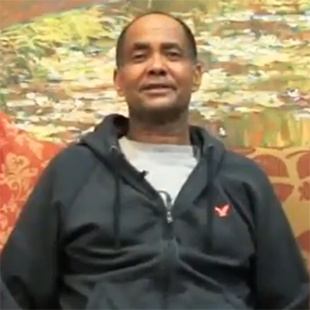
Mr. Hailu Kassa underwent Coronary Artery Bypass Surgery in Vejthani Hospital, Thailand under the supervision of Dr. Piya, Cardio-Thoracic Surgeon

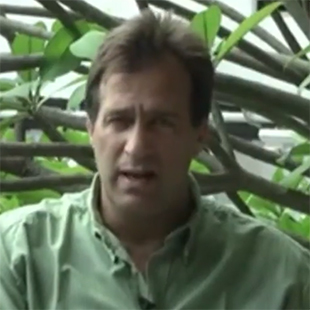
Patient Testimonial: Rod Schaubroeck from United States (U.S.A) underwent heart valve replacement at Fortis Hospital, India
Have your reports reviewed by independent oncology experts to help you make a confident treatment decision, all online within 48 hours.
Upload Your Reports