Your Notifications
All done, no notifications

Cardiac Valve Replacement Cost in Ankara

Starts from USD 10000

Disclaimer: Cost range is subject to change based on clinical evaluation.

Affordable World-class Treatment - Accredited Hospitals - Free Treatment Plan in 24 Hrs

5
Days in Hospital
3-5 hrs
Procedure Time
80 - 90%
Success Rate
JCI/ISO 100,000+ Patients 24X7 Coordinator Visa & Travel handled
Your all-in-one medical travel platform for treatment, recovery & care.

Get Your Personalised Treatment Plan in Just 24 Hours.

Share your details to receive a personalised treatment plan, estimated costs, hospital recommendations, and expert guidance, “completely free.”

Required | alphabets and spaces
Required | A valid, working email address
Required | A valid contact

Your information is protected with HIPAA-compliant security standards. We only share your details with hospitals after your consent.

Estimated Treatment Cost
Starts from USD 10000
All-inclusive • Hospital + Medications + Recovery Assistance + Dedicated Care Coordinator

International Quality. Affordable Care.
The average cost of Cardiac Valve Replacement in Ankara starts from USD 10000.

Cost of Cardiac Valve Replacement in Major Cities of Turkey

CityCost (USD)
Ankara Starting $10k Explore More
Antalya Starting $10k Explore More
Bursa Starting $11.5k Explore More
Canakkale Starting $12k Explore More
Elazig Starting $10k Explore More
Istanbul Starting $9k Explore More
Izmir Starting $8k Explore More
Kocaeli Starting $10k Explore More
Konya Starting $10.5k Explore More
Ordu Starting $11k Explore More
Samsun Starting $10.5k Explore More
Trabzon Starting $11k Explore More
Usak Starting $11k Explore More
Zonguldak Starting $10k Explore More
Dr. Abdullah Rahil
Author

MPT (Neuro)

7 Years of Experience

Dr. Abdullah Rahil, M.P.T. (Neurology), is a dedicated physiotherapy professional specializing in orthopedic, neurological, and musculoskeletal rehabilitation. With strong clinical expertise, he focuses on improving patient mobility, reducing pain, and restoring functional independence through evidence-based rehabilitation techniques. He is skilled in advanced therapeutic approaches that support effective rehabilitation and recovery for a wide range of musculoskeletal and neurological conditions, focusing on improving mobility, reducing pain, and restoring functional independence. Dr. Rahil has extensive experience managing diverse rehabilitation cases. His patient-centered approach emphasizes personalized treatment plans, continuous assessment, and comprehensive rehabilitation to achieve optimal recovery outcomes.
View More
Dr. Naresh Kumar Goyal
Reviewer

Cardiologist

21 Years of Experience

Last Reviewed - June 2026

Dr. Naresh Kumar Goyal is highly trained as a cardiologist with exposure in virtually all aspects of cardiology. He qualified with an MD in internal medicine in 1999 from SMS Medical College, Jaipur, and served in the Cardiology Department as an honorary resident. From this stage, he also started with training in the temporary pacing of the pacemaker as well as interventional services.
View More

Need Help Choosing the Right Treatment? Talk to a Medical Advisor

Our dedicated Medical Patient Advisors are here to answer your questions, help you compare treatment options, estimate costs, and guide you through every step of your healthcare journey.

15 min
Average response time

Serving Patients Worldwide in Multiple Languages.

Heart valve surgery is a procedure performed to address heart valve disease, a condition characterized by malfunctioning of one or more of the four heart valves responsible for maintaining proper blood flow through the heart. The four valves include the mitral, tricuspid, pulmonary, and aortic valves, each equipped with flaps (leaflets for the mitral and tricuspid valves, and cusps for the aortic and pulmonary valves) that regulate blood flow direction during each heartbeat. When these valves fail to open and close correctly, it disrupts blood flow within the heart and to the body.

Valve replacement includes four procedures:

  • Aortic valve replacement (AVR)
  • Mitral valve replacement (MVR)
  • Tricuspid valve replacement (TVR)
  • Pulmonary valve replacement (PVR)

The aortic valve and the mitral valve replacements are the most common. Pulmonary and tricuspid valve replacements are uncommon in adults.

Why Cardiac valve replacement is performed?

Heart valve surgery aims to address heart valve disease, which typically presents in two forms:

Valve Stenosis: This occurs when a valve becomes narrowed, restricting blood flow.

Valve Regurgitation: This condition involves a leak in a valve that allows blood to flow backward, disrupting normal circulation.

Types:

The following are the types of Cardiac Valve Replacement:

  • Valvuloplasty
  • Annuloplasty

When the heart's aortic and mitral valves are severely damaged by stenosis (narrowing), regurgitation (leaking), or both, an AVR-MVR is performed to ensure the painless passage of blood through the heart and pumping away to prevent heart failure or other complications.

Symptoms such as chest pain, shortness of breath (particularly with exertion or lying down), fatigue, fainting spells, or leg swelling should prompt a consult because they may represent serious valve problems that need evaluation.

Preparations include imaging such as echocardiography and cardiac catheterisation, plus routine labs. Certain medications may have to be stopped for the procedure, other existing conditions must be well-controlled, and fasting is required. Your preop evaluation will determine your fitness for surgery.

The patient is put under general anesthesia, and, according to the approach taken (open-heart or minimally invasive), the chest wall is entered through both valves; the heart is stopped, and the heart-lung machine takes over blood circulation. The pathological valves are removed and replaced with artificial valves: mechanical or tissue valves.

Depending on the complexity and surgical approach, the procedure usually lasted six to eight hours.

  • Bleeding
  • Infection
  • Stroke
  • Heart rhythm problems
  • Kidney injury
  • Blood clots,
  • Valve dysfunction

Dual valve replacement greatly enhances heart function, improves symptomatology, and improves life quality. It also lessens the risk of heart failure and associated complications in the long term.

After spending 1 to 2 days in the ICU, one spends between 5 and 10 days in the hospital. Total convalescence, including rehabilitation, may take 8 to 12 weeks. Life-long follow-up is needed for some people who need blood thinners, especially if mechanical valves have been implanted.

Success rates vary somewhere between 80 and 90%, depending on age, general health, and cardiac performance before surgery. In properly selected patients, results are usually excellent.

80-90%

Success rate for improved valve function and symptom relief

5–7 days

Typical hospital stay

6–12 weeks

Return to normal daily activities depending on recovery and rehabilitation
Explore Hospitals ( 6 )

Ankara, Turkey

4.6 - 7290 reviews · 230+ Beds · 224+ Procedures
JCI
Starting
USD 14000
Chat with a Medical Advisor

Ankara, Turkey

3.0 - 2545 reviews · 215+ Beds · 233+ Procedures
JCI
Starting
USD 11500
Chat with a Medical Advisor

Ankara, Turkey

4.4 - 5394 reviews · 327+ Beds · 293+ Procedures
JCI
Starting
USD 13000
Chat with a Medical Advisor

Ankara, Turkey

3.8 - 456 reviews · 153+ Beds · 208+ Procedures
JCI
Starting
USD 10000
Chat with a Medical Advisor

Ankara, Turkey

3.9 - 1702 reviews · 254+ Beds · 296+ Procedures
GHA
Starting
USD 13000
Chat with a Medical Advisor

Ankara, Turkey

4.7 - 7577 reviews · 124+ Beds · 287+ Procedures
JCI
Starting
USD 21500
Chat with a Medical Advisor

Get Your Cardiac Valve Replacement
Plan in 24 hrs.

Our experienced Medical Patient Advisors have supported 100,000+ patients across 120+ countries with personalised treatment plans, hospital recommendations, cost estimates, and travel assistance, all free.

HIPAA-Compliant Data SecurityShared Only with Your Consent

✓ Free Consultation ✓ No Obligation ✓ Personalized Treatment Plan ✓ Response Within 24 Hours

Required | alphabets and spaces
Required | A valid, working email address
Required | A valid contact

Your medical info is kept HIPAA-style confidential. We never share with hospitals without your consent.

Process Involved for Cardiac Valve Replacement in Ankara

  • Diagnosis & Pre-Surgical Evaluation
    • Echocardiogram, CT scan, or cardiac MRI
    • Electrocardiogram (ECG) & stress tests
    • Blood tests
  • Pre-Surgery Preparations
    • Adjusting medications
    • Healthy Lifestyle changes
    • Discussion of valve choice
  • Surgical Valve Replacement: SAVR (open-heart), TAVR (minimally invasive)
  • Post-Surgical Recovery: ICU observation, cardiac monitoring
  • Long-Term Rehabilitation & Follow-Up
  • Aortic Valve Narrowing
  • Aortic Valve Leakage
  • Mitral Valve Thickens and Narrows
  • Sudden Cardiac Arrest Risk
  • Mitral Valve Leakage
  • Tricuspid & Pulmonary Valve Disease
  • Endocarditis & Valve Damage
  • Severe ralve risease like stenosis or regurgitation
  • Shortness of breath, fatigue, dizziness, or chest pain.
  • Failed previous valve repair or replacement
  • Mechanical Valves are composed of durable materials like Carbon and Titanium.
  • Biological Valves are composed of animal tissues like cow and pig.
  • Coronary Artery Bypass Grafting (CABG)
  • Balloon Valvuloplasty
  • Atrial Fibrillation (AFib) Ablation
  • Pacemaker or ICD Implantation
  • Annuloplasty (Valve Repair)
  • Left Ventricular Assist Device (LVAD)
  • Eliminates valve narrowing
  • Relieves Symptoms
  • Prevents Complications of stroke, heart failure and arrhythmias
  • Long-Term Durability
  • Improved Life Expectancy
  • Cardiac Surgeon
  • Interventional Cardiologist
  • Cardiologist
  • Rehabilitation Specialist
  • Fill out the inquiry form: Fill out the form to provide us with the relevant information about your condition.
  • Consult with Our Healthcare Expert:One of our qualified specialists will contact you for a consultation
  • Receive a Detailed Treatment Plan:After examining your situation, we will provide you with a detailed treatment plan that includes expert views and cost breakdowns for various choices.
  • Choose your preferred option: Choose the treatment option that suits you the best.
Jenny Wilson
Your Dedicated Medical Patient Advisor
Treatment planning • Hospital coordination • Multilingual support • Response within 15 minutes.
Our Services to Better your Experience

Opinion & Option

We submit the most accurate opinion and options from one or more countries for your review

Consult Privately

Consult with a certified specialist privately on our telemedicine platform even before you decide to travel

Logistics

We handle flights, visas, transfers, and accommodation—so you can focus on your health.

Recovery

Our In-house rehabilitation service packages to better your recovery and treatment outcome

Patient Stories

Rod Schaubroeck
Rod Schaubroeck
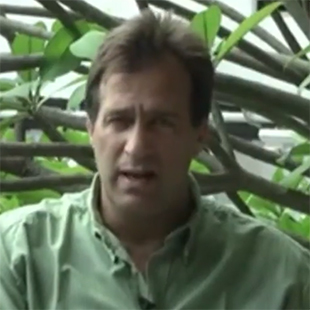
Rod Schaubroeck : Double Valve Replacement

Patient Testimonial: Rod Schaubroeck from United States (U.S.A) underwent heart valve replacement at Fortis Hospital, India

Conditions treated by Cardiac Valve Replacement

Frequently Asked Questions

The cost of Cardiac Valve Replacement in Ankara is starts from USD 10000, and varies depending on the type of valve (mechanical or biological), the number of valves being replaced, surgical approach, hospital charges, surgeon's expertise, ICU stay, diagnostic investigations, and post-operative rehabilitation. Additional expenses may include medications, follow-up consultations, anticoagulation therapy, and management of any complications.

Choose a board-certified cardiothoracic surgeon with extensive experience in valve repair and replacement surgeries. Consider the surgeon's expertise in minimally invasive and robotic cardiac surgery, annual surgical volume, success rates, patient reviews, and affiliation with internationally accredited cardiac centres.

Mechanical valves are highly durable and may last a lifetime but require lifelong anticoagulant medication. Tissue (bioprosthetic) valves usually do not require lifelong blood thinners but may need replacement after 10-20 years. The choice depends on age, lifestyle, medical history, and future pregnancy plans.

Yes. Patients with disease affecting more than one heart valve may undergo double or multiple valve replacement during a single operation. The surgical plan depends on the severity of valve disease and overall heart function.

Most patients require medications after surgery. Those with mechanical valves usually need lifelong anticoagulants, while patients with tissue valves may require blood thinners for a shorter duration along with medications to control blood pressure, heart rhythm, or heart function.

Minimally invasive valve surgery offers smaller incisions, reduced blood loss, shorter hospital stays, and faster recovery for eligible patients. However, not every patient is a candidate, and open-heart surgery remains the preferred option for complex valve disease.

Yes. Cardiac rehabilitation is strongly recommended after surgery. It includes supervised exercise, dietary counselling, medication management, and lifestyle education to improve heart function, speed recovery, reduce complications, and enhance long-term cardiovascular health.

Cardiac Valve Replacement is a highly successful procedure, with 80 - 90% success. In experienced centres, survival rates are 80 - 90% for elective surgeries, while long-term outcomes depend on the patient's age, overall health, valve type, and timely management of associated heart disease.

Leading cardiac centres may offer:
  • Open-heart valve replacement
  • Minimally invasive valve surgery
  • Robotic-assisted valve surgery
  • Transcatheter Aortic Valve Replacement (TAVR/TAVI)
  • Mitral valve repair techniques
  • Mechanical heart valves
  • Biological (tissue) valves
  • 3D echocardiography
  • Intraoperative transesophageal echocardiography (TEE)
  • Advanced cardiac anaesthesia
  • Hybrid operating rooms
  • Enhanced Recovery After Surgery (ERAS) protocols
  • Possible risks include bleeding, infection, stroke, irregular heartbeat, blood clots, valve dysfunction, prosthetic valve infection (endocarditis), kidney complications, anaesthesia-related risks, heart failure, and, rarely, death. Proper post-operative care significantly reduces these risks.

    Patients should undergo echocardiography, ECG, coronary angiography (if indicated), blood tests, chest imaging, and physician clearance. Optimising blood pressure, diabetes, lung function, and discontinuing certain medications under medical supervision helps improve surgical outcomes.

    Yes. Most cardiac centres offer virtual consultations where cardiologists and cardiac surgeons review echocardiograms, angiography reports, CT scans, medical history, and current medications before recommending surgery and preparing a personalised treatment plan.

    Patients should carry:
  • Passport and visa
  • Echocardiography reports
  • ECG reports
  • Coronary angiography reports
  • CT or MRI scans (if available)
  • Blood investigation reports
  • Current medication list
  • Previous cardiac surgery records (if any)
  • Insurance documents (if applicable)
  • International patients should usually plan to stay for approximately 3-5 weeks, including pre-operative evaluation, surgery, ICU recovery, hospital stay, cardiac rehabilitation, wound assessment, and follow-up before returning home.

    Most patients resume light daily activities within 4-6 weeks. Full recovery generally takes 8–12 weeks, although minimally invasive procedures may allow faster recovery. Participation in cardiac rehabilitation significantly improves long-term outcomes.

    Patients are closely monitored by multidisciplinary cardiac teams. Complications such as arrhythmias, infections, bleeding, valve dysfunction, or blood clots are treated promptly through medications, imaging, catheter-based procedures, or revision surgery when necessary.

    International patients can upload their medical records through the MediGence website in Ankara. The MediGence care team will arrange expert consultations with leading cardiac surgeons, recommend suitable hospitals, provide personalised treatment plans and cost estimates, and assist with medical visas, travel arrangements, accommodation, airport transfers, interpreter services, and complete treatment coordination.

    Many countries offer internationally accredited cardiac hospitals equipped with advanced operating theatres, experienced cardiothoracic surgeons, state-of-the-art imaging technologies, minimally invasive cardiac surgery programs, comprehensive rehabilitation, and dedicated international patient services, ensuring high-quality care at competitive costs.

    Treatment options may include:
  • Surgical Aortic Valve Replacement (SAVR)
  • Mitral Valve Replacement
  • Tricuspid Valve Replacement
  • Pulmonary Valve Replacement
  • Mechanical valve implantation
  • Biological (tissue) valve implantation
  • Transcatheter Aortic Valve Replacement (TAVR/TAVI)
  • Valve repair surgery
  • Minimally invasive valve surgery
  • Robotic-assisted valve surgery
  • FAQ's Related to Turkey

    Ankara, the capital city of Turkey draws many patients for healthcare from all around the globe. The clinics and hospitals situated in Ankara are strictly regulated by the Ministry of Health in the city. Thus, this helps in maintaining the standard of healthcare being delivered. Around 552,000 people visit Turkey on average. The high influx of patients to Ankara can be attributed to the availability of high-quality treatments at economical prices.
    Most international patients visit the city for availing services such as cancer treatment, cardiovascular surgery, physiotherapy, and plastic or cosmetic surgery. The city also boasts some of the most technically advanced hospitals in Turkey that are equipped with facilities like Gamma Knife, 64- Spiral CT, Linear accelerator, MR-LINAC, PET-CT, and CyberKnife M6.

    The hospitals in Ankara have been accredited by JCI for their excellence in healthcare. The medical staff is selected after rigorous evaluation. Most doctors in these hospitals are well-recognized in their field of expertise. Some of the top hospitals in Ankara are:

    • Memorial Ankara Hospital: This is a JCI and AHA-accredited hospital that is well-known for providing hair transplantation, plastic surgery, and weight-loss surgery with excellent results. It is a leading center for hair transplantation.
      With more than 230 beds and 11 operating rooms, the hospital is well-furnished. It has many reputed physicians and surgeons on board. The hospital also offers interpreter services for international patients.
    • VM Medical Park Ankara: The hospital uses a multidisciplinary approach to provide the best possible healthcare to patients. With more than 350 employees, VM Medical Park offers treatments in a wide range of specialties such as neurology, cardiology, dermatology, and gynecology.
    • MediCana International Ankara Hospital: An ISO and JCI-accredited medical facility, the hospital has more than 120 physicians serving patients from around the globe. The hospital is renowned for organ transplantation, nuclear medicine, IVF, and hemodialysis. Some of the advanced medical technology available at this hospital include MitralClip for treating mitral regurgitations, CyberKnife radiosurgery, Multi-slice CT, MRI, LINAC, and PET-CT.

    The doctors in Ankara are distinguished experts in their field and have vast experience in tending to complicated clinical problems. Some of the top doctors in Ankara are:

    • Dr. H. Alper Gurbuz: With more than 10 years of experience, Dr. Gurbuz is a respected cardiac surgeon who is a part of Memorial Ankara Hospital. He is fluent in English and is a part of the Turkish Medical Association and the European Association of Cardiothoracic Surgery.
    • Dr. Naziyet Kose: She is an experienced medical oncologist who has been in the field for 7 years. Dr. Kose is fluent in multiple languages including English and is a member of the Oncology and Immunotherapy Association.
    • Dr. A. Mehmet Demirtas: He has a long-standing career of over 36 years and is an orthopedic surgeon who is fluent in English.

    You can easily travel to Ankara by boarding an international flight. To avoid the possibility of any inconvenience, we can help you in planning your travel to Ankara.

    Not Sure About Your Treatment Plan? Get a Second Opinion

    Get your medical reports reviewed by experienced doctors to help you make a confident treatment decision, all online within 48 hours.

    Upload Your Reports
    Free second opinion on your CAR-T plan