Your Notifications
All done, no notifications

Angioplasty Cost in Bangkok

USD 6000 - USD 8000

Affordable World-class Treatment - Accredited Hospitals - Free Treatment Plan in 24 Hrs

1
Days in Hospital
30-90 min
Procedure Time
90 - 95%
Success Rate
Angioplasty: Cost, Procedure and Clinics | MediGence
JCI/ISO 100,000+ Patients 24X7 Coordinator Visa & Travel handled
Your all-in-one medical travel platform for treatment, recovery & care.

Get Your Personalised Treatment Plan in Just 24 Hours.

Share your details to receive a personalised treatment plan, estimated costs, hospital recommendations, and expert guidance, “completely free.”

Required | alphabets and spaces
Required | A valid, working email address
Required | A valid contact
Connect with an Expert

Your information is protected with HIPAA-compliant security standards. We only share your details with hospitals after your consent.

Estimated Treatment Cost
USD 6000 - USD 8000
All-inclusive • Hospital + Medications + Recovery Assistance + Dedicated Care Coordinator

International Quality. Affordable Care.
Dr. Vihan Gautam
Author

BPT, MS in Healthcare Mgmt

4 Years of Experience

Last Reviewed - June 2026

Dr. Vihan Gautam is a distinguished Rehabilitation Specialist and Healthcare Management Professional, holding a Bachelor of Physiotherapy (BPT) from Rajiv Gandhi University of Health Sciences and a Master of Science in Healthcare Management (MSc) from the prestigious University of London, United Kingdom. With specialized clinical experience and his advanced medical knowledge in neuro-rehabilitation, musculoskeletal disorders, and evidence-based physiotherapy practices, enables him to develop patient-centered rehabilitation protocols and AI-driven care models that deliver measurable functional recovery outcomes. His diverse contributions across international rehabilitation programs, multidisciplinary care, and AI-driven healthcare initiatives uniquely position him as an emerging leader in neuro-rehabilitative care globally.
View More
Dr. Naresh Kumar Goyal
Reviewer

Cardiologist

21 Years of Experience

Last Reviewed - June 2026

Dr. Naresh Kumar Goyal is highly trained as a cardiologist with exposure in virtually all aspects of cardiology. He qualified with an MD in internal medicine in 1999 from SMS Medical College, Jaipur, and served in the Cardiology Department as an honorary resident. From this stage, he also started with training in the temporary pacing of the pacemaker as well as interventional services.
View More

Need Help Choosing the Right Treatment? Talk to a Medical Advisor

Our dedicated Medical Patient Advisors are here to answer your questions, help you compare treatment options, estimate costs, and guide you through every step of your healthcare journey.

15 min
Average response time

Serving Patients Worldwide in Multiple Languages.

A minimally invasive medical technique called an “angioplasty” is done to open up clogged or restricted arteries.

Peripheral angioplasty is often used to enhance blood flow to the legs, and carotid angioplasty, and coronary angioplasty, are conducted to improve blood flow to the brain. A catheter is placed into the constricted artery during the surgery, and at the tip of the catheter is a deflated balloon. Once in place, the balloon is inflated to expand the artery and start blood flow again by pressing the plaque up against the walls of the artery. To help keep the artery open, a stent—a tiny mesh tube—may occasionally be inserted. Conditions like carotid artery stenosis, peripheral artery disease, and coronary artery disease are frequently treated using angioplasty.

Conditions like carotid artery stenosis, peripheral artery disease, and coronary artery disease are frequently treated using angioplasty. Vascular surgeons or interventional cardiologists usually carry it out in a specialized catheterization laboratory (cath lab). Compared to open surgery, angioplasty is less invasive and linked to quicker recovery periods and fewer problems.

The objectives of angioplasty are to reduce cardiac injury after a heart attack, alleviate symptoms such as angina (chest pain), reopen normal blood flow through narrowed or blocked arteries, and prevent subsequent cardiovascular events such as heart attacks or strokes.

If you experience chest pain, shortness of breath, fatigue, dizziness, or symptoms of a heart attack such as severe chest pressure, arm or jaw pain spreading to the chest, sweating, or nausea, you need to see a doctor. Early medical evaluation can enhance outcomes and dramatically reduce the risk of complications.

Patients are often required to fast, stop taking some medications temporarily, and make arrangements to go home after the procedure. ECG, echocardiogram, stress tests, blood work, and coronary angiography are all potentially involved in the preparation.

  • Balloon Angioplasty: The balloon is inflated to dilate the artery.
  • Stenting: A little mesh tube (stent) is usually implanted to keep the artery open.
  • Drug-Eluting Stents: Coated with medicine to prevent re-narrowing. The procedure is usually performed under local anaesthesia with minimal sedation.

The typical length of an angioplasty procedure takes anywhere from half an hour to two hours. Then, you'll recuperate at the hospital. You can ask your healthcare professional for a better idea of what to expect regarding the hospital stay overall.

  • Irregular heartbeats, or arrhythmias
  • An allergic response to the anaesthesia or contrast dye
  • Damage to the kidneys or blood vessels
  • Clots of blood
  • A heart attack
  • Low blood pressure

By restoring circulation, avoiding heart attacks, and minimizing the necessity for open heart surgery, angioplasty can quickly relieve the symptoms of blocked arteries. It can significantly improve physical function and quality of life.

Most patients recover within a week and can resume their usual activities. Follow-up imaging, cardiac rehabilitation, medication, and lifestyle changes are necessary for long-term success and prevention of recurrence.

Angioplasty success rates vary depending on several factors, such as the type of angioplasty, the blocked artery, the degree of the blockage, age, and general health.

Over 90 percent of the patients have their blocked blood vessels near the heart opened successfully with angioplasty. The blood artery is often re-blocked at the point where the balloon was inflated in approximately 30 to 40 percent of the patients.

95–99%

Success rate for restoring blood flow in blocked coronary arteries

1–2 days

Typical hospital stay

1–2 weeks

Return to normal daily activities depending on recovery and overall heart health
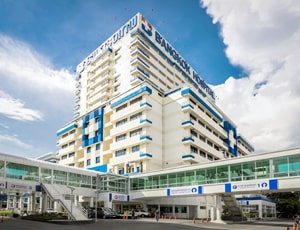
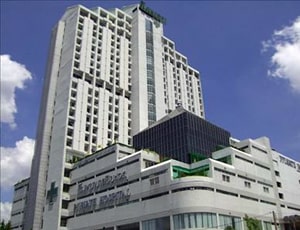
Explore Hospitals ( 8 )

Bangkok, Thailand

580+ Beds · 255+ Procedures
JCI
Starting
USD 8229

Bangkok, Thailand

263+ Beds · 229+ Procedures
JCI
Starting
USD 10600

Bangkok, Thailand

300+ Beds · 287+ Procedures
JCI GHA
Starting
USD 5000

Bangkok, Thailand

550+ Beds · 238+ Procedures
JCI
Starting
USD 5000

Bangkok, Thailand

400+ Beds · 162+ Procedures
ISO JCI
Starting
USD 10600

Bangkok, Thailand

354+ Beds · 198+ Procedures
JCI

Bangkok, Thailand

150+ Beds · 171+ Procedures
JCI ISO
Starting
USD 5000

Bangkok, Thailand

100+ Beds · 137+ Procedures
NABH JCI CBAHI AACI

Get Your Angioplasty
Plan in 24 hrs.

Our experienced Medical Patient Advisors have supported 100,000+ patients across 120+ countries with personalised treatment plans, hospital recommendations, cost estimates, and travel assistance, all free.

HIPAA-Compliant Data SecurityShared Only with Your Consent

Free Consultation No Obligation Personalized Treatment Plan Response Within 24 Hours

Required | alphabets and spaces
Required | A valid, working email address
Required | A valid contact

Your medical info is kept HIPAA-style confidential. We never share with hospitals without your consent.

Process Involved for Angioplasty in Bangkok

  • Pre-Procedure Evaluation: Coronary angiography, ECG, stress test, medical adjustments, fasting.
  • Anesthesia & Catheter Insertion
  • Balloon Inflation & Stent Placement
  • Post-Procedure Recovery: Pressure stops the bleeding when the catheter is removed.
  • Recovery and Follow-Up
  • Coronary Artery Disease (CAD)
  • Acute Myocardial Infarction (Heart Attack)
  • Stable & Unstable Angina
  • Peripheral Artery Disease (PAD)
  • Kidney Artery Blockage
  • Carotid Artery Disease
  • Balloon Angioplasty
  • Stent Placement
  • Laser Angioplasty
  • Carotid Plastid Angioplasty
  • Atherectomy
  • Bare-Metal Stent
  • Patients with Significant Coronary Artery Blockage
  • Patients with Symptoms of Coronary Artery Disease (CAD)
  • Patients with Acute Coronary Syndrome (Heart Attack)
  • Patients Who Are Not Candidates for Bypass Surgery (CABG)
  • Patients with Failed Medication or Lifestyle Changes
  • Coronary Angiography
  • Stent Placement
  • Fractional Flow Reserve (FFR) Testing
  • Intravascular Ultrasound (help direct stent placement and visualise arterial walls)
  • Atherectomy (plaque removal from arteries)
  • Restores Blood Flow
  • Relieves Chest Pain (Angina)
  • Prevents Heart Attack
  • Improves Quality of Life
  • Interventional Cardiologist
  • Cardiologist
  • Interventional Radiologist;
  • Fill out the inquiry form: Fill out the form to provide us with the relevant information about your condition.
  • Consult with Our Healthcare Expert: One of our qualified specialists will contact you for a consultation.
  • Receive a Detailed Treatment Plan: After examining your situation, we will provide you with a detailed treatment plan that includes expert views and cost breakdowns for various choices.
  • Choose your preferred option: Choose the treatment option that suits you the best.
Jenny Wilson
Your Dedicated Medical Patient Advisor
Treatment planning • Hospital coordination • Multilingual support • Response within 15 minutes.
Our Services to Better your Experience

Opinion & Option

We submit the most accurate opinion and options from one or more countries for your review

Consult Privately

Consult with a certified specialist privately on our telemedicine platform even before you decide to travel

Logistics

We handle flights, visas, transfers, and accommodation—so you can focus on your health.

Recovery

Our In-house rehabilitation service packages to better your recovery and treatment outcome

Patient Stories

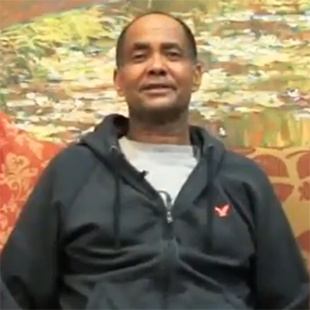
Mr Hailu Kassa : CABG Surgery
Mr Hailu Kassa
Mr Hailu Kassa : CABG Surgery

Mr. Hailu Kassa underwent Coronary Artery Bypass Surgery in Vejthani Hospital, Thailand under the supervision of Dr. Piya, Cardio-Thoracic Surgeon

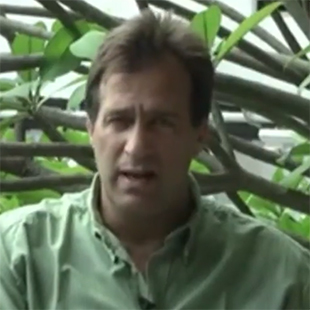
Rod Schaubroeck
Rod Schaubroeck
Rod Schaubroeck : Double Valve Replacement

Patient Testimonial: Rod Schaubroeck from United States (U.S.A) underwent heart valve replacement at Fortis Hospital, India

Frequently Asked Questions

In Bangkok, the average starting cost for Angioplasty is $10600. Many multispeciality hospitals in Bangkok that are JCI certified are approved and most sought after for treating international patients with Angioplasty.

The Angioplasty package cost in Bangkok varies from one hospital to another and may offer different benefits. The top hospitals for Angioplasty in Bangkok covers all the expenses related to the pre-surgery investigations of the candidate. Typically, the package cost of Angioplasty in Bangkok includes the expenses related to the surgeon's fee, anesthesia, hospital, meals, nursing and ICU stay. There are many things that may increase the cost of Angioplasty in Bangkok, including prolonged hospital stay and complications after the procedure.

There are several best hospitals for Angioplasty in Bangkok. For quick reference, the following are some of the leading hospitals for Angioplasty in Bangkok:

While the speed of recovery may vary from patient to patient, they are still required to stay for about 16 days after discharge. This period is important to conduct all the follow-up tests to ensure that the surgery was successful and the patient can go back to the home country.

There are certain additional cost that the patient has to pay apart from the Angioplasty cost. These include the cost of accommodation and meals outside hospital. The per day cost in this case may range from 25 USD.

The patient has to spend about 2 Days in the hospital after Angioplasty for proper recovery and to get clearance for discharge. During the recovery, the patient is carefully monitored and control tests are performed to see that everything is okay. If required, physiotherapy sessions are also planned during recovery in hospital.

There are about 8 Hospitals in Bangkok that offer Angioplasty to international patients. These hospitals have propoer infrastructure as well as offer good quality of services when it comes to Angioplasty surgery. Such hospitals follow all legal protocols and guidelines as specified by the local medical affairs body when it comes to the treatment of international patients.

Bangkok in Thailand is a sought-after destination for medical tourism. On average, around 2.5 million international patients visit Thailand every year, mostly to Bangkok to avail healthcare services. The number of medical tourists visiting Bangkok continues to rise because of the affordable and advanced treatments available in the city. Bangkok is renowned for its high standard of medical technology and globally trained doctors. In Bangkok, patients can expect to save about 50-70% of the cost when compared to countries like Australia and US. In addition to competitive prices, hospitals in Bangkok offer shorter waiting times to international patients. Over 20 hospitals in Bangkok have received accreditation from the Joint Commission International (JCI) for setting benchmarks in healthcare. The hospitals in Bangkok also have a long-standing tradition of focusing on patient-centric care. They provide interpretation services in various languages so that patients can communicate effectively with their doctors.

Bangkok offers technologically advanced hospitals that are well-furnished to take care of all the healthcare needs of the patients. Some of the top hospitals in Bangkok are:

  • Bangkok Hospital: A JCI-accredited hospital, it offers services in various disciplines such as cardiac sciences, oncology, neurology, orthopedics, and ophthalmology. Some of the ultra-modern facilities available at the hospital include 256-slice multi-detector CT scan, cardiovascular MRI, CARTOSOUND, linear accelerator, digital mammogram, and PET/CT scan flow motion.
  • Takara IVF Bangkok: This is an ISO-certified fertility center that provides a range of services including minimal stimulation IVF, cryopreservation, two-stage embryo transfer method, and stimulation of endometrium embryo transfer(SEET). Takara IVF Bangkok also has a special unit dedicated to assisting international patients. The center has many qualified fertility specialists on board.
  • Yanhee International Hospital: Having received JCI accreditation, this is a leading hospital for plastic surgery in Bangkok. Yanhee International hospital offers a range of medical services including breast augmentations, tummy-tuck procedures, botox injections, liposuctions, facial treatments. dental whitening, hair transplants, and quality treatments for various kidney and heart-related ailments.

Bangkok has a pool of skilled and qualified doctors who have completed training at some of the most prestigious institutes across the world. Some of the top doctors in Bangkok are:

  • Dr. Piphat Leelapattana: With over 22 years of experience, Dr. Piphat is a renowned ophthalmologist who can provide treatments for keratoconus, astigmatism, retinal detachment, and age-related macular degeneration.
  • Dr. Wichai Yooyongwattana: He has 19 years of experience as a gastroenterologist. Some of the conditions for which he provides treatments include celiac disease, inflammatory bowel disease, Crohn’s disease, and pancreatitis.

Bangkok has excellent connectivity with the rest of the world by air. There are two airports in Bangkok: Suvarnabhumi, which is 25 kilometers to the east, and Don Mueang, which is 24 kilometers to the north of Bangkok. You can take a flight from your city to these airports and then travel to downtown Bangkok by bus or train. In case you wish to avail treatment here, we can assist you in planning your medical travel.

FAQ's Related to Thailand

Bangkok in Thailand is a sought-after destination for medical tourism. On average, around 2.5 million international patients visit Thailand every year, mostly to Bangkok to avail healthcare services. The number of medical tourists visiting Bangkok continues to rise because of the affordable and advanced treatments available in the city. Bangkok is renowned for its high standard of medical technology and globally trained doctors. In Bangkok, patients can expect to save about 50-70% of the cost when compared to countries like Australia and US. In addition to competitive prices, hospitals in Bangkok offer shorter waiting times to international patients. Over 20 hospitals in Bangkok have received accreditation from the Joint Commission International (JCI) for setting benchmarks in healthcare. The hospitals in Bangkok also have a long-standing tradition of focusing on patient-centric care. They provide interpretation services in various languages so that patients can communicate effectively with their doctors.

Bangkok offers technologically advanced hospitals that are well-furnished to take care of all the healthcare needs of the patients. Some of the top hospitals in Bangkok are:

  • Bangkok Hospital: A JCI-accredited hospital, it offers services in various disciplines such as cardiac sciences, oncology, neurology, orthopedics, and ophthalmology. Some of the ultra-modern facilities available at the hospital include 256-slice multi-detector CT scan, cardiovascular MRI, CARTOSOUND, linear accelerator, digital mammogram, and PET/CT scan flow motion.
  • Takara IVF Bangkok: This is an ISO-certified fertility center that provides a range of services including minimal stimulation IVF, cryopreservation, two-stage embryo transfer method, and stimulation of endometrium embryo transfer(SEET). Takara IVF Bangkok also has a special unit dedicated to assisting international patients. The center has many qualified fertility specialists on board.
  • Yanhee International Hospital: Having received JCI accreditation, this is a leading hospital for plastic surgery in Bangkok. Yanhee International hospital offers a range of medical services including breast augmentations, tummy-tuck procedures, botox injections, liposuctions, facial treatments. dental whitening, hair transplants, and quality treatments for various kidney and heart-related ailments.

Bangkok has a pool of skilled and qualified doctors who have completed training at some of the most prestigious institutes across the world. Some of the top doctors in Bangkok are:

  • Dr. Piphat Leelapattana: With over 22 years of experience, Dr. Piphat is a renowned ophthalmologist who can provide treatments for keratoconus, astigmatism, retinal detachment, and age-related macular degeneration.
  • Dr. Wichai Yooyongwattana: He has 19 years of experience as a gastroenterologist. Some of the conditions for which he provides treatments include celiac disease, inflammatory bowel disease, Crohn’s disease, and pancreatitis.

Bangkok has excellent connectivity with the rest of the world by air. There are two airports in Bangkok: Suvarnabhumi, which is 25 kilometers to the east, and Don Mueang, which is 24 kilometers to the north of Bangkok. You can take a flight from your city to these airports and then travel to downtown Bangkok by bus or train. In case you wish to avail treatment here, we can assist you in planning your medical travel.

Not Sure About Your Treatment Plan? Get a Free Second Opinion

Have your reports reviewed by independent oncology experts to help you make a confident treatment decision, all online within 48 hours.

Upload Your Reports
Free second opinion on your CAR-T plan