Our Platform Features
Dr. Gitanjali Fernandez
Global Health City, India, Chennai
Ophthalmologist • 22 years experience
Tamil EnglishDr. Gitanjali Fernandez is a specialized Ophthalmologist in India. And one of the most sought after medical specialists in Chennai, India. The doctor has over 10 Years of experience and was associated with Global Health City.
Association and Memberships Dr. Gitanjali Fernandez is part of:
- All India Ophthalmological Society (AIOS)
- Tamilnadu Ophthalmological Society (TNOA)
Qualifications :
- MBBS
- DIPLOMA IN OPHTHALMOLOGY (D.O)RIOGOH
- DNB
Dr. E Ravindra Mohan
Global Health City, India, Chennai
Ophthalmologist • 35 years experience
Tamil EnglishDr. E Ravindra Mohan is a specialized Ophthalmologist in India. And one of the most sought after medical specialists in Chennai, India. The doctor has over 25 Years of experience and is associated with Global Health City.
Association and Memberships Dr. E Ravindra Mohan is part of:
- All India Ophthalmological Society
- Delhi Ophthalmological Society (DOS)
- Oculoplasty Association of India,
- Ocular Trauma Society of India
- Indian Medical Association (IMA)
Qualifications :
- MBBS - All India Institute of Medical Sciences, New Delhi, 1989
- MD - Ophthalmology - All India Institute of Medical Sciences, New Delhi, 1994
Hospital Address :
Global Health City, Perumbakkam, Sholinganallur Main Road, Cheran Nagar, Medavakkam, Chennai, Tamil Nadu, India
Dr. Anuradha Ghorpade
Fortis Hiranandani Hospital, India, Mumbai
Ophthalmologist • 24 years experience
Hindi EnglishDr Anuradha Ghorpade is one of the top Opthalmologist in Mumbai, India. The medical practitioner holds over 17 years of experience and is associated with Fortis Hiranandani Hospital.
Association and Memberships Dr. Anuradha Ghorpade is part of:
- All India Ophthalmological Society (AIOS)
Certifications :
- Fellowship in cataract surgery - National Institute of Ophthalmology, 2006
Qualifications :
- DNB
- MBBS
Hospital Address :
Fortis Hiranandani Hospital Vashi, Sector 10A, Vashi, Navi Mumbai, Maharashtra, India
Medical Expertise of Dr. Anuradha Ghorpade
- Dr. Ghorpade's key interest lies in Phaco and Sutureless Cataract surgery, Medical Retina and Lasers, Diabetic Retinopathy, Contact lenses and General Ophthalmology, along with Glaucoma, Diabetes Eye Care, Phacoemulsification, Ocuplastic, etc.
- A very well-known & accomplished Opthalmologist in Vashi, Mumbai
- She has received numerous fellowships at various institutions for her comprehensive knowledge and capabilities in the sector, including FMRL, FICO, Phaco Fellowship, and others.
- She is also a Diplomate of the National Board of New Delhi.
- She belongs to a number of prestigious organisations, including the Bombay Ophthalmologists Association, MOS, AMC, NMOA, POS, and others.
- In 2003, she received the Best Paper Award from the Pune Ophthalmic Society for her work on Alports Syndrome.
- She has contributed to textbooks, articles in national magazines, and conference presentations.
Do you know?
Using MediGence’s Telemedicine Platform, you can book a personalized video consultation with renowned doctors around the world

Dr. Mallika Goyal
Apollo Hospitals, India, Hyderabad
Ophthalmologist • 27 years experience
Telugu HindiDr Mallika Goyal is one of the foremost Opthalmologist in Hyderabad, India. The clinician holds over 23 years of experience and is associated with Apollo Hospitals.
Association and Memberships Dr. Mallika Goyal is part of:
- American Society of Retina Specialists
- American Academy of Ophthalmology
- Association for Research in Vision and Ophthalmology
- Asia Pacific Academy of Ophthalmology
- Association of Ophthalmologists of South-East Asian Countries
- All India Ophthalmological Society Conference
- Indian Intraocular Implant and Refractive Surgery Society
Qualifications :
- DNB
- MD
- MBBS
Hospital Address :
Apollo Hospitals Jubilee Hills, Film Nagar, Hyderabad, Telangana, India
Medical Expertise of Dr. Mallika Goyal
- Dr. Mallika Goyal holds expertise in providing clinical services like Lasik for Glasses Removal,Laser Procedures for Retinal Diseases, Retina Surgery and Lasik, Astigmatism and 2.2 mm Phaco Surgery for Cataract, etc.
- Dr. Mallika Goyal is known to be a very efficient and accomplished Opthalmologist in Hyderabad
- Dr. Mallika Goyal has been honored with many awards & recognitions such as Role Model of the Year Award by Women Ophthalmologistsâ Society of India in 2017 & 2018, Star Consultant at Apollo Hospitals, Hyderabad, etc.
- She recieved a Gold Medal by Indian Intraocular Implant and Refractive Surgery Society,
- She has a membership & contribution in many reputed societies such as ASRS, AIOS, APOS, TOS, HOA, BOA, DOS, USI, VRSI, NACO, NGO Freedom Foundation
- Dr. Mallika has been inivited as the speaker at various national and international conferences to keep her insights
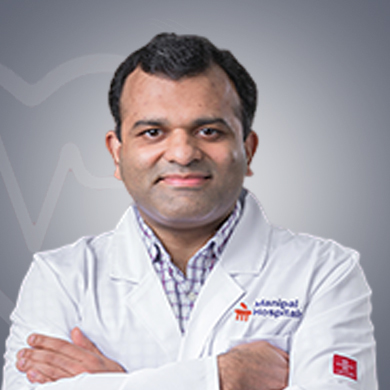
Dr. Kaushik Dhume
Manipal Hospitals Goa, Dona Paula, India, Panjim
Ophthalmologist • 21 years experience
EnglishDr Kaushik Dhume is one of the best Opthalmologist in Panjim, India. The clinician holds over 11 years of experience and is associated with Manipal Hospitals Goa, Dona Paula.
Association and Memberships Dr. Kaushik Dhume is part of:
- Goa Medical Council
Qualifications :
- DNB
- MBBS
Hospital Address :
Manipal Hospital, Panjim, Goa, India
Medical Expertise of Dr. Kaushik Dhume
- Dr. Kaushik is a respected eye specialist
- Dr. Kaushikâs fields of expertise include Glaucoma, Cataract Surgeries, Anterior Segment Surgery, Lasers. He is also adept in providing treatments for Retina, Basic Eye Check-up, Cornea, Diabetic Eye Check-up, Ocular Motility, and Low Vision Aid.
- Dr. Kaushik Dhume, one of Goa's top ophthalmologists, has trained in the field of ophthalmology for many years.
- Dr. Kaushik is a multilingual expert who can communicate in Konkani, English, Hindi, Marathi, and Tamil.
- He lives by the ideals he preaches, which include complete honesty with the patient and empathy for their pain and anxiety.
- Dr. Kaushik is deserving of recognition because he believes in giving his 100%, when it comes to treating his patients.
- He attends various conferences and workshops to further his knowledge in the field of ophthalmology.
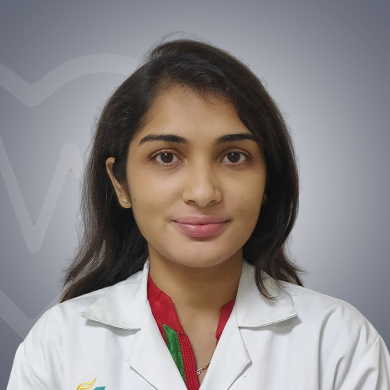
Dr. Krishna Marfatia
Apollo Hospital International Limited, India, Ahmedabad
Ophthalmologist • 12 years experience
Hindi EnglishDr Krishna Marfatia is one of the leading Opthalmologist in Ahmedabad, India. The doctor holds over 6 years of experience and is associated with Apollo Hospital International Limited.
Association and Memberships Dr. Krishna Marfatia is part of:
- India Ophthalmological Society
Qualifications :
- MBBS
- MS
Hospital Address :
Apollo Hospital, Prabhat Chowk, 61, Ghatlodiya, Chanakyapuri, Ahmedabad, Gujarat, India
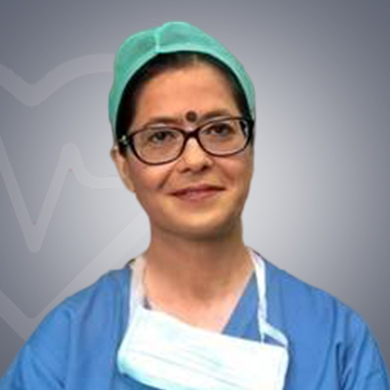
Dr. Parul Sharma
Max Super Speciality Hospital, Saket, India, Delhi
Ophthalmologist • 27 years experience
Hindi EnglishDr Parul Sharma is one of the most sought after Opthalmologist in New Delhi, India. The clinician holds over 22 years of experience and is associated with Max Super Speciality Hospital, Saket.
Association and Memberships Dr. Parul Sharma is part of:
- National Academy of Medical Sciences
- International Council of Ophthalmology
- All India Ophthalmological Society
- Glaucoma Society of India
- American Society of Cataract & Refractive Surgeons
- Delhi Ophthalmological Society
- Haryana Ophthalmological Society
Qualifications :
- MBBS
- MS
- DNB
Hospital Address :
Max Super Speciality Hospital, Saket Institutional Area, Saket, New Delhi, Delhi, India
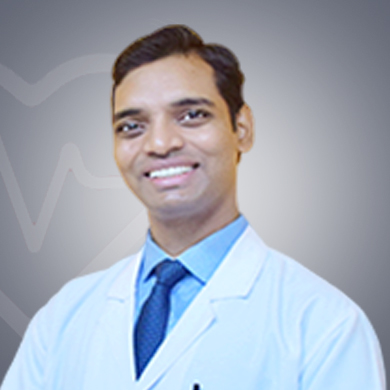
Dr. Ajay Kumar Singh
Asian Institute of Medical Sciences, India, Faridabad
Ophthalmologist • 10 years experience
Hindi EnglishDr Ajay Kumar Singh is one of the foremost Opthalmologist in Faridabad, India. The medical specialist holds over 10 years of experience and is associated with Asian Institute of Medical Sciences.
Association and Memberships Dr. Ajay Kumar Singh is part of:
- All India Ophthalmological Society (AIOS)
- Delhi Ophthalmological Society (DOS)
- Uttar Pradesh Ophthalmological Society (UPSOS)
- Haryana Ophthalmological Society (HOS)
Qualifications :
- MBBS â King Georges Medical College, Lucknow University
- MS â Ophthalmology â King Georges Medical College, Lucknow University
- FVEI- Fellow at Venu Eye Institute & Research Centre, New Delhi
Hospital Address :
Asian Institute of Medical Sciences, Sector 21A, Faridabad, Haryana, India
What is the medical expertise of Dr Ajay Kumar Singh?
- A revered ophthalmologist, Dr Ajay Kumar Singh has a decade of experience in the field of ophthalmology. Over the course of his career, Dr Singh has performed 1000+ surgeries. His areas of expertise include glaucoma, medical retina, LASIK, macular degeneration surgery, and eyelid surgery.
- He completed Fellowship in Comprehensive Ophthalmology, Medical Retina and Glaucoma from Eye Q Super Specialty Eye Hospitals, Gurgaon in 2013 and Fellowship in Cataract and IOL( EECE, SICS and Phaco) at Venus Eye Institute, New Delhi in 2015.
- Dr Singh is a member of respected organizations such as the All India Ophthalmological Society, Uttar Pradesh Ophthalmological Society and Delhi Ophthalmological Society.
- He is registered with the Delhi Medical Council.

Dr. Varsha V Acharya
Manipal Hospital, Yeshwantpur, India, Bangalore
Ophthalmologist • 16 years experience
Kannada EnglishDr Varsha V Acharya is one of the leading Opthalmologist in Bengaluru, India. The medical practitioner holds over 8 years of experience and is associated with Columbia Asia Referral Hospital, Yeshwantpur.
Association and Memberships Dr. Varsha V Acharya is part of:
- Karnataka Medical Council
Certifications :
- Fellowship (Phacoemulsification) - Dr. Solankis Hospital, 2012
Qualifications :
- MS
- MBBS
Hospital Address :
Columbia Asia Referral Hospital Yeshwanthpur, Rajaji Nagar, Bengaluru, Karnataka, India
Medical Expertise of Dr. Varsha V Acharya
- Dr. Varsha is an expert in procedures involving the orbit, such as oculoplastics and ocular cancer. She is also certified in Diabetology.
- Dr. Varsha also has experience with ocular trauma and eyelid and adnexa repair following surgery or trauma. Another area of competence is the treatment of adult and paediatric socket anomalies.
- Bangalore-based, Dr. Varsha V Acharya is a well-known doctor specialising in Ophthalmology.
- Dr. Varsha has had a distinguished clinical career to date, managing the wide range of cases encountered in this difficult field of ophthalmology.
- She was a member of several organisations, including KOS and AIOS.
- She is up to date on the newest developments in her profession and is experienced in dealing with ophthalmology issues.
- Dr. Varsha is an ethical professional who conducts evidence-based medicine and adheres to international and national patient management norms. Her strength is the compassion and care with which she handles her patients.
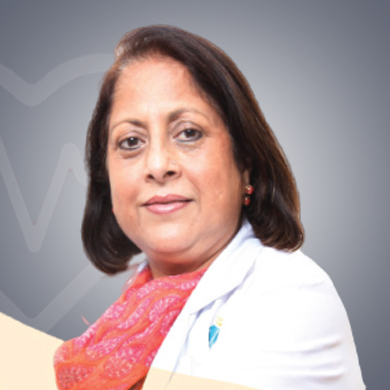
Dr. Ranjana Mithal
Indraprastha Apollo Hospital, India, Delhi
Ophthalmologist • 43 years experience
Hindi EnglishDr. Ranjana Mithal is a specialized Ophthalmologist in India. And one of the most sought after medical specialists in Delhi, India. The doctor has over 31 Years of experience and is associated with Indraprastha Apollo Hospital.
Association and Memberships Dr. Ranjana Mithal is part of:
- Life member All India Ophthalmological Society of India.
- Life member of Glaucoma Society of India.
- Life member Cataract & refractive Society of India.
Certifications :
- Fellowship in microsurgery for Arvind eye hospital, Madurai.
- Fellowship in Retina Lasers from LV Prasad eye institute, Hyderabad.
- Fellowship in Phaco Surgery from Agarwals Eye Institute Chennai
Qualifications :
- MBBS - Kanpur University, 1981
- MS - Ophthalmology - kanpur University, 1984
Hospital Address :
Indraprastha Apollo Hospitals, Mathura Road, Sarita Vihar, New Delhi, Delhi, India
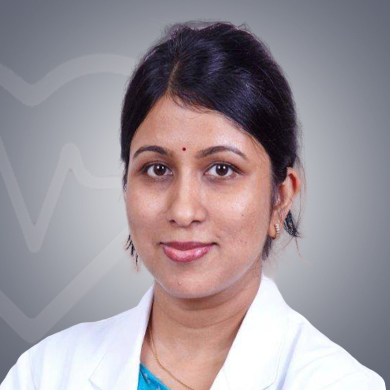
Dr. Aditi Krishna Agarwal
Fortis Memorial Research Institute, India, Gurgaon
Ophthalmologist • 23 years experience
Hindi EnglishDr. Aditi Krishna Agarwal is a specialized Ophthalmologist in India. And one of the most sought after medical specialists in DelhiNCR, India. The doctor has over 19 Years of experience and is associated with Fortis Memorial Research Institute.
Association and Memberships Dr. Aditi Krishna Agarwal is part of:
- All India Ophthalmological Society
- Delhi Ophthalmological Society (DOS)
- Cornea Society of India
- Haryana Opthalmological Society
- Delhi Medical Council
Certifications :
- Fellowship in Cornea and Anterior Segment - L V Prasad Eye Institute, Hyderabad, 2008
- FICO (UK) - Clinical Sciences Assessment in Opthalmology - International Council of Opthalmology, 2007
- Sir Ratan Tata Fellowship in Cataract Micro-Surgery - Sankara Nethralaya, 2006
- Glaucoma Diagnosis and Therapy - Aravind Eye Hospital, Coimbatore, 2006
Qualifications :
- MS - Ophthalmology - Mahatma Gandhi Memorial Medical College, Indore, 2005
- MBBS - G S Medical College, KEM Hospital Mumbai, 2001
- DNB - Ophthalmology - National Board Of Examination, 2005
Hospital Address :
FMRI, Sector 45, Gurugram, Haryana, India
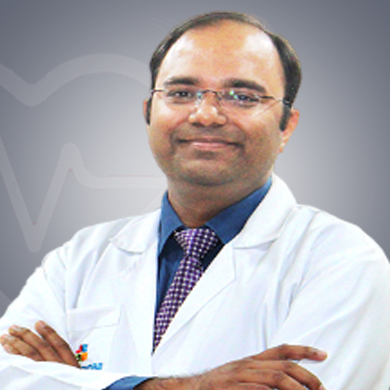
Dr. Jaidrath Kumar
Sarvodaya Hospital and Research Centre, India, Faridabad
Ophthalmologist • 18 years experience
Hindi EnglishDr. Jaidrath Kumar is a specialized Ophthalmologist in India. And one of the most sought after medical specialists in DelhiNCR, India. The doctor has over 10 Years of experience and is associated with Sarvodaya Hospital and Research Centre.
Association and Memberships Dr. Jaidrath Kumar is part of:
- AIOS (All India Opthalmological Society)
- ASCRS (American Society for Cataract and Refractive Surgery)
Qualifications :
- MS (Ophthalmology) from Maharashtra University of Health Sciences
- MBBS from Calcutta University
Hospital Address :
Sarvodaya Hospital, Sector 8, Faridabad, Haryana, India
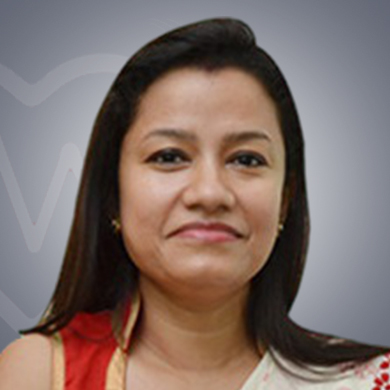
Dr. Pallavee Rajbongshi Goswami
Medanta - The Medicity, India, Gurgaon
Ophthalmologist • 21 years experience
Hindi EnglishDr. Pallavee Rajbongshi Goswami is a specialized Ophthalmologist in India. And one of the most sought after medical specialists in Delhi, India. The doctor has over 21 Years of experience and is associated with .
Association and Memberships Dr. Pallavee Rajbongshi Goswami is part of:
- Member of Delhi Ophthalmological Society (DOS)
- Member of All India Ophthalmological Society
Qualifications :
- MBBS - Gauhati Medical College, Guwahati
- MS - Ophthalmology - Regional Institute of Ophthalmology, Guwahati
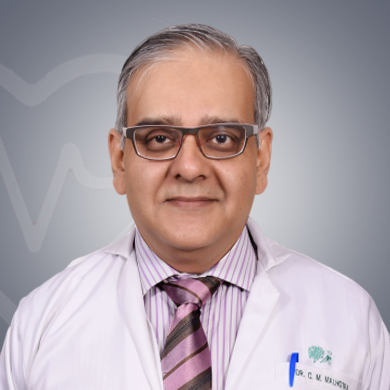
Dr. Aniel Malhotra
Indraprastha Apollo Hospital, India, Delhi
Ophthalmologist • 34 years experience
Hindi EnglishDr Aniel Malhotra is one of the best Opthalmologist in New Delhi, India. The medical specialist holds over 26 years of experience and is associated with Indraprastha Apollo Hospital.
Association and Memberships Dr. Aniel Malhotra is part of:
- American Academy of Ophthalmology
- All Indian Ophthalmic Society
- Delhi Ophthalmic society
- Delhi Medical Association
Qualifications :
- MBBS
- MS
Hospital Address :
Indraprastha Apollo Hospitals, Mathura Road, Sarita Vihar, New Delhi, Delhi, India
Medical Expertise of Dr. Aniel Malhotra
- Dr. Aniel specializes in LASIK Surgery and also gives Laser Treatment, Treatment of Squint and performs Cataract Surgery apart from other treatments of the eyes.
- Some of the treatments that Dr. Aniel excels in are- Orbital Trauma,Diabetic Retinopathy Screening/ Treatment,Vision Therapy Exercises,Optical Coherence Tomography (OCT) and Ocular trauma etc.
- Dr. Aniel Malhotra is a renowned opthalmologist, practicing successfully for more than 30 years
- He has received Fellowship from Sankara Nethralaya, Chennai under Padma Shree Dr. S.S. Badrinath in 1991 - 1992.
- He is known as the best Cataract surgeon & Squint Specialist
- He is a member of Member American Academy of Ophthalmology,Life Member of All Indian Ophthalmic Society,Life Member of Delhi Ophthalmic Society and Member Delhi Medical Association.
- Dr Aniel Malhotra can speak English, French, Hindi.
Dr. Naginder Vashisht
Artemis Health Institute, India, Gurgaon
Ophthalmologist • 18 years experience
Hindi EnglishDr Naginder Vashisht is one of the foremost Opthalmologist in Gurugram, India. The medical specialist holds over 12 years of experience and is associated with Artemis Health Institute .
Association and Memberships Dr. Naginder Vashisht is part of:
- Delhi Ophthalmological Society.
- All India Ophthalmological Societ
- Association for Research in Vision and Ophthalmology
- Delhi Ophthalmological Society (DOS)
Qualifications :
- MBBS
- MD
Hospital Address :
Artemis Hospitals, Sector 51, Gurugram, Haryana, India
Medical Expertise of Dr. Naginder Vashisht
- Dr. Vashishtâs field of clinical interests includes Phacoemulsification, Uvea, Vitreo-retina and Ocular trauma. He has numerous complex and advanced retinal surgeries to his credit. He specializes in management of diabetic eye conditions, eye trauma and retinopathy of prematurity (ROP).
- Dr. Naginder Vashish is an internationally renowned ophthalmologist based in Gurugram, India.
- In addition to his broad range of clinical work, he has presented papers, posters, and videos on scientific research at various national and international conferences
- Under the supervision of Dr. Robert Morris, MD at Retina Specialist of Alabama, he completed an observership in vitreo-retina and ocular trauma.
- The International Council of Ophthalmology (London) and the Royal College of Physicians and Surgeons of Glasgow awarded him fellowships.
- He is a member of DOS, AIOS, VRSI. ARVO and ESCRS.
- At AIIMS, he has been a co-investigator in FDA-approved multicentric clinical trials such as the FAME Study, VIEW-2 Study, GALILEO Study, and Posurdex DME Study.