Your Notifications
All done, no notifications

Top Eye Specialist in Israel

Explore trusted hospitals and care options, or get personalised support to find a suitable option based on your treatment needs, preferences, and budget.

5
Verified Doctors
1,00,000+
Global Patients Assisted
Enquire Now
+
JCI/ISO 100,000+ Patients 24X7 Coordinator Visa & Travel handled

Our Platform Features
100,000+
Consultations Completed
HIPAA
Compliant Secure & Encrypted
24-48 Hours
Expert Medical Opinion
End-to-End Support
Dedicated Care Manager
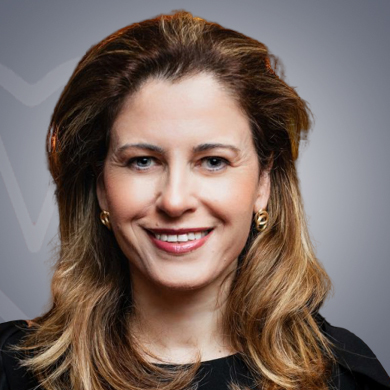
Dr. Irit Bahar

, Israel, Petah Tikva

Ophthalmologist • 18 years experience

Hebrew English
View Telemedicine Doctors

Irit Bahar, Medical School Technion Institute in Haifa, is a Ophthalmologist based in Petah Tikva, Israel. The doctor has 18 years of professional experience. Irit Bahar areas of expertise include Fuchs' Dystrophy, Diabetic Retinopathy. Retinal Detachment. Vitreous Hemorrhage., Age-Related Macular Degeneration (AMD), Astigmatism, Hyperopia.

Work Experiences

  • Lecturer at the University of Tel Aviv
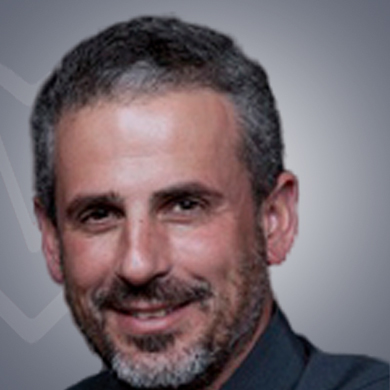
Dr. Dan Burla

, Israel, Herzliya

Ophthalmologist • 25 years experience

Hebrew English
View Telemedicine Doctors

Dan Burla, Graduated with honor from Ben-Gurion University medical school, is a Ophthalmologist based in Herzliya, Israel. The doctor has 25 years of professional experience. Dan Burla areas of expertise include Keratoconus, Correction of Myopia, Diabetic Retinopathy. Retinal Detachment. Vitreous Hemorrhage., Hyperopia, Fuchs' Dystrophy.

Work Experiences

  • Present, Senior Physician - Herzliya Medical Center
  • Senior Surgeon - Hillel Yaffe Medical Center
  • Senior Ophthalmologist - Rabin medical center
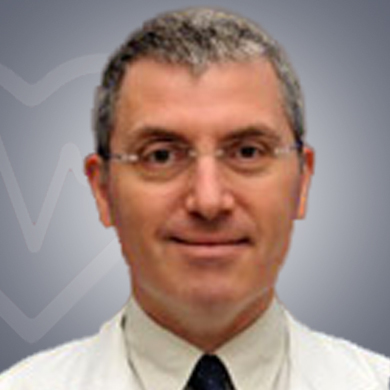
Dr. David Varssano

, Israel, Tel Aviv

Ophthalmologist • 36 years experience

English Hebrew
View Telemedicine Doctors

David Varssano, 1977 1983 Sackler School of Medicine, Tel Aviv University, is a Ophthalmologist based in Tel Aviv, Israel. The doctor has 36 years of professional experience. David Varssano areas of expertise include Keratoconus, Correction of Myopia, Diabetic Retinopathy. Retinal Detachment. Vitreous Hemorrhage., Corneal Injury, Age-Related Macular Degeneration (AMD).

Work Experiences

  • 1983 1984 Internship, Hasharon Hospital, Petach Tikva
  • 1984 1989 Physician, IDF
  • 1989 1994 Residency in Ophthalmology, Tel Aviv Medical Center
  • 1995 1996 Fellowship in Cornea and external diseases, Will Eye Hospital, Philadelphia, PA, USA
  • 1996 date Director of Cornea Service and Eye Bank, Tel Aviv Medical Center

Do you know?

Using MediGence’s Telemedicine Platform, you can book a personalized video consultation with renowned doctors around the world

Explore Telemedicine Platform

Featured Telemedicine Doctors

Dr. Anat Loewenstein

, Israel, Tel Aviv

Ophthalmologist • 25 years experience

Hebrew English
View Telemedicine Doctors

Anat Loewenstein, Medical School The Hebrew University, Jerusalem, Israel, is a Ophthalmologist based in Tel Aviv, Israel. The doctor has 25 years of professional experience. Anat Loewenstein areas of expertise include Age-Related Macular Degeneration (AMD), Fuchs' Dystrophy, Correction of Myopia, Astigmatism, Keratoconus.

Work Experiences

  • Senior ophthalmologist, specialist in vitreoretinal diseases and surgery
  • Vice-Dean, Sackler Faculty of Medicine, Tel Aviv University, Israel
  • Full Professor of Ophthalmology, Tel Aviv University, Israel
  • Health Administration, Recanati School of Business Administration, Tel Aviv University, Israel

Dr. Nirit Burla

, Israel, Herzliya

Ophthalmologist • 20 years experience

Hebrew English
View Telemedicine Doctors

Nirit Burla, MD, the Faculty of Medicine,Ben-Gurion University, is a Ophthalmologist based in Herzliya, Israel. The doctor has 20 years of professional experience. Nirit Burla areas of expertise include Diabetic Retinopathy. Retinal Detachment. Vitreous Hemorrhage., Astigmatism, Hyperopia, Age-Related Macular Degeneration (AMD), Keratoconus.

Work Experiences

  • Senior surgeon in the Ophthalmology Department of Sheba Medical Center.
  • Present, Senior surgeon at Herzliya Medical Center
Frequently Asked Questions
Who are the top Eye Specialists from other countries?

Listed below are some of the top eye specialist in other countries:

Which are some of the best hospitals in Israel, All are associated with?

Given below are some of the most popular hospitals in Israel where eye specialist work:

Who is an Eye Specialist?

An eye specialist is a medical doctor who is trained in diagnosing and treating eye-related diseases. Subspecialist eye specialists have generally completed training that qualifies them to work on eye complex disorders that are complex, involve a particular part of the eye, or impact some groups of people. They also get training more extensively than a regular ophthalmologist to perform complicated surgeries on critical parts of the eye.

Many eye specialists are involved in research on the real causes and cures for eye conditions and vision problems. Ophthalmologists can sometimes detect other health problems that may not be directly related to your eye and could refer those patients to the right medical doctors for effective treatment.

Optometrists, a type of eye specialist, have expertise in taking care of primary health care for your eyes. After completing college, they spent a four-year professional program to get a doctor of optometry degree. Some of them undergo additional clinical training or even complete a specialty fellowship after completing optometry school. They generally focus on regular vision care.

What are the qualifications of an Eye Specialist?

To become a qualified eye specialist, an aspiring candidate should complete his/her MBBS degree and then so post-graduation in Ophthalmology. The required postgraduate degrees are Master of Surgery (M.S.), Doctor of Medicine (M.D.), and Diploma in Ophthalmic Medicine and Surgery. The training and work experience is gained during a Junior Residency at a Medical College under the guidance of experienced faculty and this is known as an internship. Also, further work experience during the fellowship, registrar, or senior resident sharpens the skills of an eye specialist.

What conditions do Eye Specialists treat?

Some of the conditions an eye specialist diagnoses and treats include:

  • Cataracts
  • Cornea and external eye diseases
  • Dry eyes, Glaucoma
  • Keratoconus
  • Adult strabismus, esotropia, amblyopia, and exotropia
  • Refractive errors like nearsightedness, astigmatism, farsightedness, and presbyopia
  • Uveitis
  • Vitreoretinal diseases, including macular degeneration, diabetic retinopathy
  • Age-Related Macular Degeneration
  • Amblyopia, Astigmatism, Cataracts, Corneal Disease
  • Diabetic Retinopathy
  • Dry Eye
  • Eye Disease Simulations
  • Low Vision
  • Myopia (Nearsightedness)
  • Floaters, Hyperopia (Farsightedness)
  • Retinopathy of Prematurity
  • Retinal Detachment
  • Presbyopia
  • Refractive Errors
What diagnostic tests are required by an Eye Specialist?

Your eye specialist will order certain diagnostic tests to detect the actual problem with your eyes. Below are some common tests generally ordered by an eye specialist:

  • Color Vision Test: Both acquired and congenital color vision defects can be detected using this test.
  • Computerized Optic Disc Imaging and Nerve Fiber Layer Analysis: This test is used to study the structure of the optic nerve surface and the adjacent retinal nerve fiber layers in a patient with glaucoma.
  • Corneal Topography: Corneal Topography is an effective test used to map and measure the shape of your cornea, the clear front portion of your eye.
  • Electroretinography: Electrodiagnostic testing is used to provide additional information about the function of the retina as well as the optic nerve pathways to the brain.
  • Fluorescein Angiography: The use of fluorescein dye in photographs highlights abnormal blood vessels and detects fluid leaks in the retina, and the overall strength of the retinal circulation
  • Ocular Coherence Tomography: Ocular coherence tomography uses a computer to assess the interference patterns of light reflected from the interior part of the eye.
  • Specular Microscopy: Specular microscopy uses a special camera to take images of an individual cell layer of your cornea.
  • Visual Field Tests: The visual field test, also called perimetry, determines the borders of that field and how effectively the eyes of the patient see in different areas of the field.
  • Ultrasound: Ultrasound of the eye is suggested when the doctor fails to have a good view into the eye or needs to review a specific lesion.
When should you visit an Eye Specialist?

There are some symptoms and signs that may hint you need to see an eye specialist. If you notice any one of the five signs, book an appointment with your eye specialist immediately.

  • Eye pain
  • Eye fatigue
  • Blurry vision
  • Eye infection
  • Light sensitivity
  • Dry or itchy eyes
  • Flashes, spots, floaters
  • Double vision
  • Trouble seeing at night
  • Halos
  • Frequent headache
  • Problem with near or distant vision
  • Diabetes
  • Red or pink eyes
  • Lots of tears
What can you expect from your first visit with an Eye Specialist?

For scheduled eye exams, you may expect to discuss any changes you noticed in your medical history since you saw your eye doctor last time. And if it is your first appointment, you may be asked to provide a more detailed medical history, including all medications you are taking, and any vision issues your parents might have experienced. Make sure you bring in all eyewear that you are wearing at present so it can be evaluated by your eye specialist.

Besides this, you will need to undergo a series of vision screenings and other vision tests to help determine your eye health and the quality of your vision. These tests will also help to find if your current prescription glasses are still meeting your vision needs. The eye doctor will also check the eyes for signs of any vision problems or eye conditions.

Finally, you should have a detailed discussion about the current state of your vision and eye health, and your eye specialist may suggest vision correction in the form of contact lenses or eyeglasses. Any health problems or serious vision complications would also be discussed, including steps you need to take to protect and preserve your sight.

Which are the most common procedures performed by an Eye Specialist?

There are different ways to treat vision problems. Surgery can correct problems, such as glaucoma and cataracts. Other procedures may improve poor vision.

Here are some common procedures performed by an eye specialist:

  • Photorefractive keratectomy
  • LASIK
  • Cataract surgery
  • Glaucoma surgery
  • Diabetic retinopathy surgery
  • Macular Degeneration Surgery
  • Refractive surgery for vision correction
  • Repairing torn or detached retinas
  • Corneal transplants
  • Eyelid surgery
  • Eye Bag surgery
  • Eye cancer surgery
  • Vitrectomy

FAQs related to Israel

How to avail online consultation with some of the top doctors in Israel?

Telemedicine is a fantastic way for incorporating technology into healthcare. It makes clinical care so simple to adopt and progress with in order to identify better ways to treat patients and return them to excellent health and optimum parameters. It is a system for virtual care consultations for a variety of ailments.

How to access Telemedicine by MediGence?

Exploring & Booking an appointment with the specialist in 3 simple steps-

  • Choose a suitable Doctor based on your symptoms or condition
  • Schedule an appointment with the doctor of your choice

Our Telemedicine offering makes things simple via its user-friendly interface.

  • On-demand Scheduled Appointments
  • Data Security Guaranteed with HIPAA Compliance
  • Video Interaction with Top Medical Experts across borders
  • Video Recording Option for Patient’s convenience
  • Private video consultations can be downloaded within 72 hours
  • Clinical notes & prescriptions
  • Secured & Easy Payment Options- E-receipt is generated & sent automatically to the patient.
How to choose some of the best rated doctors in Israel?

The majority of people believe they do have a broad understanding of what a "good" doctor can accomplish or haven't given it any thought. If you're searching for a new doctor or a specialist, you might have a few extra questions about what to look for in a medical professional. Knowing what makes a good doctor can aid in the diagnosis and get you the care you want without having to worry about anything.

  • Domain Knowledge - A qualified doctor should understand how the entire body works as a unit and what one must do to keep their complete health. They should keep up with all of the newest developments in the industry and share their knowledge in an easy-to-understand manner. Patients will become more likely to follow this advice correctly and trust the doctor when there is an issue if doctors provide a wide range of facts and clearly state why they consider a given style of medical care to be good.
  • Doctor’s Reputation - Doctors are frequently chosen by word of mouth, but when looking for a new doctor, it is crucial to consider your sources. Ask a few different people and watch whose name keeps coming up. You can also get useful information by asking your primary care physician about specialists and others in the region. Several people nowadays look for reviews of new doctors on the internet, but this information might be skewed. To gain a better idea about what a doctor is like, look for consistency in remarks regarding them, both favorable and negative.
  • Credentials of the Doctor - A good school education or other credentials may not guarantee that a doctor will deliver exceptional care, but it is a fine place to begin. If the doctor's credentials or affiliations within the field are lacking, this is a red flag. Check to see if the doctor is board certified and has fulfilled all licensure criteria. Knowing the hospital they are linked with or what qualifications other members of their practice have can give you an idea of the kind of care one will receive if they require extra treatment.
  • Empathy and Sincerity of the Doctor - The doctor's demeanor can put you at ease during the appointments. A patient wishes to feel that their doctor actually cares about them and their family so that one can openly discuss any questions or concerns they may have. It is not a bad idea to switch doctors if one does not feel emotionally connected to their current one. Seek someone who is friendly and attentive, and who encourages their patients to express themselves freely. To make someone comfortable and make it simpler for them to follow treatments effectively, the doctor must explain what they are doing and the reasoning behind it.
  • Good Communication Skills - A physician must be able to communicate effectively with their patients, which entails both listening to them and presenting information in an understandable way. Patients who can communicate effectively with their doctors are more likely to comply with their treatment regimen and reveal any extra health issues they could be facing. This will assist clinicians in identifying potentially harmful trends that the patient might be experiencing and intervening to ensure that therapies are effective.

Reference:

The Lancet

Which are the most common Medical Specialities available in Israel

Top Eye Specialist in Israel

About Eye Specialists

An eye specialist, also called an optometrist, is a doctor specialized in providing the diagnosis, treatment and prevention of eye diseases, disorders and ailments such as low vision, refractive error correction etc.

An optometrist examines the vision of both the eyes and also the health problems. Thereafter they guide on other refractive error correction procedures based on the diagnosis. Eye specialists provide a full spectrum of eye care starting from prescribing eyeglasses and contact lenses to complex and delicate eye surgery.

Eye specialists are not necessarily eye surgeons; they are experienced and trained to conduct eye surgeries as needed by patients as a part of their treatment. The medical doctor who performs surgical and medical interventions for eye conditions is called an ophthalmologist.

Procedures Performed by Eye Specialists in Israel

Below are some of the eye procedures:

  • Diagnosis and monitoring of the eye conditions
  • vision therapy
  • Cataract surgery
  • Glaucoma surgery
  • Refractive surgery for vision correction
  • Eye cancer treatment
  • Reconstructive surgery to repair trauma (accidental injury) or birth abnormalities like crossed eyes
  • Chronic or severe tear duct infections or blockages
  • Neoplasm (tumor, cyst or foreign object) removal
  • Injections around the eyes and face to alter facial structure function and appearance
  • Eyelid surgery
  • Eye Bag surgery
  • Repairing torn or detached retinas
  • Corneal transplants

Top Eye Specialists in Israel

DoctorAssociated Hospital
Dr. David VarssanoTel Aviv Sourasky Medical Center -Ichilov Hospital, Tel-Aviv
Dr. Dan BurlaHerzliya Medical Center, Herzliya
Dr. Anat LoewensteinTel Aviv Sourasky Medical Center -Ichilov Hospital, Tel-Aviv
Dr. Nirit BurlaHerzliya Medical Center, Herzliya
Dr. Irit BaharRabin Medical Center, Petah Tikva

Reasons to avail Online Consultation with Eye Specialist in Israel

Teleophthalmology is becoming important as an effective eye care modality. Online consultations have become the first way to connect with doctors/specialists around the world. It can play an additional role in screening, emergency eye care, urgent diagnosis, treatment, and prompt referral. Useful in conditions such as diabetic retinopathy, retinopathy of prematurity, and glaucoma. It is of utmost importance that patients choose the hospital which ensures all the safety standards are followed and trusts the experienced surgeons. Israel is known to have the leading eye care in the middle east region. Why should you choose an eye specialist in Israel for an online consultation? Following are the reasons-

  • For many years, ophthalmology, or eye care, has been regarded as one of the most accomplished fields of modern healthcare in Israel.
  • There are plenty of international patients visiting Israel for medical purposes, particularly from Poland, Italy, South Africa, Romania, Croatia, Greece, Cyprus, Hungary, Ukraine, Australia, and South American countries.
  • Israeli ophthalmologists are regarded as among the best in the world.
  • Every good eye doctor (ophthalmologist) in Israel is constantly improving his credentials and employs only cutting-edge treatment techniques.
  • The facilities' eye centers or departments have invested in the country's leading experts, who successfully treat the vast majority of eye-related ailments, conserving and restoring sight to patients from all over the world.
  • Due to a combination of high professionalism and the introduction of advanced technologies in the diagnosis and treatment of eye problems, Israel has an unmatched level of ophthalmologic (eye) treatment.
  • In Israel, the employment of computerized survey techniques, microsurgery, medical lasers, and robotic procedures has revolutionized the concept of ophthalmology, marked by a high likelihood of recovery following a major illness or trauma.
  • Some of the popular eye treatments performed by the highly skilled & experienced eye specialists in Israel are Laser cataract removal, vision correction, cosmetic implantation, corneal transplantation, and other complex surgical interventions.
  • Medical lasers are used in the majority of minimally invasive ophthalmic procedures in Israel.
  • Eye specialists in the country use personalized diagnosis and treatment approaches. This allows you to swiftly return to your usual life and forget about your condition.
  • Its eye experts and surgeons' multidisciplinary approach allows for a full spectrum of necessary examinations to determine the actual cause of specific eye-related disorders.
  • Specialists can then verify that the essential protocols are implemented, stabilizing the patient's condition and preventing future relapses and/or advancement of eye illness.
  • Following surgery, doctors continue to evaluate the patient's eyes to ensure the best possible results.
  • Surgeons/Doctors in the country are associated with various national, regional, and international ophthalmological societies such as IPSOS, IOS, ISPOS, WSPOS, ZOS, JAMA Network, NANOS, etc.
  • Despite the fact that Hebrew is the country's official language, healthcare facilities use a multilingual staff, therefore communication issues are rare. Translators are also available.

Top Ophthalmology Experts in Israel Hospitals

Who Are Ophthalmologists?

An ophthalmologist, is a doctor specialized in medical and surgical care of the eyes and vision. They are licensed doctors with complete training and education to practice medicine and surgery for the diagnosis, treatment and prevention of medical conditions related to the eyes.

They provide total eye care encompassing eye and vision care services, eye examination, diagnosis, treatment and prevention of eye disease, surgical care and management of complications from other associated conditions such as diabetes.

When should you consider visiting an Ophthalmologist?

You should consider visiting an Ophthalmologist in the following cases:

  • Experiencing chronic or severe vision symptoms or signs of eye conditions, e.g., bulging eyes
  • Reduced, distorted, blocked or double vision
  • Excessive tearing
  • Abnormalities in the eyelids or other related problems
  • Seeing halos or colored circles around lights
  • Misaligned eyes
  • Black specks or strings called floaters in the line of view
  • Seeing flashes of light
  • Unexplained redness in the eye
  • Sudden changes or loss of the peripheral vision
  • Sudden or severe eye pain
  • Eye injury
  • If you have conditions or factors that can increase the risk of eye conditions, such as diabetes, high blood pressure, a family history of eye conditions, HIV, thyroid conditions (eg. Grave’s disease)

Procedures Performed by Ophthalmologist in Israel

Procedures commonly performed by an Ophthalmologist commonly include:

  • Diagnosis and monitoring of moderate-to-severe eye conditions
  • Cataract surgery
  • Glaucoma surgery
  • Refractive surgery to correct vision
  • Eye cancer treatment
  • Repairing torn or detached retinas
  • Corneal transplants
  • Diabetic Retinopathy Surgery
  • Macular Degeneration Surgery
  • Eyelid Surgery – Blepharoplasty
  • Reconstructive surgery to repair trauma or birth abnormalities, such as crossed eyes, chronic or severe tear duct infections or blockages
  • Neoplasm removal (tumor, cyst, or foreign object)
  • Consultation on cases relating to other conditions, such as diabetic retinopathy or immune conditions
  • Injections around the eyes and face to alter facial structure, function and/or appearance
  • Lasik
  • PRK

Which are the countries where we can find Eye Specialist?

Popular Eye Specialist in Top Countries are :

Type of Eye Specialist available in Israel?

Top Speciality Doctors in Israel:

Can we get the list of Eye Specialist in Israel in any other language?

Yes, we provide the list of Eye Specialist in Israel in the following languages: