Your Notifications
All done, no notifications

Consult Online with the Best Surgical Oncologist

Browse verified doctors or let our care team help you find the doctor best suited to your condition, treatment goals, and budget.

484
Verified Doctors
USD 28
Min Consultation Cost
1,00,000+
Global Patients Assisted
Enquire Now
+
JCI/ISO 100,000+ Patients 24X7 Coordinator Visa & Travel handled

Our Platform Features
100,000+
Consultations Completed
HIPAA
Compliant Secure & Encrypted
24-48 Hours
Expert Medical Opinion
End-to-End Support
Dedicated Care Manager
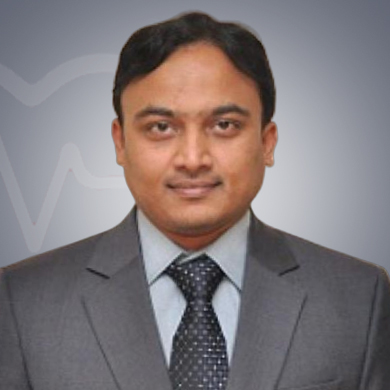
Dr. Art Hiranyakas

, Thailand, Bangkok

Surgical Oncologist • 10 years experience

English Thai
View Telemedicine Doctors

Dr. Art Hiranyakas is a specialized Surgical Oncologist in Thailand. And one of the most sought after medical specialists in Bangkok, Thailand. The doctor has over 15 Years of experience and is associated with Bangkok Hospital.

Association and Memberships Dr. Art Hiranyakas is part of:

  • American College of Surgeons (ACS)
  • American Society of Colon and Rectum Surgeons (ASCRS)
  • Society of American Gastrointestinal and Endoscopic Surgeons (SAGES)
  • International College of Surgeons (ICS)

Certifications :

  • Certificate of Advanced Training in Colorectal Surgery, Cleveland Clinic Foundation, Weston, Florida, USA.
  • Certificate of Robotic Surgery (Da Vinci System) Training, University of California, San Diego, California, USA.
  • Certificate of Advanced Laparoscopic Colorectal Surgery, Queensland, Australia.
  • Certificate of Clinical Fellows in Colorectal Surgery and Pelvic Floor Physiology, National University, Singapore.
  • Doctor of Philosophy, School of Medicine and Dentistry, James Cook University, Australia.

Qualifications :

  • MD
  • PhD
  • FACS
  • FASCRS
  • FRCST
  • FSCRST
  • FRCFPT
  • FICS.

Hospital Address :

Bangkok Dusit Medical Services, Nong Prue, Bang Phli, Samut Prakan, Thailand

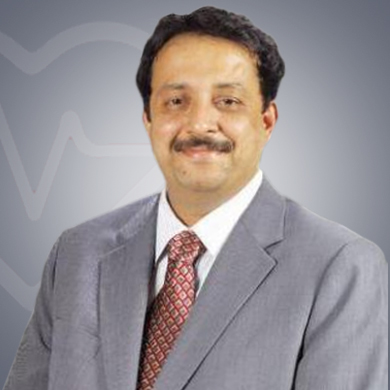
Dr. Muruganandham K

, India, Chennai

Urosurgeon • 19 years experience

English Tamil
View Telemedicine Doctors

Dr. Muruganandham K is a specialized Urosurgeon in India. And one of the most sought after medical specialists in Chennai, India. The doctor has over 25+ Years of experience and is associated with Global Health City.

Association and Memberships Dr. Muruganandham K is part of:

  • Life member, Urological society of India (USI)
  • Life member, Association of southern urologists ( South Zone USI)
  • Life member, Tamilnadu & Pondicherry Association of Urologists (TAPASU)
  • Life member, Indian Medical Association (IMA)

Certifications :

  • FMAS

Qualifications :

  • MBBS
  • MS
  • DNB
  • MCh

Hospital Address :

Global Health City, Perumbakkam, Sholinganallur Main Road, Cheran Nagar, Medavakkam, Chennai, Tamil Nadu, India

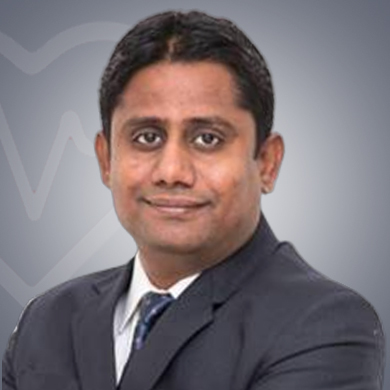
Dr. Wutthi Sumetchotimaytha

, Thailand, Bangkok

Surgical Oncologist • 16 years experience

English Thai
View Telemedicine Doctors
Dr.Wutthi Sumetchotimaytha is a specialized Cancer Specialist. And one of the most sought after medical specialists in Thailand. The doctor has 16 of experience and is associated with , one of the best hospitals in Thailand.

Do you know?

Using MediGence’s Telemedicine Platform, you can book a personalized video consultation with renowned doctors around the world

Explore Telemedicine Platform
Dr. Pham Thien Ha Minh Nguyet

, Vietnam, Ho Chi Minh

Surgical Oncologist • 12 years experience

English Vietnamese
View Telemedicine Doctors
Dr.Pham Thien Ha Minh Nguyet is a specialized Cancer Specialist. And one of the most sought after medical specialists in Vietnam. The doctor has 12 of experience and is associated with , one of the best hospitals in Vietnam.
Frequently Asked Questions
Who are the top Surgical Oncologists offering online consultation?

Following are some of the best surgical oncologists available for online consultation:

Which are some of the conditions treated by Surgical Oncologist?

Check out the conditions performed by surgical oncologists:

  • Brain Cancers- Astrocytoma
  • Pancreatic Cancer
  • Acoustic Neuroma
  • Cervical Cancer
  • Kidney Cancer
  • Brain Tumor - Glioblastoma
  • Ovarian Cancer
  • Brain Tumor
  • Uterine cancer
  • Stomach Cancer
  • Skin Cancer
  • Oligodendrogliomas
  • Larynx Cancer
  • Colon Cancer and Bowel Diseases
  • Brain Abscess
  • Pancreatic or Duodenal Trauma
  • Pituitary Adenoma
  • Lung Cancer
  • Chronic Pancreatitis
  • Breast Cancer
  • Ependymomas
  • Meningioma
  • Crohn's Disease Or Severe Diverticulitis
  • Primitive Neuroectodermal Tumors
  • Cerebral Edema
  • Pancreatic Head Cancer
  • Glioma
  • Brain Infection
  • Arteriovenous Malformation
  • Mixed Gliomas
  • Prostate Cancer
  • Astrocytoma
  • Oral or Mouth Cancer
  • Meningiomas
  • Aneurysm
  • Colorectal or Colon Cancer
  • Traumatic Head Injury
  • Brain Cancers
Who is a Surgical Oncologist?

Surgical oncologists are also general surgeons with training in procedures for diagnosing, staging (finding the stage of cancer), and removing any cancerous growths. The most common procedures done by a surgical oncologist are surgery for cancerous growth removal and biopsies. These surgeons can also perform surgery to find the stage of cancer and determine the areas cancer has spread. Under some circumstances, surgical oncologists might also do preventive surgeries. In some specific cases, surgery might be the only treatment you may need. In other cases, you may have surgery as well as get additional treatments like chemotherapy or radiation. In such cases, a surgical oncologist might be an important part of the cancer care team.

To diagnose cancer, a surgical oncologist can perform biopsies. Biopsy procedures might include:

  • Needle biopsies like fine-needle aspiration and core biopsies
  • Abdominal surgery/laparotomy
  • Laparoscopic or endoscopic (surgery using a scope)
  • Excisional (removing a suspicious area, like a mole/tumor)
  • Skin biopsy
  • Incisional (removing a portion of the suspicious area)

After a biopsy, a surgical oncologist will send all tissue samples to a pathologist, who looks for cancer cells. In case cancer is present, you can see a surgical oncologist again to have a tumor removed. A surgical oncologist might also choose to do a staging surgery to determine the size of a tumor and find if cancer has spread.

What are the qualifications of a Surgical Oncologist?

Surgical oncologists are medical doctors who are trained in surgery with a focus on cancer treatments and diagnosis. Similar to other types of surgeons and doctors, surgical oncologists complete medical school as well as pass an exam to practice medicine.

Becoming a surgical oncologist involves the below educational steps:

  • Obtain five-and-half-year MBBS degree
  • Complete MS course.
  • Finish a residency in general surgery
  • Optionally compete General Surgery Certifying Examination
  • Pursue a fellowship in surgical oncology
  • Some surgical oncologists prefer to specialize in their area with additional research into specific types of cancer, such as skin, gynecological, or gastrointestinal. A surgical oncologist’s specialties could also be in particular age groups, like pediatrics.
What conditions do Surgical oncologists treat?

Surgical oncologists treat a wide variety of conditions as given below:

  • Ovarian Cancer
  • Brain Tumor
  • Uterine cancer
  • Stomach Cancer
  • Skin Cancer
  • Brain Cancers
  • Brain Tumor
  • Larynx Cancer
  • Pancreatic Cancer
  • Acoustic Neuroma
  • Cervical Cancer
  • Kidney Cancer
  • Brain Abscess
  • Pancreatic/Duodenal Trauma
  • Pituitary Adenoma
  • Meningioma
  • Crohn's Disease
  • Lung Cancer
  • Chronic Pancreatitis
  • Breast Cancer
  • Ependymomas
  • Primitive Neuroectodermal Tumors
  • Pancreatic Head Cancer
  • Arteriovenous Malformation
  • Mixed Gliomas
  • Prostate Cancer
  • Mouth Cancer
  • Meningioma
  • Aneurysm
  • Colon Cancer
  • Traumatic Head Injury
  • Brain Cancers
What diagnostic tests are required by Surgical Oncologist?

Different diagnostic tests are recommended by a surgical oncologist to detect cancer. Depending on the symptoms you have, you may have other tests, too. Some common tests are:

  • CT scan
  • MRI
  • Nuclear scan
  • Bone scan
  • PET scan
  • Ultrasound
  • X-ray
  • Biopsy
When should you visit a Surgical Oncologist?

You might see a surgical oncologist if you have a tumor. If a primary care doctor suspects you have cancer, they may refer you to a surgical oncologist for biopsy. If you have been already diagnosed with cancer, the doctor might refer you to a surgical oncologist to get advice on your cancer treatment.

Consult a surgical oncologist if you experience any of the below-given signs and symptoms:

  • Unexplained weight change
  • Persistent cough
  • Skin changes
  • Neurological issues
  • Lumps and bumps
  • Breast changes
  • Chronic headache
  • Difficulty swallowing
  • Excessive bruising
  • Fatigue
  • Stomach pain or nausea
  • Postmenopausal bleeding
What can you expect from your first visit with a Surgical Oncologist?

When a patient visits for the first consultation, a surgical oncologist will perform a thorough examination. The oncologist will ask various questions and also review the patient’s health history. It will include an assessment of all the tests and scans the person may have had beforehand. Besides this, the oncologist can design a treatment plan that suits the patient.

The surgical oncologist plays an important role in the patient’s welfare and ensures the patient feels comfortable. They will hear the patient’s concerns and answer all questions the patient may have about the treatment and procedures. Both will have a detailed conversation about the patient’s needs. They may also discuss any fears and anxiety the patient may have.

Which are the most common procedures performed by a Surgical Oncologist?

Surgical procedures used will differ based on the purpose of the surgical procedures and the area of the body and the size of the tissues affected. A surgical oncologist can perform open surgery or minimally invasive procedures as listed below:

  • Laparoscopy
  • Microscopically controlled surgery
  • Cryosurgery (freezing of cells and skin)
  • Robotic surgery
  • Appendectomy
  • Bowel resection
  • ERBEJET2
  • Flex Robotic System
  • HIPEC Treatment
  • Vascularized lymph node transfer surgery
  • Lymphaticovenular bypass surgery
  • PneumonectomyRobotic surgery (da Vinci Surgical System)
  • Thoracotomy
  • Thyroidectomy
  • Tracheoesophageal puncture
  • Video-assisted thoracoscopic surgery
  • Laser surgery
  • Hyperthermia (heating of tissue)

FAQs related to

Who is a Surgical Oncologist?

Surgical oncologists are also general surgeons with training in procedures for diagnosing, staging (finding the stage of cancer), and removing any cancerous growths. The most common procedures done by a surgical oncologist are surgery for cancerous growth removal and biopsies. These surgeons can also perform surgery to find the stage of cancer and determine the areas cancer has spread. Under some circumstances, surgical oncologists might also do preventive surgeries. In some specific cases, surgery might be the only treatment you may need. In other cases, you may have surgery as well as get additional treatments like chemotherapy or radiation. In such cases, a surgical oncologist might be an important part of the cancer care team.

To diagnose cancer, a surgical oncologist can perform biopsies. Biopsy procedures might include:

  • Needle biopsies like fine-needle aspiration and core biopsies
  • Abdominal surgery/laparotomy
  • Laparoscopic or endoscopic (surgery using a scope)
  • Excisional (removing a suspicious area, like a mole/tumor)
  • Skin biopsy
  • Incisional (removing a portion of the suspicious area)

After a biopsy, a surgical oncologist will send all tissue samples to a pathologist, who looks for cancer cells. In case cancer is present, you can see a surgical oncologist again to have a tumor removed. A surgical oncologist might also choose to do a staging surgery to determine the size of a tumor and find if cancer has spread.

What are the qualifications of a Surgical Oncologist?

Surgical oncologists are medical doctors who are trained in surgery with a focus on cancer treatments and diagnosis. Similar to other types of surgeons and doctors, surgical oncologists complete medical school as well as pass an exam to practice medicine.

Becoming a surgical oncologist involves the below educational steps:

  • Obtain five-and-half-year MBBS degree
  • Complete MS course.
  • Finish a residency in general surgery
  • Optionally compete General Surgery Certifying Examination
  • Pursue a fellowship in surgical oncology
  • Some surgical oncologists prefer to specialize in their area with additional research into specific types of cancer, such as skin, gynecological, or gastrointestinal. A surgical oncologist’s specialties could also be in particular age groups, like pediatrics.
What conditions do Surgical oncologists treat?

Surgical oncologists treat a wide variety of conditions as given below:

  • Ovarian Cancer
  • Brain Tumor
  • Uterine cancer
  • Stomach Cancer
  • Skin Cancer
  • Brain Cancers
  • Brain Tumor
  • Larynx Cancer
  • Pancreatic Cancer
  • Acoustic Neuroma
  • Cervical Cancer
  • Kidney Cancer
  • Brain Abscess
  • Pancreatic/Duodenal Trauma
  • Pituitary Adenoma
  • Meningioma
  • Crohn's Disease
  • Lung Cancer
  • Chronic Pancreatitis
  • Breast Cancer
  • Ependymomas
  • Primitive Neuroectodermal Tumors
  • Pancreatic Head Cancer
  • Arteriovenous Malformation
  • Mixed Gliomas
  • Prostate Cancer
  • Mouth Cancer
  • Meningioma
  • Aneurysm
  • Colon Cancer
  • Traumatic Head Injury
  • Brain Cancers
What diagnostic tests are required by Surgical Oncologist?

Different diagnostic tests are recommended by a surgical oncologist to detect cancer. Depending on the symptoms you have, you may have other tests, too. Some common tests are:

  • CT scan
  • MRI
  • Nuclear scan
  • Bone scan
  • PET scan
  • Ultrasound
  • X-ray
  • Biopsy
When should you visit a Surgical Oncologist?

You might see a surgical oncologist if you have a tumor. If a primary care doctor suspects you have cancer, they may refer you to a surgical oncologist for biopsy. If you have been already diagnosed with cancer, the doctor might refer you to a surgical oncologist to get advice on your cancer treatment.

Consult a surgical oncologist if you experience any of the below-given signs and symptoms:

  • Unexplained weight change
  • Persistent cough
  • Skin changes
  • Neurological issues
  • Lumps and bumps
  • Breast changes
  • Chronic headache
  • Difficulty swallowing
  • Excessive bruising
  • Fatigue
  • Stomach pain or nausea
  • Postmenopausal bleeding
What can you expect from your first visit with a Surgical Oncologist?

When a patient visits for the first consultation, a surgical oncologist will perform a thorough examination. The oncologist will ask various questions and also review the patient’s health history. It will include an assessment of all the tests and scans the person may have had beforehand. Besides this, the oncologist can design a treatment plan that suits the patient.

The surgical oncologist plays an important role in the patient’s welfare and ensures the patient feels comfortable. They will hear the patient’s concerns and answer all questions the patient may have about the treatment and procedures. Both will have a detailed conversation about the patient’s needs. They may also discuss any fears and anxiety the patient may have.

Which are the most common procedures performed by a Surgical Oncologist?

Surgical procedures used will differ based on the purpose of the surgical procedures and the area of the body and the size of the tissues affected. A surgical oncologist can perform open surgery or minimally invasive procedures as listed below:

  • Laparoscopy
  • Microscopically controlled surgery
  • Cryosurgery (freezing of cells and skin)
  • Robotic surgery
  • Appendectomy
  • Bowel resection
  • ERBEJET2
  • Flex Robotic System
  • HIPEC Treatment
  • Vascularized lymph node transfer surgery
  • Lymphaticovenular bypass surgery
  • PneumonectomyRobotic surgery (da Vinci Surgical System)
  • Thoracotomy
  • Thyroidectomy
  • Tracheoesophageal puncture
  • Video-assisted thoracoscopic surgery
  • Laser surgery
  • Hyperthermia (heating of tissue)

Get Insight with our Blogs

Latest Advancements in Cancer Treatment: Chemotherapy & Radiation Therapy
Oncology

Latest Advancements in Cancer Treatment: Chemotherapy & Radiation Therapy

Surgical procedures, radiation therapy, medications, and other treatments are used to treat cancer. Healing, reducing, or preventing the spread of cancer is the aim of cancer treatment.

Published: 06 Nov, 2024
Updated: 27 Feb, 2026

Consult Online with the Best Surgical Oncologist

About Surgical Oncologist

A surgical oncologist is a surgeon specialized in treating cancer that requires surgery to remove tumors and other cancerous tissues. He performs surgeries for removing tumor or cancerous tissues and also the nearby susceptible tissues. Surgical oncologists also perform certain types of biopsies to help in the diagnosis of cancer. They work in coordination with other doctors, specialists and clinicians to help in reducing the pain, side effects, clinicians and speed up the recovery after the surgery.

A surgical oncologist is usually the first specialist doctor you will see if your primary care physician suspects that you have cancer. Surgical oncologist then performs biopsies by taking a small portion of the tissues so that it can be checked for the presence of cancer.

If the presence of cancerous cells gets confirmed then the surgical oncologist will perform surgery to remove the tumor or cancerous cells and the surrounding tissues. The surgeon will also help you prepare for and recover from any surgical procedure that you have to undergo during your cancer treatment.

Most of the patients have cancer surgery combined with other treatments like chemotherapy, radiation therapy or hormone therapy. Sometimes nonsurgical treatments (also known as neoadjuvant therapy) or post-surgery (also known as adjuvant therapy) to help in the prevention of cancer growth, metastasis or recurrence.

Procedures Performed

  • Laparoscopy
  • Robotic surgery
  • Appendectomy
  • Bowel resection
  • ERBEJET2
  • Flex Robotic System
  • HIPEC Treatment
  • Vascularized lymph node transfer surgery
  • Lymphaticovenular bypass surgery
  • Pneumonectomy
  • Robotic surgery (da Vinci® Surgical System)
  • Thoracotomy
  • Thyroidectomy
  • Tracheoesophageal puncture (TEP)
  • Video-assisted thoracoscopic surgery (VATS)

Top Surgical Oncologists

DoctorAssociated Hospital
Dr. Pushpinder GuliaManipal Hospital, Dwarka, New Delhi
Dr. Rimantas BausysKardiolita Hospital, Vilnius, Vilnius
Dr. Hemkant VermaSharda Hospital, Greater Noida
Dr. Tanuj Paul BhatiaSarvodaya Hospital and Research Centre, Faridabad
Dr. Valerijus OstapenkoKardiolita Hospital, Vilnius, Vilnius
Dr. Arun GoelMax Super Speciality Hospital, Saket, New Delhi
Dr. Tapaswini PradhanFortis Hospital, Shalimar Bagh, New Delhi
Dr. Kapil KumarFortis La Femme, Greater Kailash II, New Delhi

Reasons to avail Online Consultation with Surgical Oncologist

Cancer is a difficult condition that gives people emotional distress & panic state. Cancer patients are at a higher risk of infection than the average healthy person due to a weakened immune system that controls their body's defensive mechanism. Early identification, screening, and diagnosis are critical in cancer care. Virtual consultations have been a boon for cancer patients in these continuous epidemic scenarios and in this tech-advanced world. Patients can receive complete assessment and care regardless of their location by requesting an online consultation with an oncology specialist. At MediGence (Telemedicine service), we can help you by providing expert cancer consultation from highly experienced and board-certified Surgical oncologists in 20+ countries. This is your way to address all of your worries related to the surgery and to get prepared for your inquiries & surgical process in advance of the appointment. Following are some more reasons to avail an online consultation with a Surgical Oncologist-

  • In a virtual consultation, the doctor thoroughly examines the patient's condition and shares the medical reports, just as they would in person.
  • Online healthcare is affordable and incredibly time-effective. Furthermore, it does not frighten cancer patients who have been already going through a significant level of suffering.
  • At one location, patients can receive second opinions, consultations, and high-quality medical care.
  • Cancer patients may experience less anxiety about their course of treatment, side effects, prescriptions, follow-up visits, etc.
  • ‘Onco's virtual care management approach’ by oncologists ensures that cancer patients and caregivers receive the best possible guidance and treatment from specialists.
  • In many parts of the world, surgical techniques are still used to treat cancer. It is a localized treatment, which is thought to have the highest likelihood of success. In accordance with the type and location of your cancer, surgical oncologists can assist you in selecting the best surgical treatment.
  • You won't have to answer the same questions over and over; your medical history will be saved online and may be accessed at any time.
  • An online cancer consultation before the treatment could assess your condition better, and can give you the hope and assurance that you need in choosing a safe and reliable treatment option that you deserve.
  • You will be offered a better treatment plan that has the potential to prevent a misdiagnosis. And, perhaps even save a life.
  • In other circumstances, if a misdiagnosis has already occurred with you, the second opinion could better reveal it.
  • The oncologist will analyze your medical history and test data before either confirming or denying your cancer diagnosis.
  • It's also possible that extra examinations will be required of you. The oncologist will go into detail about your condition and give you a chance to ask questions.
  • You can plan your treatment, travel date, visa application, and further treatment procedures, accordingly
  • Consulting with a doctor online can reduce the chances of catching any new infectious illness
  • The expert will help you maintain a positive attitude towards the situation
  • Online consultation with a cross-border expert Surgical Oncologist via Telemedicine can cost you between 123 USD- 456 USD

About Surgical Oncologist

Which are the countries where we can find Cancer Specialist?

Popular Cancer Specialist in Top Countries are :

Type of Cancer Specialist available Worldwide?

Top Speciality Doctors Worldwide:

  • Surgical Oncologist
  • Medical Oncologist
  • Radiation Oncologist

Top Rated Hospitals Where We Can Find Cancer Specialist Worldwide?

List of Top Rated Hospitals where we can find Cancer Specialist Worldwide are as followed:

Can we get the list of Cancer Specialist worldwide in any other language?

Yes, we provide the list of Cancer Specialist worldwide in the following languages: