Browse verified doctors or let our care team help you find the doctor best suited to your condition, treatment goals, and budget.

Venkateshwar Hospital provides specialized Bone Marrow Transplant with a focus on patient safety, individualized treatment planning, and comprehensive transplant care. Established in 2016, the NABL, NABH accredited hospital is located in Delhi, India and operates 325 beds with modern healthcare infrastructure.
Bone Marrow Transplant involves replacing unhealthy or damaged blood-forming stem cells with healthy hematopoietic stem cells to help restore normal blood cell production. It may be used as part of treatment for various blood cancers and other serious disorders affecting the bone marrow or immune system. Before transplantation, specialists evaluate the patient's diagnosis, disease status, overall health, and donor compatibility when applicable. After the stem cell infusion, patients require close medical monitoring to manage infections, graft-related complications, blood count changes, and other potential effects of treatment.
Medicana International Samsun Hospital offers advanced Bone Marrow Transplant using modern transplant technology and internationally accepted treatment protocols. Established in 2011, the JCI accredited hospital is located in Samsun, Turkey and has 249 beds, providing comprehensive care for local and international patients.
Bone Marrow Transplant is a treatment that replaces damaged or diseased blood-forming stem cells with healthy stem cells. It may be used for conditions such as leukemia, lymphoma, multiple myeloma, myelodysplastic syndromes, and certain inherited or immune-related disorders. Depending on the patient's condition, the transplant may be autologous, using the patient's own stem cells, or allogeneic, using stem cells from a suitable donor. Before transplantation, doctors perform detailed evaluations and conditioning treatment to prepare the body for the procedure.
At Arab Medical Center, Bone Marrow Transplant is performed using advanced stem cell transplant facilities and individualized treatment plans. Established in 1997, this JCI accredited hospital in Amman, Jordan has 243 beds and offers comprehensive hematology and oncology services.
Bone Marrow Transplant may be recommended when the bone marrow is affected by cancer, severe blood disorders, or certain immune and genetic conditions. The treatment involves collecting healthy blood-forming stem cells and administering them to the patient after appropriate conditioning therapy. Depending on the diagnosis, an autologous or allogeneic transplant may be considered. Before treatment, specialists assess the patient's disease status, organ function, infection risk, and donor compatibility when a donor transplant is planned.
Fortis Hospital, Mulund provides specialized Bone Marrow Transplant with a focus on patient safety, individualized treatment planning, and comprehensive transplant care. Established in 2002, the JCI, NABH accredited hospital is located in Mumbai, India and operates 315 beds with modern healthcare infrastructure.
Bone Marrow Transplant involves replacing unhealthy or damaged blood-forming stem cells with healthy hematopoietic stem cells to help restore normal blood cell production. It may be used as part of treatment for various blood cancers and other serious disorders affecting the bone marrow or immune system. Before transplantation, specialists evaluate the patient's diagnosis, disease status, overall health, and donor compatibility when applicable. After the stem cell infusion, patients require close medical monitoring to manage infections, graft-related complications, blood count changes, and other potential effects of treatment.
Choosing Manipal Hospital, Hebbal for Bone Marrow Transplant gives patients access to experienced transplant specialists, advanced technology, and comprehensive medical care. Established in 1991, the NABL, NABH accredited hospital in Bangalore, India has 280 beds and provides specialized transplant services.
Bone Marrow Transplant may be considered for patients with conditions such as leukemia, lymphoma, multiple myeloma, aplastic anemia, and selected inherited blood disorders. The transplant process generally includes disease assessment, stem cell collection, conditioning therapy, stem cell infusion, and close follow-up. Depending on the clinical situation, patients may receive their own stem cells or cells obtained from a suitable donor. The transplant team monitors blood counts, infections, organ function, and other factors throughout recovery.
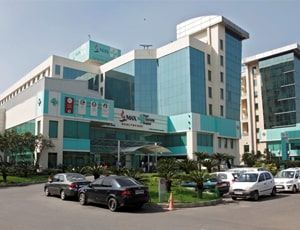
Max Super Speciality Hospital, Saket is a trusted healthcare provider for Bone Marrow Transplant, offering specialized stem cell transplantation supported by experienced hematologists, oncologists, and advanced medical infrastructure. Established in 2006, the JCI, NABH accredited hospital is situated in Delhi, India and has 539 beds.
Bone Marrow Transplant can help restore healthy blood-forming cells in selected patients with serious hematological and other disorders. The treatment may involve high-dose chemotherapy or other conditioning therapies followed by infusion of healthy stem cells. In an autologous transplant, the patient's own previously collected cells are used, while an allogeneic transplant uses cells from a compatible donor. Careful pre-transplant testing and close monitoring after transplantation are essential for managing potential complications and supporting recovery.
Bayindir Healthcare Group is a trusted healthcare provider for Bone Marrow Transplant, offering specialized stem cell transplantation supported by experienced hematologists, oncologists, and advanced medical infrastructure. Established in 1992, the JCI accredited hospital is situated in Ankara, Turkey and has 153 beds.
Bone Marrow Transplant can help restore healthy blood-forming cells in selected patients with serious hematological and other disorders. The treatment may involve high-dose chemotherapy or other conditioning therapies followed by infusion of healthy stem cells. In an autologous transplant, the patient's own previously collected cells are used, while an allogeneic transplant uses cells from a compatible donor. Careful pre-transplant testing and close monitoring after transplantation are essential for managing potential complications and supporting recovery.
Gurgaon, India
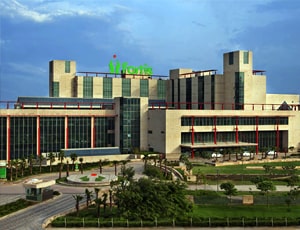
Choosing Fortis Memorial Research Institute for Bone Marrow Transplant gives patients access to experienced transplant specialists, advanced technology, and comprehensive medical care. Established in 2013, the JCI, NABH, NABL accredited hospital in Gurgaon, India has 311 beds and provides specialized transplant services.
Bone Marrow Transplant may be considered for patients with conditions such as leukemia, lymphoma, multiple myeloma, aplastic anemia, and selected inherited blood disorders. The transplant process generally includes disease assessment, stem cell collection, conditioning therapy, stem cell infusion, and close follow-up. Depending on the clinical situation, patients may receive their own stem cells or cells obtained from a suitable donor. The transplant team monitors blood counts, infections, organ function, and other factors throughout recovery.
Acibadem University Hospital Atakent is a trusted healthcare provider for Bone Marrow Transplant, offering specialized stem cell transplantation supported by experienced hematologists, oncologists, and advanced medical infrastructure. Established in 2014, the JCI accredited hospital is situated in Istanbul, Turkey and has 278 beds.
Bone Marrow Transplant can help restore healthy blood-forming cells in selected patients with serious hematological and other disorders. The treatment may involve high-dose chemotherapy or other conditioning therapies followed by infusion of healthy stem cells. In an autologous transplant, the patient's own previously collected cells are used, while an allogeneic transplant uses cells from a compatible donor. Careful pre-transplant testing and close monitoring after transplantation are essential for managing potential complications and supporting recovery.
Istinye University Bahcesehir - LIV Hospital offers advanced Bone Marrow Transplant using modern transplant technology and internationally accepted treatment protocols. Established in 2016, the ISO, JCI accredited hospital is located in Istanbul, Turkey and has 394 beds, providing comprehensive care for local and international patients.
Bone Marrow Transplant is a treatment that replaces damaged or diseased blood-forming stem cells with healthy stem cells. It may be used for conditions such as leukemia, lymphoma, multiple myeloma, myelodysplastic syndromes, and certain inherited or immune-related disorders. Depending on the patient's condition, the transplant may be autologous, using the patient's own stem cells, or allogeneic, using stem cells from a suitable donor. Before transplantation, doctors perform detailed evaluations and conditioning treatment to prepare the body for the procedure.
Choosing Asian Institute of Medical Sciences for Bone Marrow Transplant gives patients access to experienced transplant specialists, advanced technology, and comprehensive medical care. Established in 2010, the NABL, NABH accredited hospital in Faridabad, India has 425 beds and provides specialized transplant services.
Bone Marrow Transplant may be considered for patients with conditions such as leukemia, lymphoma, multiple myeloma, aplastic anemia, and selected inherited blood disorders. The transplant process generally includes disease assessment, stem cell collection, conditioning therapy, stem cell infusion, and close follow-up. Depending on the clinical situation, patients may receive their own stem cells or cells obtained from a suitable donor. The transplant team monitors blood counts, infections, organ function, and other factors throughout recovery.
Choosing Manipal Hospitals Goa, Dona Paula for Bone Marrow Transplant gives patients access to experienced transplant specialists, advanced technology, and comprehensive medical care. Established in 1994, the NABH accredited hospital in Panjim, India has 235 beds and provides specialized transplant services.
Bone Marrow Transplant may be considered for patients with conditions such as leukemia, lymphoma, multiple myeloma, aplastic anemia, and selected inherited blood disorders. The transplant process generally includes disease assessment, stem cell collection, conditioning therapy, stem cell infusion, and close follow-up. Depending on the clinical situation, patients may receive their own stem cells or cells obtained from a suitable donor. The transplant team monitors blood counts, infections, organ function, and other factors throughout recovery.
Acibadem Altunizade Hospital offers advanced Bone Marrow Transplant using modern transplant technology and internationally accepted treatment protocols. Established in 2017, the JCI, ISO accredited hospital is located in Istanbul, Turkey and has 350 beds, providing comprehensive care for local and international patients.
Bone Marrow Transplant is a treatment that replaces damaged or diseased blood-forming stem cells with healthy stem cells. It may be used for conditions such as leukemia, lymphoma, multiple myeloma, myelodysplastic syndromes, and certain inherited or immune-related disorders. Depending on the patient's condition, the transplant may be autologous, using the patient's own stem cells, or allogeneic, using stem cells from a suitable donor. Before transplantation, doctors perform detailed evaluations and conditioning treatment to prepare the body for the procedure.
Sheba Medical Center is a trusted healthcare provider for Bone Marrow Transplant, offering specialized stem cell transplantation supported by experienced hematologists, oncologists, and advanced medical infrastructure. Established in 1948, the JCI accredited hospital is situated in Ramat Gan, Israel and has 1900 beds.
Bone Marrow Transplant can help restore healthy blood-forming cells in selected patients with serious hematological and other disorders. The treatment may involve high-dose chemotherapy or other conditioning therapies followed by infusion of healthy stem cells. In an autologous transplant, the patient's own previously collected cells are used, while an allogeneic transplant uses cells from a compatible donor. Careful pre-transplant testing and close monitoring after transplantation are essential for managing potential complications and supporting recovery.
Burjeel Hospital, Abu Dhabi is a trusted healthcare provider for Bone Marrow Transplant, offering specialized stem cell transplantation supported by experienced hematologists, oncologists, and advanced medical infrastructure. Established in 2012, the JCI accredited hospital is situated in Abu Dhabi, United Arab Emirates and has 209 beds.
Bone Marrow Transplant can help restore healthy blood-forming cells in selected patients with serious hematological and other disorders. The treatment may involve high-dose chemotherapy or other conditioning therapies followed by infusion of healthy stem cells. In an autologous transplant, the patient's own previously collected cells are used, while an allogeneic transplant uses cells from a compatible donor. Careful pre-transplant testing and close monitoring after transplantation are essential for managing potential complications and supporting recovery.
| Speciality | Transplants |
| Procedure | Bone Marrow Transplant |
| Success Rate | Varies by condition |
| Recovery Time | 6-12 months |
| Treatment Time | Several hours to days |
| Chances of Recurrence | Varies by condition |
A bone marrow transplant is a medical procedure that involves replacing damaged or diseased bone marrow with healthy stem cells. The process typically begins with conditioning therapy, which involves high-dose chemotherapy or radiation to destroy the unhealthy bone marrow. Then, healthy stem cells are infused into the patient's bloodstream, where they travel to the bone marrow and start producing new, healthy blood cells. The transplant aims to restore the patient's ability to produce normal blood cells and improve their overall health.
A bone marrow transplant is primarily used to treat hematological conditions, including leukemia, lymphoma, myelodysplastic syndromes, aplastic anemia, and certain genetic disorders like sickle cell disease and thalassemia. These conditions involve abnormalities in the bone marrow's ability to produce healthy blood cells.
The recovery process following a bone marrow transplant is complicated and unique to each patient. Initially, the patient may experience nausea, fatigue, and an increased risk of infection as a result of the conditioning therapy. Following the transplant, the recovery period entails close monitoring and supportive care. The patient will be given medications to suppress the immune system and prevent graft-versus-host disease. The transplanted stem cells will engraft and begin producing new blood cells over time. Typically, the recovery period lasts several months, during which the patient receives regular follow-up visits, blood tests, and supportive care to manage any potential complications and ensure the transplant's success.

Bone marrow transplants (BMT), also known as hematopoietic stem cell transplants (HSCT), can be life-saving for patients whose bone marrow is not functioning to produce healthy blood cells.