Browse verified doctors or let our care team help you find the doctor best suited to your condition, treatment goals, and budget.

Wockhardt Hospital - A new Age Hospital offers advanced Meniscectomy using modern orthopedic and minimally invasive knee surgery techniques and individualized musculoskeletal care plans. Established in 2014, the NABH, NABL, JCI accredited hospital is located in Mumbai, India and has 350 beds, providing comprehensive orthopedic care for local and international patients.
Meniscectomy is a surgical procedure used to remove a damaged portion of the meniscus, the cartilage that acts as a shock absorber between the thighbone and shinbone in the knee. It is commonly performed when a meniscal tear causes persistent pain, swelling, locking, or restricted knee movement and does not respond adequately to conservative treatment. Depending on the location and extent of the tear, the procedure may involve partial or, less commonly, complete removal of the damaged meniscus.
At Seven Hills Hospital, Meniscectomy is performed using specialised arthroscopic techniques and comprehensive preoperative knee assessment. Established in 1986, this NABH, NABL, JCI accredited hospital in Mumbai, India has 1500 beds and offers advanced orthopaedic and sports medicine services.
Meniscectomy may be considered for patients with symptomatic meniscal tears that continue to cause discomfort or mechanical symptoms despite non-surgical treatment. During arthroscopic meniscectomy, a small camera and specialised instruments are inserted through small incisions around the knee to identify and remove the damaged meniscal tissue while preserving as much healthy cartilage as possible. MRI and clinical examination are commonly used to evaluate the tear and guide treatment planning.
Delhi, India
Max Smart Super Speciality Hospital provides specialised Meniscectomy with a focus on precise meniscal treatment, advanced arthroscopic techniques, and individualised postoperative care. Established in 2012, the JCI, NABH accredited hospital is located in Delhi, India and operates 250 beds, with modern orthopaedic, arthroscopic, and rehabilitation infrastructure.
Meniscectomy can improve knee function by removing damaged or unstable meniscal tissue that contributes to pain and mechanical symptoms. Whenever clinically appropriate, surgeons generally aim to preserve as much healthy meniscus as possible because the meniscus contributes to load distribution and joint stability. A detailed preoperative assessment helps the orthopaedic team determine the location and severity of the tear and whether partial meniscectomy, meniscal repair, or another treatment approach is most suitable.
Tel Aviv, Israel
Tel Aviv Sourasky Medical Center -Ichilov Hospital provides specialised Meniscectomy with a focus on precise meniscal treatment, advanced arthroscopic techniques, and individualised postoperative care. Established in 1963, the JCI accredited hospital is located in Tel Aviv, Israel and operates 1500 beds, with modern orthopaedic, arthroscopic, and rehabilitation infrastructure.
Meniscectomy can improve knee function by removing damaged or unstable meniscal tissue that contributes to pain and mechanical symptoms. Whenever clinically appropriate, surgeons generally aim to preserve as much healthy meniscus as possible because the meniscus contributes to load distribution and joint stability. A detailed preoperative assessment helps the orthopaedic team determine the location and severity of the tear and whether partial meniscectomy, meniscal repair, or another treatment approach is most suitable.
Lifecare Hospital, Musaffah is a trusted healthcare provider for Meniscectomy, offering minimally invasive knee surgery supported by experienced orthopedic surgeons, sports medicine specialists, modern operating facilities, and multidisciplinary rehabilitation care. Established in 2007, the JCI accredited hospital is situated in Abu Dhabi, United Arab Emirates and has 200 beds.
Meniscectomy aims to relieve symptoms caused by damaged meniscal tissue while preserving the functional portions of the meniscus whenever possible. The procedure is most commonly performed arthroscopically, allowing the surgeon to examine the joint and selectively trim or remove the unstable portion of the torn cartilage. Before surgery, the orthopedic team evaluates the patient's symptoms, physical examination findings, imaging results, activity level, and the extent of meniscal damage to determine the most appropriate treatment.
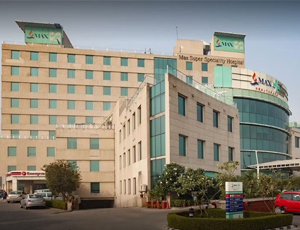
At Max Super Specialty Hospital, Shalimar Bagh, Meniscectomy is performed using specialised arthroscopic techniques and comprehensive preoperative knee assessment. Established in 2011, this NABH, NABL accredited hospital in Delhi, India has 402 beds and offers advanced orthopaedic and sports medicine services.
Meniscectomy may be considered for patients with symptomatic meniscal tears that continue to cause discomfort or mechanical symptoms despite non-surgical treatment. During arthroscopic meniscectomy, a small camera and specialised instruments are inserted through small incisions around the knee to identify and remove the damaged meniscal tissue while preserving as much healthy cartilage as possible. MRI and clinical examination are commonly used to evaluate the tear and guide treatment planning.
Amrita Hospital is a trusted healthcare provider for Meniscectomy, offering minimally invasive knee surgery supported by experienced orthopedic surgeons, sports medicine specialists, modern operating facilities, and multidisciplinary rehabilitation care. Established in 2022, the NABH accredited hospital is situated in Faridabad, India and has 2600 beds.
Meniscectomy aims to relieve symptoms caused by damaged meniscal tissue while preserving the functional portions of the meniscus whenever possible. The procedure is most commonly performed arthroscopically, allowing the surgeon to examine the joint and selectively trim or remove the unstable portion of the torn cartilage. Before surgery, the orthopedic team evaluates the patient's symptoms, physical examination findings, imaging results, activity level, and the extent of meniscal damage to determine the most appropriate treatment.
Sagrat Cor University Hospital provides specialised Meniscectomy with a focus on precise meniscal treatment, advanced arthroscopic techniques, and individualised postoperative care. Established in 1970, the accredited hospital is located in Barcelona, Spain and operates 323 beds, with modern orthopaedic, arthroscopic, and rehabilitation infrastructure.
Meniscectomy can improve knee function by removing damaged or unstable meniscal tissue that contributes to pain and mechanical symptoms. Whenever clinically appropriate, surgeons generally aim to preserve as much healthy meniscus as possible because the meniscus contributes to load distribution and joint stability. A detailed preoperative assessment helps the orthopaedic team determine the location and severity of the tear and whether partial meniscectomy, meniscal repair, or another treatment approach is most suitable.
The Alexandra Hospital is a trusted healthcare provider for Meniscectomy, offering minimally invasive knee surgery supported by experienced orthopedic surgeons, sports medicine specialists, modern operating facilities, and multidisciplinary rehabilitation care. Established in 1981, the NABH accredited hospital is situated in Cheadle, United Kingdom and it has adequate bed capacity.
Meniscectomy aims to relieve symptoms caused by damaged meniscal tissue while preserving the functional portions of the meniscus whenever possible. The procedure is most commonly performed arthroscopically, allowing the surgeon to examine the joint and selectively trim or remove the unstable portion of the torn cartilage. Before surgery, the orthopedic team evaluates the patient's symptoms, physical examination findings, imaging results, activity level, and the extent of meniscal damage to determine the most appropriate treatment.
Choosing Bishops Wood Hospital for Meniscectomy gives patients access to experienced orthopaedic surgeons, advanced arthroscopic equipment, diagnostic imaging, and structured postoperative rehabilitation. Established in 1979, the accredited hospital in Northwood, United Kingdom has 42 beds and provides specialised knee and sports injury services.
Meniscectomy is generally performed under regional or general anaesthesia, with the exact approach depending on the patient's condition and surgical plan. During arthroscopy, the surgeon uses a camera to inspect the knee joint and removes or trims the damaged portion of the meniscus through small surgical openings. Patients are typically encouraged to begin gentle movement and weight-bearing as advised, followed by exercises to restore knee strength, flexibility, and function. Recovery time varies depending on the extent of the procedure and the patient's overall condition.
Marengo Asia Hospitals, Faridabad is a trusted healthcare provider for Meniscectomy, offering minimally invasive knee surgery supported by experienced orthopedic surgeons, sports medicine specialists, modern operating facilities, and multidisciplinary rehabilitation care. Established in 2007, the NABH, NABL accredited hospital is situated in Faridabad, India and has 325 beds.
Meniscectomy aims to relieve symptoms caused by damaged meniscal tissue while preserving the functional portions of the meniscus whenever possible. The procedure is most commonly performed arthroscopically, allowing the surgeon to examine the joint and selectively trim or remove the unstable portion of the torn cartilage. Before surgery, the orthopedic team evaluates the patient's symptoms, physical examination findings, imaging results, activity level, and the extent of meniscal damage to determine the most appropriate treatment.
Saudi German Hospital provides specialised Meniscectomy with a focus on precise meniscal treatment, advanced arthroscopic techniques, and individualised postoperative care. Established in 1988, the JCI accredited hospital is located in Cairo, Egypt and operates 3000 beds, with modern orthopaedic, arthroscopic, and rehabilitation infrastructure.
Meniscectomy can improve knee function by removing damaged or unstable meniscal tissue that contributes to pain and mechanical symptoms. Whenever clinically appropriate, surgeons generally aim to preserve as much healthy meniscus as possible because the meniscus contributes to load distribution and joint stability. A detailed preoperative assessment helps the orthopaedic team determine the location and severity of the tear and whether partial meniscectomy, meniscal repair, or another treatment approach is most suitable.
Saudi German Hospital provides specialised Meniscectomy with a focus on precise meniscal treatment, advanced arthroscopic techniques, and individualised postoperative care. Established in 2021, the JCI accredited hospital is located in Alexandria, Egypt and operates 3000 beds, with modern orthopaedic, arthroscopic, and rehabilitation infrastructure.
Meniscectomy can improve knee function by removing damaged or unstable meniscal tissue that contributes to pain and mechanical symptoms. Whenever clinically appropriate, surgeons generally aim to preserve as much healthy meniscus as possible because the meniscus contributes to load distribution and joint stability. A detailed preoperative assessment helps the orthopaedic team determine the location and severity of the tear and whether partial meniscectomy, meniscal repair, or another treatment approach is most suitable.
Marengo Asia Hospitals, Gurugram provides specialised Meniscectomy with a focus on precise meniscal treatment, advanced arthroscopic techniques, and individualised postoperative care. Established in 2022, the NABH, NABL accredited hospital is located in Gurgaon, India and operates 250 beds, with modern orthopaedic, arthroscopic, and rehabilitation infrastructure.
Meniscectomy can improve knee function by removing damaged or unstable meniscal tissue that contributes to pain and mechanical symptoms. Whenever clinically appropriate, surgeons generally aim to preserve as much healthy meniscus as possible because the meniscus contributes to load distribution and joint stability. A detailed preoperative assessment helps the orthopaedic team determine the location and severity of the tear and whether partial meniscectomy, meniscal repair, or another treatment approach is most suitable.
Choosing Jaslok Hospital & Research Center for Meniscectomy gives patients access to experienced orthopaedic surgeons, advanced arthroscopic equipment, diagnostic imaging, and structured postoperative rehabilitation. Established in 1973, the NABH, JCI accredited hospital in Mumbai, India has 350 beds and provides specialised knee and sports injury services.
Meniscectomy is generally performed under regional or general anaesthesia, with the exact approach depending on the patient's condition and surgical plan. During arthroscopy, the surgeon uses a camera to inspect the knee joint and removes or trims the damaged portion of the meniscus through small surgical openings. Patients are typically encouraged to begin gentle movement and weight-bearing as advised, followed by exercises to restore knee strength, flexibility, and function. Recovery time varies depending on the extent of the procedure and the patient's overall condition.
| Speciality | Orthopedics |
| Procedure | Meniscectomy |
| Success Rate | 85-95% |
| Recovery Time | 2-6 weeks |
| Treatment Time | 30 minutes to 1 hour |
| Chances of Recurrence | Low |
A meniscectomy is a surgical procedure performed to remove a damaged or torn meniscus in the knee joint. The meniscus is a C-shaped cartilage that acts as a cushion and stabilizer between the thighbone (femur) and the shinbone (tibia). The procedure can be done using traditional open surgery or minimally invasive arthroscopic techniques. Minimally invasive surgery is often suggested as it offers a small scar, a quick recovery, and less pain.
Meniscectomy treats various conditions such as meniscal tears caused by twisting or wear, meniscal injuries leading to pain and swelling, and knee osteoarthritis when conservative treatments fail. The surgical procedure addresses these issues by repairing or removing the damaged meniscus, providing relief, and improving knee function for patients.
The duration of recovery after meniscus surgery varies based on the procedure. Meniscectomy recovery can take six to eight weeks to heal completely. Post-surgery care includes crutches to ease the stress on the knee, a knee brace for joint stabilization, pain medications, physical therapy, and rehabilitation exercises at home to improve mobility, range of motion, and strength. Employing RICE (rest, ice, compression, and elevation) is also recommended for effective healing.

Knee pain is one of the most prevalent musculoskeletal experiences across all age ranges. Whether it is due to a sports injury, ageing, or accidental injury, knee problems can significantly limit mobility and decrease quality of life.