Browse verified doctors or let our care team help you find the doctor best suited to your condition, treatment goals, and budget.
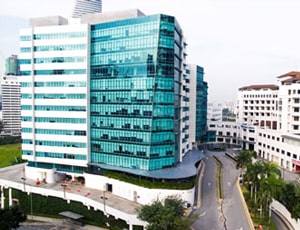
Prince Court Medical Centre provides specialised Hip Dysplasia Treatment with a focus on accurate hip assessment, joint-preserving treatment, advanced pediatric orthopedic techniques, and individualized long-term follow-up. Established in 2007, the MSQH accredited hospital is located in Kuala Lumpur, Malaysia and operates 277 beds, with modern orthopedic, imaging, surgical, and rehabilitation infrastructure.
Hip Dysplasia Treatment can help improve hip stability and alignment and may reduce the risk of progressive joint damage when appropriately managed. Treatment planning considers the patient's age, hip morphology, severity of dysplasia, degree of displacement, skeletal maturity, and previous interventions. A detailed evaluation using physical examination and age-appropriate imaging, such as ultrasound or X-ray, helps the orthopedic team determine whether conservative management, reduction, bracing, osteotomy, or another reconstructive approach is most suitable.
Kings College Hospital Dubai is a trusted healthcare provider for Hip Dysplasia Treatment, offering hip preservation and reconstruction supported by experienced orthopedic surgeons, pediatric orthopedic specialists, advanced imaging facilities, and multidisciplinary rehabilitation teams. Established in 2019, the JCI- accredited hospital is situated in Dubai, United Arab Emirates and has 100 beds.
Hip Dysplasia Treatment aims to improve the alignment and stability of the hip joint while supporting normal development and reducing abnormal stress on the joint. Treatment varies according to age and anatomical findings. In younger children, maintaining the femoral head within the acetabulum may allow the socket to develop more normally, while older children and adolescents with persistent structural abnormalities may require corrective osteotomy or other reconstructive procedures.
Parkway Pantai is a trusted healthcare provider for Hip Dysplasia Treatment, offering hip preservation and reconstruction supported by experienced orthopedic surgeons, pediatric orthopedic specialists, advanced imaging facilities, and multidisciplinary rehabilitation teams. Established in 1974, the JCI, MSQH- accredited hospital is situated in Kuala Lumpur, Malaysia and has 499 beds.
Hip Dysplasia Treatment aims to improve the alignment and stability of the hip joint while supporting normal development and reducing abnormal stress on the joint. Treatment varies according to age and anatomical findings. In younger children, maintaining the femoral head within the acetabulum may allow the socket to develop more normally, while older children and adolescents with persistent structural abnormalities may require corrective osteotomy or other reconstructive procedures.
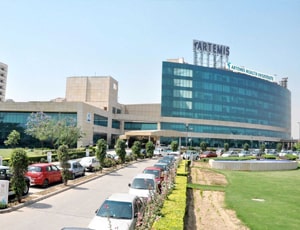
Artemis Health Institute offers advanced Hip Dysplasia Treatment using modern orthopedic techniques and individualized musculoskeletal care plans. Established in 2007, the JCI, NABH accredited hospital is located in Gurgaon, India and has 750 beds, providing comprehensive orthopedic care for local and international patients.
Hip Dysplasia Treatment is used to manage developmental dysplasia of the hip (DDH), a condition in which the hip joint does not develop normally and the femoral head may be unstable or improperly positioned within the acetabulum. Treatment depends on the patient's age, severity of dysplasia, hip stability, and stage of skeletal development. Options may include observation, bracing, closed reduction, or surgical procedures such as open reduction and pelvic or femoral osteotomy.
Sunway Medical Centre offers advanced Hip Dysplasia Treatment using modern orthopedic techniques and individualized musculoskeletal care plans. Established in 1999, the ACHS accredited hospital is located in Kuala Lumpur, Malaysia and has 724 beds, providing comprehensive orthopedic care for local and international patients.
Hip Dysplasia Treatment is used to manage developmental dysplasia of the hip (DDH), a condition in which the hip joint does not develop normally and the femoral head may be unstable or improperly positioned within the acetabulum. Treatment depends on the patient's age, severity of dysplasia, hip stability, and stage of skeletal development. Options may include observation, bracing, closed reduction, or surgical procedures such as open reduction and pelvic or femoral osteotomy.
Bangpakok 9 International Hospital is a trusted healthcare provider for Hip Dysplasia Treatment, offering hip preservation and reconstruction supported by experienced orthopedic surgeons, pediatric orthopedic specialists, advanced imaging facilities, and multidisciplinary rehabilitation teams. Established in 2003, the JCI, GHA- accredited hospital is situated in Bangkok, Thailand and has 300 beds.
Hip Dysplasia Treatment aims to improve the alignment and stability of the hip joint while supporting normal development and reducing abnormal stress on the joint. Treatment varies according to age and anatomical findings. In younger children, maintaining the femoral head within the acetabulum may allow the socket to develop more normally, while older children and adolescents with persistent structural abnormalities may require corrective osteotomy or other reconstructive procedures.
Medipol Bahçelievler Hospital is a trusted healthcare provider for Hip Dysplasia Treatment, offering hip preservation and reconstruction supported by experienced orthopedic surgeons, pediatric orthopedic specialists, advanced imaging facilities, and multidisciplinary rehabilitation teams. Established in 2022, the JCI- accredited hospital is situated in Istanbul, Turkey and has 441 beds.
Hip Dysplasia Treatment aims to improve the alignment and stability of the hip joint while supporting normal development and reducing abnormal stress on the joint. Treatment varies according to age and anatomical findings. In younger children, maintaining the femoral head within the acetabulum may allow the socket to develop more normally, while older children and adolescents with persistent structural abnormalities may require corrective osteotomy or other reconstructive procedures.
ParkCity Medical Centre offers advanced Hip Dysplasia Treatment using modern orthopedic techniques and individualized musculoskeletal care plans. Established in 2012, the JCI accredited hospital is located in Kuala Lumpur, Malaysia and has 300 beds, providing comprehensive orthopedic care for local and international patients.
Hip Dysplasia Treatment is used to manage developmental dysplasia of the hip (DDH), a condition in which the hip joint does not develop normally and the femoral head may be unstable or improperly positioned within the acetabulum. Treatment depends on the patient's age, severity of dysplasia, hip stability, and stage of skeletal development. Options may include observation, bracing, closed reduction, or surgical procedures such as open reduction and pelvic or femoral osteotomy.
NPISTANBUL Brain Hospital is a trusted healthcare provider for Hip Dysplasia Treatment, offering hip preservation and reconstruction supported by experienced orthopedic surgeons, pediatric orthopedic specialists, advanced imaging facilities, and multidisciplinary rehabilitation teams. Established in 2007, the JCI- accredited hospital is situated in Istanbul, Turkey and has 160 beds.
Hip Dysplasia Treatment aims to improve the alignment and stability of the hip joint while supporting normal development and reducing abnormal stress on the joint. Treatment varies according to age and anatomical findings. In younger children, maintaining the femoral head within the acetabulum may allow the socket to develop more normally, while older children and adolescents with persistent structural abnormalities may require corrective osteotomy or other reconstructive procedures.
Choosing Gleneagles Hospital Mumbai for Hip Dysplasia Treatment gives patients access to experienced orthopedic specialists, pediatric hip surgeons, advanced ultrasound and radiographic imaging, modern surgical facilities, and structured rehabilitation services. Established in 1996, the JCI accredited hospital in Mumbai, India has 450 beds and provides specialized hip and joint-preservation care.
Hip Dysplasia Treatment is individualized according to the patient's age, degree of hip instability, acetabular development, and response to previous treatment. Infants may be managed with a hip harness or brace, while patients requiring surgical correction may undergo closed reduction, open reduction, or bone realignment procedures. Follow-up imaging is used to monitor hip development, joint position, and treatment response, while rehabilitation supports mobility and functional recovery when appropriate.
At Subang Jaya Medical Centre, Hip Dysplasia Treatment is performed using specialised orthopedic and pediatric hip techniques with comprehensive clinical and imaging assessment. Established in 1985, this JCI accredited hospital in Kuala Lumpur, Malaysia has 442 beds and offers advanced pediatric orthopedic, joint preservation, and reconstructive services.
Hip Dysplasia Treatment may be considered when the hip joint is unstable, shallow, or inadequately developed. In infants, a harness or brace may be used to maintain the femoral head in the appropriate position while the hip develops. When non-surgical treatment is insufficient or the condition is diagnosed later, closed or open reduction may be required, sometimes combined with procedures to reshape the pelvic or femoral bones and improve joint stability.
Dubai, United Arab Emirates
At Zulekha Hospital Dubai, Hip Dysplasia Treatment is performed using specialised orthopedic and pediatric hip techniques with comprehensive clinical and imaging assessment. Established in 2004, this JCI accredited hospital in Dubai, United Arab Emirates has 179 beds and offers advanced pediatric orthopedic, joint preservation, and reconstructive services.
Hip Dysplasia Treatment may be considered when the hip joint is unstable, shallow, or inadequately developed. In infants, a harness or brace may be used to maintain the femoral head in the appropriate position while the hip develops. When non-surgical treatment is insufficient or the condition is diagnosed later, closed or open reduction may be required, sometimes combined with procedures to reshape the pelvic or femoral bones and improve joint stability.
At The London Clinic, Hip Dysplasia Treatment is performed using specialised orthopedic and pediatric hip techniques with comprehensive clinical and imaging assessment. Established in , this JCI accredited hospital in London, United Kingdom has 234 beds and offers advanced pediatric orthopedic, joint preservation, and reconstructive services.
Hip Dysplasia Treatment may be considered when the hip joint is unstable, shallow, or inadequately developed. In infants, a harness or brace may be used to maintain the femoral head in the appropriate position while the hip develops. When non-surgical treatment is insufficient or the condition is diagnosed later, closed or open reduction may be required, sometimes combined with procedures to reshape the pelvic or femoral bones and improve joint stability.
At Clinic Soukra, Hip Dysplasia Treatment is performed using specialised orthopedic and pediatric hip techniques with comprehensive clinical and imaging assessment. Established in 2003, this accredited hospital in Ariana, Tunisia has 120 beds and offers advanced pediatric orthopedic, joint preservation, and reconstructive services.
Hip Dysplasia Treatment may be considered when the hip joint is unstable, shallow, or inadequately developed. In infants, a harness or brace may be used to maintain the femoral head in the appropriate position while the hip develops. When non-surgical treatment is insufficient or the condition is diagnosed later, closed or open reduction may be required, sometimes combined with procedures to reshape the pelvic or femoral bones and improve joint stability.
Medical Park Usak Hospital is a trusted healthcare provider for Hip Dysplasia Treatment, offering hip preservation and reconstruction supported by experienced orthopedic surgeons, pediatric orthopedic specialists, advanced imaging facilities, and multidisciplinary rehabilitation teams. Established in 2013, the JCI- accredited hospital is situated in Usak, Turkey and has 106 beds.
Hip Dysplasia Treatment aims to improve the alignment and stability of the hip joint while supporting normal development and reducing abnormal stress on the joint. Treatment varies according to age and anatomical findings. In younger children, maintaining the femoral head within the acetabulum may allow the socket to develop more normally, while older children and adolescents with persistent structural abnormalities may require corrective osteotomy or other reconstructive procedures.
| Speciality | Orthopedics |
| Procedure | Hip Dysplasia Treatment |
| Success Rate | 85-95% |
| Recovery Time | 3-6 months |
| Treatment Time | 1-3 hours |
| Chances of Recurrence | Low |
Hip dysplasia treatment aims to correct the misalignment of the hip joint. Misalignment is a condition where the hip socket is shallow or improperly formed. In infants, non-surgical methods like Pavlik harnesses or hip abduction braces may be used to guide the hip joint into proper alignment. For older children and adults, surgical interventions such as hip arthroscopy or periacetabular osteotomy (PAO) are suggested by surgeons to reposition the hip joint. The procedure helps improve hip function and stability.
Medical conditions that can be treated through hip dysplasia treatment include developmental dysplasia of the hip (DDH) in infants and adolescents and acetabular dysplasia in adults.
In the case of single hip dysplasia, the patient can return to unrestricted activity usually within 3-6 months of the surgery. However, if the dysplasia is in both hips, the second surgery is usually scheduled a few weeks after the first one. The overall recovery may therefore take longer. Rehabilitation is strictly recommended after this surgery. Follow-up doctor appointments are a must. Patients are also recommended to increase weight-bearing activities slowly so as not to put unbearable pressure on the hip.
Living with hip dysplasia, where the hip joint doesn't form or work correctly, can be painful, limiting, and frustrating. For many adults, treatment, whether surgical or conservative, offers a chance not just to reduce pain