Browse verified doctors or let our care team help you find the doctor best suited to your condition, treatment goals, and budget.

Mount Elizabeth Novena Hospital offers advanced hip resurfacing surgery using the latest joint-preserving orthopedic techniques and contemporary medical guidelines. The hospital, founded in the year 2012, is a JCI accredited hospital located in the city of Novena, Singapore, and has 313 number of available beds in addition to providing complete orthopedic care for both residents and patients from abroad.
The purpose of hip resurfacing surgery is to relieve pain and restore normal function of the hip joint while preserving as much natural bone as possible compared with conventional total hip replacement procedures. In this procedure, the surfaces of the diseased hip joint are reconfigured and covered with metal components.
Gleneagles Hospital offers hip resurfacing surgery through cutting-edge surgical procedures along with evidence-based orthopedic treatment. Established in 1959, the JCI certified hospital located in Singapore, Singapore, has a capacity of 258 beds and serves both domestic and international patients.
The hip resurfacing procedure involves shaping the deformed femoral head and placing a smooth metal surface on it, thereby replacing the damaged socket with an artificial one. By preserving a greater part of the natural femural bone, hip resurfacing can provide an effective solution for selected patients. Only after the expert has checked the quality of the bone, the degree of activity, the degree of damage, and the patient's health status would the treatment be recommended.
Parkway East Hospital offers hip resurfacing surgery through cutting-edge surgical procedures along with evidence-based orthopedic treatment. Established in 1942, the JCI certified hospital located in Singapore, Singapore, has a capacity of 143 beds and serves both domestic and international patients.
The hip resurfacing procedure involves shaping the deformed femoral head and placing a smooth metal surface on it, thereby replacing the damaged socket with an artificial one. By preserving a greater part of the natural femural bone, hip resurfacing can provide an effective solution for selected patients. Only after the expert has checked the quality of the bone, the degree of activity, the degree of damage, and the patient's health status would the treatment be recommended.
At Farrer Park Hospital, individuals in need of Hip Resurfacing Surgery can receive it together with high-quality orthopedic care given the experience of joint specialists. 2016 saw the emergence of this accredited medical facility, situated in Singapore, Singapore, with a total of 220 beds available to patients.
Hip resurfacing includes exchanging the affected areas of the hip while retaining the femoral head. This is a good alternative for certain patients who suffer from severe hip arthritis or significant joint impairment. Before proceeding with the operation, appropriate imaging and clinical evaluation are used to assess the condition of the bones and joints.

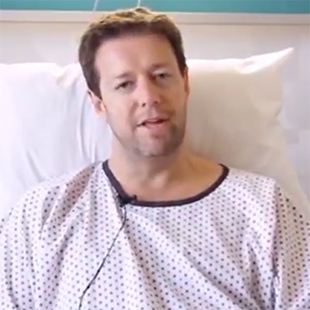
Kevin Stewart from Scotland could barely walk straight due to a Slip Disc. He faced many discomforts for the past 2 years and eventually had…

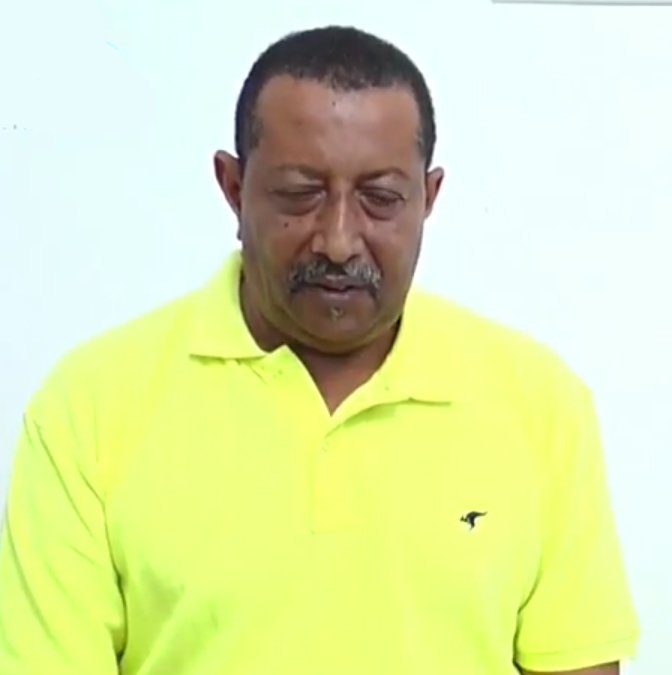
Mr. Muhammed Dumia was suffering from painful left Knee and was in considerable pain for the last 2 months. He eventually underwent Knee Replacement Surgery…
| Speciality | Orthopedics |
| Procedure | Hip Resurfacing Surgery |
| Success Rate | 80-90% |
| Recovery Time | 3-6 months |
| Treatment Time | 1-2 hours |
| Chances of Recurrence | Low |
Hip resurfacing surgery is a procedure in which surgeons reshape the damaged surface of the hip joint and cap it with a metal covering. Hip resurfacing, unlike hip replacement procedures, actually preserves more of the patient's natural bone.
Medical conditions that can be treated through hip resurfacing surgery include hip arthritis, osteoarthritis, and avascular necrosis. Candidates for this surgery are typically younger and more active individuals with good bone quality.
The recovery process after hip resurfacing surgery involves a period of rest and rehabilitation. Patients may need to use crutches or walkers initially and gradually transition to walking with support. Physical therapy is recommended to regain strength, flexibility, and mobility. Full recovery can take 2-4 weeks, and it is important to follow the post-surgery guidelines and exercises recommended by the healthcare provider to ensure successful outcomes.
The ranking of hospitals according to the procedure is determined by a variety of parameters. Some of the major factors for ranking the hospitals for Hip Resurfacing Surgery in Singapore are Availability of the Procedure, Popularity of the procedure & hospital, Infrastructure, Pricing structure, Experienced Medical Professionals, Technology Employed, Facilities Available for the Patients & Visitors, Success Rate of the Hospital.
Your health is a top priority for MediGence, and we make sure you get it effortlessly. We keep your health a priority and make sure you receive a hassle-free medical journey with some unmatched benefits & services. Our value-based services include airport transfers, accommodation, 24/7 assistance, Virtual consultation, case manager, and prenegotiated treatment packages with upto a 30% discount. To help you receive top-notch medical treatment, we also provide a number of additional benefits.
Yes, it's simple to do that. To schedule your online consultation with the specialist, you can reach one of our patient counselors. They will finalize your appointment after confirming the doctor's availability and sending the payment link.
Singapore is becoming a prime destination for many people across the world for Hip Resurfacing Surgery because of high success rates and modern infrastructure. Other factors that contribute to Singapore being the best choice for Hip Resurfacing Surgery include:
The length of recovery after treatment is determined by the patient's overall health as well as the criticality of the treatment. The length of the patient's recovery is also greatly influenced by other variables, such as their continued participation in rehabilitation sessions and postoperative care appointments. To speed up recovery, it is advised that the patient maintain regular contact with their surgeon for a few months after surgery.