Browse verified doctors or let our care team help you find the doctor best suited to your condition, treatment goals, and budget.

Arab Medical Center offers specialised Macular Degeneration Treatment using modern diagnostic imaging and established retinal treatment protocols. Established in 1997, the JCI accredited hospital is situated in Amman, Jordan, with 243 beds, serving local and international patients.
Macular degeneration treatment aims to slow disease progression and preserve or improve useful vision where possible. Depending on the type of AMD, treatment may include anti-VEGF injections, photodynamic therapy, selected laser procedures, or medical management and monitoring. A detailed retinal examination, OCT imaging, and assessment of visual function help the ophthalmologist develop an individualised treatment plan.
With advanced retinal care infrastructure, Ara Damansara Medical Centre offers Macular Degeneration Treatment for patients experiencing vision changes associated with age-related macular degeneration. Established in 2012, the JCI, MSQH accredited hospital is located in Kuala Lumpur, Malaysia, and has 220 beds.
The treatment approach depends on whether the patient has dry or wet AMD. Wet disease is commonly managed with anti-VEGF injections, while selected patients with specific forms of dry AMD may be considered for newer medical therapies where available. Regular retinal imaging and vision assessment help monitor disease progression and treatment response.
With advanced retinal care infrastructure, Medeor Hospital offers Macular Degeneration Treatment for patients experiencing vision changes associated with age-related macular degeneration. Established in 2007, the NABH, NABL accredited hospital is located in Delhi, India, and has 100 beds.
The treatment approach depends on whether the patient has dry or wet AMD. Wet disease is commonly managed with anti-VEGF injections, while selected patients with specific forms of dry AMD may be considered for newer medical therapies where available. Regular retinal imaging and vision assessment help monitor disease progression and treatment response.
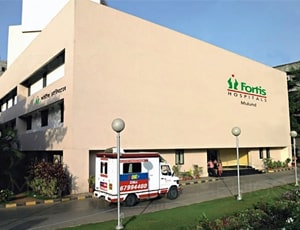
Fortis Hospital, Mulund offers specialised Macular Degeneration Treatment using modern diagnostic imaging and established retinal treatment protocols. Established in 2002, the JCI, NABH accredited hospital is situated in Mumbai, India, with 315 beds, serving local and international patients.
Macular degeneration treatment aims to slow disease progression and preserve or improve useful vision where possible. Depending on the type of AMD, treatment may include anti-VEGF injections, photodynamic therapy, selected laser procedures, or medical management and monitoring. A detailed retinal examination, OCT imaging, and assessment of visual function help the ophthalmologist develop an individualised treatment plan.
Manipal Hospital, Hebbal offers advanced Macular Degeneration Treatment using modern retinal care techniques and internationally accepted treatment protocols. Established in 1991, the NABL, NABH accredited hospital is located in Bangalore, India, with 280 beds, providing comprehensive ophthalmic care for local and international patients.
Treatment for macular degeneration depends on whether the condition is dry or wet age-related macular degeneration (AMD), as well as its severity. Wet AMD may be treated with anti-VEGF injections, while selected advanced cases may require laser or other retinal procedures. Detailed retinal imaging, including OCT, helps the ophthalmologist assess disease activity and plan treatment.
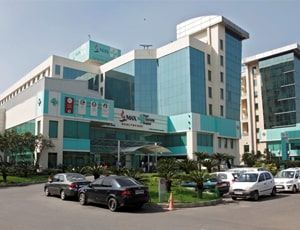
Max Super Speciality Hospital, Saket provides specialised Macular Degeneration Treatment using contemporary retinal technologies and evidence-based ophthalmic care. Founded in 2006, the JCI, NABH accredited hospital is based in Delhi, India, with 539 beds and services for domestic and international patients.
Treatment is tailored to the type and stage of macular degeneration. For wet AMD, intravitreal anti-VEGF medicines can help reduce abnormal blood vessel growth and fluid leakage in the retina. Selected patients may also require photodynamic therapy or other retinal interventions. Before treatment, specialists perform OCT scans and detailed retinal examinations.
Gurgaon, India
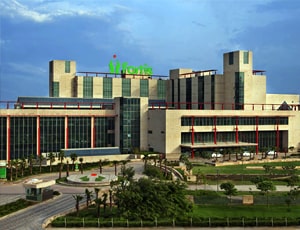
With advanced retinal care infrastructure, Fortis Memorial Research Institute offers Macular Degeneration Treatment for patients experiencing vision changes associated with age-related macular degeneration. Established in 2013, the JCI, NABH, NABL accredited hospital is located in Gurgaon, India, and has 311 beds.
The treatment approach depends on whether the patient has dry or wet AMD. Wet disease is commonly managed with anti-VEGF injections, while selected patients with specific forms of dry AMD may be considered for newer medical therapies where available. Regular retinal imaging and vision assessment help monitor disease progression and treatment response.
At Asian Institute of Medical Sciences, patients can access advanced Macular Degeneration Treatment supported by modern retinal imaging and experienced ophthalmologists. Established in 2010, the NABL, NABH accredited hospital is located in Faridabad, India, and has 425 beds.
Macular degeneration affects the central part of the retina and can gradually impair central vision. Treatment may include anti-VEGF injections for wet AMD, photodynamic therapy in selected cases, or monitoring and nutritional management for certain forms of dry AMD. Comprehensive retinal evaluation and OCT imaging help determine the most appropriate treatment approach.
At Manipal Hospitals Goa, Dona Paula, patients can access advanced Macular Degeneration Treatment supported by modern retinal imaging and experienced ophthalmologists. Established in 1994, the NABH accredited hospital is located in Panjim, India, and has 235 beds.
Macular degeneration affects the central part of the retina and can gradually impair central vision. Treatment may include anti-VEGF injections for wet AMD, photodynamic therapy in selected cases, or monitoring and nutritional management for certain forms of dry AMD. Comprehensive retinal evaluation and OCT imaging help determine the most appropriate treatment approach.
With advanced retinal care infrastructure, Fortis Hospital offers Macular Degeneration Treatment for patients experiencing vision changes associated with age-related macular degeneration. Established in 2006, the JCI, NABH accredited hospital is located in Mohali, India, and has 276 beds.
The treatment approach depends on whether the patient has dry or wet AMD. Wet disease is commonly managed with anti-VEGF injections, while selected patients with specific forms of dry AMD may be considered for newer medical therapies where available. Regular retinal imaging and vision assessment help monitor disease progression and treatment response.
Eregli Anadolu Hospital offers advanced Macular Degeneration Treatment using modern retinal care techniques and internationally accepted treatment protocols. Established in 1998, the JCI accredited hospital is located in Zonguldak, Turkey, with 75 beds, providing comprehensive ophthalmic care for local and international patients.
Treatment for macular degeneration depends on whether the condition is dry or wet age-related macular degeneration (AMD), as well as its severity. Wet AMD may be treated with anti-VEGF injections, while selected advanced cases may require laser or other retinal procedures. Detailed retinal imaging, including OCT, helps the ophthalmologist assess disease activity and plan treatment.
Riyadh Care Hospital offers advanced Macular Degeneration Treatment using modern retinal care techniques and internationally accepted treatment protocols. Established in 1990, the JCI accredited hospital is located in Riyadh, Saudi Arabia, with 325 beds, providing comprehensive ophthalmic care for local and international patients.
Treatment for macular degeneration depends on whether the condition is dry or wet age-related macular degeneration (AMD), as well as its severity. Wet AMD may be treated with anti-VEGF injections, while selected advanced cases may require laser or other retinal procedures. Detailed retinal imaging, including OCT, helps the ophthalmologist assess disease activity and plan treatment.
Taoufik Clinique offers specialised Macular Degeneration Treatment using modern diagnostic imaging and established retinal treatment protocols. Established in 1979, the ISO accredited hospital is situated in Tunis, Tunisia, with 180 beds, serving local and international patients.
Macular degeneration treatment aims to slow disease progression and preserve or improve useful vision where possible. Depending on the type of AMD, treatment may include anti-VEGF injections, photodynamic therapy, selected laser procedures, or medical management and monitoring. A detailed retinal examination, OCT imaging, and assessment of visual function help the ophthalmologist develop an individualised treatment plan.
With advanced retinal care infrastructure, Care national Hospital offers Macular Degeneration Treatment for patients experiencing vision changes associated with age-related macular degeneration. Established in 2003, the JCI accredited hospital is located in Riyadh, Saudi Arabia, and has 460 beds.
The treatment approach depends on whether the patient has dry or wet AMD. Wet disease is commonly managed with anti-VEGF injections, while selected patients with specific forms of dry AMD may be considered for newer medical therapies where available. Regular retinal imaging and vision assessment help monitor disease progression and treatment response.
With advanced retinal care infrastructure, Baskent University Istanbul Hospital offers Macular Degeneration Treatment for patients experiencing vision changes associated with age-related macular degeneration. Established in 1993, the JCI, ISO accredited hospital is located in Istanbul, Turkey, and has 144 beds.
The treatment approach depends on whether the patient has dry or wet AMD. Wet disease is commonly managed with anti-VEGF injections, while selected patients with specific forms of dry AMD may be considered for newer medical therapies where available. Regular retinal imaging and vision assessment help monitor disease progression and treatment response.
| Speciality | Ophthalmology |
| Procedure | Macular Degeneration Surgery |
| Success Rate | Varies by condition |
| Recovery Time | Several weeks to several months |
| Treatment Time | 2-3 hours |
| Chances of Recurrence | Varies by condition |
Macular degeneration surgery is also known as macular translocation or macular hole repair. The surgery aims to restore or improve central vision by repositioning the macula, the central part of the retina responsible for sharp vision. In macular translocation, the surgeon detaches the macula from the underlying layers of the eye and repositions it to a healthier area. This relocation can be done using various techniques, such as sutures or retinal tacks. By moving the macula away from the damaged area, the surgery can potentially improve vision and reduce the impact of AMD on central vision.
The surgery is performed to treat certain forms of age-related macular degeneration (AMD). The surgery aims to treat specific complications associated with AMD, such as macular holes or areas of damage in the macula.
After macular degeneration surgery, patients can expect a period of recovery to allow the eye to heal. The recovery process typically involves some discomfort, redness, and sensitivity in the treated eye. Vision may be blurry initially, but it improves gradually over time. Patients are advised to rest and avoid strenuous activities for a few weeks. They may need to use eye drops as prescribed to prevent infection and reduce inflammation. Regular follow-up visits with the ophthalmologist are recommended. Overall, the recovery may take 3-4 weeks.