Your Notifications
All done, no notifications

Best Hospitals for Ophthalmology in India

58 Hospitals


BLK-Max Super Speciality Hospital in India offers state-of-the-art ophthalmology services for various eye ailments. Diagnosing and treating cataracts, glaucoma, corneal disease, retinal disorders, and uveitis are the strengths of the ophthalmology department. It offers subspecialties like oculoplasty, pediatric ophthalmology, and refractive surgery like LASIK. With cutting-edge diagnostic methods like ocular ultrasonography, fluorescein angiography, and SD-OCT, the hospital is at the forefront of ophthalmology in India. The hospital provides comprehensive eye care appropriate for the diverse needs of patients across India because of its expertise in surgical retinal procedures like retinal detachment surgery and intravitreal injections.


    Accreditation
  • Joint Commission International, or JCI
  • National Accreditation Board for Hospitals & Healthcare Providers (NABH)

Please Enquire

Required | alphabets and spaces
Required | A valid, working email address
Required | A valid contact
Average


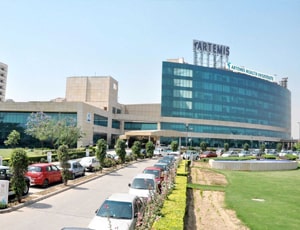
The Ophthalmology Department at Artemis Health Institute Hospital in India is the medical department that deals with eyes, visual impairments, eye diseases, and ocular organs. Its fields include treating refractive vision disorders (myopia and hyperopia), cataracts, glaucoma, diabetic eye disease (retinopathy), macula failure, and eye damage.

Ocular tests are performed using slit-lamp tests, fundus photography, optical coherence tomography (OCT), and an individual's visual field assessment. Treatment ranges from eyeglasses and medication to laser therapy and surgery, like cataract surgery, LASIK, corneal transplant, and retinal surgery in India. Eye care or ophthalmology for children treats strabismus, amblyopia, and congenital cataracts; neuro-ophthalmology links visual problems with neurological disorders.


Popular Procedures
    Accreditation
  • Joint Commission International, or JCI
  • National Accreditation Board for Hospitals & Healthcare Providers (NABH)
Average


The Ophthalmology Department at Medanta-The Medicity (JCI and NABH-accredited) in India is a medical department specialising in the eyes, visual impairments, eye diseases, and ocular organs. The fields include treating refractive vision disorders (myopia and hyperopia), cataract, glaucoma, diabetic eye disease (retinopathy), macula failure, and eye damage. Ocular tests are performed by slit-lamp tests, fundus photography, optical coherence tomography (OCT), and an individual's visual field assessment.

Treatment ranges from eyeglasses and medication to laser therapy and surgery, like cataract surgery, LASIK, corneal transplant, and retinal surgery. Eye care, also known as ophthalmology, treats conditions such as strabismus, amblyopia, and congenital cataracts in children. Neuro-ophthalmology, on the other hand, examines the relationship between visual problems and neurological disorders.


    Accreditation
  • Joint Commission International, or JCI
  • National Accreditation Board for Hospitals & Healthcare Providers (NABH)
Average

Gleneagles Hospital offers comprehensive ophthalmology services, including preventive screenings, medical treatments, and advanced surgical procedures for various eye conditions. Their experienced ophthalmologists use advanced technology such as the Femtosecond Laser System for bladeless cataract surgery, enhancing precision and recovery. Services include treatment for glaucoma, corneal disorders, retinal detachment, and vision correction procedures like corneal reshaping and corneal transplants. The hospital also provides oculoplastic and ocular oncology services for cosmetic and reconstructive eye surgeries and tumour management. Gleneagles ensures high-quality, specialised eye care for optimal visual health and outcomes with advanced diagnostic tools and a patient-focused approach.

Gleneagles Hospitals, India, is accredited by JCI, reflecting international patient care and safety standards.


    Accreditation
  • Joint Commission International, or JCI

The Max Super Speciality Hospital in Vaishali, Ghaziabad, provides complete ophthalmology services, treating various eye disorders using cutting-edge diagnostic and therapeutic technologies.

The hospital's ophthalmology department specialises in treating refractive errors, cataracts, glaucoma, retinal abnormalities, diabetic eye problems, ptosis, squint, and uveitis. The hospital's state-of-the-art facilities, which include state-of-the-art surgical and diagnostic technologies, guarantee precise diagnosis and efficient treatment. The talented team of ophthalmologists concentrates on providing individualised care using medical and surgical techniques, including cutting-edge laser treatments.

Max Super Speciality Hospital is a reputable option for eye care. It is dedicated to professional excellence and patient safety and provides top-notch services for patients of all ages.


    Accreditation
  • National Accreditation Board for Testing and Calibration Laboratories (NABL)
  • National Accreditation Board for Hospitals & Healthcare Providers (NABH)

Please Enquire

Required | alphabets and spaces
Required | A valid, working email address
Required | A valid contact
Average

Max Hospital (Gururgram) in India is widely respected for its advanced ENT (Otorhinolaryngology) services. The hospital’s ENT department provides expert care for conditions affecting the ears, nose, throat, head, and neck. Equipped with modern tools like otoendoscopy, nasal endoscopy, and videolaryngostroboscopy, the ENT team ensures accurate diagnosis and effective treatment. Specialised services include audiology, neurotology, and tailored vertigo management using VEMP, ABR, and electronystagmography. The ENT department works closely with other specialities to offer holistic care.

With its skilled professionals and commitment to patient well-being, Max Hospital’s ENT department is a leading choice for comprehensive ENT care in India.The hospital is affiliated with international medical partners to uphold global standards in patient care and clinical excellence.


    Accreditation
  • ISO 9001
  • National Accreditation Board for Hospitals & Healthcare Providers (NABH)

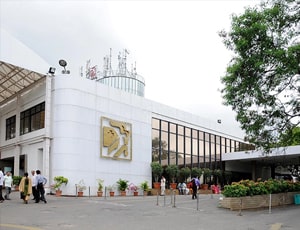
The Indraprastha Apollo Hospital's Ophthalmology Department in Delhi provides cutting-edge eye care services for various ailments, from simple vision correction to complex eye procedures. The department's areas of expertise include corneal transplants, retinal problems, glaucoma treatment, cataract surgery, and pediatric eye care.

The hospital offers state-of-the-art procedures like laser-assisted cataract surgery, vitreoretinal surgery, and refractive surgery because it is outfitted with laser equipment and diagnostic imaging instruments. A group of skilled ophthalmologists, optometrists, and support personnel provides comprehensive care with an emphasis on prevention and treatment. The hospital is a reliable source for eye care because it is accredited by JCI and NABL, guaranteeing the highest standards in clinical performance, patient safety, and healthcare quality.

    Accreditation
  • Joint Commission International, or JCI
Apollo Hospitals: Top Doctors, and Reviews

Hyderabad, India

Average
Average


The Ophthalmology Department at Apollo Hospitals (NABH and JCI-accredited) Hospitals in India is the medical department that deals with eyes, visual impairments, eye diseases, and ocular organs. Its fields include treating refractive vision disorders (myopia and hyperopia), cataracts, glaucoma, diabetic eye disease (retinopathy), macula failure, and eye damage. Ocular tests are performed using slit-lamp tests, fundus photography, optical coherence tomography (OCT), and an individual's visual field assessment.

Treatment ranges from eyeglasses and medication to laser therapy and surgery, like cataract surgery, LASIK, corneal transplant, and retinal surgery. Eye care, also known as ophthalmology, treats conditions such as strabismus, amblyopia, and congenital cataracts in children. Neuro-ophthalmology, on the other hand, examines the relationship between visual problems and neurological disorders.


    Accreditation
  • Joint Commission International, or JCI
Average


The Ophthalmology Department at Sterling Wockhardt Hospital in India is the medical department that deals with the eyes, visual impairments, eye diseases, and ocular organs. Its fields include treating refractive vision disorders (myopia and hyperopia), cataracts, glaucoma, diabetic eye disease (retinopathy), macula failure, and eye damage. Ocular tests are performed using slit-lamp tests, fundus photography, optical coherence tomography (OCT), and an individual's visual field assessment in the ophthalmology department.

Treatment ranges from eyeglasses and medication to laser therapy and surgery, like cataract surgery, LASIK, corneal transplant, and retinal surgery. Ophthalmology for children treats strabismus, amblyopia, and congenital cataracts; neuro-ophthalmology links visual problems with neurological disorders in India.


    Accreditation
  • National Accreditation Board for Testing and Calibration Laboratories (NABL)

Please Enquire

Required | alphabets and spaces
Required | A valid, working email address
Required | A valid contact
Global Health City: Top Doctors, and Reviews

Chennai, India

Average
Average
Awards
  • Global Health City won the award for Best Hospital for Cardiology in Tamil Nadu at the 2021 India Today Healthcare Awards.
  • The award for Best Hospital for Oncology in Chennai was given to Global Health City at the 2020 Times Healthcare Achievers Chennai Awards.
  • Global Health City won the award for Best Multi-Specialty Hospital in South India at the 2019 Global Health and Travel Awards.
  • Global Health City won the award for Best Hospital for Neurology in Chennai at the 2018 Times Healthcare Achievers Chennai Awards.
  • The award for Best Hospital for Cardiology in India was given to Global Health City at the 2017 National Awards for Excellence in Healthcare.

    Accreditation
  • National Accreditation Board for Hospitals & Healthcare Providers (NABH)
  • National Accreditation Board for Testing and Calibration Laboratories (NABL)
Average

The Ophthalmology Department at Venkateshwar Hospital in India is the medical department that deals with the eyes, visual impairments, eye diseases, and ocular organs. Its fields include treating refractive vision disorders (myopia and hyperopia), cataracts, glaucoma, diabetic eye disease (retinopathy), macula failure, and eye damage. Ocular tests are performed using slit-lamp tests, fundus photography, optical coherence tomography (OCT), and an individual's visual field assessment in the ophthalmology department.

Treatment ranges from eyeglasses and medication to laser therapy and surgery, like cataract surgery, LASIK, corneal transplant, and retinal surgery. Ophthalmology for children treats strabismus, amblyopia, and congenital cataracts; neuro-ophthalmology links visual problems with neurological disorders. Preventive checkups detect vision disorders early, especially in diabetics and the elderly in India.


    Accreditation
  • National Accreditation Board for Testing and Calibration Laboratories (NABL)
  • National Accreditation Board for Hospitals & Healthcare Providers (NABH)

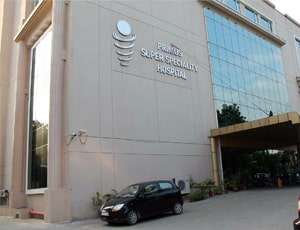
Comprehensive, high-quality eye care is provided at Primus Super Speciality Hospital in India, to preserve and improve vision through advanced medical treatment and cutting-edge technology. Eye examinations and diagnoses, as well as routine and complex surgical procedures, are among the services available at the Eye Care Centre.

The hospital has experienced ophthalmologists in Delhi who deliver individualised, high-quality treatment for eye diseases (cataract, glaucoma, and others). The hospital works diligently to detect eye disease as early as possible and develop a customised treatment plan for the best possible outcome. It utilises some of the most advanced diagnostic technology available today, including Optical Coherence Tomography (OCT), and modern surgical techniques to ensure successful care for all patients with eye disease.


    Accreditation
  • National Accreditation Board for Hospitals & Healthcare Providers (NABH)
Awards
  • Best Hospital for Patient Safety - 2021: Nanavati Super Speciality Hospital was awarded the Best Hospital for Patient Safety at the 2021 Healthcare Asia Awards.
  • Best Hospital for Neurology - 2020: The award for Best Hospital for Neurology was given to Nanavati Super Speciality Hospital at the 2020 India Today Healthcare Awards.
  • Best Hospital for Oncology - 2019: Nanavati Super Speciality Hospital was awarded the Best Hospital for Oncology at the 2019 Times Health Excellence Awards.
  • Best Hospital for Cardiac Care - 2018: The award for Best Hospital for Cardiac Care was given to Nanavati Super Speciality Hospital at the 2018 India Today Healthcare Awards.
  • Best Hospital for Orthopedics - 2017: Nanavati Super Speciality Hospital was awarded the Best Hospital for Orthopedics at the 2017 Times Health Awards.

    Accreditation
  • National Accreditation Board for Hospitals & Healthcare Providers (NABH)

Please Enquire

Required | alphabets and spaces
Required | A valid, working email address
Required | A valid contact


The Ophthalmology Department at Max Super Speciality Hospital (Patparganj) in India is dedicated to diagnosing and treating eye diseases and visual impairments. Treated conditions include cataracts, glaucoma, macular degeneration, diabetic retinopathy, dry eyes, and refractive errors such as myopia and astigmatism.

Treatments range from uncomplicated corrective lenses to more complex procedures, such as cataract removal, corneal transplants, and LASIK. Specialised diagnostic testing, such as OCT, fundus photography, and visual field tests, helps detect retinal and optic nerve diseases early. In India, pediatric ophthalmology addresses birth defects and strabismus, commonly referred to as lazy eyes. Subspecialities of retina and cornea treat diseases that risk vision.


    Accreditation
  • National Accreditation Board for Hospitals & Healthcare Providers (NABH)
  • National Accreditation Board for Testing and Calibration Laboratories (NABL)
Average


The Ophthalmology Department at Tx Hospitals Banjara Hills in India is committed to diagnosing and treating eye disease and visual impairment. Treated conditions include cataracts, glaucoma, macular degeneration, diabetic retinopathy, dry eyes, and refractive errors such as myopia and astigmatism.

Treatments vary from uncomplicated corrective lenses to elaborate operations like cataract removal, corneal transplants, and LASIK. Specialised diagnostic testing, such as OCT, fundus photography, and visual field tests, helps detect retinal and optic nerve diseases early. In India, pediatric ophthalmology deals with birth defects and lazy eyes. Subspecialities of retina and cornea treat diseases that risk vision.


    Accreditation
  • Joint Commission International, or JCI
  • National Accreditation Board for Hospitals & Healthcare Providers (NABH)

Ask your healthcare adviser for the best multiple options and choose the one that meets your expectations

Request for an Expert Opinion

Required | alphabets and spaces
Required | A valid, working email address
Required | A valid contact

Featured Telemedicine Doctors

Ophthalmology treatments, such as corneal transplants, Vitrectomy, Macular Degeneration Surgery, and LASIK, are highly effective, with many patients experiencing remarkable results. These advanced treatments are available at a fraction of the cost compared to many other countries, while maintaining high standards of care.

Hospitals offering these services prioritise your comfort, ensuring timely appointments, accurate diagnoses, and thorough post-surgery follow-ups. Personalised assistance is available for international patients, including help with travel arrangements, accommodation, and language support, making the process smoother and less stressful. It’s more than just medical care; it’s about a compassionate, supportive experience throughout your journey.

Why Choose Ophthalmology Hospitals in India?

The following are the reasons to choose an Ophthalmology Hospital in India:-

  • Expert Eye Specialists: Indian hospitals have highly trained ophthalmologists with experience handling complex and straightforward eye conditions.
  • Advanced Technology: Hospitals utilise modern equipment, ranging from LASIK to retinal surgeries, to ensure precise diagnosis and treatment.
  • Affordable Care: Treatments in India cost significantly less than in many Western countries, without compromising quality.
  • Shorter Waiting Times: Quick scheduling means you get the care you need without long delays.
  • International Patient Support: Many hospitals assist with visas, travel, accommodations, and language services to ensure a seamless patient journey.
  • Comprehensive Services: You can access various treatments, including corneal transplants, Vitreotomies, Macular Degeneration Surgeries, and LASIK, all under one roof.

Common Ophthalmology Treated

International Patient Support for Ophthalmology in India

India’s leading Ophthalmology hospitals offer specialised services to ensure a smooth, comfortable experience for international patients:

  • Pre-arrival Consultation: Obtain expert opinions and receive clear treatment plans before your hospital visit.
  • Visa and Travel Assistance: Support with visa processing, travel arrangements, and airport pickup.
  • Language Support: Access to translators and interpreters for smooth communication with medical staff.
  • Personalised Care Coordinators: Dedicated staff to assist with all aspects of your care, from admission to recovery.
  • Accommodation Support: Assistance with booking nearby accommodations to ensure comfort during your stay.
  • Post-Surgery Follow-up: Continuous support after treatment, including online consultations and recovery guidance.

Patient Stories

Get Insight with our Blogs

Mr. Yaya Affi Underwent Cornea Transplant at Aakash Healthcare, Dwarka, New Delhi, India
Patient Stories

Mr. Yaya Affi Underwent Cornea Transplant at Aakash Healthcare, Dwarka, New Delhi, India

I am quite pleased with the attending physician. I am satisfied with the exceptional care provided by the physicians and nurses of Aakash Healthcare Hospital. Additionally, I am quite happy with the services that MediGence offers.

Published: 19 Oct, 2023
Updated: 29 Jan, 2026

Frequently Asked Questions

Q. What healthcare accreditation standards are followed in India for ophthalmology hospitals?
  • National Accreditation Board for Hospitals and Healthcare Providers (NABH)
  • Joint Commission International (JCI)
  • Indian Medical Association (IMA)
  • Quality Council of India (QCI)
  • ISO Certification
  • All India Ophthalmological Society (AIOS)
Which are the popular multispecialty hospitals for ophthalmology treatment in India?

India is home to several sizeable multispecialty care hospitals that offer first-class care. Many of these are reputed for their facilities and the staff's skill set for ophthalmology procedures. Some of the healthcare facilities are:

What makes a hospital the best ophthalmology hospital in India?

The best ophthalmology hospitals in India are staffed with fully experienced surgeons, equipped with modern techniques, and a fully accredited, patient-friendly hospital. LASIK, cataract surgery, retina treatments, advanced diagnostic imaging, and robotic surgery are available at these facilities. The latest health care offers detailed medical care in managing various eye conditions and treatment plans, including emotional and psychological support.

Why should one opt for an ophthalmology hospital in India?

There are several reasons for choosing an ophthalmology hospital in India as people would always prefer to go for quality treatment, use of modern technology, reasonable charges, and most importantly, availability of therapy through professional and efficient surgeons. Here are some key reasons why you should consider ophthalmology treatment in India:

  • World-Class Medical Facilities
  • Highly Skilled Ophthalmology Doctors
  • Comprehensive Treatments
  • Affordable Healthcare
  • Accredited Hospitals
  • Multilingual Support
  • High Success Rates
  • Shorter Waiting Times
  • Post-Treatment Follow-Up
  • Holistic Patient Care
What factors should you consider when choosing an ophthalmology hospital in India?

There are specific points to be considered while deciding about the hospital where one has to admit oneself for ophthalmology treatment in India. These include:

  • Reputation and Accreditation
  • Experienced and Qualified Ophthalmology Doctors
  • Technology and Facilities
  • Range of Services Offered
  • Patient Care and Support
  • Cost of Treatment
  • Patient Reviews and Testimonials
  • International Patient Services
  • Location and Accessibility
  • Success Rates and Outcomes
  • Aftercare and Follow-up
  • Specialisation in ophthalmology subfields
What services are available for international patients in ophthalmology hospitals in India?

Hospitals in India that specialise in ophthalmology treatment have the following services aimed at helping international patients. Some of the key services available include:

  • Medical Visa Assistance
  • Airport Pickup and Drop
  • Language Support
  • Telemedicine Consultations
  • Customised Treatment Plans
  • Medical Second Opinion
  • Expert Ophthalmology Doctors and Specialized Care
  • Advanced Medical Treatments
  • Post-Surgery Care and Rehabilitation
  • Privacy and Confidentiality
Does ophthalmology treatment in India provide pre-and post-operative care?

Yes, an ophthalmology hospital in India consists of pre-and post-operative care so patients can get effective treatment and surgery.

Pre-Operative Care-

  • Detailed Consultation and Diagnosis
  • Blood Examinations and Testing
  • Personalised Treatment Plan
  • Patient Education
  • Pre-Surgery Instructions
  • Psychological Support

Post-Operative Care-

  • Immediate Monitoring
  • Pain Management
  • Wound Care
  • Monitoring Complications
  • Nutritional Support
  • Follow-up Consultations
  • Psychological Support
  • Physiotherapy and Rehabilitation
  • Medication Management
  • Home Care Education
What is ophthalmology?

Ophthalmology is the faculty of medicine that deals with illnesses affecting the eyes and nerves of vision. It embraces the examination, treatment, and prevention of eye ailments.

What diagnostic services are available for ophthalmology hospitals in India?

Diagnostic services required for ophthalmology treatments:

  • Eye Examinations
  • Visual Acuity Test
  • Tonometry
  • Slit-lamp Examination
  • Fundus Photography
  • OCT (Optical Coherence Tomography)
  • Fluorescein Angiography
How is the quality of ophthalmology doctors in India?

The kind of ophthalmology doctors in India depends on factors that include education and training, medical facilities, medical service delivery and overall health status. Many developed countries with higher health standards also have proficient Eye specialists, efficient technology, and stringent health standards to warrant the best Examination. Regarding service quality, the availability and utilisation of ophthalmology services are also problems in rural and urban areas.

What is the duration of stay in an ophthalmology hospital in India?

The time that one might spend in the hospital depends on the procedure. All ophthalmology hospitals have provisions to conduct a procedure in a few hours and admit a patient if necessary. Basic procedures such as cataract surgery, laser eye operations, or even dental surgery are same-day operations which do not require admission. In more complicated operations, for which eyes may become affected due to glaucoma or retinal issues, the patient may need to stay in the hospital for some time.

What are the latest treatment techniques available for ophthalmology treatment in India?

The current advancement in treatment procedures makes it probable for ophthalmology treatment in India to use the newest and most efficient treatment method. Some of the latest treatment techniques available at these hospitals include:

  • Femtosecond Laser Cataract Surgery
  • Gene Therapy for Retinal Diseases
  • Advancements in Glaucoma Treatment
  • Stem Cell Therapy
  • Robotic-Assisted Eye Surgery
  • Laser Treatments for Diabetic Retinopathy
What treatments and procedures are offered by ophthalmology hospitals in India?

Ophthalmology Treatments offered by hospitals in India:

  • Cataract Surgery
  • Glaucoma Treatment
  • Retinal Surgery
  • LASIK and Refractive Surgery
  • Corneal Transplant
  • Treatment for Eye Infections and Inflammations
  • Pediatric Ophthalmology
  • Oculoplastic Surgery

FAQ's Related to India

What healthcare accreditation standards are followed in India?

One is them National Accreditation Board for Hospitals & Healthcare Providers (NABH) Standards. A benchmark has been set by National Accreditation Board for Hospitals & Healthcare Providers (NABH). The second accreditation is Joint Commission International whose quality benchmark is sought after by so many different healthcare providers. To accredite healthcare providers, two standards exist in India.

Which are the popular multispecialty hospital groups in India?

Some of the top multispecialty hospitals in India are Indraprastha Apollo Hospital, Delhi; Max Super Speciality Hospital, Delhi; Medanta Medicity Hospital, Gurgaon; Artemis Hospital, Gurgaon; fortis Hospital, Noida; BLK Super Specialty Hospital, Delhi; Nanavati Hospital, Mumbai. These wonderful hospitals incorporate even the general medical needs of patients. These hospitals can do all kinds of surgeries and they have several specialties. World-class medical treatment is offered at affordable cost in Indian multispecialty hospitals.

Why should I opt for healthcare in India?

India has a large pool of highly professional, competent, and qualified doctors who are known for providing treatment with high precision and accuracy. Indian hospitals adhere to international health standards and use high end technologies that are at par with the western world. There are several important factors that make India the most favored destination for medical travelers the world over like ease of communication, ease of travel, visa assistance and alternative treatment availability. When we talk of good healthcare and economical prices, we come to India.

How is the quality of doctors in India?

The doctors in India are adept at treating patients with skill and precision in order to achieve the desired results. Patients treated by doctors in India are a satisfied lot owing to the confidence the doctors have in dealing with newer healthcare challenges. You will feel right at home with the best of medical care that Indian doctors and surgeons can provide you with. Indian medical fraternity boasts of being an alumni of the best educational institutions in the world.

When traveling to India for medical treatment, what essential documents do I need to carry along?

Packing is always an important part when you are traveling to another country for medical treatment. It is important that you check the documents before you start your journey as the documents may vary based on the destination. Your trip to India as a medical traveller will go smoothly if you ensure that all your documents are in place such as medical history, test reports, records, doctor referral notes, passport copies, residence/driver's license/bank statement/health insurance details, if any. You can start your travel journey by making a list of things and ensuring that you pack them all before leaving.

What are the popular procedures available in India?

Popular procedures that are being performed in India are, The medical and surgical fields have seen steady development which reflects in the refinement of popular procedures performed in India. The abundance of good hospitals and additional healthcare facilities is leading to the growth of popular procedures being performed in India. In Indian medical landscape, procedures like heart surgeries, orthopaedic procedures, organ transplants and cancer treatments are gaining popularity because of good doctors and the relatively lower costs of treatment.

Is it mandatory to take vaccinations before going to India?

You need to keep yourself updated with a travel advisory issued by the Indian government or contact your hospital in India for complete information on vaccination guidelines. Any international travel requires vaccinations and up-to-date immunizations. The vaccinations like hepatitis A, hepatitis B, Covid, typhoid fever, Japanese encephalitis, rabies, DPT, measles, yellow fever have become essential before your India visit. The medical tourists with India as their destination are also required to get it done.

What are the other facilities provided by hospitals?

Some of the facilities available at hospitals in India are room reservation, visa assistance, embassy assistance, hotel services/apartment bookings, language interpretation services, tele-consults, and pre departure evaluation. The hospitals in India have international patient care centers providing all kinds of assistance and care that the patients require. The needs and requirements of you or your family members are met by the hospitals which makes your stay comfortable. The comfort and safety provided by Indian hospitals is unmatched among all medical tourism destinations.

What are the major medical tourism destinations in India?

The medical tourism sector in India is on a growth spree reflected well in the various medical tourism destinations, being promoted well by the Government of India in tandem with various private players in the healthcare sector. The excellent medical services on par with many developed countries make India a hub for medical tourism. Owing to the availability of exceptional medical facilities, the patient care and all round medical care at affordable prices have made India an attraction for tourists. The capital cities of Delhi, Mumbai. Hyderabad, Bengaluru, Kolkata are medical tourism centers in India.