
BLK-Max Super Speciality Hospital
Delhi, India
BLK-Max Super Speciality Hospital in India offers state-of-the-art ophthalmology services for various eye ailments. Diagnosing and treating cataracts, glaucoma, corneal disease, retinal disorders, and uveitis are the strengths of the ophthalmology department. It offers subspecialties like oculoplasty, pediatric ophthalmology, and refractive surgery like LASIK. With cutting-edge diagnostic methods like ocular ultrasonography, fluorescein angiography, and SD-OCT, the hospital is at the forefront of ophthalmology in India. The hospital provides comprehensive eye care appropriate for the diverse needs of patients across India because of its expertise in surgical retinal procedures like retinal detachment surgery and intravitreal injections.
Please Enquire
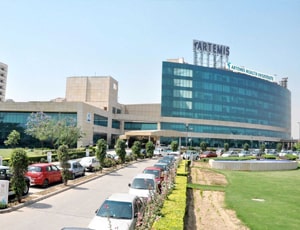
The Ophthalmology Department at Artemis Health Institute Hospital in India is the medical department that deals with eyes, visual impairments, eye diseases, and ocular organs. Its fields include treating refractive vision disorders (myopia and hyperopia), cataracts, glaucoma, diabetic eye disease (retinopathy), macula failure, and eye damage.
Ocular tests are performed using slit-lamp tests, fundus photography, optical coherence tomography (OCT), and an individual's visual field assessment. Treatment ranges from eyeglasses and medication to laser therapy and surgery, like cataract surgery, LASIK, corneal transplant, and retinal surgery in India. Eye care or ophthalmology for children treats strabismus, amblyopia, and congenital cataracts; neuro-ophthalmology links visual problems with neurological disorders.

The Ophthalmology Department at Medanta-The Medicity (JCI and NABH-accredited) in India is a medical department specialising in the eyes, visual impairments, eye diseases, and ocular organs. The fields include treating refractive vision disorders (myopia and hyperopia), cataract, glaucoma, diabetic eye disease (retinopathy), macula failure, and eye damage. Ocular tests are performed by slit-lamp tests, fundus photography, optical coherence tomography (OCT), and an individual's visual field assessment.
Treatment ranges from eyeglasses and medication to laser therapy and surgery, like cataract surgery, LASIK, corneal transplant, and retinal surgery. Eye care, also known as ophthalmology, treats conditions such as strabismus, amblyopia, and congenital cataracts in children. Neuro-ophthalmology, on the other hand, examines the relationship between visual problems and neurological disorders.

Gleneagles Hospital offers comprehensive ophthalmology services, including preventive screenings, medical treatments, and advanced surgical procedures for various eye conditions. Their experienced ophthalmologists use advanced technology such as the Femtosecond Laser System for bladeless cataract surgery, enhancing precision and recovery. Services include treatment for glaucoma, corneal disorders, retinal detachment, and vision correction procedures like corneal reshaping and corneal transplants. The hospital also provides oculoplastic and ocular oncology services for cosmetic and reconstructive eye surgeries and tumour management. Gleneagles ensures high-quality, specialised eye care for optimal visual health and outcomes with advanced diagnostic tools and a patient-focused approach.
Gleneagles Hospitals, India, is accredited by JCI, reflecting international patient care and safety standards.

Max Super Specialty Hospital, Vaishali
Ghaziabad, India
The Max Super Speciality Hospital in Vaishali, Ghaziabad, provides complete ophthalmology services, treating various eye disorders using cutting-edge diagnostic and therapeutic technologies.
The hospital's ophthalmology department specialises in treating refractive errors, cataracts, glaucoma, retinal abnormalities, diabetic eye problems, ptosis, squint, and uveitis. The hospital's state-of-the-art facilities, which include state-of-the-art surgical and diagnostic technologies, guarantee precise diagnosis and efficient treatment. The talented team of ophthalmologists concentrates on providing individualised care using medical and surgical techniques, including cutting-edge laser treatments.
Max Super Speciality Hospital is a reputable option for eye care. It is dedicated to professional excellence and patient safety and provides top-notch services for patients of all ages.
Please Enquire

Max Hospital (Gururgram) in India is widely respected for its advanced ENT (Otorhinolaryngology) services. The hospital’s ENT department provides expert care for conditions affecting the ears, nose, throat, head, and neck. Equipped with modern tools like otoendoscopy, nasal endoscopy, and videolaryngostroboscopy, the ENT team ensures accurate diagnosis and effective treatment. Specialised services include audiology, neurotology, and tailored vertigo management using VEMP, ABR, and electronystagmography. The ENT department works closely with other specialities to offer holistic care.
With its skilled professionals and commitment to patient well-being, Max Hospital’s ENT department is a leading choice for comprehensive ENT care in India.The hospital is affiliated with international medical partners to uphold global standards in patient care and clinical excellence.

The Indraprastha Apollo Hospital's Ophthalmology Department in Delhi provides cutting-edge eye care services for various ailments, from simple vision correction to complex eye procedures. The department's areas of expertise include corneal transplants, retinal problems, glaucoma treatment, cataract surgery, and pediatric eye care.
The hospital offers state-of-the-art procedures like laser-assisted cataract surgery, vitreoretinal surgery, and refractive surgery because it is outfitted with laser equipment and diagnostic imaging instruments. A group of skilled ophthalmologists, optometrists, and support personnel provides comprehensive care with an emphasis on prevention and treatment. The hospital is a reliable source for eye care because it is accredited by JCI and NABL, guaranteeing the highest standards in clinical performance, patient safety, and healthcare quality.

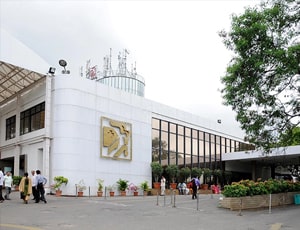
The Ophthalmology Department at Apollo Hospitals (NABH and JCI-accredited) Hospitals in India is the medical department that deals with eyes, visual impairments, eye diseases, and ocular organs. Its fields include treating refractive vision disorders (myopia and hyperopia), cataracts, glaucoma, diabetic eye disease (retinopathy), macula failure, and eye damage. Ocular tests are performed using slit-lamp tests, fundus photography, optical coherence tomography (OCT), and an individual's visual field assessment.
Treatment ranges from eyeglasses and medication to laser therapy and surgery, like cataract surgery, LASIK, corneal transplant, and retinal surgery. Eye care, also known as ophthalmology, treats conditions such as strabismus, amblyopia, and congenital cataracts in children. Neuro-ophthalmology, on the other hand, examines the relationship between visual problems and neurological disorders.
Please Enquire

The Ophthalmology Department at Sterling Wockhardt Hospital in India is the medical department that deals with the eyes, visual impairments, eye diseases, and ocular organs. Its fields include treating refractive vision disorders (myopia and hyperopia), cataracts, glaucoma, diabetic eye disease (retinopathy), macula failure, and eye damage. Ocular tests are performed using slit-lamp tests, fundus photography, optical coherence tomography (OCT), and an individual's visual field assessment in the ophthalmology department.
Treatment ranges from eyeglasses and medication to laser therapy and surgery, like cataract surgery, LASIK, corneal transplant, and retinal surgery. Ophthalmology for children treats strabismus, amblyopia, and congenital cataracts; neuro-ophthalmology links visual problems with neurological disorders in India.

The Ophthalmology Department at Venkateshwar Hospital in India is the medical department that deals with the eyes, visual impairments, eye diseases, and ocular organs. Its fields include treating refractive vision disorders (myopia and hyperopia), cataracts, glaucoma, diabetic eye disease (retinopathy), macula failure, and eye damage. Ocular tests are performed using slit-lamp tests, fundus photography, optical coherence tomography (OCT), and an individual's visual field assessment in the ophthalmology department.
Treatment ranges from eyeglasses and medication to laser therapy and surgery, like cataract surgery, LASIK, corneal transplant, and retinal surgery. Ophthalmology for children treats strabismus, amblyopia, and congenital cataracts; neuro-ophthalmology links visual problems with neurological disorders. Preventive checkups detect vision disorders early, especially in diabetics and the elderly in India.
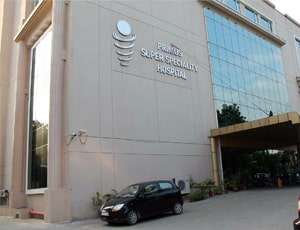
Primus Super Speciality Hospital
Delhi, India

nanavati Super Speciality Hospital
Mumbai, India
Please Enquire

Max Super Speciality Hospital, Patparganj
Delhi, India
The Ophthalmology Department at Max Super Speciality Hospital (Patparganj) in India is dedicated to diagnosing and treating eye diseases and visual impairments. Treated conditions include cataracts, glaucoma, macular degeneration, diabetic retinopathy, dry eyes, and refractive errors such as myopia and astigmatism.
Treatments range from uncomplicated corrective lenses to more complex procedures, such as cataract removal, corneal transplants, and LASIK. Specialised diagnostic testing, such as OCT, fundus photography, and visual field tests, helps detect retinal and optic nerve diseases early. In India, pediatric ophthalmology addresses birth defects and strabismus, commonly referred to as lazy eyes. Subspecialities of retina and cornea treat diseases that risk vision.

Tx Hospitals Banjara Hills
Hyderabad, India
The Ophthalmology Department at Tx Hospitals Banjara Hills in India is committed to diagnosing and treating eye disease and visual impairment. Treated conditions include cataracts, glaucoma, macular degeneration, diabetic retinopathy, dry eyes, and refractive errors such as myopia and astigmatism.
Treatments vary from uncomplicated corrective lenses to elaborate operations like cataract removal, corneal transplants, and LASIK. Specialised diagnostic testing, such as OCT, fundus photography, and visual field tests, helps detect retinal and optic nerve diseases early. In India, pediatric ophthalmology deals with birth defects and lazy eyes. Subspecialities of retina and cornea treat diseases that risk vision.


