Browse verified doctors or let our care team help you find the doctor best suited to your condition, treatment goals, and budget.

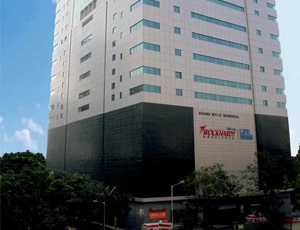
Medstar Antalya Hospital is a trusted healthcare provider for Intensity-modulated radiotherapy (IMRT), offering precision radiation therapy supported by experienced radiation oncologists, medical physicists, specialised treatment equipment, and multidisciplinary cancer care. Established in 2009, the JCI accredited hospital is situated in Ankara, Turkey and has 124 beds.
Intensity-modulated Radiotherapy (IMRT) uses multiple radiation beams with different intensities to conform the radiation dose more closely to the shape and location of the tumour. This approach can help reduce unnecessary radiation exposure to surrounding healthy tissues while delivering an effective dose to the treatment target. Before therapy, the oncology team assesses the tumour characteristics, previous treatments, overall health, and imaging findings to determine whether IMRT is appropriate.
Vinmec Can Tho Hospital provides specialised Intensity-modulated radiotherapy (IMRT) with a focus on precise radiation targeting, advanced treatment planning, and individualised oncology care. Established in 2016, the JCI accredited hospital is located in Can Tho, Vietnam and operates 155 beds, with modern radiation oncology and cancer-care infrastructure.
Intensity-modulated Radiotherapy (IMRT) can deliver carefully shaped radiation doses to complex tumour sites while helping limit exposure to nearby organs at risk. Treatment planning involves detailed imaging, tumour delineation, dose calculations, and verification before radiation is delivered. Depending on the cancer type and treatment objective, IMRT may be used as a primary treatment or in combination with surgery, chemotherapy, hormone therapy, or other cancer treatments. A detailed assessment helps the radiation oncology team develop the most appropriate treatment plan for the individual patient.
At Batra Hospital, Intensity-modulated radiotherapy (IMRT) is performed using specialised radiation planning and delivery systems with comprehensive pre-treatment assessment. Established in 1987, this NABH accredited hospital in Delhi, India has 495 beds and offers advanced radiation oncology services.
Intensity-modulated Radiotherapy (IMRT) may be considered when precise radiation delivery is important because a tumour is located close to sensitive organs or structures. Before treatment, the radiation oncology team uses imaging, such as CT, MRI, or PET scans, as appropriate, to define the treatment area and create a personalised radiation plan. During each session, the patient is carefully positioned while the treatment system delivers radiation from multiple directions at controlled beam intensity.
Vinmec Smart City Hospital provides specialised Intensity-modulated radiotherapy (IMRT) with a focus on precise radiation targeting, advanced treatment planning, and individualised oncology care. Established in 2020, the JCI accredited hospital is located in Ha noi, Vietnam and operates 500 beds, with modern radiation oncology and cancer-care infrastructure.
Intensity-modulated Radiotherapy (IMRT) can deliver carefully shaped radiation doses to complex tumour sites while helping limit exposure to nearby organs at risk. Treatment planning involves detailed imaging, tumour delineation, dose calculations, and verification before radiation is delivered. Depending on the cancer type and treatment objective, IMRT may be used as a primary treatment or in combination with surgery, chemotherapy, hormone therapy, or other cancer treatments. A detailed assessment helps the radiation oncology team develop the most appropriate treatment plan for the individual patient.
Choosing Vinmec Da Nang for Intensity-modulated radiotherapy (IMRT) gives patients access to experienced radiation oncologists, advanced treatment-planning systems, image-guided technologies, and structured supportive care. Established in 2017, the JCI accredited hospital in Da Nang, Vietnam has 222 beds and provides specialised radiation oncology services.
Intensity-modulated Radiotherapy (IMRT) is delivered over a planned course of treatment, with the number and frequency of sessions depending on the type, location, and stage of cancer, as well as the prescribed radiation dose. The patient is positioned using appropriate immobilisation or positioning aids to maintain accuracy during treatment. Each session is generally brief, although preparation and positioning may take additional time. Patients are monitored throughout treatment for side effects such as fatigue, skin changes, or effects specific to the treated area.
Choosing Vinmec Nha Trang for Intensity-modulated radiotherapy (IMRT) gives patients access to experienced radiation oncologists, advanced treatment-planning systems, image-guided technologies, and structured supportive care. Established in 2017, the JCI accredited hospital in Nha Trang, Vietnam has 150 beds and provides specialised radiation oncology services.
Intensity-modulated Radiotherapy (IMRT) is delivered over a planned course of treatment, with the number and frequency of sessions depending on the type, location, and stage of cancer, as well as the prescribed radiation dose. The patient is positioned using appropriate immobilisation or positioning aids to maintain accuracy during treatment. Each session is generally brief, although preparation and positioning may take additional time. Patients are monitored throughout treatment for side effects such as fatigue, skin changes, or effects specific to the treated area.
Aster Medcity provides specialised Intensity-modulated radiotherapy (IMRT) with a focus on precise radiation targeting, advanced treatment planning, and individualised oncology care. Established in 2013, the NABH, JCI accredited hospital is located in Kochi, India and operates 670 beds, with modern radiation oncology and cancer-care infrastructure.
Intensity-modulated Radiotherapy (IMRT) can deliver carefully shaped radiation doses to complex tumour sites while helping limit exposure to nearby organs at risk. Treatment planning involves detailed imaging, tumour delineation, dose calculations, and verification before radiation is delivered. Depending on the cancer type and treatment objective, IMRT may be used as a primary treatment or in combination with surgery, chemotherapy, hormone therapy, or other cancer treatments. A detailed assessment helps the radiation oncology team develop the most appropriate treatment plan for the individual patient.
Medicana Camlica Hospital offers advanced Intensity-modulated Radiotherapy (IMRT) using modern radiation oncology techniques and individualized cancer treatment plans. Established in 1999, the ISO, JCI accredited hospital is located in Istanbul, Turkey and has 113 beds, providing comprehensive cancer care for local and international patients.
Intensity-modulated Radiotherapy (IMRT) is an advanced external-beam radiation therapy technique that uses computer-controlled radiation beams of varying intensity to deliver precise doses to a tumour. The treatment is planned to maximize radiation exposure to the targeted area while limiting the dose received by nearby healthy tissues. IMRT may be used for various cancers, including tumours of the head and neck, prostate, brain, breast, and other anatomical regions.
At Pushpawati Singhania Research Institute, Intensity-modulated radiotherapy (IMRT) is performed using specialised radiation planning and delivery systems with comprehensive pre-treatment assessment. Established in 1996, this NABH, NABL accredited hospital in Delhi, India has 201 beds and offers advanced radiation oncology services.
Intensity-modulated Radiotherapy (IMRT) may be considered when precise radiation delivery is important because a tumour is located close to sensitive organs or structures. Before treatment, the radiation oncology team uses imaging, such as CT, MRI, or PET scans, as appropriate, to define the treatment area and create a personalised radiation plan. During each session, the patient is carefully positioned while the treatment system delivers radiation from multiple directions at controlled beam intensity.
Choosing Hisar Intercontinental Hospital for Intensity-modulated radiotherapy (IMRT) gives patients access to experienced radiation oncologists, advanced treatment-planning systems, image-guided technologies, and structured supportive care. Established in 2005, the JCI accredited hospital in Istanbul, Turkey has 170 beds and provides specialised radiation oncology services.
Intensity-modulated Radiotherapy (IMRT) is delivered over a planned course of treatment, with the number and frequency of sessions depending on the type, location, and stage of cancer, as well as the prescribed radiation dose. The patient is positioned using appropriate immobilisation or positioning aids to maintain accuracy during treatment. Each session is generally brief, although preparation and positioning may take additional time. Patients are monitored throughout treatment for side effects such as fatigue, skin changes, or effects specific to the treated area.
NMC Specialty Hospital is a trusted healthcare provider for Intensity-modulated radiotherapy (IMRT), offering precision radiation therapy supported by experienced radiation oncologists, medical physicists, specialised treatment equipment, and multidisciplinary cancer care. Established in 1975, the JCI, NABH accredited hospital is situated in Abu Dhabi, United Arab Emirates and has 104 beds.
Intensity-modulated Radiotherapy (IMRT) uses multiple radiation beams with different intensities to conform the radiation dose more closely to the shape and location of the tumour. This approach can help reduce unnecessary radiation exposure to surrounding healthy tissues while delivering an effective dose to the treatment target. Before therapy, the oncology team assesses the tumour characteristics, previous treatments, overall health, and imaging findings to determine whether IMRT is appropriate.
At Bukit Tinggi Medical Centre, Intensity-modulated radiotherapy (IMRT) is performed using specialised radiation planning and delivery systems with comprehensive pre-treatment assessment. Established in 2016, this MSQH accredited hospital in Kuala Lumpur, Malaysia has 171 beds and offers advanced radiation oncology services.
Intensity-modulated Radiotherapy (IMRT) may be considered when precise radiation delivery is important because a tumour is located close to sensitive organs or structures. Before treatment, the radiation oncology team uses imaging, such as CT, MRI, or PET scans, as appropriate, to define the treatment area and create a personalised radiation plan. During each session, the patient is carefully positioned while the treatment system delivers radiation from multiple directions at controlled beam intensity.
Choosing Rajagiri Hospital for Intensity-modulated radiotherapy (IMRT) gives patients access to experienced radiation oncologists, advanced treatment-planning systems, image-guided technologies, and structured supportive care. Established in 2014, the JCI accredited hospital in Kochi, India it has adequate bed capacity and provides specialised radiation oncology services.
Intensity-modulated Radiotherapy (IMRT) is delivered over a planned course of treatment, with the number and frequency of sessions depending on the type, location, and stage of cancer, as well as the prescribed radiation dose. The patient is positioned using appropriate immobilisation or positioning aids to maintain accuracy during treatment. Each session is generally brief, although preparation and positioning may take additional time. Patients are monitored throughout treatment for side effects such as fatigue, skin changes, or effects specific to the treated area.
At Jaypee Hospital, Intensity-modulated radiotherapy (IMRT) is performed using specialised radiation planning and delivery systems with comprehensive pre-treatment assessment. Established in 2014, this NABH, JCI accredited hospital in Noida, India has 1200 beds and offers advanced radiation oncology services.
Intensity-modulated Radiotherapy (IMRT) may be considered when precise radiation delivery is important because a tumour is located close to sensitive organs or structures. Before treatment, the radiation oncology team uses imaging, such as CT, MRI, or PET scans, as appropriate, to define the treatment area and create a personalised radiation plan. During each session, the patient is carefully positioned while the treatment system delivers radiation from multiple directions at controlled beam intensity.
Fortis Hospital, Shalimar Bagh offers advanced Intensity-modulated Radiotherapy (IMRT) using modern radiation oncology techniques and individualized cancer treatment plans. Established in 2010, the NABH accredited hospital is located in Delhi, India and has 262 beds, providing comprehensive cancer care for local and international patients.
Intensity-modulated Radiotherapy (IMRT) is an advanced external-beam radiation therapy technique that uses computer-controlled radiation beams of varying intensity to deliver precise doses to a tumour. The treatment is planned to maximize radiation exposure to the targeted area while limiting the dose received by nearby healthy tissues. IMRT may be used for various cancers, including tumours of the head and neck, prostate, brain, breast, and other anatomical regions.
| Speciality | Oncology |
| Procedure | Intensity-modulated radiotherapy (IMRT) |
| Success Rate | Varies as per stage, grade and type of cancer |
| Recovery Time | 4 to 6 days |
| Treatment Time | five to eight weeks |
| Chances of Recurrence | Varies as per stage, grade, type and location of cancer |

Radiation therapy is also called radiotherapy, X-ray therapy, and irradiation. The cells in the body develop and grow normally; however, cancer cells mutate, divide, and grow faster than normal cells.