Browse verified doctors or let our care team help you find the doctor best suited to your condition, treatment goals, and budget.

At Fortis Hiranandani Hospital, Immunotherapy is delivered through individualized oncology treatment plans and modern diagnostic and therapeutic facilities. Established in 2007, the NABH accredited hospital in Mumbai, India has 149 beds and provides comprehensive cancer care.
Immunotherapy is a form of cancer treatment designed to stimulate or enhance the immune system's ability to fight malignant cells. It may be used alone or combined with treatments such as chemotherapy, radiation therapy, targeted therapy, or surgery, depending on the patient's diagnosis. Treatment is selected according to factors such as cancer type, stage, molecular characteristics, and previous therapies. Regular clinical assessments and laboratory tests help monitor response and safety.
At Fortis Hospital, Shalimar Bagh, Immunotherapy is delivered through individualized oncology treatment plans and modern diagnostic and therapeutic facilities. Established in 2010, the NABH accredited hospital in Delhi, India has 262 beds and provides comprehensive cancer care.
Immunotherapy is a form of cancer treatment designed to stimulate or enhance the immune system's ability to fight malignant cells. It may be used alone or combined with treatments such as chemotherapy, radiation therapy, targeted therapy, or surgery, depending on the patient's diagnosis. Treatment is selected according to factors such as cancer type, stage, molecular characteristics, and previous therapies. Regular clinical assessments and laboratory tests help monitor response and safety.
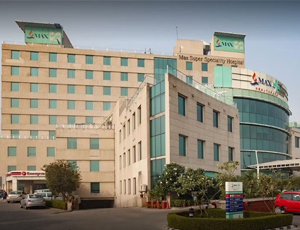
Max Super Specialty Hospital, Shalimar Bagh offers specialized Immunotherapy supported by experienced oncology specialists, advanced treatment technology, and structured patient monitoring. Established in 2011, the NABH, NABL accredited hospital is situated in Delhi, India and has 402 beds with comprehensive cancer treatment infrastructure.
Immunotherapy may be recommended for selected patients when the cancer has specific characteristics that make it responsive to immune-based treatment. Certain medicines work by removing inhibitory signals that prevent immune cells from attacking cancer, while others target specific immune pathways or cancer-associated proteins. Treatment is usually administered according to a planned schedule, with patients monitored for fatigue, skin reactions, inflammation, and other potential immune-related effects.
IRCCS Policlinico San Donato provides dedicated Immunotherapy services with an emphasis on evidence-based cancer treatment, individualized therapy selection, and ongoing safety assessment. Established in 1969, the SSN accredited hospital is based in milan, Italy and has 430 beds supported by modern medical oncology facilities.
Immunotherapy can be used to support the body's natural immune response against certain cancers. Before starting therapy, specialists may review pathology reports, imaging results, biomarkers, previous treatments, and the patient's general health. Depending on the clinical situation, immunotherapy may be administered intravenously or through other approved routes and may be given for a defined number of cycles or until disease progression or unacceptable toxicity occurs. Follow-up assessments help determine treatment response and manage potential side effects.
IRCCS Ospedale Galeazzi- Sant’Ambrogio offers specialized Immunotherapy supported by experienced oncology specialists, advanced treatment technology, and structured patient monitoring. Established in 1963, the SSN accredited hospital is situated in milan, Italy and has 560 beds with comprehensive cancer treatment infrastructure.
Immunotherapy may be recommended for selected patients when the cancer has specific characteristics that make it responsive to immune-based treatment. Certain medicines work by removing inhibitory signals that prevent immune cells from attacking cancer, while others target specific immune pathways or cancer-associated proteins. Treatment is usually administered according to a planned schedule, with patients monitored for fatigue, skin reactions, inflammation, and other potential immune-related effects.
Aster Medcity provides specialized Immunotherapy with a focus on personalized cancer care, appropriate treatment selection, and close monitoring during therapy. Established in 2013, the NABH, JCI accredited hospital is located in Kochi, India and operates 670 beds with advanced oncology and infusion-care facilities.
Immunotherapy uses medicines that help the body's immune system recognize and attack cancer cells more effectively. Depending on the cancer type and its characteristics, treatment may include immune checkpoint inhibitors, monoclonal antibodies, or other immune-based therapies. Before treatment, doctors may evaluate the cancer type, stage, biomarkers, and overall health to determine whether immunotherapy is appropriate. Patients are monitored regularly for treatment response and possible immune-related side effects.
Choosing Aakash Healthcare Super Speciality Hospital for Immunotherapy gives patients access to specialist-led cancer treatment, advanced diagnostic services, and coordinated follow-up care. Established in 2011, the NABH, ISO accredited hospital is located in Delhi, India and operates 230 beds with modern oncology infrastructure.
Immunotherapy works differently from conventional treatments that directly destroy rapidly dividing cancer cells. It helps the immune system identify, recognize, or respond more effectively to cancer cells. The treatment approach varies according to the patient's cancer and may involve checkpoint inhibitors, antibody-based medicines, or other immunotherapeutic agents. Doctors monitor patients throughout treatment to evaluate effectiveness and identify adverse reactions early.
At Pushpawati Singhania Research Institute, Immunotherapy is delivered through individualized oncology treatment plans and modern diagnostic and therapeutic facilities. Established in 1996, the NABH, NABL accredited hospital in Delhi, India has 201 beds and provides comprehensive cancer care.
Immunotherapy is a form of cancer treatment designed to stimulate or enhance the immune system's ability to fight malignant cells. It may be used alone or combined with treatments such as chemotherapy, radiation therapy, targeted therapy, or surgery, depending on the patient's diagnosis. Treatment is selected according to factors such as cancer type, stage, molecular characteristics, and previous therapies. Regular clinical assessments and laboratory tests help monitor response and safety.
Amrita Hospital provides dedicated Immunotherapy services with an emphasis on evidence-based cancer treatment, individualized therapy selection, and ongoing safety assessment. Established in 2022, the NABH accredited hospital is based in Faridabad, India and has 2600 beds supported by modern medical oncology facilities.
Immunotherapy can be used to support the body's natural immune response against certain cancers. Before starting therapy, specialists may review pathology reports, imaging results, biomarkers, previous treatments, and the patient's general health. Depending on the clinical situation, immunotherapy may be administered intravenously or through other approved routes and may be given for a defined number of cycles or until disease progression or unacceptable toxicity occurs. Follow-up assessments help determine treatment response and manage potential side effects.
Bukit Tinggi Medical Centre provides specialized Immunotherapy with a focus on personalized cancer care, appropriate treatment selection, and close monitoring during therapy. Established in 2016, the MSQH accredited hospital is located in Kuala Lumpur, Malaysia and operates 171 beds with advanced oncology and infusion-care facilities.
Immunotherapy uses medicines that help the body's immune system recognize and attack cancer cells more effectively. Depending on the cancer type and its characteristics, treatment may include immune checkpoint inhibitors, monoclonal antibodies, or other immune-based therapies. Before treatment, doctors may evaluate the cancer type, stage, biomarkers, and overall health to determine whether immunotherapy is appropriate. Patients are monitored regularly for treatment response and possible immune-related side effects.
Choosing Rajagiri Hospital for Immunotherapy gives patients access to specialist-led cancer treatment, advanced diagnostic services, and coordinated follow-up care. Established in 2014, the JCI accredited hospital is located in Kochi, India and operates beds with modern oncology infrastructure.
Immunotherapy works differently from conventional treatments that directly destroy rapidly dividing cancer cells. It helps the immune system identify, recognize, or respond more effectively to cancer cells. The treatment approach varies according to the patient's cancer and may involve checkpoint inhibitors, antibody-based medicines, or other immunotherapeutic agents. Doctors monitor patients throughout treatment to evaluate effectiveness and identify adverse reactions early.
Marengo Asia Hospitals, Faridabad offers specialized Immunotherapy supported by experienced oncology specialists, advanced treatment technology, and structured patient monitoring. Established in 2007, the NABH, NABL accredited hospital is situated in Faridabad, India and has 325 beds with comprehensive cancer treatment infrastructure.
Immunotherapy may be recommended for selected patients when the cancer has specific characteristics that make it responsive to immune-based treatment. Certain medicines work by removing inhibitory signals that prevent immune cells from attacking cancer, while others target specific immune pathways or cancer-associated proteins. Treatment is usually administered according to a planned schedule, with patients monitored for fatigue, skin reactions, inflammation, and other potential immune-related effects.
Baby Memorial Hospital offers specialized Immunotherapy supported by experienced oncology specialists, advanced treatment technology, and structured patient monitoring. Established in 1987, the NABH accredited hospital is situated in Calicut, India and has 500 beds with comprehensive cancer treatment infrastructure.
Immunotherapy may be recommended for selected patients when the cancer has specific characteristics that make it responsive to immune-based treatment. Certain medicines work by removing inhibitory signals that prevent immune cells from attacking cancer, while others target specific immune pathways or cancer-associated proteins. Treatment is usually administered according to a planned schedule, with patients monitored for fatigue, skin reactions, inflammation, and other potential immune-related effects.
Beijing GoBroad Boren Hospital provides dedicated Immunotherapy services with an emphasis on evidence-based cancer treatment, individualized therapy selection, and ongoing safety assessment. Established in 2014, the accredited hospital is based in Beijing, China and has 200 beds supported by modern medical oncology facilities.
Immunotherapy can be used to support the body's natural immune response against certain cancers. Before starting therapy, specialists may review pathology reports, imaging results, biomarkers, previous treatments, and the patient's general health. Depending on the clinical situation, immunotherapy may be administered intravenously or through other approved routes and may be given for a defined number of cycles or until disease progression or unacceptable toxicity occurs. Follow-up assessments help determine treatment response and manage potential side effects.
Choosing Saudi German Hospital for Immunotherapy gives patients access to specialist-led cancer treatment, advanced diagnostic services, and coordinated follow-up care. Established in 1988, the JCI accredited hospital is located in Cairo, Egypt and operates 3000 beds with modern oncology infrastructure.
Immunotherapy works differently from conventional treatments that directly destroy rapidly dividing cancer cells. It helps the immune system identify, recognize, or respond more effectively to cancer cells. The treatment approach varies according to the patient's cancer and may involve checkpoint inhibitors, antibody-based medicines, or other immunotherapeutic agents. Doctors monitor patients throughout treatment to evaluate effectiveness and identify adverse reactions early.
| Speciality | Oncology |
| Procedure | Immunotherapy |
| Success Rate | Varies as per stage, grade and type of cancer |
| Recovery Time | Few weeks to several months |
| Treatment Time | Up to 2 Years in some cases |
| Chances of Recurrence | Varies as per stage, grade, type and location of cancer |

Immunotherapy is an area of cancer treatment that uses your immune system against your cancer. The body has its own immune system to identify and destroy harmful things inside the body