Browse verified doctors or let our care team help you find the doctor best suited to your condition, treatment goals, and budget.
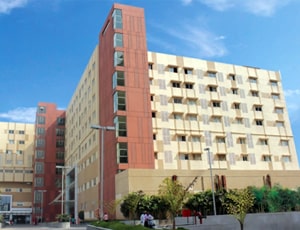
Acibadem University Hospital Atakent is a remarkable medical facility with an expansive indoor area of around 60,000 m2 and 262 beds dedicated to providing exceptional care for brain cancer patients. The hospital's esteemed neuro-oncology unit is widely recognized for its expertise in diagnosing and treating brain tumors and cancers. With advanced infrastructure and a team of highly skilled specialists, the hospital places great emphasis on early detection and employs state-of-the-art techniques, including PET/CT, CyberKnife, and GammaKnife.
The neuro-oncology unit at the hospital is capable of addressing various types of brain and spinal tumors, such as meningiomas, glial tumors, cerebellopontine tumors, pituitary tumors, brain stem, pineal region, posterior fossa tumors, skull base tumors, as well as extramedullary or intramedullary spinal tumors. Procedures like cranioplasty, craniofacial surgery, craniosynostosis, and reconstruction surgeries are offered at the hospital. Notable neurosurgeons at Acibadem University Hospital include Prof. Kenan Koç and Ramiz Ahmadov. The hospital is committed to delivering exceptional care and making a difference in the lives of brain cancer patients.
Johannesburg, South Africa
Iranian Hospital is one of the excellent cancer care centers in the UAE. The center is equipped with state-of-the-art technologies for brain cancer treatment including treatment procedures like external beam radiation therapy, intensity modulated radiation therapy (IMRT), low and high dose brachytherapy (HDR), stereotactic body radiation therapy (SBRT), or stereotactic brain radio-surgery (SRS). The radiation treatment for brain cancer at Iranian Hospital includes both curative and palliative radiation treatments.
The team of specialized oncologists uses the highest standards of patient evaluation and planning of treatment procedures which may be a combination of Chemotherapy, Targeted Therapy, Biological Therapy, HIPEC (Hyper Thermic Intraperitoneal Chemotherapy), and Radiation. The hospital has surgical facilities like a Biplane cath lab, video EEG, neuro navigation, modular OT, and a 3.0 Tesla MRI machine to aid the surgeons in making a fast and accurate diagnosis. Dr. Seyed Ali Modares Zamani and Dr. Alireza Taghikhani are the faces of the oncology department at the Iranian Hospital.
Chennai, India
| Speciality | Oncology |
| Procedure | Brain Cancer Treatment |
| Success Rate | Varies as per stage, grade, type and location of cancer |
| Recovery Time | Few weeks to several months |
| Treatment Time | 3 to 8 hours |
| Chances of Recurrence | Varies as per stage, grade, type and location of cancer |
Brain cancer treatment involves various approaches to managing and controlling abnormal growths of cells in the brain. The treatment plan depends on factors such as the type of brain cancer, its stage, location, and the patient's overall health. Treatment options may include surgery, chemotherapy, targeted therapy, and immunotherapy.
Brain tumors, which can be benign (non-cancerous) or malignant (cancerous), are specifically treated in brain cancer treatment. It includes primary brain tumors that originate in the brain itself and secondary brain tumors that result from the spread of cancer from other parts of the body.
The recovery process may take weeks to months and depends on factors such as the type and stage of the tumor, the extent of treatment, and the individual's response to therapy. After surgery, recovery may involve a healing period, rehabilitation, and monitoring for potential complications. Recovery also includes regular follow-up visits to monitor for any signs of recurrence or new tumors. The overall recovery process focuses on supporting the patient's physical and emotional well-being, including rehabilitation, symptom management, and ongoing support for the challenges associated with brain cancer.

One of the most difficult diagnoses a patient, or their family, may get is brain cancer. When local resources are scarce or when specialists and cutting-edge technologies are needed