Explore trusted hospitals and care options, or get personalised support to find a suitable option based on your treatment needs, preferences, and budget.
Dubai, United Arab Emirates
At Canadian Specialist Hospital, VP Shunt is performed using advanced neurosurgical equipment and personalized CSF management strategies. Established in 2006, this JCI accredited hospital in Dubai, United Arab Emirates has 200 beds and offers specialized treatment for hydrocephalus and other neurological conditions.
VP Shunt may be recommended when excess cerebrospinal fluid accumulates within the brain and causes increased ventricular size or pressure. During the procedure, a thin catheter is placed into one of the brain's ventricles and connected to a valve and tubing that carries the fluid into the peritoneal cavity. The valve regulates CSF drainage according to the type of shunt used. After implantation, patients require follow-up to assess neurological symptoms and shunt function and to identify possible complications such as blockage or infection.
Max Hospital, Gurgaon is a trusted healthcare provider for VP Shunt, offering specialized hydrocephalus management supported by experienced neurosurgeons and advanced neuroimaging facilities. Established in 2007, the ISO, NABH, NABL accredited hospital is situated in Gurgaon, India and has 104 beds.
VP Shunt Placement is performed to create an alternative pathway for cerebrospinal fluid when the normal circulation or absorption of CSF is disrupted. The surgeon places the proximal catheter inside a cerebral ventricle and tunnels the distal tubing under the skin toward the abdomen. The shunt helps reduce excessive CSF accumulation and may relieve symptoms associated with hydrocephalus, such as headaches, nausea, balance problems, cognitive changes, or visual disturbances. The patient's age, cause of hydrocephalus, ventricular anatomy, and overall health are considered when planning treatment.
Liv Hospital Ulus provides specialized VP Shunt with a focus on controlled CSF diversion, precise catheter placement, and long-term neurological care. Established in 2013, the JCI accredited hospital is located in Istanbul, Turkey and operates 154 beds with modern neurosurgical infrastructure.
VP Shunt can help manage hydrocephalus by establishing a route for excess cerebrospinal fluid to drain from the ventricular system into the peritoneal cavity. The treatment may be considered for different forms of hydrocephalus, including those associated with brain tumours, hemorrhage, infection, congenital abnormalities, or impaired CSF absorption. Depending on the patient's circumstances, a programmable valve may be selected to allow adjustment of drainage settings without replacing the device. Regular follow-up is important because shunts can develop complications such as obstruction, infection, over-drainage, or under-drainage, which may require medical or surgical management.
Indraprastha Apollo Hospital provides specialized VP Shunt with a focus on controlled CSF diversion, precise catheter placement, and long-term neurological care. Established in 1996, the JCI accredited hospital is located in Delhi, India and operates 710 beds with modern neurosurgical infrastructure.
VP Shunt can help manage hydrocephalus by establishing a route for excess cerebrospinal fluid to drain from the ventricular system into the peritoneal cavity. The treatment may be considered for different forms of hydrocephalus, including those associated with brain tumours, hemorrhage, infection, congenital abnormalities, or impaired CSF absorption. Depending on the patient's circumstances, a programmable valve may be selected to allow adjustment of drainage settings without replacing the device. Regular follow-up is important because shunts can develop complications such as obstruction, infection, over-drainage, or under-drainage, which may require medical or surgical management.
Dubai, United Arab Emirates
Choosing Prime Hospital for VP Shunt gives patients access to experienced neurosurgeons, advanced brain imaging, modern operating facilities, and comprehensive post-operative monitoring. Established in 1999, the ACHS, JCI accredited hospital in Dubai, United Arab Emirates has 100 beds and provides specialized neurosurgical care.
VP Shunt is a commonly used method of treating hydrocephalus by transferring excess CSF from the brain to another part of the body. The procedure usually involves creating a small opening in the skull to insert the ventricular catheter, followed by placement of a programmable or fixed-pressure valve and abdominal catheter. The shunt is designed to regulate the movement of CSF and reduce pressure or ventricular enlargement. Following surgery, doctors monitor neurological status, wound healing, and signs of shunt malfunction or infection.
Venkateshwar Hospital offers advanced VP Shunt placement using modern neurosurgical techniques and individualized treatment protocols. Established in 2016, the NABL, NABH accredited hospital is located in Delhi, India and has 325 beds, providing comprehensive neurological and neurosurgical care for local and international patients.
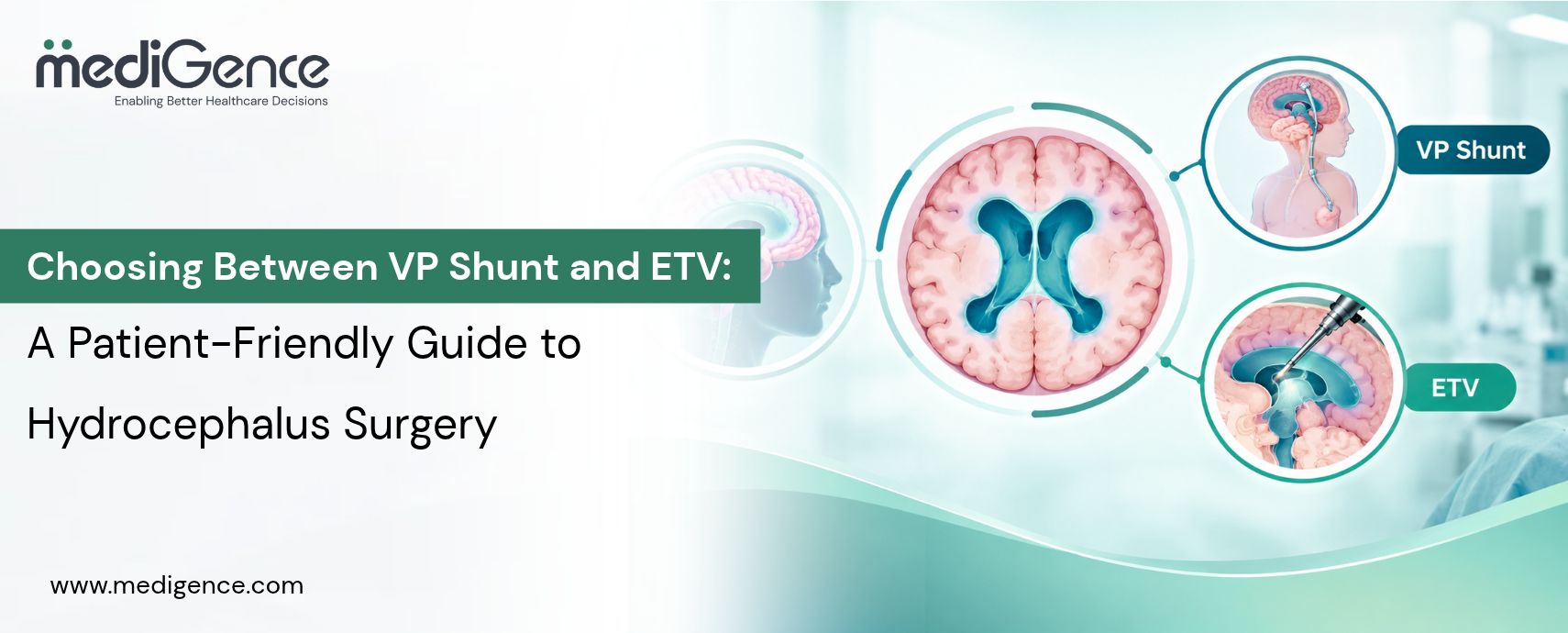
VP Shunt (Ventriculoperitoneal Shunt) is a surgical system used to divert excess cerebrospinal fluid (CSF) from the brain's ventricles to the abdominal cavity, where the fluid can be absorbed. It is commonly used to treat hydrocephalus, which can occur due to obstruction of CSF flow, impaired absorption, congenital conditions, bleeding, infection, or other neurological disorders. The system generally consists of a ventricular catheter, a valve, and a distal catheter. Before surgery, brain imaging and clinical assessment help determine the need for shunt placement.
Istanbul, Turkey
At Medicana International Istanbul, VP Shunt is performed using advanced neurosurgical equipment and personalized CSF management strategies. Established in 1992, this JCI accredited hospital in Istanbul, Turkey has 186 beds and offers specialized treatment for hydrocephalus and other neurological conditions.
VP Shunt may be recommended when excess cerebrospinal fluid accumulates within the brain and causes increased ventricular size or pressure. During the procedure, a thin catheter is placed into one of the brain's ventricles and connected to a valve and tubing that carries the fluid into the peritoneal cavity. The valve regulates CSF drainage according to the type of shunt used. After implantation, patients require follow-up to assess neurological symptoms and shunt function and to identify possible complications such as blockage or infection.
Abu Dhabi, United Arab Emirates
NMC Royal Hospital, Khalifa City is a trusted healthcare provider for VP Shunt, offering specialized hydrocephalus management supported by experienced neurosurgeons and advanced neuroimaging facilities. Established in 2017, the JCI accredited hospital is situated in Abu Dhabi, United Arab Emirates and has 500 beds.
VP Shunt Placement is performed to create an alternative pathway for cerebrospinal fluid when the normal circulation or absorption of CSF is disrupted. The surgeon places the proximal catheter inside a cerebral ventricle and tunnels the distal tubing under the skin toward the abdomen. The shunt helps reduce excessive CSF accumulation and may relieve symptoms associated with hydrocephalus, such as headaches, nausea, balance problems, cognitive changes, or visual disturbances. The patient's age, cause of hydrocephalus, ventricular anatomy, and overall health are considered when planning treatment.
Memorial Antalya Hospital is a trusted healthcare provider for VP Shunt, offering specialized hydrocephalus management supported by experienced neurosurgeons and advanced neuroimaging facilities. Established in 2010, the JCI accredited hospital is situated in Antalya, Turkey and has 114 beds.
VP Shunt Placement is performed to create an alternative pathway for cerebrospinal fluid when the normal circulation or absorption of CSF is disrupted. The surgeon places the proximal catheter inside a cerebral ventricle and tunnels the distal tubing under the skin toward the abdomen. The shunt helps reduce excessive CSF accumulation and may relieve symptoms associated with hydrocephalus, such as headaches, nausea, balance problems, cognitive changes, or visual disturbances. The patient's age, cause of hydrocephalus, ventricular anatomy, and overall health are considered when planning treatment.
Delhi, India
Primus Super Speciality Hospital offers advanced VP Shunt placement using modern neurosurgical techniques and individualized treatment protocols. Established in 2001, the NABH accredited hospital is located in Delhi, India and has 250 beds, providing comprehensive neurological and neurosurgical care for local and international patients.
VP Shunt (Ventriculoperitoneal Shunt) is a surgical system used to divert excess cerebrospinal fluid (CSF) from the brain's ventricles to the abdominal cavity, where the fluid can be absorbed. It is commonly used to treat hydrocephalus, which can occur due to obstruction of CSF flow, impaired absorption, congenital conditions, bleeding, infection, or other neurological disorders. The system generally consists of a ventricular catheter, a valve, and a distal catheter. Before surgery, brain imaging and clinical assessment help determine the need for shunt placement.
VM Medical Park Ankara offers advanced VP Shunt placement using modern neurosurgical techniques and individualized treatment protocols. Established in 2014, the JCI accredited hospital is located in Ankara, Turkey and has 327 beds, providing comprehensive neurological and neurosurgical care for local and international patients.
VP Shunt (Ventriculoperitoneal Shunt) is a surgical system used to divert excess cerebrospinal fluid (CSF) from the brain's ventricles to the abdominal cavity, where the fluid can be absorbed. It is commonly used to treat hydrocephalus, which can occur due to obstruction of CSF flow, impaired absorption, congenital conditions, bleeding, infection, or other neurological disorders. The system generally consists of a ventricular catheter, a valve, and a distal catheter. Before surgery, brain imaging and clinical assessment help determine the need for shunt placement.
Choosing Medical Park Tokat Hospital for VP Shunt gives patients access to experienced neurosurgeons, advanced brain imaging, modern operating facilities, and comprehensive post-operative monitoring. Established in 2015, the JCI accredited hospital in Tokat, Turkey has 157 beds and provides specialized neurosurgical care.
VP Shunt is a commonly used method of treating hydrocephalus by transferring excess CSF from the brain to another part of the body. The procedure usually involves creating a small opening in the skull to insert the ventricular catheter, followed by placement of a programmable or fixed-pressure valve and abdominal catheter. The shunt is designed to regulate the movement of CSF and reduce pressure or ventricular enlargement. Following surgery, doctors monitor neurological status, wound healing, and signs of shunt malfunction or infection.
Trabzon, Turkey
Choosing Medical Park Trabzon Star Hospital for VP Shunt gives patients access to experienced neurosurgeons, advanced brain imaging, modern operating facilities, and comprehensive post-operative monitoring. Established in 2011, the JCI accredited hospital in Trabzon, Turkey has 120 beds and provides specialized neurosurgical care.
VP Shunt is a commonly used method of treating hydrocephalus by transferring excess CSF from the brain to another part of the body. The procedure usually involves creating a small opening in the skull to insert the ventricular catheter, followed by placement of a programmable or fixed-pressure valve and abdominal catheter. The shunt is designed to regulate the movement of CSF and reduce pressure or ventricular enlargement. Following surgery, doctors monitor neurological status, wound healing, and signs of shunt malfunction or infection.
VM Medical Park Samsun Hospital provides specialized VP Shunt with a focus on controlled CSF diversion, precise catheter placement, and long-term neurological care. Established in 2017, the JCI accredited hospital is located in Samsun, Turkey and operates 300 beds with modern neurosurgical infrastructure.
VP Shunt can help manage hydrocephalus by establishing a route for excess cerebrospinal fluid to drain from the ventricular system into the peritoneal cavity. The treatment may be considered for different forms of hydrocephalus, including those associated with brain tumours, hemorrhage, infection, congenital abnormalities, or impaired CSF absorption. Depending on the patient's circumstances, a programmable valve may be selected to allow adjustment of drainage settings without replacing the device. Regular follow-up is important because shunts can develop complications such as obstruction, infection, over-drainage, or under-drainage, which may require medical or surgical management.
Medical Park Usak Hospital provides specialized VP Shunt with a focus on controlled CSF diversion, precise catheter placement, and long-term neurological care. Established in 2013, the JCI accredited hospital is located in Usak, Turkey and operates 106 beds with modern neurosurgical infrastructure.
VP Shunt can help manage hydrocephalus by establishing a route for excess cerebrospinal fluid to drain from the ventricular system into the peritoneal cavity. The treatment may be considered for different forms of hydrocephalus, including those associated with brain tumours, hemorrhage, infection, congenital abnormalities, or impaired CSF absorption. Depending on the patient's circumstances, a programmable valve may be selected to allow adjustment of drainage settings without replacing the device. Regular follow-up is important because shunts can develop complications such as obstruction, infection, over-drainage, or under-drainage, which may require medical or surgical management.
| Speciality | Neurology |
| Procedure | VP Shunt |
| Success Rate | 70-90% |
| Recovery Time | 2-3 months |
| Treatment Time | 1-2 hours |
| Chances of Recurrence | 10-20% |
A VP Shunt, also known as a ventriculoperitoneal shunt, is a surgical procedure used to treat hydrocephalus. It is a condition where there is an abnormal accumulation of cerebrospinal fluid (CSF) in the brain, leading to increased pressure. The procedure is performed under general anesthesia and takes about 90 minutes. The surgeon drains the excess fluid in the brain by creating a hole in the skull and using a thin, flexible tube (catheter). Tiny pumps may be attached to the cavity to drain the fluid. The pumps can be regulated to extract extra fluid as it increases above a certain range, which is then dumped in the peritoneal cavity.
The VP shunt procedure is exclusively used in cases of hydrocephalus. There are two types of Hydrocephalus; Congenital Hydrocephalus, which is present at birth due to abnormal brain development, and Acquired Hydrocephalus, which is caused by infections, tumors, or head injuries leading to CSF buildup.
The recovery after a VP shunt procedure may take three to four days. Most patients are discharged from the hospital within seven days after the procedure. During the hospital stay, blood pressure, the proper working of the shunt, and the heart rate of the patient are consistently monitored. The doctor prescribes preventative antibiotics to avoid any infections. Patients may experience mild discomfort and headaches during the recovery period. Regular follow-up appointments are scheduled to monitor the shunt's function and ensure that the hydrocephalus is well-controlled. In some cases, physical therapy may be required to help with motor and developmental issues associated with the condition.

Hydrocephalus refers to a condition wherein cerebrospinal fluid (CSF) accumulates in the ventricles of the brain. This accumulation causes the pressure in the skull to increase, which can interfere with the normal functioning of the brain.