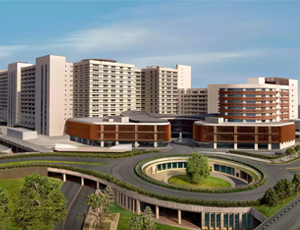
Medical Park Karadeniz Hospital is at the forefront of delivering unparalleled healthcare to national and international patients. The hospital is well-regarded for its neurology and neurosurgery units which are equipped with well-trained medical staff and the latest technologies. The provision of modern technologies at the hospital such as X-beam, ESWL, MRI, ESWL, Bone densitometry, Endoscopy, and Ultrasound ensure that patients receive the best medical care. With more than 40 skilled doctors and 332 medical personnel, the hospital continues to set benchmarks for quality healthcare in the region.
The effective treatment of conditions like stroke is necessary to prevent disabilities and save lives. The hospital has fully furnished operating theatres, intensive care units and emergency clinics to provide rapid care to stroke patients. Stroke patients receive treatment from experienced and acclaimed neurosurgeons and neurologists. Rehbailitation is also provided at the hospital which helps patients become active again after a stroke.


Kuala Lumpur, Malaysia
Number of Beds: 171
Year of Establishment: 2016


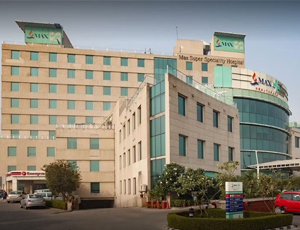
Jaypee Hospital has a specialized stroke clinic. To treat heart patients, the Clinic has state-of-the-art technology and an experienced team of neurologists, neurosurgeons, neuro-interventionists, and cardiologists. It offers a carefully curated screening package that includes tests and examinations such as fasting blood sugar, lipid profile, HbA1C, serum homocysteine, ECG, ECHO, and others.
The treatment for an artery blockage that is the cause of a stroke is either angioplasty or, in severe cases, bypass surgery. To restore normal flow, a blood vessel from another part of the body is connected to the blocked artery. Post-treatment cardiac rehabilitation is observed, in which the patient is prescribed a special diet and exercise. Intensive rehabilitation begins almost immediately. Sophisticated equipment, such as robotic rehabilitation, aids in the efficient recovery of limb function. Dr. K.M. Hassan is a renowned neurologist at Jaypee Hospital.

Ask your healthcare adviser for the best multiple options and choose the one that meets your expectations

| Speciality | Neurology |
| Procedure | Stroke Treatment |
| Success Rate | Varies by condition |
| Recovery Time | Varies by condition |
| Treatment Time | Varies by condition |
| Chances of Recurrence | Varies by condition |
Stroke treatment involves a combination of various interventions to minimize damage to the brain. The treatment approach depends on the type of stroke, whether it is ischemic (caused by a blood clot) or hemorrhagic (caused by bleeding in the brain). Ischemic stroke treatment may involve medications to dissolve or remove the clot, while hemorrhagic stroke treatment focuses on stopping bleeding and relieving pressure on the brain.
Stroke treatment can address a range of medical conditions, including ischemic stroke, hemorrhagic stroke, transient ischemic attacks (TIAs), and certain underlying risk factors that contribute to stroke, such as high blood pressure, atrial fibrillation, and carotid artery disease. The goal is to prevent further damage to the brain, restore blood flow, and manage risk factors to reduce the likelihood of future strokes.
The recovery process after a stroke depends on the severity of the stroke and individual factors. The recovery process includes rehabilitation programs like physical therapy, occupational therapy, speech therapy, and other specialized therapies. The focus is on improving motor skills, restoring speech and language abilities, and regaining independence in daily activities. Recovery is gradual and may take months or even years. Doctors may suggest lifestyle modifications and prescribe certain medications to prevent future strokes.

Patients are those who went to sleep healthy and woke up with stroke symptoms, or a stroke occurs during sleep; this is known as a wake-up stroke.