Browse verified doctors or let our care team help you find the doctor best suited to your condition, treatment goals, and budget.

Ghaziabad, India
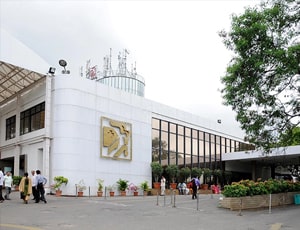
Max Super Specialty Hospital, Vaishali is a trusted healthcare provider for Laparoscopic Gall Bladder Removal, offering minimally invasive gallbladder surgery supported by experienced general surgeons, advanced laparoscopic facilities, and multidisciplinary perioperative care. Established in 2008, the NABL, NABH- accredited hospital is situated in Ghaziabad, India and has 370 beds.
Laparoscopic Gall Bladder Removal provides definitive treatment for many gallbladder conditions by removing the organ responsible for recurrent inflammation or symptoms caused by gallstones. The surgeon accesses the abdominal cavity through small incisions and uses a camera-assisted technique to safely dissect and remove the gallbladder. In cases involving severe inflammation, scarring, anatomical variations, or other complications, the surgeon may need to modify the technique or convert to an open procedure when clinically necessary.
Turan and Turan Clinic offers advanced Laparoscopic Gall Bladder Removal using modern minimally invasive surgical techniques and individualized gastrointestinal care plans. Established in 1999, the JCI accredited hospital is located in Bursa, Turkey and has 225 beds, providing comprehensive surgical care for local and international patients.
Laparoscopic Gall Bladder Removal, also known as laparoscopic cholecystectomy, is a minimally invasive procedure used to remove the gallbladder, most commonly for symptomatic gallstones, recurrent gallbladder inflammation, or other gallbladder disorders. During the procedure, a small camera and specialized surgical instruments are inserted through several small abdominal incisions to carefully separate and remove the gallbladder.
Max Hospital, Gurgaon provides specialised Laparoscopic Gall Bladder Removal with a focus on precise gallbladder removal, advanced laparoscopic techniques, and individualised postoperative care. Established in 2007, the ISO, NABH, NABL accredited hospital is located in Gurgaon, India and operates 104 beds, with modern gastrointestinal, laparoscopic, and recovery infrastructure.
Laparoscopic Gall Bladder Removal can treat symptomatic gallbladder disease by removing the gallbladder while minimizing the size of surgical incisions. Treatment planning considers the patient's symptoms, gallbladder condition, presence of stones or inflammation, previous abdominal surgery, and overall health. A detailed preoperative assessment, which may include abdominal ultrasound, blood tests, and additional imaging when required, helps the surgical team determine the most appropriate operative approach and identify any factors that may increase surgical complexity.
Sikarin Hospital is a trusted healthcare provider for Laparoscopic Gall Bladder Removal, offering minimally invasive gallbladder surgery supported by experienced general surgeons, advanced laparoscopic facilities, and multidisciplinary perioperative care. Established in 1979, the JCI- accredited hospital is situated in Bangkok, Thailand and has 354 beds.
Laparoscopic Gall Bladder Removal provides definitive treatment for many gallbladder conditions by removing the organ responsible for recurrent inflammation or symptoms caused by gallstones. The surgeon accesses the abdominal cavity through small incisions and uses a camera-assisted technique to safely dissect and remove the gallbladder. In cases involving severe inflammation, scarring, anatomical variations, or other complications, the surgeon may need to modify the technique or convert to an open procedure when clinically necessary.
Dubai, United Arab Emirates
At Zulekha Hospital Dubai, Laparoscopic Gall Bladder Removal is performed using specialised laparoscopic surgical techniques and comprehensive preoperative gastrointestinal assessment. Established in 2004, this JCI accredited hospital in Dubai, United Arab Emirates has 179 beds and offers advanced general and minimally invasive surgical services.
Laparoscopic Gall Bladder Removal may be considered for patients with symptomatic gallstones, acute or chronic cholecystitis, gallbladder polyps, or other conditions requiring removal of the gallbladder. During surgery, the surgeon uses a laparoscope to visualize the gallbladder and surrounding structures, identifies and divides the cystic duct and blood vessels, and removes the gallbladder through a small abdominal incision. Ultrasound and laboratory investigations are commonly used to assess the gallbladder and identify associated complications before surgery.
Indraprastha Apollo Hospital provides specialised Laparoscopic Gall Bladder Removal with a focus on precise gallbladder removal, advanced laparoscopic techniques, and individualised postoperative care. Established in 1996, the JCI accredited hospital is located in Delhi, India and operates 710 beds, with modern gastrointestinal, laparoscopic, and recovery infrastructure.
Laparoscopic Gall Bladder Removal can treat symptomatic gallbladder disease by removing the gallbladder while minimizing the size of surgical incisions. Treatment planning considers the patient's symptoms, gallbladder condition, presence of stones or inflammation, previous abdominal surgery, and overall health. A detailed preoperative assessment, which may include abdominal ultrasound, blood tests, and additional imaging when required, helps the surgical team determine the most appropriate operative approach and identify any factors that may increase surgical complexity.
Apollo Hospitals provides specialised Laparoscopic Gall Bladder Removal with a focus on precise gallbladder removal, advanced laparoscopic techniques, and individualised postoperative care. Established in 1988, the JCI accredited hospital is located in Hyderabad, India and operates 550 beds, with modern gastrointestinal, laparoscopic, and recovery infrastructure.
Laparoscopic Gall Bladder Removal can treat symptomatic gallbladder disease by removing the gallbladder while minimizing the size of surgical incisions. Treatment planning considers the patient's symptoms, gallbladder condition, presence of stones or inflammation, previous abdominal surgery, and overall health. A detailed preoperative assessment, which may include abdominal ultrasound, blood tests, and additional imaging when required, helps the surgical team determine the most appropriate operative approach and identify any factors that may increase surgical complexity.
Choosing Star Hospitals for Laparoscopic Gall Bladder Removal gives patients access to experienced laparoscopic surgeons, advanced imaging and surgical equipment, modern operating facilities, and structured postoperative care. Established in 2008, the NABH, NABL accredited hospital in Hyderabad, India has 435 beds and provides specialised hepatobiliary and gastrointestinal surgical services.
Laparoscopic Gall Bladder Removal is generally performed under general anaesthesia. The surgeon creates small abdominal incisions, introduces a laparoscope to visualize the gallbladder, and uses specialized instruments to detach and remove it. Patients are monitored after surgery for pain, bleeding, infection, bile leakage, digestive symptoms, and other potential complications. Most patients can gradually resume normal activities following the surgeon's postoperative instructions, with recovery depending on the underlying condition and complexity of the surgery.
Sterling Wockhardt Hospital is a trusted healthcare provider for Laparoscopic Gall Bladder Removal, offering minimally invasive gallbladder surgery supported by experienced general surgeons, advanced laparoscopic facilities, and multidisciplinary perioperative care. Established in 2001, the NABL- accredited hospital is situated in Mumbai, India and has 225 beds.
Laparoscopic Gall Bladder Removal provides definitive treatment for many gallbladder conditions by removing the organ responsible for recurrent inflammation or symptoms caused by gallstones. The surgeon accesses the abdominal cavity through small incisions and uses a camera-assisted technique to safely dissect and remove the gallbladder. In cases involving severe inflammation, scarring, anatomical variations, or other complications, the surgeon may need to modify the technique or convert to an open procedure when clinically necessary.
At nanavati Super Speciality Hospital, Laparoscopic Gall Bladder Removal is performed using specialised laparoscopic surgical techniques and comprehensive preoperative gastrointestinal assessment. Established in 1950, this NABH accredited hospital in Mumbai, India has 350 beds and offers advanced general and minimally invasive surgical services.
Laparoscopic Gall Bladder Removal may be considered for patients with symptomatic gallstones, acute or chronic cholecystitis, gallbladder polyps, or other conditions requiring removal of the gallbladder. During surgery, the surgeon uses a laparoscope to visualize the gallbladder and surrounding structures, identifies and divides the cystic duct and blood vessels, and removes the gallbladder through a small abdominal incision. Ultrasound and laboratory investigations are commonly used to assess the gallbladder and identify associated complications before surgery.
Delhi, India
Max Super Speciality Hospital, Patparganj provides specialised Laparoscopic Gall Bladder Removal with a focus on precise gallbladder removal, advanced laparoscopic techniques, and individualised postoperative care. Established in 2005, the NABH, NABL, AACI accredited hospital is located in Delhi, India and operates 400 beds, with modern gastrointestinal, laparoscopic, and recovery infrastructure.
Laparoscopic Gall Bladder Removal can treat symptomatic gallbladder disease by removing the gallbladder while minimizing the size of surgical incisions. Treatment planning considers the patient's symptoms, gallbladder condition, presence of stones or inflammation, previous abdominal surgery, and overall health. A detailed preoperative assessment, which may include abdominal ultrasound, blood tests, and additional imaging when required, helps the surgical team determine the most appropriate operative approach and identify any factors that may increase surgical complexity.
Centro Medico Teknon offers advanced Laparoscopic Gall Bladder Removal using modern minimally invasive surgical techniques and individualized gastrointestinal care plans. Established in 1994, the JCI accredited hospital is located in Barcelona, Spain and has 211 beds, providing comprehensive surgical care for local and international patients.
Laparoscopic Gall Bladder Removal, also known as laparoscopic cholecystectomy, is a minimally invasive procedure used to remove the gallbladder, most commonly for symptomatic gallstones, recurrent gallbladder inflammation, or other gallbladder disorders. During the procedure, a small camera and specialized surgical instruments are inserted through several small abdominal incisions to carefully separate and remove the gallbladder.
Hospital Quironsalud Barcelona provides specialised Laparoscopic Gall Bladder Removal with a focus on precise gallbladder removal, advanced laparoscopic techniques, and individualised postoperative care. Established in 1944, the JCI, ISO accredited hospital is located in Barcelona, Spain and operates 165 beds, with modern gastrointestinal, laparoscopic, and recovery infrastructure.
Laparoscopic Gall Bladder Removal can treat symptomatic gallbladder disease by removing the gallbladder while minimizing the size of surgical incisions. Treatment planning considers the patient's symptoms, gallbladder condition, presence of stones or inflammation, previous abdominal surgery, and overall health. A detailed preoperative assessment, which may include abdominal ultrasound, blood tests, and additional imaging when required, helps the surgical team determine the most appropriate operative approach and identify any factors that may increase surgical complexity.
The London Clinic offers advanced Laparoscopic Gall Bladder Removal using modern minimally invasive surgical techniques and individualized gastrointestinal care plans. Established in , the JCI accredited hospital is located in London, United Kingdom and has 234 beds, providing comprehensive surgical care for local and international patients.
Laparoscopic Gall Bladder Removal, also known as laparoscopic cholecystectomy, is a minimally invasive procedure used to remove the gallbladder, most commonly for symptomatic gallstones, recurrent gallbladder inflammation, or other gallbladder disorders. During the procedure, a small camera and specialized surgical instruments are inserted through several small abdominal incisions to carefully separate and remove the gallbladder.
Farrer Park Hospital is a trusted healthcare provider for Laparoscopic Gall Bladder Removal, offering minimally invasive gallbladder surgery supported by experienced general surgeons, advanced laparoscopic facilities, and multidisciplinary perioperative care. Established in 2016, the - accredited hospital is situated in Singapore, Singapore and has 220 beds.
Laparoscopic Gall Bladder Removal provides definitive treatment for many gallbladder conditions by removing the organ responsible for recurrent inflammation or symptoms caused by gallstones. The surgeon accesses the abdominal cavity through small incisions and uses a camera-assisted technique to safely dissect and remove the gallbladder. In cases involving severe inflammation, scarring, anatomical variations, or other complications, the surgeon may need to modify the technique or convert to an open procedure when clinically necessary.
Laparoscopic gallbladder removal, also known as Laparoscopic Cholecystectomy, is a minimally invasive surgical procedure in which the gallbladder is removed from the patient’s body. The gallbladder is a small organ located below the liver that stores bile produced by the liver. During the procedure, small incisions are made in the abdomen, and a laparoscope (a thin, flexible tube with a camera) and surgical instruments are inserted to perform the removal.
Laparoscopic gallbladder removal may be recommended by your surgeon to treat conditions like gallstones and gallbladder inflammation (Cholecystitis).
The recovery process after a Laparoscopic Gall Bladder Removal is generally faster and less painful compared to traditional open surgery. Patients may stay in the hospital for a day or go home the same day. They may experience some discomfort at the incision sites, which usually resolves within a few days. Full recovery typically takes about 1 to 2 weeks, during which patients are advised to rest, avoid heavy lifting, and follow their surgeon's post-operative instructions. Most patients can resume normal activities and return to work within a couple of weeks after the procedure.