Browse verified doctors or let our care team help you find the doctor best suited to your condition, treatment goals, and budget.
Choosing The London Clinic for PDA Closure gives patients access to experienced pediatric cardiac specialists, advanced echocardiography and catheterisation facilities, intensive care support, and structured follow-up care. Established in , the JCI accredited hospital in London, United Kingdom has 234 beds and provides specialised congenital cardiac services.
PDA Closure may be performed under sedation or general anaesthesia depending on the patient's age, treatment method, and clinical circumstances. During transcatheter closure, a catheter is guided through a blood vessel to deliver a closure device into the PDA. Surgical closure may be considered when catheter-based treatment is unsuitable, particularly in some small infants. After treatment, patients are monitored for blood pressure, heart function, residual blood flow, and potential complications before discharge and follow-up.
Farrer Park Hospital is a trusted healthcare provider for PDA Closure, offering specialised PDA treatment supported by experienced paediatric cardiologists and cardiac surgeons, modern catheterisation facilities, and multidisciplinary cardiovascular care. Established in 2016, the accredited hospital is situated in Singapore, Singapore and has 220 beds.
A patent ductus arteriosus can allow blood to flow continuously between the aorta and the pulmonary artery, potentially leading to pulmonary overcirculation and cardiac enlargement when the connection is significant. PDA Closure aims to eliminate this abnormal blood flow. Depending on the patient's age and PDA characteristics, the medical team may use a transcatheter closure device or surgical ligation. A detailed cardiovascular assessment helps determine the safest and most effective option.
At Venkateshwar Hospital, PDA Closure is performed using specialized pediatric cardiac techniques and comprehensive pre-procedure cardiovascular assessment. Established in 2016, this NABL, NABH accredited hospital in Delhi, India has 325 beds and offers advanced pediatric and congenital cardiac services.
PDA Closure may be considered for children or adults with a persistent ductus arteriosus that is clinically significant or complicated. In catheter-based closure, a thin catheter is introduced through a blood vessel and guided to the PDA, where a closure device is positioned to block abnormal blood flow. Echocardiography and other imaging studies are used to assess the size and anatomy of the PDA and determine the most appropriate treatment approach.
Medicana International Samsun Hospital offers advanced PDA Closure using modern congenital cardiac treatment techniques and individualized cardiovascular care plans. Established in 2011, the JCI accredited hospital is located in Samsun, Turkey and has 249 beds, providing comprehensive cardiac care for local and international patients.
PDA Closure is a procedure used to close a patent ductus arteriosus, a persistent blood vessel connecting the pulmonary artery and aorta that normally closes shortly after birth. Closure may be recommended when the PDA is significant and causes excess blood flow to the lungs or increases the workload on the heart. Depending on the patient's age, anatomy, and clinical condition, closure may be performed using a catheter-based device or surgical technique.
Medicana International Istanbul provides specialised PDA Closure with a focus on precise ductal closure, advanced pediatric cardiac techniques, and individualised post-treatment care. Established in 1992, the JCI accredited hospital is located in Istanbul, Turkey and operates 186 beds, with modern cardiac catheterisation, surgical, and critical-care infrastructure.
PDA Closure can prevent the effects of persistent abnormal blood flow between the aorta and pulmonary artery in appropriately selected patients. The treatment approach depends on the PDA's size, shape, location, the patient's age, and associated heart conditions. A detailed evaluation using echocardiography and other cardiovascular investigations helps the cardiac team determine whether transcatheter device closure or surgical closure is appropriate and plan the patient's follow-up care.
NMC Royal Hospital, Khalifa City offers advanced PDA Closure using modern congenital cardiac treatment techniques and individualized cardiovascular care plans. Established in 2017, the JCI accredited hospital is located in Abu Dhabi, United Arab Emirates and has 500 beds, providing comprehensive cardiac care for local and international patients.
PDA Closure is a procedure used to close a patent ductus arteriosus, a persistent blood vessel connecting the pulmonary artery and aorta that normally closes shortly after birth. Closure may be recommended when the PDA is significant and causes excess blood flow to the lungs or increases the workload on the heart. Depending on the patient's age, anatomy, and clinical condition, closure may be performed using a catheter-based device or surgical technique.
Memorial Antalya Hospital offers advanced PDA Closure using modern congenital cardiac treatment techniques and individualized cardiovascular care plans. Established in 2010, the JCI accredited hospital is located in Antalya, Turkey and has 114 beds, providing comprehensive cardiac care for local and international patients.
PDA Closure is a procedure used to close a patent ductus arteriosus, a persistent blood vessel connecting the pulmonary artery and aorta that normally closes shortly after birth. Closure may be recommended when the PDA is significant and causes excess blood flow to the lungs or increases the workload on the heart. Depending on the patient's age, anatomy, and clinical condition, closure may be performed using a catheter-based device or surgical technique.
Medical Park Trabzon Star Hospital offers advanced PDA Closure using modern congenital cardiac treatment techniques and individualized cardiovascular care plans. Established in 2011, the JCI accredited hospital is located in Trabzon, Turkey and has 120 beds, providing comprehensive cardiac care for local and international patients.
PDA Closure is a procedure used to close a patent ductus arteriosus, a persistent blood vessel connecting the pulmonary artery and aorta that normally closes shortly after birth. Closure may be recommended when the PDA is significant and causes excess blood flow to the lungs or increases the workload on the heart. Depending on the patient's age, anatomy, and clinical condition, closure may be performed using a catheter-based device or surgical technique.
Medical Park Usak Hospital is a trusted healthcare provider for PDA Closure, offering specialised PDA treatment supported by experienced paediatric cardiologists and cardiac surgeons, modern catheterisation facilities, and multidisciplinary cardiovascular care. Established in 2013, the JCI accredited hospital is situated in Usak, Turkey and has 106 beds.
A patent ductus arteriosus can allow blood to flow continuously between the aorta and the pulmonary artery, potentially leading to pulmonary overcirculation and cardiac enlargement when the connection is significant. PDA Closure aims to eliminate this abnormal blood flow. Depending on the patient's age and PDA characteristics, the medical team may use a transcatheter closure device or surgical ligation. A detailed cardiovascular assessment helps determine the safest and most effective option.
Medical Park Tarsus Hospital offers advanced PDA Closure using modern congenital cardiac treatment techniques and individualized cardiovascular care plans. Established in 2015, the JCI accredited hospital is located in Istanbul, Turkey and has 100 beds, providing comprehensive cardiac care for local and international patients.
PDA Closure is a procedure used to close a patent ductus arteriosus, a persistent blood vessel connecting the pulmonary artery and aorta that normally closes shortly after birth. Closure may be recommended when the PDA is significant and causes excess blood flow to the lungs or increases the workload on the heart. Depending on the patient's age, anatomy, and clinical condition, closure may be performed using a catheter-based device or surgical technique.
Choosing Medical Park Tokat Hospital for PDA Closure gives patients access to experienced pediatric cardiac specialists, advanced echocardiography and catheterisation facilities, intensive care support, and structured follow-up care. Established in 2015, the JCI accredited hospital in Tokat, Turkey has 157 beds and provides specialised congenital cardiac services.
PDA Closure may be performed under sedation or general anaesthesia depending on the patient's age, treatment method, and clinical circumstances. During transcatheter closure, a catheter is guided through a blood vessel to deliver a closure device into the PDA. Surgical closure may be considered when catheter-based treatment is unsuitable, particularly in some small infants. After treatment, patients are monitored for blood pressure, heart function, residual blood flow, and potential complications before discharge and follow-up.
VM Medical Park Samsun Hospital provides specialised PDA Closure with a focus on precise ductal closure, advanced pediatric cardiac techniques, and individualised post-treatment care. Established in 2017, the JCI accredited hospital is located in Samsun, Turkey and operates 300 beds, with modern cardiac catheterisation, surgical, and critical-care infrastructure.
PDA Closure can prevent the effects of persistent abnormal blood flow between the aorta and pulmonary artery in appropriately selected patients. The treatment approach depends on the PDA's size, shape, location, the patient's age, and associated heart conditions. A detailed evaluation using echocardiography and other cardiovascular investigations helps the cardiac team determine whether transcatheter device closure or surgical closure is appropriate and plan the patient's follow-up care.
VM Medical Park Ankara is a trusted healthcare provider for PDA Closure, offering specialised PDA treatment supported by experienced paediatric cardiologists and cardiac surgeons, modern catheterisation facilities, and multidisciplinary cardiovascular care. Established in 2014, the JCI accredited hospital is situated in Ankara, Turkey and has 327 beds.
A patent ductus arteriosus can allow blood to flow continuously between the aorta and the pulmonary artery, potentially leading to pulmonary overcirculation and cardiac enlargement when the connection is significant. PDA Closure aims to eliminate this abnormal blood flow. Depending on the patient's age and PDA characteristics, the medical team may use a transcatheter closure device or surgical ligation. A detailed cardiovascular assessment helps determine the safest and most effective option.
Choosing Avcilar Anadolu Hospital for PDA Closure gives patients access to experienced pediatric cardiac specialists, advanced echocardiography and catheterisation facilities, intensive care support, and structured follow-up care. Established in 1998, the JCI accredited hospital in Istanbul, Turkey has 120 beds and provides specialised congenital cardiac services.
PDA Closure may be performed under sedation or general anaesthesia depending on the patient's age, treatment method, and clinical circumstances. During transcatheter closure, a catheter is guided through a blood vessel to deliver a closure device into the PDA. Surgical closure may be considered when catheter-based treatment is unsuitable, particularly in some small infants. After treatment, patients are monitored for blood pressure, heart function, residual blood flow, and potential complications before discharge and follow-up.
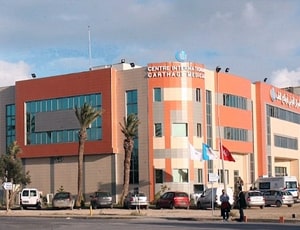
At Carthage International Medical Center, PDA Closure is performed using specialized pediatric cardiac techniques and comprehensive pre-procedure cardiovascular assessment. Established in 2014, this JCI accredited hospital in Monastir, Tunisia has 120 beds and offers advanced pediatric and congenital cardiac services.
PDA Closure may be considered for children or adults with a persistent ductus arteriosus that is clinically significant or complicated. In catheter-based closure, a thin catheter is introduced through a blood vessel and guided to the PDA, where a closure device is positioned to block abnormal blood flow. Echocardiography and other imaging studies are used to assess the size and anatomy of the PDA and determine the most appropriate treatment approach.
| Speciality | Cardiac Sciences |
| Procedure | PDA Closure |
| Success Rate | 95-98% |
| Recovery Time | 1-2 weeks |
| Treatment Time | 1-2 hours |
| Chances of Recurrence | 1% |
A PDA closure procedure is used to seal a persistent gap between the two main blood vessels emerging from the heart. It typically shuts down soon after birth. If it remains open, it is known as a patent ductus arteriosus. The doctors can close this opening with a catheter and a plug. It is a minimally invasive procedure. However, in some cases, open heart surgery may be advised. A surgeon makes a small cut between the ribs to reach the child's heart during open heart surgery. The opening is closed with stitches or clips.
PDA closure is a typical procedure performed to correct a condition known as patient ductus arteriosus. It is a congenital heart defect that causes symptoms like:
After a PDA closure, it only takes one week for the patient to get back to their normal routine. However, they may be advised to take certain precautions and take the prescribed medications afterward. Regular follow-ups are also advised.

This is the tale of Miora Tantely Rasamison, a 1-year-old girl from Madagascar whose family was extremely concerned about her health throughout the first few months of her life. Her symptoms,