Browse verified doctors or let our care team help you find the doctor best suited to your condition, treatment goals, and budget.

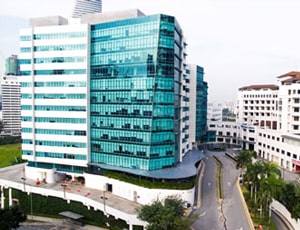
With advanced cardiac infrastructure, Prince Court Medical Centre offers Pacemaker Implantation Surgery for patients requiring long-term heart rhythm support. Established in 2007, the MSQH accredited hospital is located in Kuala Lumpur, Malaysia, and has 277 beds.
Pacemaker implantation can help maintain an appropriate heart rate in patients with slow heart rhythms or conduction problems. Depending on the clinical requirement, a single-chamber, dual-chamber, or leadless pacemaker may be used. Before the procedure, specialists perform ECG monitoring and other cardiac assessments to determine the most appropriate device and implantation approach.
Acibadem International Hospital offers advanced Pacemaker Implantation Surgery using modern cardiac techniques and internationally accepted treatment protocols. Established in 1989, the JCI accredited hospital is located in Istanbul, Turkey, with 112 beds, providing comprehensive cardiac care for local and international patients.
Pacemaker implantation involves placing a small electronic device that helps regulate an abnormally slow or irregular heartbeat. The device is connected to one or more leads positioned inside the heart, or may be implanted as a leadless system in selected patients. Before implantation, the cardiologist evaluates the heart rhythm and determines the most suitable pacemaker type.
With advanced cardiac infrastructure, Mount Elizabeth Novena Hospital offers Pacemaker Implantation Surgery for patients requiring long-term heart rhythm support. Established in 2012, the JCI accredited hospital is located in Novena, Singapore, and has 313 beds.
Pacemaker implantation can help maintain an appropriate heart rate in patients with slow heart rhythms or conduction problems. Depending on the clinical requirement, a single-chamber, dual-chamber, or leadless pacemaker may be used. Before the procedure, specialists perform ECG monitoring and other cardiac assessments to determine the most appropriate device and implantation approach.
With advanced cardiac infrastructure, Asan Medical Centre offers Pacemaker Implantation Surgery for patients requiring long-term heart rhythm support. Established in 1989, the ISO accredited hospital is located in Seoul, South Korea, and has 2700 beds.
Pacemaker implantation can help maintain an appropriate heart rate in patients with slow heart rhythms or conduction problems. Depending on the clinical requirement, a single-chamber, dual-chamber, or leadless pacemaker may be used. Before the procedure, specialists perform ECG monitoring and other cardiac assessments to determine the most appropriate device and implantation approach.
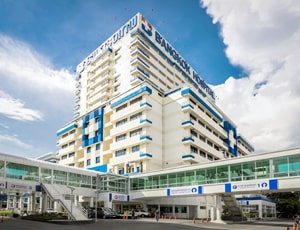
At Bangkok Hospital, patients can access Pacemaker Implantation Surgery supported by advanced electrophysiology facilities and experienced cardiac specialists. Established in 1972, the JCI accredited hospital is located in Bangkok, Thailand, and has 580 beds.
A pacemaker may be recommended for conditions such as symptomatic bradycardia, heart block, or certain rhythm disorders. Traditional systems involve placing a pulse generator under the skin and connecting it to leads inside the heart. In suitable cases, a leadless pacemaker may be considered. Cardiac testing helps guide treatment planning.
With advanced cardiac infrastructure, Mount Elizabeth Hospital offers Pacemaker Implantation Surgery for patients requiring long-term heart rhythm support. Established in 1979, the JCI accredited hospital is located in Singapore, Singapore, and has 345 beds.
Pacemaker implantation can help maintain an appropriate heart rate in patients with slow heart rhythms or conduction problems. Depending on the clinical requirement, a single-chamber, dual-chamber, or leadless pacemaker may be used. Before the procedure, specialists perform ECG monitoring and other cardiac assessments to determine the most appropriate device and implantation approach.
Delhi, India
BLK-Max Super Speciality Hospital offers specialised Pacemaker Implantation Surgery using modern cardiac technology and established electrophysiology treatment protocols. Established in 1959, the JCI, NABH accredited hospital is situated in Delhi, India, with 650 beds, serving local and international patients.
A pacemaker is designed to support the heart when its natural electrical system cannot maintain an adequate rhythm. The procedure may involve implanting a generator and cardiac leads, or, in selected cases, a leadless device. Before treatment, the cardiac team reviews the patient's symptoms, ECG, rhythm-monitoring results, medical history, and heart condition to determine the most suitable pacemaker system.
At Parkway Pantai, patients can access Pacemaker Implantation Surgery supported by advanced electrophysiology facilities and experienced cardiac specialists. Established in 1974, the JCI, MSQH accredited hospital is located in Kuala Lumpur, Malaysia, and has 499 beds.
A pacemaker may be recommended for conditions such as symptomatic bradycardia, heart block, or certain rhythm disorders. Traditional systems involve placing a pulse generator under the skin and connecting it to leads inside the heart. In suitable cases, a leadless pacemaker may be considered. Cardiac testing helps guide treatment planning.
Vejthani Hospital offers advanced Pacemaker Implantation Surgery using modern cardiac techniques and internationally accepted treatment protocols. Established in 1994, the JCI accredited hospital is located in Bangkok, Thailand, with 263 beds, providing comprehensive cardiac care for local and international patients.
Pacemaker implantation involves placing a small electronic device that helps regulate an abnormally slow or irregular heartbeat. The device is connected to one or more leads positioned inside the heart, or may be implanted as a leadless system in selected patients. Before implantation, the cardiologist evaluates the heart rhythm and determines the most suitable pacemaker type.
Memorial Ankara Hospital provides Pacemaker Implantation Surgery using contemporary cardiac device technology and evidence-based electrophysiology care. Founded in 2014, the JCI accredited hospital is based in Ankara, Turkey, with 230 beds and services for domestic and international patients.
During implantation, the pacemaker is positioned beneath the skin, while leads are guided into the heart through a blood vessel when a conventional system is used. The device monitors heart rhythm and delivers electrical impulses when needed. The cardiologist assesses ECG findings, rhythm abnormalities, symptoms, and overall health before selecting the appropriate device.
At Artemis Health Institute, patients can access Pacemaker Implantation Surgery supported by advanced electrophysiology facilities and experienced cardiac specialists. Established in 2007, the JCI, NABH accredited hospital is located in Gurgaon, India, and has 750 beds.
A pacemaker may be recommended for conditions such as symptomatic bradycardia, heart block, or certain rhythm disorders. Traditional systems involve placing a pulse generator under the skin and connecting it to leads inside the heart. In suitable cases, a leadless pacemaker may be considered. Cardiac testing helps guide treatment planning.
Gleneagles Hospital offers advanced Pacemaker Implantation Surgery using modern cardiac techniques and internationally accepted treatment protocols. Established in 1959, the JCI accredited hospital is located in Singapore, Singapore, with 258 beds, providing comprehensive cardiac care for local and international patients.
Pacemaker implantation involves placing a small electronic device that helps regulate an abnormally slow or irregular heartbeat. The device is connected to one or more leads positioned inside the heart, or may be implanted as a leadless system in selected patients. Before implantation, the cardiologist evaluates the heart rhythm and determines the most suitable pacemaker type.
At Sunway Medical Centre, patients can access Pacemaker Implantation Surgery supported by advanced electrophysiology facilities and experienced cardiac specialists. Established in 1999, the ACHS accredited hospital is located in Kuala Lumpur, Malaysia, and has 724 beds.
A pacemaker may be recommended for conditions such as symptomatic bradycardia, heart block, or certain rhythm disorders. Traditional systems involve placing a pulse generator under the skin and connecting it to leads inside the heart. In suitable cases, a leadless pacemaker may be considered. Cardiac testing helps guide treatment planning.
Bangpakok 9 International Hospital offers specialised Pacemaker Implantation Surgery using modern cardiac technology and established electrophysiology treatment protocols. Established in 2003, the JCI, GHA accredited hospital is situated in Bangkok, Thailand, with 300 beds, serving local and international patients.
A pacemaker is designed to support the heart when its natural electrical system cannot maintain an adequate rhythm. The procedure may involve implanting a generator and cardiac leads, or, in selected cases, a leadless device. Before treatment, the cardiac team reviews the patient's symptoms, ECG, rhythm-monitoring results, medical history, and heart condition to determine the most suitable pacemaker system.
Dubai, United Arab Emirates
Aster DM Healthcare offers specialised Pacemaker Implantation Surgery using modern cardiac technology and established electrophysiology treatment protocols. Established in 1987, the JCI, NABH, NABL accredited hospital is situated in Dubai, United Arab Emirates, with 114 beds, serving local and international patients.
A pacemaker is designed to support the heart when its natural electrical system cannot maintain an adequate rhythm. The procedure may involve implanting a generator and cardiac leads, or, in selected cases, a leadless device. Before treatment, the cardiac team reviews the patient's symptoms, ECG, rhythm-monitoring results, medical history, and heart condition to determine the most suitable pacemaker system.
| Speciality | Cardiac Sciences |
| Procedure | Pacemaker Implantation Surgery |
| Success Rate | 99% |
| Recovery Time | 1-2 weeks |
| Treatment Time | 1-2 hours |
| Chances of Recurrence | 1% |
Pacemaker implantation surgery involves inserting a small electronic device known as a pacemaker into the chest to regulate the heartbeat. It is frequently used to treat irregular heart rhythms, especially bradycardia (slow heart rate) and certain types of heart block. The pacemaker is made up of a generator and one or more leads (wires) that are implanted in the heart. It continuously monitors the electrical activity of the heart and sends electrical impulses when necessary to keep the heart rate and rhythm normal.
Pacemaker implantation surgery is primarily used to treat conditions such as bradycardia (slow heart rate), atrioventricular (AV) block, sick sinus syndrome, and certain arrhythmias. These conditions can cause symptoms like fatigue, dizziness, shortness of breath, and fainting spells.
After a pacemaker implantation surgery, patients usually stay in the hospital for a short period of time for observation. During the recovery process, the incision site needs to be kept clean and dry. Activities that strain the upper body should be avoided for several weeks to allow proper healing. The patient may experience soreness and mild discomfort at the incision site, which can be managed with pain medication. Regular follow-up appointments with the cardiologist are scheduled to monitor the pacemaker's function and ensure a smooth recovery. The pacemaker's battery life is typically checked during these follow-up visits, and periodic battery replacements may be required in the future.
Receiving a pacemaker can be a life-changing experience. For many people living with slow heart rhythms or other electrical abnormalities of the heart, a pacemaker restores a normal heartbeat