Browse verified doctors or let our care team help you find the doctor best suited to your condition, treatment goals, and budget.

Sharjah, United Arab Emirates
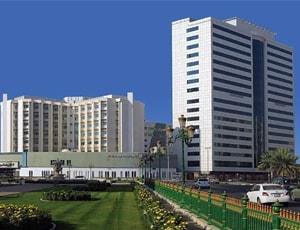
Pacemaker Implantation for single chambers at NMC Royal Hospital Sharjah is a popular procedure performed by highly experienced and trained cardiac surgeons that have years of more than 20 experience in handling complicated cases of cardiac issues efficiently. For Pacemaker Implantation, a minimally aggressive surgical approach is used which causes less pain and lessens the overall chances of any complications. Experts follow strict safety protocols for patient safety. NMC Royal Hospital Sharjah’s cardiologists and cardiothoracic surgeons are trained at reputed global centers accredited internationally. NMC Royal Hospital Sharjah is equipped with modern Cardiothoracic ICU, world-class heart and lung transplant ICUs and cardiac CCU. It also boasts high tech Cath labs with the advanced software for better imaging. The cardiac department is also equipped with 3D mapping system, 24*7 Cath lab, and Cath Labs. Much attention is given on patient safety, hygiene and quality treatment. NMC Royal Hospital Sharjah also has a modern diagnostic lab that ensures accurate reports. There are various facilities for international patients, such as accommodation, airport transfers, interpreters, etc.
Best doctors for Pacemaker Implantation Surgery at NMC Royal Hospital Sharjah:
Phyathai 2 Heart Center is a JCI-accredited healthcare facility in Thailand with well-trained doctors and nurses working in the heart center 24*7. The center is equipped with a specialized catheterization lab. Other than that, the center offers minimally invasive and robotic treatment options. Furthermore, the specialists suggest regular check-ups and comprehensive rehabilitation programs for patients who have undergone cardiac procedures. Phyathai has hybrid operating rooms where interventional treatment approaches are merged with traditional treatment methods to allow the best possible outcomes. Open-heart surgery is performed by skilled and experienced doctors.
A team of interventional radiologists, surgeons, and anesthetists work together to provide efficient care. The center has complex imaging devices, including CT scans, MRIs, and C arms. During pacemaker implantation, the surgeon makes a small incision on the chest near the rib cage. From this point on, electrodes are inserted in the heart with the purpose of regulating heart rhythm. Fluoroscopic imaging may be used while connecting the electrodes, and a generator is placed in the upper part of the rib cage. The hospital may use tests like ECG, echocardiography, Holter monitoring, and cardiac stress testing to assess the patient's condition. Assoc. Prof. Dr. Kittichai Luengtaviboon and Assist. Prof. Dr. Boonlawat Homvises are some of the cardiac specialists at the hospital.
Best doctors for Pacemaker Implantation Surgery at Phyathai 2 International Hospital:
Saudi German Hospitalhas set benchmarks as a pioneer in cardiology with path breaking work. It is recognized worldwide as a center of excellence providing effective Pacemaker Implantation for single chamber, ensuring excellent services from diagnostics and treatment to recovery and rehabilitation, by means of the latest technology and evidence- based protocols. Based on the severity of heart problems, Saudi German Hospitaluses all major and minor invasive Surgeries, Non-invasive Cardiology and Interventional Cardiology techniques for Pacemaker Implantation for single chambers. The hospital is supported by advanced laboratories performing a wide range of investigative tests before proceeding with the procedure. Saudi German Hospital serves as a major national referral center for the treatment of cardiac rhythm disorders. Its team of cardiac electrophysiologists, pacemaker clinic nursing staff, advanced practice nurses, imaging experts and other professionals closely works together to manage the diagnosis as well as treatment of heart arrhythmias.
Best doctors for Pacemaker Implantation Surgery at Saudi German Hospital:
Yanhee Hospital is renowned as Thailand's leading medical destination, offering exceptional healthcare services to patients worldwide. With its prestigious JCI and ISO accreditations, the hospital has established a reputation for delivering top-quality care to both local and international patients. Yanhee Hospital provides specialized translation and interpreter services to cater to the unique needs of international patients. Within the cardiac department, a comprehensive range of diagnostic tests, including ECG, chest X-ray, dopplers, cardiac tomography, and cardiovascular magnetic resonance imaging (CMR), are readily available, ensuring thorough evaluations for cardiac patients.
The skilled team of interventional radiologists, surgeons, and anesthetists at Yanhee Hospital delivers personalized and efficient care to their patients. During the pacemaker implantation procedure, experienced surgeons make a small incision near the rib cage, carefully placing electrodes in the heart to regulate its rhythm. Utilizing fluoroscopic imaging, the electrodes are connected, and a generator is positioned in the upper part of the rib cage. Yanhee Hospital employs various tests, including ECG, echocardiography, Holter monitoring, and cardiac stress testing, allowing for comprehensive evaluations and tailored treatment plans. Dr. Suthon Pisuttinusart, Dr. Chanchai Silpipat, and Dr. Amnat Chotechuen are some of the esteemed cardiologists and surgeons at the hospital.
Best doctors for Pacemaker Implantation Surgery at Yanhee International Hospital:
Ghaziabad, India
Max Super Specialty Hospital, Vaishali is committed to be at the leading edge of innovative cardiovascular medicine. It offers a wide range of diagnostic services and surgical procedures to ensure that patients receive quality care tailored to them. Pacemaker Implantation Surgery at Max Super Specialty Hospital, Vaishali is performed by some of the world’s most renowned heart and vascular surgeons, and cardiologists. A pacemaker might also be used to prevent an individual from having fainting spells, or to help anyone with hypertrophic cardiomyopathy and congestive heart failure. If the electrical pathway in the heart gets interrupted due to any reason, it will cause changes in the heart rate. The hospital offers treatment through medications, surgical procedures and rehabilitation. It focuses on innovation to treat its patients using the most advanced therapies, including hybrid procedures, endovascular therapy and minimally invasive robotic surgery.
Best doctors for Pacemaker Implantation Surgery at Max Super Specialty Hospital, Vaishali:
Canadian Specialist Hospital uses the latest technology like GE OPTIMA IGS 320 imaging system as well as gamma camera, to perform placement implantation surgery. It offers advanced diagnostic tests, such asTransEsophageal Echo and Holter Monitoring and Vascular Color Doppler. These screening tests help in producing accurate reports. Strict medical protocols and safety standards are followed while performing the procedure. Special focus is given to patient satisfaction, the quality of treatment and patient safety. The cardiologists at the center can handle all kinds of complexities during the surgery. The average cost of pacemaker implantation Surgery at Canadian Specialist Hospital may vary depending on several factors,such as any pre-existing condition, age of the patient, type of surgery, and facilities received. The hospital uses robotic surgery to perform the procedure. This unique technique has several benefits, including a shorter hospital stay, less blood loss and pain.Canadian Specialist Hospital has achieved a high success rate with pacemaker implantation.
Best doctors for Pacemaker Implantation Surgery at Canadian Specialist Hospital:
| Speciality | Cardiac Sciences |
| Procedure | Pacemaker Implantation Surgery |
| Success Rate | 99% |
| Recovery Time | 1-2 weeks |
| Treatment Time | 1-2 hours |
| Chances of Recurrence | 1% |
Pacemaker implantation surgery involves inserting a small electronic device known as a pacemaker into the chest to regulate the heartbeat. It is frequently used to treat irregular heart rhythms, especially bradycardia (slow heart rate) and certain types of heart block. The pacemaker is made up of a generator and one or more leads (wires) that are implanted in the heart. It continuously monitors the electrical activity of the heart and sends electrical impulses when necessary to keep the heart rate and rhythm normal.
Pacemaker implantation surgery is primarily used to treat conditions such as bradycardia (slow heart rate), atrioventricular (AV) block, sick sinus syndrome, and certain arrhythmias. These conditions can cause symptoms like fatigue, dizziness, shortness of breath, and fainting spells.
After a pacemaker implantation surgery, patients usually stay in the hospital for a short period of time for observation. During the recovery process, the incision site needs to be kept clean and dry. Activities that strain the upper body should be avoided for several weeks to allow proper healing. The patient may experience soreness and mild discomfort at the incision site, which can be managed with pain medication. Regular follow-up appointments with the cardiologist are scheduled to monitor the pacemaker's function and ensure a smooth recovery. The pacemaker's battery life is typically checked during these follow-up visits, and periodic battery replacements may be required in the future.
Receiving a pacemaker can be a life-changing experience. For many people living with slow heart rhythms or other electrical abnormalities of the heart, a pacemaker restores a normal heartbeat