Browse verified doctors or let our care team help you find the doctor best suited to your condition, treatment goals, and budget.

Quironsalud Torrevieja Hospital provides specialized Fontan Procedure with a focus on precise surgical reconstruction, advanced congenital cardiac techniques, and individualized postoperative care. Established in 2006, the ISO accredited hospital is located in Torrevieja, Spain and operates 119 beds, with modern pediatric cardiac surgical and critical-care infrastructure.
The Fontan Procedure can establish a circulation in which systemic venous blood flows directly to the lungs without being pumped by a ventricle. By reducing the volume load on the functional ventricle, the procedure can improve oxygenation and support circulation in appropriately selected patients with single-ventricle physiology. A detailed assessment before surgery helps the cardiac team determine the patient's readiness for Fontan completion and plan the most suitable surgical technique.
Medical Park Canakkale Hospital is a trusted healthcare provider for Fontan Procedure, offering complex congenital heart surgery supported by experienced pediatric cardiac surgeons, specialised operating facilities, and multidisciplinary cardiovascular care. Established in 2017, the ISO, JCI accredited hospital is situated in Canakkale, Turkey and has 92 beds.
The Fontan Procedure is generally the final stage of a staged surgical pathway for patients with single-ventricle heart defects. It redirects blood from the superior and inferior vena cava directly into the pulmonary arteries, reducing the workload on the functional ventricle and improving circulatory efficiency. Before surgery, the cardiac team evaluates ventricular function, pulmonary artery anatomy, heart rhythm, oxygen levels, and other factors that may influence suitability for Fontan circulation.
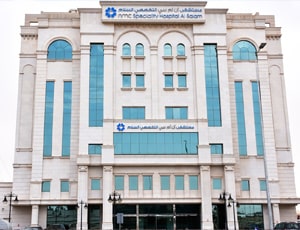
NMC Specialty Hospital Al Salam is a trusted healthcare provider for Fontan Procedure, offering complex congenital heart surgery supported by experienced pediatric cardiac surgeons, specialised operating facilities, and multidisciplinary cardiovascular care. Established in 1999, the CBAHI accredited hospital is situated in Riyadh, Saudi Arabia and has 100 beds.
The Fontan Procedure is generally the final stage of a staged surgical pathway for patients with single-ventricle heart defects. It redirects blood from the superior and inferior vena cava directly into the pulmonary arteries, reducing the workload on the functional ventricle and improving circulatory efficiency. Before surgery, the cardiac team evaluates ventricular function, pulmonary artery anatomy, heart rhythm, oxygen levels, and other factors that may influence suitability for Fontan circulation.
University Hospital Quironsalud Madrid provides specialized Fontan Procedure with a focus on precise surgical reconstruction, advanced congenital cardiac techniques, and individualized postoperative care. Established in 2006, the ISO, JCI accredited hospital is located in Madrid, Spain and operates 575 beds, with modern pediatric cardiac surgical and critical-care infrastructure.
The Fontan Procedure can establish a circulation in which systemic venous blood flows directly to the lungs without being pumped by a ventricle. By reducing the volume load on the functional ventricle, the procedure can improve oxygenation and support circulation in appropriately selected patients with single-ventricle physiology. A detailed assessment before surgery helps the cardiac team determine the patient's readiness for Fontan completion and plan the most suitable surgical technique.
Choosing Medstar Antalya Hospital for Fontan Procedure gives patients access to experienced congenital cardiac surgeons, advanced cardiovascular imaging, pediatric intensive care facilities, and structured postoperative management. Established in 2009, the JCI accredited hospital in Ankara, Turkey has 124 beds and provides specialised congenital and cardiothoracic surgical services.
The Fontan Procedure is performed under general anaesthesia and involves rerouting venous blood directly to the pulmonary arteries. Different surgical approaches may be used depending on the patient's anatomy, including an extracardiac conduit or lateral tunnel technique. After surgery, patients are closely monitored for circulation, oxygenation, heart rhythm, fluid balance, and other potential complications. Long-term follow-up is important because Fontan circulation requires ongoing cardiac assessment throughout life.
At Vinmec Smart City Hospital, Fontan Procedure is performed using specialized congenital cardiac surgical techniques and comprehensive preoperative cardiovascular assessment. Established in 2020, this JCI accredited hospital in Ha noi, Vietnam has 500 beds and offers advanced pediatric and adult congenital cardiac services.
The Fontan Procedure may be considered for patients with complex heart defects such as hypoplastic left heart syndrome, tricuspid atresia, or other conditions resulting in single-ventricle physiology. The surgical team connects the systemic venous circulation directly to the pulmonary arteries, allowing blood to reach the lungs without being pumped there by a ventricle. Detailed assessment may include echocardiography, cardiac catheterisation, CT or MRI imaging, and evaluation of lung and ventricular function before surgery.
Choosing Vinmec Da Nang for Fontan Procedure gives patients access to experienced congenital cardiac surgeons, advanced cardiovascular imaging, pediatric intensive care facilities, and structured postoperative management. Established in 2017, the JCI accredited hospital in Da Nang, Vietnam has 222 beds and provides specialised congenital and cardiothoracic surgical services.
The Fontan Procedure is performed under general anaesthesia and involves rerouting venous blood directly to the pulmonary arteries. Different surgical approaches may be used depending on the patient's anatomy, including an extracardiac conduit or lateral tunnel technique. After surgery, patients are closely monitored for circulation, oxygenation, heart rhythm, fluid balance, and other potential complications. Long-term follow-up is important because Fontan circulation requires ongoing cardiac assessment throughout life.
Vinmec Nha Trang provides specialized Fontan Procedure with a focus on precise surgical reconstruction, advanced congenital cardiac techniques, and individualized postoperative care. Established in 2017, the JCI accredited hospital is located in Nha Trang, Vietnam and operates 150 beds, with modern pediatric cardiac surgical and critical-care infrastructure.
The Fontan Procedure can establish a circulation in which systemic venous blood flows directly to the lungs without being pumped by a ventricle. By reducing the volume load on the functional ventricle, the procedure can improve oxygenation and support circulation in appropriately selected patients with single-ventricle physiology. A detailed assessment before surgery helps the cardiac team determine the patient's readiness for Fontan completion and plan the most suitable surgical technique.
At Vinmec Can Tho Hospital, Fontan Procedure is performed using specialized congenital cardiac surgical techniques and comprehensive preoperative cardiovascular assessment. Established in 2016, this JCI accredited hospital in Can Tho, Vietnam has 155 beds and offers advanced pediatric and adult congenital cardiac services.
The Fontan Procedure may be considered for patients with complex heart defects such as hypoplastic left heart syndrome, tricuspid atresia, or other conditions resulting in single-ventricle physiology. The surgical team connects the systemic venous circulation directly to the pulmonary arteries, allowing blood to reach the lungs without being pumped there by a ventricle. Detailed assessment may include echocardiography, cardiac catheterisation, CT or MRI imaging, and evaluation of lung and ventricular function before surgery.
Batra Hospital is a trusted healthcare provider for Fontan Procedure, offering complex congenital heart surgery supported by experienced pediatric cardiac surgeons, specialised operating facilities, and multidisciplinary cardiovascular care. Established in 1987, the NABH accredited hospital is situated in Delhi, India and has 495 beds.
The Fontan Procedure is generally the final stage of a staged surgical pathway for patients with single-ventricle heart defects. It redirects blood from the superior and inferior vena cava directly into the pulmonary arteries, reducing the workload on the functional ventricle and improving circulatory efficiency. Before surgery, the cardiac team evaluates ventricular function, pulmonary artery anatomy, heart rhythm, oxygen levels, and other factors that may influence suitability for Fontan circulation.
Choosing Jaypee Hospital for Fontan Procedure gives patients access to experienced congenital cardiac surgeons, advanced cardiovascular imaging, pediatric intensive care facilities, and structured postoperative management. Established in 2014, the NABH, JCI accredited hospital in Noida, India has 1200 beds and provides specialised congenital and cardiothoracic surgical services.
The Fontan Procedure is performed under general anaesthesia and involves rerouting venous blood directly to the pulmonary arteries. Different surgical approaches may be used depending on the patient's anatomy, including an extracardiac conduit or lateral tunnel technique. After surgery, patients are closely monitored for circulation, oxygenation, heart rhythm, fluid balance, and other potential complications. Long-term follow-up is important because Fontan circulation requires ongoing cardiac assessment throughout life.
Choosing Fortis Hospital, Shalimar Bagh for Fontan Procedure gives patients access to experienced congenital cardiac surgeons, advanced cardiovascular imaging, pediatric intensive care facilities, and structured postoperative management. Established in 2010, the NABH accredited hospital in Delhi, India has 262 beds and provides specialised congenital and cardiothoracic surgical services.
The Fontan Procedure is performed under general anaesthesia and involves rerouting venous blood directly to the pulmonary arteries. Different surgical approaches may be used depending on the patient's anatomy, including an extracardiac conduit or lateral tunnel technique. After surgery, patients are closely monitored for circulation, oxygenation, heart rhythm, fluid balance, and other potential complications. Long-term follow-up is important because Fontan circulation requires ongoing cardiac assessment throughout life.
Choosing Wockhardt Hospital - A new Age Hospital for Fontan Procedure gives patients access to experienced congenital cardiac surgeons, advanced cardiovascular imaging, pediatric intensive care facilities, and structured postoperative management. Established in 2014, the NABH, NABL, JCI accredited hospital in Mumbai, India has 350 beds and provides specialised congenital and cardiothoracic surgical services.
The Fontan Procedure is performed under general anaesthesia and involves rerouting venous blood directly to the pulmonary arteries. Different surgical approaches may be used depending on the patient's anatomy, including an extracardiac conduit or lateral tunnel technique. After surgery, patients are closely monitored for circulation, oxygenation, heart rhythm, fluid balance, and other potential complications. Long-term follow-up is important because Fontan circulation requires ongoing cardiac assessment throughout life.
Seven Hills Hospital offers advanced Fontan Procedure using modern congenital cardiac surgery techniques and individualized cardiovascular care plans. Established in 1986, the NABH, NABL, JCI accredited hospital is located in Mumbai, India and has 1500 beds, providing comprehensive cardiac care for local and international patients.
The Fontan Procedure is a major palliative heart surgery used for children and selected adults with complex congenital heart defects in which only one ventricle is capable of adequately supporting circulation. During the procedure, blood returning from the body is directed toward the pulmonary arteries without passing through a functional pumping chamber. This helps separate systemic and pulmonary blood flow and improves oxygenation in patients with single-ventricle physiology.
Chennai, India
Sri Ramachandra Medical Centre offers advanced Fontan Procedure using modern congenital cardiac surgery techniques and individualized cardiovascular care plans. Established in 1985, the JCI, NABH accredited hospital is located in Chennai, India and has 1800 beds, providing comprehensive cardiac care for local and international patients.
The Fontan Procedure is a major palliative heart surgery used for children and selected adults with complex congenital heart defects in which only one ventricle is capable of adequately supporting circulation. During the procedure, blood returning from the body is directed toward the pulmonary arteries without passing through a functional pumping chamber. This helps separate systemic and pulmonary blood flow and improves oxygenation in patients with single-ventricle physiology.
| Speciality | Cardiac Sciences |
| Procedure | Fontan Procedure |
| Success Rate | 90-95% |
| Recovery Time | Few days |
| Treatment Time | 5-6 hours |
| Chances of Recurrence | 5% |
The Fontan procedure is a complex surgery that is typically performed to treat congenital heart defects that result in a single functional ventricle in the heart. The Fontan procedure is usually followed by another surgical intervention known as the Glenn procedure. During the surgery, oxygen-poor blood is rerouted to go to the pulmonary artery from the lower body instead of going through the heart. This helps improve oxygenation and circulation in the body.
The Fontan procedure is used to treat congenital heart defects such as tricuspid atresia, hypoplastic left heart syndrome (HLHS), pulmonary atresia, and other conditions where the heart has only one functional pumping chamber.
Recovery after the Fontan procedure is usually challenging. The hospital stay lasts from 1 to 2 weeks. Initially, patients may be kept on medications to support heart function and prevent complications. Physical activity and movement are gradually increased under medical supervision. Regular follow-up visits are scheduled to monitor the heart's function and overall health. Long-term care and management are crucial to ensuring the best possible outcomes and quality of life for the patient. Rehabilitation is suggested by the team of healthcare experts.