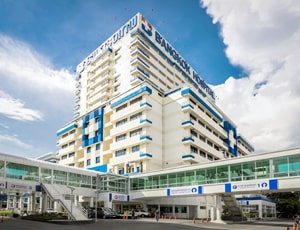
Kuala Lumpur, Malaysia
Number of Beds: 277
Year of Establishment: 2007
Medical Tourism Hospital of the Year 2024
Clinical Service Initiative of the Year 2024
Best in Community Involvement of the Year 2023
Brand of the Year in Healthcare of the Year 2023
Orthopaedic Service Provider of the Year 2023
Clinical Service Initiative of the Year 2023
Medical Tourism Hospital of the Year of the Year 2023
Top Children’s Hospital of the Year 2022
MRO Service Star of the Year 2022


Awarded by: Confederation of Indian Industry (CII)
Awarded by: Quality Council of India, in association with the Ministry of Health & Family Welfare
Awarded by: Federation of Indian Chambers of Commerce & Industry (FICCI)
Awarded by: Indian Excellence Awards
Awarded by: World Health Organization (WHO)


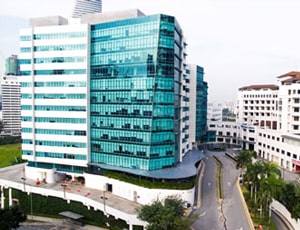
Kuala Lumpur, Malaysia
Number of Beds: 724
Year of Establishment: 1999
Frost & Sullivan: 2024 Malaysian Hospital Market Leadership Award
College of American Pathologists (CAP) Accreditation
Healthcare Asia Awards 2024: Hospital of the Year (Malaysia)
Healthcare Asia Awards 2024: Health Promotion Initiative of the Year
Reader’s Digest Trusted Brand 2024
Newsweek World’s Best Hospitals 2024
World Stroke Organisation (WSO) Angels Awards 2023 - Gold Award (Q4)
World Stroke Organisation (WSO) Angels Awards 2023 - Gold Award (Q3)


Istanbul, Turkey
Number of Beds: 441
Year of Establishment: 2022
Ask your healthcare adviser for the best multiple options and choose the one that meets your expectations

| Speciality | Cardiac Sciences |
| Procedure | Fontan Procedure |
| Success Rate | 90-95% |
| Recovery Time | Few days |
| Treatment Time | 5-6 hours |
| Chances of Recurrence | 5% |
The Fontan procedure is a complex surgery that is typically performed to treat congenital heart defects that result in a single functional ventricle in the heart. The Fontan procedure is usually followed by another surgical intervention known as the Glenn procedure. During the surgery, oxygen-poor blood is rerouted to go to the pulmonary artery from the lower body instead of going through the heart. This helps improve oxygenation and circulation in the body.
The Fontan procedure is used to treat congenital heart defects such as tricuspid atresia, hypoplastic left heart syndrome (HLHS), pulmonary atresia, and other conditions where the heart has only one functional pumping chamber.
Recovery after the Fontan procedure is usually challenging. The hospital stay lasts from 1 to 2 weeks. Initially, patients may be kept on medications to support heart function and prevent complications. Physical activity and movement are gradually increased under medical supervision. Regular follow-up visits are scheduled to monitor the heart's function and overall health. Long-term care and management are crucial to ensuring the best possible outcomes and quality of life for the patient. Rehabilitation is suggested by the team of healthcare experts.