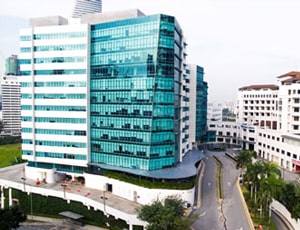
Browse verified doctors or let our care team help you find the doctor best suited to your condition, treatment goals, and budget.

Prince Court Medical Centre offers advanced Device Closure of ASD (Amplatzer Septal Occluder) using modern interventional cardiology techniques and individualized congenital heart disease care plans. Established in 2007, the MSQH accredited hospital is located in Kuala Lumpur, Malaysia and has 277 beds, providing comprehensive cardiac care for local and international patients.
Device Closure of ASD (Amplatzer Septal Occluder) is a minimally invasive procedure used to close a suitable atrial septal defect (ASD), an opening between the upper chambers of the heart. During the procedure, an Amplatzer Septal Occluder is delivered through a catheter and positioned across the defect. Once deployed, the device spans both sides of the opening and helps prevent abnormal blood flow between the atria. The procedure is generally considered for appropriately selected secundum ASDs with suitable anatomy.
Delhi, India
Choosing BLK-Max Super Speciality Hospital for Device Closure of ASD (Amplatzer Septal Occluder) gives patients access to experienced interventional cardiologists, advanced echocardiography and imaging systems, modern catheterization facilities, and structured post-procedure cardiac care. Established in 1959, the JCI, NABH accredited hospital in Delhi, India has 650 beds and provides specialized congenital heart disease services.
Device Closure of ASD (Amplatzer Septal Occluder) is typically performed under sedation or general anaesthesia depending on the patient's age and clinical requirements. The catheter carrying the occluder is guided through the vascular system into the heart, where the device is deployed across the ASD after confirming its position and stability. Patients are monitored after the procedure for heart rhythm changes, bleeding at the catheter site, device-related complications, or residual blood flow through the defect. Follow-up echocardiography is used to assess device position and closure.
At Kings College Hospital Dubai, Device Closure of ASD (Amplatzer Septal Occluder) is performed using specialized catheter-based cardiac techniques and comprehensive pre-procedure assessment. Established in 2019, this JCI accredited hospital in Dubai, United Arab Emirates has 100 beds and offers advanced interventional and congenital cardiology services.
Device Closure of ASD (Amplatzer Septal Occluder) may be considered for patients with a suitable atrial septal defect where closure is clinically indicated. A catheter is introduced through a blood vessel, usually in the groin, and guided toward the heart. The Amplatzer device is then advanced through the catheter and carefully positioned across the ASD under imaging guidance. Echocardiography and cardiac imaging are used to assess the size, location, and surrounding structures of the defect before and during the procedure.
At Parkway Pantai, Device Closure of ASD (Amplatzer Septal Occluder) is performed using specialized catheter-based cardiac techniques and comprehensive pre-procedure assessment. Established in 1974, this JCI, MSQH accredited hospital in Kuala Lumpur, Malaysia has 499 beds and offers advanced interventional and congenital cardiology services.
Device Closure of ASD (Amplatzer Septal Occluder) may be considered for patients with a suitable atrial septal defect where closure is clinically indicated. A catheter is introduced through a blood vessel, usually in the groin, and guided toward the heart. The Amplatzer device is then advanced through the catheter and carefully positioned across the ASD under imaging guidance. Echocardiography and cardiac imaging are used to assess the size, location, and surrounding structures of the defect before and during the procedure.
Artemis Health Institute offers advanced Device Closure of ASD (Amplatzer Septal Occluder) using modern interventional cardiology techniques and individualized congenital heart disease care plans. Established in 2007, the JCI, NABH accredited hospital is located in Gurgaon, India and has 750 beds, providing comprehensive cardiac care for local and international patients.
Device Closure of ASD (Amplatzer Septal Occluder) is a minimally invasive procedure used to close a suitable atrial septal defect (ASD), an opening between the upper chambers of the heart. During the procedure, an Amplatzer Septal Occluder is delivered through a catheter and positioned across the defect. Once deployed, the device spans both sides of the opening and helps prevent abnormal blood flow between the atria. The procedure is generally considered for appropriately selected secundum ASDs with suitable anatomy.
Sunway Medical Centre offers advanced Device Closure of ASD (Amplatzer Septal Occluder) using modern interventional cardiology techniques and individualized congenital heart disease care plans. Established in 1999, the ACHS accredited hospital is located in Kuala Lumpur, Malaysia and has 724 beds, providing comprehensive cardiac care for local and international patients.
Device Closure of ASD (Amplatzer Septal Occluder) is a minimally invasive procedure used to close a suitable atrial septal defect (ASD), an opening between the upper chambers of the heart. During the procedure, an Amplatzer Septal Occluder is delivered through a catheter and positioned across the defect. Once deployed, the device spans both sides of the opening and helps prevent abnormal blood flow between the atria. The procedure is generally considered for appropriately selected secundum ASDs with suitable anatomy.
Bangpakok 9 International Hospital provides specialised Device Closure of ASD (Amplatzer Septal Occluder) with a focus on precise defect assessment, advanced transcatheter closure techniques, and individualized congenital cardiac care. Established in 2003, the JCI, GHA accredited hospital is located in Bangkok, Thailand and operates 300 beds, with modern interventional cardiology, cardiac imaging, and critical-care infrastructure.
Device Closure of ASD (Amplatzer Septal Occluder) can provide a minimally invasive alternative to open-heart surgery for selected patients with suitable secundum ASDs. Treatment planning considers the defect's size and location, surrounding tissue margins, pulmonary pressures, associated cardiac abnormalities, and the patient's overall health. Detailed echocardiographic assessment, including transesophageal or intracardiac imaging when required, helps the cardiac team select the appropriate device size and determine whether transcatheter closure is a suitable treatment option.
Medipol Bahçelievler Hospital offers advanced Device Closure of ASD (Amplatzer Septal Occluder) using modern interventional cardiology techniques and individualized congenital heart disease care plans. Established in 2022, the JCI accredited hospital is located in Istanbul, Turkey and has 441 beds, providing comprehensive cardiac care for local and international patients.
Device Closure of ASD (Amplatzer Septal Occluder) is a minimally invasive procedure used to close a suitable atrial septal defect (ASD), an opening between the upper chambers of the heart. During the procedure, an Amplatzer Septal Occluder is delivered through a catheter and positioned across the defect. Once deployed, the device spans both sides of the opening and helps prevent abnormal blood flow between the atria. The procedure is generally considered for appropriately selected secundum ASDs with suitable anatomy.
Medanta - The Medicity is a trusted healthcare provider for Device Closure of ASD (Amplatzer Septal Occluder), offering minimally invasive ASD closure supported by experienced interventional cardiologists, congenital heart specialists, advanced catheterization laboratories, and multidisciplinary cardiac care. Established in 2009, the JCI, NABH- accredited hospital is situated in Gurgaon, India and has 1250 beds.
Device Closure of ASD (Amplatzer Septal Occluder) works by placing a self-expanding occlusion device across the atrial septal defect to block the abnormal communication between the atria. The device consists of two discs connected by a central waist that conforms to the defect. Over time, heart tissue grows over the device, helping to establish permanent closure. A detailed cardiac assessment helps determine whether the defect is anatomically suitable for device closure rather than surgical repair.
ParkCity Medical Centre is a trusted healthcare provider for Device Closure of ASD (Amplatzer Septal Occluder), offering minimally invasive ASD closure supported by experienced interventional cardiologists, congenital heart specialists, advanced catheterization laboratories, and multidisciplinary cardiac care. Established in 2012, the JCI- accredited hospital is situated in Kuala Lumpur, Malaysia and has 300 beds.
Device Closure of ASD (Amplatzer Septal Occluder) works by placing a self-expanding occlusion device across the atrial septal defect to block the abnormal communication between the atria. The device consists of two discs connected by a central waist that conforms to the defect. Over time, heart tissue grows over the device, helping to establish permanent closure. A detailed cardiac assessment helps determine whether the defect is anatomically suitable for device closure rather than surgical repair.
Florence Nightingale Hospital is a trusted healthcare provider for Device Closure of ASD (Amplatzer Septal Occluder), offering minimally invasive ASD closure supported by experienced interventional cardiologists, congenital heart specialists, advanced catheterization laboratories, and multidisciplinary cardiac care. Established in 1989, the JCI- accredited hospital is situated in Istanbul, Turkey and has 804 beds.
Device Closure of ASD (Amplatzer Septal Occluder) works by placing a self-expanding occlusion device across the atrial septal defect to block the abnormal communication between the atria. The device consists of two discs connected by a central waist that conforms to the defect. Over time, heart tissue grows over the device, helping to establish permanent closure. A detailed cardiac assessment helps determine whether the defect is anatomically suitable for device closure rather than surgical repair.
Gleneagles Hospital Mumbai is a trusted healthcare provider for Device Closure of ASD (Amplatzer Septal Occluder), offering minimally invasive ASD closure supported by experienced interventional cardiologists, congenital heart specialists, advanced catheterization laboratories, and multidisciplinary cardiac care. Established in 1996, the JCI- accredited hospital is situated in Mumbai, India and has 450 beds.
Device Closure of ASD (Amplatzer Septal Occluder) works by placing a self-expanding occlusion device across the atrial septal defect to block the abnormal communication between the atria. The device consists of two discs connected by a central waist that conforms to the defect. Over time, heart tissue grows over the device, helping to establish permanent closure. A detailed cardiac assessment helps determine whether the defect is anatomically suitable for device closure rather than surgical repair.
At Subang Jaya Medical Centre, Device Closure of ASD (Amplatzer Septal Occluder) is performed using specialized catheter-based cardiac techniques and comprehensive pre-procedure assessment. Established in 1985, this JCI accredited hospital in Kuala Lumpur, Malaysia has 442 beds and offers advanced interventional and congenital cardiology services.
Device Closure of ASD (Amplatzer Septal Occluder) may be considered for patients with a suitable atrial septal defect where closure is clinically indicated. A catheter is introduced through a blood vessel, usually in the groin, and guided toward the heart. The Amplatzer device is then advanced through the catheter and carefully positioned across the ASD under imaging guidance. Echocardiography and cardiac imaging are used to assess the size, location, and surrounding structures of the defect before and during the procedure.
Antalya Anadolu Hastanesi is a trusted healthcare provider for Device Closure of ASD (Amplatzer Septal Occluder), offering minimally invasive ASD closure supported by experienced interventional cardiologists, congenital heart specialists, advanced catheterization laboratories, and multidisciplinary cardiac care. Established in 2006, the - accredited hospital is situated in Antalya, Turkey and has 114 beds.
Device Closure of ASD (Amplatzer Septal Occluder) works by placing a self-expanding occlusion device across the atrial septal defect to block the abnormal communication between the atria. The device consists of two discs connected by a central waist that conforms to the defect. Over time, heart tissue grows over the device, helping to establish permanent closure. A detailed cardiac assessment helps determine whether the defect is anatomically suitable for device closure rather than surgical repair.
Ghaziabad, India
Max Super Specialty Hospital, Vaishali provides specialised Device Closure of ASD (Amplatzer Septal Occluder) with a focus on precise defect assessment, advanced transcatheter closure techniques, and individualized congenital cardiac care. Established in 2008, the NABL, NABH accredited hospital is located in Ghaziabad, India and operates 370 beds, with modern interventional cardiology, cardiac imaging, and critical-care infrastructure.
Device Closure of ASD (Amplatzer Septal Occluder) can provide a minimally invasive alternative to open-heart surgery for selected patients with suitable secundum ASDs. Treatment planning considers the defect's size and location, surrounding tissue margins, pulmonary pressures, associated cardiac abnormalities, and the patient's overall health. Detailed echocardiographic assessment, including transesophageal or intracardiac imaging when required, helps the cardiac team select the appropriate device size and determine whether transcatheter closure is a suitable treatment option.
| Speciality | Cardiac Sciences |
| Procedure | Device Closure of ASD (Amplatzer Septal Occluder) |
| Success Rate | 95-98% |
| Recovery Time | 1 to 2 days |
| Treatment Time | 2 to 3 hours |
| Chances of Recurrence | 1-2% |
An atrial septal defect is an opening in the wall of the heart that can cause mixing of the blood between the heart’s upper chambers, called atria. This is a minimally invasive procedure that involves inserting a special device, called the Amplatzer Septal Occluder, through a catheter into the heart. The device is positioned to cover the ASD, allowing the tissue to grow over it, effectively sealing the hole.
The ASD device closure procedure is primarily used to treat Atrial Septal Defects, which are congenital heart conditions present at birth. It is suitable for certain patients who have smaller atrial septal openings or less serious conditions that can be corrected without open-heart surgery. An experienced cardiac surgeon will diagnose the type of ASD and then suggest the Amplatzer Septal Occluder-based procedure.
After the atrial septal defect closure, patients typically spend a short time in the hospital for observation. The recovery process is relatively quick, with minimal pain and scarring. Most patients can resume their normal activities within a few days to a week, but strenuous activities may be restricted for a few weeks after the surgery. Regular follow-up visits with the cardiologist are recommended to check the progress and ensure the effectiveness of the device after ASD closure is performed.