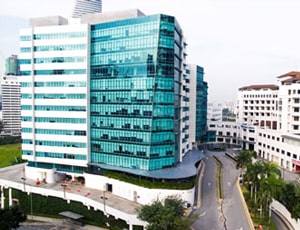
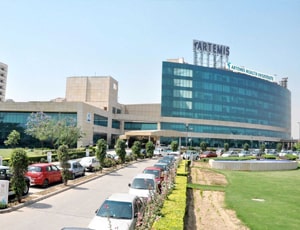
Max Super Specialty Hospital, Vaishali provides specialised Device Closure of ASD (Amplatzer Septal Occluder) with a focus on precise defect assessment, advanced transcatheter closure techniques, and individualized congenital cardiac care. Established in 2008, the NABL, NABH accredited hospital is located in Ghaziabad, India and operates 370 beds, with modern interventional cardiology, cardiac imaging, and critical-care infrastructure.
Device Closure of ASD (Amplatzer Septal Occluder) can provide a minimally invasive alternative to open-heart surgery for selected patients with suitable secundum ASDs. Treatment planning considers the defect's size and location, surrounding tissue margins, pulmonary pressures, associated cardiac abnormalities, and the patient's overall health. Detailed echocardiographic assessment, including transesophageal or intracardiac imaging when required, helps the cardiac team select the appropriate device size and determine whether transcatheter closure is a suitable treatment option.