Browse verified doctors or let our care team help you find the doctor best suited to your condition, treatment goals, and budget.

At Apollo Multispecialty Hospitals, CABG - Redo is performed using advanced cardiac imaging, surgical planning, and specialized revascularization techniques. Established in 2003, this JCI, ISO accredited hospital in Kolkata, India has 700 beds and offers comprehensive cardiovascular and post-operative care.
CABG – Redo may be considered when recurrent coronary artery disease causes significant narrowing and cannot be adequately managed with medication or catheter-based treatment. Before repeat bypass surgery, cardiologists and cardiac surgeons evaluate the patient's previous grafts, coronary anatomy, heart function, and other medical conditions. During the operation, new grafts are connected to bypass diseased coronary segments and restore blood flow to areas of the heart muscle. The surgical plan is tailored to the patient's previous operation and current coronary anatomy.
Apollo Hospital is a trusted healthcare provider for CABG - Redo, offering specialized repeat coronary bypass surgery supported by experienced cardiothoracic surgeons and advanced cardiac-care facilities. Established in 1983, the JCI accredited hospital is situated in Chennai, India and has 550 beds.
Redo CABG is performed for selected patients who have previously undergone CABG but later develop recurrent or progressive coronary artery disease. The repeat procedure may involve using arterial or venous conduits to establish alternative routes around newly narrowed or previously bypassed coronary arteries. Since scar tissue from the earlier operation can make re-entry and dissection more challenging, surgeons carefully review previous surgical records and current imaging before proceeding. Recovery includes close cardiac monitoring, medication management, and rehabilitation.
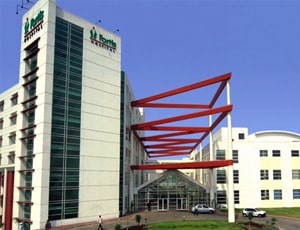
Fortis Hospital offers advanced CABG – Redo using specialized cardiac surgical techniques and individualized treatment planning. Established in 2004, the NABH, NABL accredited hospital is located in Noida, India and has 400 beds, providing comprehensive cardiac care for local and international patients.
Redo CABG is a repeat coronary artery bypass operation performed when a patient who has previously undergone bypass surgery develops significant coronary artery disease again. Existing grafts may have narrowed or become blocked, or new blockages may develop in native coronary arteries. The procedure involves creating new bypass pathways using suitable blood vessels. Because repeat surgery can be technically more complex due to previous surgical changes, detailed coronary imaging and careful assessment of the heart and existing grafts are important before treatment.
Jimenez Diaz Foundation University Hospital is a trusted healthcare provider for CABG - Redo, offering specialized repeat coronary bypass surgery supported by experienced cardiothoracic surgeons and advanced cardiac-care facilities. Established in 1935, the ISO, JCI accredited hospital is situated in Madrid, Spain and has 686 beds.
Redo CABG is performed for selected patients who have previously undergone CABG but later develop recurrent or progressive coronary artery disease. The repeat procedure may involve using arterial or venous conduits to establish alternative routes around newly narrowed or previously bypassed coronary arteries. Since scar tissue from the earlier operation can make re-entry and dissection more challenging, surgeons carefully review previous surgical records and current imaging before proceeding. Recovery includes close cardiac monitoring, medication management, and rehabilitation.
Medical Park Gebze Hospital offers advanced CABG – Redo using specialized cardiac surgical techniques and individualized treatment planning. Established in 2015, the JCI accredited hospital is located in Kocaeli, Turkey and has 120 beds, providing comprehensive cardiac care for local and international patients.
Redo CABG is a repeat coronary artery bypass operation performed when a patient who has previously undergone bypass surgery develops significant coronary artery disease again. Existing grafts may have narrowed or become blocked, or new blockages may develop in native coronary arteries. The procedure involves creating new bypass pathways using suitable blood vessels. Because repeat surgery can be technically more complex due to previous surgical changes, detailed coronary imaging and careful assessment of the heart and existing grafts are important before treatment.
Hannibal International Clinic provides specialized CABG - Redo with a focus on complex coronary revascularization, careful surgical planning, and patient safety. Established in 2007, the accredited hospital is located in Tunis, Tunisia and operates 120 beds with modern cardiothoracic surgery infrastructure.
CABG – Redo is a complex repeat operation intended to improve blood flow to the heart in patients who have previously undergone coronary bypass surgery. The need for repeat revascularization can arise from deterioration of older grafts, progression of coronary artery disease, or development of new coronary blockages. Comprehensive evaluation may include coronary angiography, CT imaging in selected cases, echocardiography, and assessment of existing grafts. During surgery, the team may use available arterial or venous vessels to create new bypasses. After the operation, patients require careful monitoring and a structured recovery program to support cardiovascular health.
Choosing Clinique Internationale Marrakech for CABG - Redo gives patients access to experienced cardiac surgeons, advanced coronary imaging, intensive cardiac monitoring, and comprehensive rehabilitation support. Established in 2016, the accredited hospital in Marrakesh, Morocco has 160 beds and provides specialized coronary revascularization services.
CABG – Redo may be required when previous bypass grafts have failed or when progressive disease affects other coronary vessels. Doctors first determine whether medication, angioplasty, stenting, or repeat surgery is the most appropriate option. If redo CABG is selected, surgeons develop a detailed plan to identify usable graft vessels and safely access the heart despite previous surgical scarring. The number and location of new bypasses depend on the coronary blockages and the condition of existing grafts.
Manipal Hospital, Dwarka provides specialized CABG - Redo with a focus on complex coronary revascularization, careful surgical planning, and patient safety. Established in 2018, the NABH accredited hospital is located in Delhi, India and operates 380 beds with modern cardiothoracic surgery infrastructure.
CABG – Redo is a complex repeat operation intended to improve blood flow to the heart in patients who have previously undergone coronary bypass surgery. The need for repeat revascularization can arise from deterioration of older grafts, progression of coronary artery disease, or development of new coronary blockages. Comprehensive evaluation may include coronary angiography, CT imaging in selected cases, echocardiography, and assessment of existing grafts. During surgery, the team may use available arterial or venous vessels to create new bypasses. After the operation, patients require careful monitoring and a structured recovery program to support cardiovascular health.
Choosing Guven Hospital for CABG - Redo gives patients access to experienced cardiac surgeons, advanced coronary imaging, intensive cardiac monitoring, and comprehensive rehabilitation support. Established in 1975, the GHA accredited hospital in Ankara, Turkey has 254 beds and provides specialized coronary revascularization services.
CABG – Redo may be required when previous bypass grafts have failed or when progressive disease affects other coronary vessels. Doctors first determine whether medication, angioplasty, stenting, or repeat surgery is the most appropriate option. If redo CABG is selected, surgeons develop a detailed plan to identify usable graft vessels and safely access the heart despite previous surgical scarring. The number and location of new bypasses depend on the coronary blockages and the condition of existing grafts.
At Dr. Rela Institute and Medical Centre, CABG - Redo is performed using advanced cardiac imaging, surgical planning, and specialized revascularization techniques. Established in 2018, this NABH, NABL accredited hospital in Chennai, India has 450 beds and offers comprehensive cardiovascular and post-operative care.
CABG – Redo may be considered when recurrent coronary artery disease causes significant narrowing and cannot be adequately managed with medication or catheter-based treatment. Before repeat bypass surgery, cardiologists and cardiac surgeons evaluate the patient's previous grafts, coronary anatomy, heart function, and other medical conditions. During the operation, new grafts are connected to bypass diseased coronary segments and restore blood flow to areas of the heart muscle. The surgical plan is tailored to the patient's previous operation and current coronary anatomy.
Quironsalud Marbella Hospital provides specialized CABG - Redo with a focus on complex coronary revascularization, careful surgical planning, and patient safety. Established in 1979, the ISO accredited hospital is located in Marbella, Spain and operates 120 beds with modern cardiothoracic surgery infrastructure.
CABG – Redo is a complex repeat operation intended to improve blood flow to the heart in patients who have previously undergone coronary bypass surgery. The need for repeat revascularization can arise from deterioration of older grafts, progression of coronary artery disease, or development of new coronary blockages. Comprehensive evaluation may include coronary angiography, CT imaging in selected cases, echocardiography, and assessment of existing grafts. During surgery, the team may use available arterial or venous vessels to create new bypasses. After the operation, patients require careful monitoring and a structured recovery program to support cardiovascular health.
Choosing Yatharth hospital for CABG - Redo gives patients access to experienced cardiac surgeons, advanced coronary imaging, intensive cardiac monitoring, and comprehensive rehabilitation support. Established in 2008, the JCI, NABH, NABL accredited hospital in Delhi, India has 400 beds and provides specialized coronary revascularization services.
CABG – Redo may be required when previous bypass grafts have failed or when progressive disease affects other coronary vessels. Doctors first determine whether medication, angioplasty, stenting, or repeat surgery is the most appropriate option. If redo CABG is selected, surgeons develop a detailed plan to identify usable graft vessels and safely access the heart despite previous surgical scarring. The number and location of new bypasses depend on the coronary blockages and the condition of existing grafts.
Vinmec Phu Quoc Hospital offers advanced CABG – Redo using specialized cardiac surgical techniques and individualized treatment planning. Established in 2015, the JCI accredited hospital is located in Phu Quoc, Vietnam and has 150 beds, providing comprehensive cardiac care for local and international patients.
Redo CABG is a repeat coronary artery bypass operation performed when a patient who has previously undergone bypass surgery develops significant coronary artery disease again. Existing grafts may have narrowed or become blocked, or new blockages may develop in native coronary arteries. The procedure involves creating new bypass pathways using suitable blood vessels. Because repeat surgery can be technically more complex due to previous surgical changes, detailed coronary imaging and careful assessment of the heart and existing grafts are important before treatment.
Vinmec Times City offers advanced CABG – Redo using specialized cardiac surgical techniques and individualized treatment planning. Established in 2012, the JCI accredited hospital is located in Ha noi, Vietnam and has 500 beds, providing comprehensive cardiac care for local and international patients.
Redo CABG is a repeat coronary artery bypass operation performed when a patient who has previously undergone bypass surgery develops significant coronary artery disease again. Existing grafts may have narrowed or become blocked, or new blockages may develop in native coronary arteries. The procedure involves creating new bypass pathways using suitable blood vessels. Because repeat surgery can be technically more complex due to previous surgical changes, detailed coronary imaging and careful assessment of the heart and existing grafts are important before treatment.
At Casa di Cura La Madonnina, CABG - Redo is performed using advanced cardiac imaging, surgical planning, and specialized revascularization techniques. Established in 1958, this SSN accredited hospital in milan, Italy has 560 beds and offers comprehensive cardiovascular and post-operative care.
CABG – Redo may be considered when recurrent coronary artery disease causes significant narrowing and cannot be adequately managed with medication or catheter-based treatment. Before repeat bypass surgery, cardiologists and cardiac surgeons evaluate the patient's previous grafts, coronary anatomy, heart function, and other medical conditions. During the operation, new grafts are connected to bypass diseased coronary segments and restore blood flow to areas of the heart muscle. The surgical plan is tailored to the patient's previous operation and current coronary anatomy.
| Speciality | Cardiac Sciences |
| Procedure | CABG - Redo |
| Success Rate | 70-85% |
| Recovery Time | 4 to 6 weeks |
| Treatment Time | 3 to 6 hours |
| Chances of Recurrence | 5-15% |
CABG - Redo stands for Coronary Artery Bypass Grafting - Redo, which is a surgical procedure performed when a previous CABG surgery requires revision. It is recommended when the initial bypass grafts develop blockages or complications. During the procedure, a skilled cardiac surgeon creates new pathways for blood flow to the heart muscle by bypassing blocked or narrowed coronary arteries. During this procedure, the doctor may use healthy blood vessels from the patient's chest or leg to create new grafts. CABG - Redo allows improved blood flow and oxygen supply to the heart.
CABG - Redo is primarily used to rectify coronary artery disease when the previous bypass grafts have failed or developed certain issues. Conditions such as graft blockages, graft failure, recurrent angina (chest pain), or new blockages in other coronary arteries may require a redo procedure. Patients with severe coronary artery disease or those at high risk of heart attacks are suggested to undergo this procedure.
The recovery process after a CABG - Redo is similar to the initial CABG recovery. In the immediate postoperative period, the patient is closely monitored in the hospital's cardiac intensive care unit. They are gradually mobilized and encouraged to perform breathing exercises and physical therapy. Pain management and wound care are essential during recovery. Full recovery may take several weeks or months. During this period, the patient should undergo cardiac rehabilitation, maintain a healthy diet, and take medications as advised by their healthcare team. Regular follow-up visits with the surgeon are crucial to monitor progress and ensure proper healing.

I am appreciative to Manipal Hospital and Dr. Yugal Kishore Mishra for their pre-operative counseling and consultations. I want to thank MediGence for all of their assistance, which began with helping me choose the best doctor,