Browse verified doctors or let our care team help you find the doctor best suited to your condition, treatment goals, and budget.

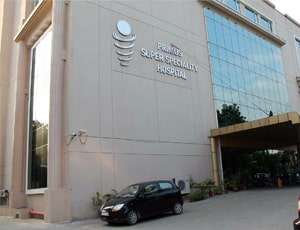
nanavati Super Speciality Hospital delivers specialised Angiography (Including Non-Ionic Contrast) using contemporary imaging equipment and established medical practices. The hospital was established in 1950. The NABH hospital is located in Mumbai, India It has 350 beds and provides diagnostic and treatment services for patients, including those travelling internationally for medical care.
Angiography (Including Non-Ionic Contrast) is performed to assess the condition of blood vessels and help specialists identify blockages, narrowing, or other vascular abnormalities. The procedure typically involves introducing a non-ionic contrast agent that allows blood vessels to be visualised more clearly during imaging. Before undergoing angiography, patients are assessed for relevant medical conditions, kidney function, medications, and possible allergies or previous contrast reactions. Post-procedure monitoring and personalised instructions are provided based on the patient's condition.
Rabin Medical Center provides advanced Angiography (Including Non-Ionic Contrast) using modern imaging technology and internationally accepted diagnostic protocols. Established in 1996, the JCI accredited hospital is located in Petah Tikva, Israel, and has 1300 beds, offering comprehensive diagnostic and cardiac care for local and international patients.
Angiography (Including Non-Ionic Contrast) is a diagnostic imaging procedure used to examine blood vessels and identify narrowing, blockages, or other vascular abnormalities. A non-ionic contrast agent is injected to improve the visibility of blood vessels during imaging. Before the procedure, the specialist reviews the patient's medical history, kidney function, allergies, and imaging requirements. Patients are monitored during and after the procedure, with hydration and post-procedure instructions.
Medicana International Ankara Hospital provides advanced Angiography (Including Non-Ionic Contrast) using modern imaging technology and internationally accepted diagnostic protocols. Established in 2008, the JCI accredited hospital is located in Ankara, Turkey, and has 215 beds, offering comprehensive diagnostic and cardiac care for local and international patients.
Angiography (Including Non-Ionic Contrast) is a diagnostic imaging procedure used to examine blood vessels and identify narrowing, blockages, or other vascular abnormalities. A non-ionic contrast agent is injected to improve the visibility of blood vessels during imaging. Before the procedure, the specialist reviews the patient's medical history, kidney function, allergies, and imaging requirements. Patients are monitored during and after the procedure, with hydration and post-procedure instructions.
Abu Dhabi, United Arab Emirates
At LLH Hospital, Abu Dhabi, patients can access Angiography (Including Non-Ionic Contrast) supported by advanced imaging systems and experienced specialists. Established in 2007, the JCI hospital is situated in Abu Dhabi, United Arab Emirates, with 750 beds and facilities designed to provide specialised care to both domestic and international patients.
Angiography (Including Non-Ionic Contrast) helps doctors visualise blood vessels and assess conditions such as arterial narrowing, blockages, or abnormal blood flow. The procedure involves administering a non-ionic contrast medium before or during imaging to enhance vascular visibility. The treating specialist determines the appropriate approach after evaluating the patient's symptoms, medical history, kidney function, and any previous reactions to contrast agents. Following the procedure, patients are observed for recovery and advised on appropriate aftercare.
With advanced diagnostic infrastructure, University Hospital provides Angiography (Including Non-Ionic Contrast) to evaluate vascular conditions. Established in 1842, the SAC hospital is based in Basel, Switzerland, has 773 beds, and offers comprehensive healthcare services to local and international patients.
Angiography (Including Non-Ionic Contrast) enables specialists to examine blood vessels and identify abnormalities such as narrowing, obstruction, or changes in blood flow. A non-ionic contrast medium is used to enhance the visibility of the vessels during diagnostic imaging. Prior to the procedure, the medical team reviews the patient's health history, medications, kidney function, and potential contrast-related risks. After the examination, appropriate observation and post-procedure guidance are provided to support a safe recovery.
Delhi, India
At Max Super Speciality Hospital, Patparganj, patients can access Angiography (Including Non-Ionic Contrast) supported by advanced imaging systems and experienced specialists. Established in 2005, the NABH, NABL, AACI hospital is situated in Delhi, India, with 400 beds and facilities designed to provide specialised care to both domestic and international patients.
Angiography (Including Non-Ionic Contrast) helps doctors visualise blood vessels and assess conditions such as arterial narrowing, blockages, or abnormal blood flow. The procedure involves administering a non-ionic contrast medium before or during imaging to enhance vascular visibility. The treating specialist determines the appropriate approach after evaluating the patient's symptoms, medical history, kidney function, and any previous reactions to contrast agents. Following the procedure, patients are observed for recovery and advised on appropriate aftercare.
Centro Medico Teknon provides advanced Angiography (Including Non-Ionic Contrast) using modern imaging technology and internationally accepted diagnostic protocols. Established in 1994, the JCI accredited hospital is located in Barcelona, Spain, and has 211 beds, offering comprehensive diagnostic and cardiac care for local and international patients.
Angiography (Including Non-Ionic Contrast) is a diagnostic imaging procedure used to examine blood vessels and identify narrowing, blockages, or other vascular abnormalities. A non-ionic contrast agent is injected to improve the visibility of blood vessels during imaging. Before the procedure, the specialist reviews the patient's medical history, kidney function, allergies, and imaging requirements. Patients are monitored during and after the procedure, with hydration and post-procedure instructions.
Hospital Quironsalud Barcelona provides advanced Angiography (Including Non-Ionic Contrast) using modern imaging technology and internationally accepted diagnostic protocols. Established in 1944, the JCI, ISO accredited hospital is located in Barcelona, Spain, and has 165 beds, offering comprehensive diagnostic and cardiac care for local and international patients.
Angiography (Including Non-Ionic Contrast) is a diagnostic imaging procedure used to examine blood vessels and identify narrowing, blockages, or other vascular abnormalities. A non-ionic contrast agent is injected to improve the visibility of blood vessels during imaging. Before the procedure, the specialist reviews the patient's medical history, kidney function, allergies, and imaging requirements. Patients are monitored during and after the procedure, with hydration and post-procedure instructions.
The London Clinic delivers specialised Angiography (Including Non-Ionic Contrast) using contemporary imaging equipment and established medical practices. The hospital was established in . The JCI hospital is located in London, United Kingdom It has 234 beds and provides diagnostic and treatment services for patients, including those travelling internationally for medical care.
Angiography (Including Non-Ionic Contrast) is performed to assess the condition of blood vessels and help specialists identify blockages, narrowing, or other vascular abnormalities. The procedure typically involves introducing a non-ionic contrast agent that allows blood vessels to be visualised more clearly during imaging. Before undergoing angiography, patients are assessed for relevant medical conditions, kidney function, medications, and possible allergies or previous contrast reactions. Post-procedure monitoring and personalised instructions are provided based on the patient's condition.
Farrer Park Hospital offers Angiography (Including Non-Ionic Contrast) with modern diagnostic imaging facilities and evidence-based clinical protocols. Founded in 2016, the hospital is located in Singapore, Singapore, and has 220 beds, providing multidisciplinary medical services to International patients.
Angiography (Including Non-Ionic Contrast) is used to obtain detailed images of blood vessels and help detect conditions affecting circulation. During the procedure, a non-ionic contrast agent may be administered to make the vessels more clearly visible on imaging. The doctor assesses the patient's condition and relevant medical history before selecting the appropriate imaging technique. After angiography, patients may be monitored for a period and given instructions regarding hydration, activity, and follow-up care.
At Venkateshwar Hospital, patients can access Angiography (Including Non-Ionic Contrast) supported by advanced imaging systems and experienced specialists. Established in 2016, the NABL, NABH hospital is situated in Delhi, India, with 325 beds and facilities designed to provide specialised care to both domestic and international patients.
Angiography (Including Non-Ionic Contrast) helps doctors visualise blood vessels and assess conditions such as arterial narrowing, blockages, or abnormal blood flow. The procedure involves administering a non-ionic contrast medium before or during imaging to enhance vascular visibility. The treating specialist determines the appropriate approach after evaluating the patient's symptoms, medical history, kidney function, and any previous reactions to contrast agents. Following the procedure, patients are observed for recovery and advised on appropriate aftercare.
Medicana International Samsun Hospital provides advanced Angiography (Including Non-Ionic Contrast) using modern imaging technology and internationally accepted diagnostic protocols. Established in 2011, the JCI accredited hospital is located in Samsun, Turkey, and has 249 beds, offering comprehensive diagnostic and cardiac care for local and international patients.
Angiography (Including Non-Ionic Contrast) is a diagnostic imaging procedure used to examine blood vessels and identify narrowing, blockages, or other vascular abnormalities. A non-ionic contrast agent is injected to improve the visibility of blood vessels during imaging. Before the procedure, the specialist reviews the patient's medical history, kidney function, allergies, and imaging requirements. Patients are monitored during and after the procedure, with hydration and post-procedure instructions.
With advanced diagnostic infrastructure, Medicana International Istanbul provides Angiography (Including Non-Ionic Contrast) to evaluate vascular conditions. Established in 1992, the JCI hospital is based in Istanbul, Turkey, has 186 beds, and offers comprehensive healthcare services to local and international patients.
Angiography (Including Non-Ionic Contrast) enables specialists to examine blood vessels and identify abnormalities such as narrowing, obstruction, or changes in blood flow. A non-ionic contrast medium is used to enhance the visibility of the vessels during diagnostic imaging. Prior to the procedure, the medical team reviews the patient's health history, medications, kidney function, and potential contrast-related risks. After the examination, appropriate observation and post-procedure guidance are provided to support a safe recovery.
With advanced diagnostic infrastructure, NMC Royal Hospital, Khalifa City provides Angiography (Including Non-Ionic Contrast) to evaluate vascular conditions. Established in 2017, the JCI hospital is based in Abu Dhabi, United Arab Emirates, has 500 beds, and offers comprehensive healthcare services to local and international patients.
Angiography (Including Non-Ionic Contrast) enables specialists to examine blood vessels and identify abnormalities such as narrowing, obstruction, or changes in blood flow. A non-ionic contrast medium is used to enhance the visibility of the vessels during diagnostic imaging. Prior to the procedure, the medical team reviews the patient's health history, medications, kidney function, and potential contrast-related risks. After the examination, appropriate observation and post-procedure guidance are provided to support a safe recovery.
At Memorial Antalya Hospital, patients can access Angiography (Including Non-Ionic Contrast) supported by advanced imaging systems and experienced specialists. Established in 2010, the JCI hospital is situated in Antalya, Turkey, with 114 beds and facilities designed to provide specialised care to both domestic and international patients.
Angiography (Including Non-Ionic Contrast) helps doctors visualise blood vessels and assess conditions such as arterial narrowing, blockages, or abnormal blood flow. The procedure involves administering a non-ionic contrast medium before or during imaging to enhance vascular visibility. The treating specialist determines the appropriate approach after evaluating the patient's symptoms, medical history, kidney function, and any previous reactions to contrast agents. Following the procedure, patients are observed for recovery and advised on appropriate aftercare.
| Speciality | Cardiac Sciences |
| Procedure | Angiography (Including Non-Ionic Contrast) |
| Success Rate | 90% |
| Recovery Time | few hours |
| Treatment Time | 30 mins - 1 hour |
| Chances of Recurrence | Moderate |
Angiography is an interventional procedure performed by skilled interventional cardiologists. The procedure is done to check the health of your blood vessels and how blood flows through them. During this procedure, the patient is usually given a local anesthetic to numb the area (groin or wrist). A small cut is made, and a catheter- a thin, long tube- is inserted into the artery to examine the blood vessels and blood flow. In most cases, a dye is injected into the blood vessels to better visualize them. A series of X-rays are taken and studied. After the procedure, the doctors cover the area with bandages and stitches. Patients are usually discharged on the same day of the procedure.
Angiography, including non-ionic contrast, is a valuable diagnostic tool used to identify various problems affecting the blood vessels. This may include diagnosing conditions such as atherosclerosis, a narrowing of the arteries that increases the risk of stroke or heart attack. Furthermore, angiography can detect brain aneurysms and assess peripheral arterial disease, which affects the blood supply to leg muscles, potentially preventing life-threatening complications. Angina, a chest pain caused by decreased blood flow to the heart muscles, blood clots, and pulmonary embolisms, which affect the artery supply to the lungs, are some of the other conditions that can be diagnosed using angiography. Angiography also aids in the detection of blockages in the blood supply to vital organs such as the kidneys. Angiography may also be used to aid in treatment planning for some of these conditions.
Angiography is an outpatient procedure. The patient is usually discharged on the same day of the procedure. There might be some bleeding and discomfort immediately after a catheter is removed. Your doctor may advise you to rest for a few days. You might also increase your water intake for a few days after the procedure to flush out any contrast agents from your body. Heavy lifting and strenuous activities must be avoided for a few days after the procedure. Soreness and bruising are common after the procedure for a few days. It gets better after 2-3 days.