Browse verified doctors or let our care team help you find the doctor best suited to your condition, treatment goals, and budget.

With advanced diagnostic infrastructure, Wockhardt Hospital, Umrao provides Angiography (Including Non-Ionic Contrast) to evaluate vascular conditions. Established in 2014, the NABH hospital is based in Mumbai, India, has 350 beds, and offers comprehensive healthcare services to local and international patients.
Angiography (Including Non-Ionic Contrast) enables specialists to examine blood vessels and identify abnormalities such as narrowing, obstruction, or changes in blood flow. A non-ionic contrast medium is used to enhance the visibility of the vessels during diagnostic imaging. Prior to the procedure, the medical team reviews the patient's health history, medications, kidney function, and potential contrast-related risks. After the examination, appropriate observation and post-procedure guidance are provided to support a safe recovery.
Manipal Hospital, Dwarka provides advanced Angiography (Including Non-Ionic Contrast) using modern imaging technology and internationally accepted diagnostic protocols. Established in 2018, the NABH accredited hospital is located in Delhi, India, and has 380 beds, offering comprehensive diagnostic and cardiac care for local and international patients.
Angiography (Including Non-Ionic Contrast) is a diagnostic imaging procedure used to examine blood vessels and identify narrowing, blockages, or other vascular abnormalities. A non-ionic contrast agent is injected to improve the visibility of blood vessels during imaging. Before the procedure, the specialist reviews the patient's medical history, kidney function, allergies, and imaging requirements. Patients are monitored during and after the procedure, with hydration and post-procedure instructions.
With advanced diagnostic infrastructure, Yatharth hospital provides Angiography (Including Non-Ionic Contrast) to evaluate vascular conditions. Established in 2008, the JCI, NABH, NABL hospital is based in Delhi, India, has 400 beds, and offers comprehensive healthcare services to local and international patients.
Angiography (Including Non-Ionic Contrast) enables specialists to examine blood vessels and identify abnormalities such as narrowing, obstruction, or changes in blood flow. A non-ionic contrast medium is used to enhance the visibility of the vessels during diagnostic imaging. Prior to the procedure, the medical team reviews the patient's health history, medications, kidney function, and potential contrast-related risks. After the examination, appropriate observation and post-procedure guidance are provided to support a safe recovery.
Yashoda Hospital, Malakpet delivers specialised Angiography (Including Non-Ionic Contrast) using contemporary imaging equipment and established medical practices. The hospital was established in 1989. The NABH, NABL hospital is located in Hyderabad, India It has 404 beds and provides diagnostic and treatment services for patients, including those travelling internationally for medical care.
Angiography (Including Non-Ionic Contrast) is performed to assess the condition of blood vessels and help specialists identify blockages, narrowing, or other vascular abnormalities. The procedure typically involves introducing a non-ionic contrast agent that allows blood vessels to be visualised more clearly during imaging. Before undergoing angiography, patients are assessed for relevant medical conditions, kidney function, medications, and possible allergies or previous contrast reactions. Post-procedure monitoring and personalised instructions are provided based on the patient's condition.
At Ruby Hall Clinic, patients can access Angiography (Including Non-Ionic Contrast) supported by advanced imaging systems and experienced specialists. Established in 1959, the NABH, NABL hospital is situated in Pune, India, with 600 beds and facilities designed to provide specialised care to both domestic and international patients.
Angiography (Including Non-Ionic Contrast) helps doctors visualise blood vessels and assess conditions such as arterial narrowing, blockages, or abnormal blood flow. The procedure involves administering a non-ionic contrast medium before or during imaging to enhance vascular visibility. The treating specialist determines the appropriate approach after evaluating the patient's symptoms, medical history, kidney function, and any previous reactions to contrast agents. Following the procedure, patients are observed for recovery and advised on appropriate aftercare.
At Kalra Hospital, patients can access Angiography (Including Non-Ionic Contrast) supported by advanced imaging systems and experienced specialists. Established in 1987, the NABH hospital is situated in Delhi, India, with 110 beds and facilities designed to provide specialised care to both domestic and international patients.
Angiography (Including Non-Ionic Contrast) helps doctors visualise blood vessels and assess conditions such as arterial narrowing, blockages, or abnormal blood flow. The procedure involves administering a non-ionic contrast medium before or during imaging to enhance vascular visibility. The treating specialist determines the appropriate approach after evaluating the patient's symptoms, medical history, kidney function, and any previous reactions to contrast agents. Following the procedure, patients are observed for recovery and advised on appropriate aftercare.
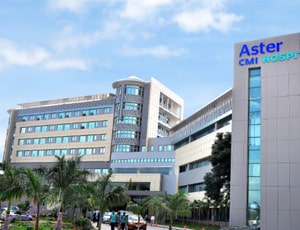
With advanced diagnostic infrastructure, Aster CMI Hospital provides Angiography (Including Non-Ionic Contrast) to evaluate vascular conditions. Established in 2014, the JCI, NABH, NABL hospital is based in Bangalore, India, has 500 beds, and offers comprehensive healthcare services to local and international patients.
Angiography (Including Non-Ionic Contrast) enables specialists to examine blood vessels and identify abnormalities such as narrowing, obstruction, or changes in blood flow. A non-ionic contrast medium is used to enhance the visibility of the vessels during diagnostic imaging. Prior to the procedure, the medical team reviews the patient's health history, medications, kidney function, and potential contrast-related risks. After the examination, appropriate observation and post-procedure guidance are provided to support a safe recovery.
MGM Healthcare provides advanced Angiography (Including Non-Ionic Contrast) using modern imaging technology and internationally accepted diagnostic protocols. Established in 2016, the NABH, NABL, JCI accredited hospital is located in Chennai, India, and has 400 beds, offering comprehensive diagnostic and cardiac care for local and international patients.
Angiography (Including Non-Ionic Contrast) is a diagnostic imaging procedure used to examine blood vessels and identify narrowing, blockages, or other vascular abnormalities. A non-ionic contrast agent is injected to improve the visibility of blood vessels during imaging. Before the procedure, the specialist reviews the patient's medical history, kidney function, allergies, and imaging requirements. Patients are monitored during and after the procedure, with hydration and post-procedure instructions.
Apollo Hospitals Bannerghatta delivers specialised Angiography (Including Non-Ionic Contrast) using contemporary imaging equipment and established medical practices. The hospital was established in 2007. The JCI hospital is located in Bangalore, India It has 350 beds and provides diagnostic and treatment services for patients, including those travelling internationally for medical care.
Angiography (Including Non-Ionic Contrast) is performed to assess the condition of blood vessels and help specialists identify blockages, narrowing, or other vascular abnormalities. The procedure typically involves introducing a non-ionic contrast agent that allows blood vessels to be visualised more clearly during imaging. Before undergoing angiography, patients are assessed for relevant medical conditions, kidney function, medications, and possible allergies or previous contrast reactions. Post-procedure monitoring and personalised instructions are provided based on the patient's condition.
Fortis Hospital provides advanced Angiography (Including Non-Ionic Contrast) using modern imaging technology and internationally accepted diagnostic protocols. Established in 2001, the NABH, NABL, JCI accredited hospital is located in Bangalore, India, and has 375 beds, offering comprehensive diagnostic and cardiac care for local and international patients.
Angiography (Including Non-Ionic Contrast) is a diagnostic imaging procedure used to examine blood vessels and identify narrowing, blockages, or other vascular abnormalities. A non-ionic contrast agent is injected to improve the visibility of blood vessels during imaging. Before the procedure, the specialist reviews the patient's medical history, kidney function, allergies, and imaging requirements. Patients are monitored during and after the procedure, with hydration and post-procedure instructions.
Faridabad, India
Sarvodaya Hospital and Research Centre delivers specialised Angiography (Including Non-Ionic Contrast) using contemporary imaging equipment and established medical practices. The hospital was established in 1997. The NABH, NABL hospital is located in Faridabad, India It has 500 beds and provides diagnostic and treatment services for patients, including those travelling internationally for medical care.
Angiography (Including Non-Ionic Contrast) is performed to assess the condition of blood vessels and help specialists identify blockages, narrowing, or other vascular abnormalities. The procedure typically involves introducing a non-ionic contrast agent that allows blood vessels to be visualised more clearly during imaging. Before undergoing angiography, patients are assessed for relevant medical conditions, kidney function, medications, and possible allergies or previous contrast reactions. Post-procedure monitoring and personalised instructions are provided based on the patient's condition.
With advanced diagnostic infrastructure, Batra Hospital provides Angiography (Including Non-Ionic Contrast) to evaluate vascular conditions. Established in 1987, the NABH hospital is based in Delhi, India, has 495 beds, and offers comprehensive healthcare services to local and international patients.
Angiography (Including Non-Ionic Contrast) enables specialists to examine blood vessels and identify abnormalities such as narrowing, obstruction, or changes in blood flow. A non-ionic contrast medium is used to enhance the visibility of the vessels during diagnostic imaging. Prior to the procedure, the medical team reviews the patient's health history, medications, kidney function, and potential contrast-related risks. After the examination, appropriate observation and post-procedure guidance are provided to support a safe recovery.
Fortis Hiranandani Hospital offers Angiography (Including Non-Ionic Contrast) with modern diagnostic imaging facilities and evidence-based clinical protocols. Founded in 2007, the NABH hospital is located in Mumbai, India, and has 149 beds, providing multidisciplinary medical services to International patients.
Angiography (Including Non-Ionic Contrast) is used to obtain detailed images of blood vessels and help detect conditions affecting circulation. During the procedure, a non-ionic contrast agent may be administered to make the vessels more clearly visible on imaging. The doctor assesses the patient's condition and relevant medical history before selecting the appropriate imaging technique. After angiography, patients may be monitored for a period and given instructions regarding hydration, activity, and follow-up care.
Jaypee Hospital delivers specialised Angiography (Including Non-Ionic Contrast) using contemporary imaging equipment and established medical practices. The hospital was established in 2014. The NABH, JCI hospital is located in Noida, India It has 1200 beds and provides diagnostic and treatment services for patients, including those travelling internationally for medical care.
Angiography (Including Non-Ionic Contrast) is performed to assess the condition of blood vessels and help specialists identify blockages, narrowing, or other vascular abnormalities. The procedure typically involves introducing a non-ionic contrast agent that allows blood vessels to be visualised more clearly during imaging. Before undergoing angiography, patients are assessed for relevant medical conditions, kidney function, medications, and possible allergies or previous contrast reactions. Post-procedure monitoring and personalised instructions are provided based on the patient's condition.
Fortis Hospital, Shalimar Bagh delivers specialised Angiography (Including Non-Ionic Contrast) using contemporary imaging equipment and established medical practices. The hospital was established in 2010. The NABH hospital is located in Delhi, India It has 262 beds and provides diagnostic and treatment services for patients, including those travelling internationally for medical care.
Angiography (Including Non-Ionic Contrast) is performed to assess the condition of blood vessels and help specialists identify blockages, narrowing, or other vascular abnormalities. The procedure typically involves introducing a non-ionic contrast agent that allows blood vessels to be visualised more clearly during imaging. Before undergoing angiography, patients are assessed for relevant medical conditions, kidney function, medications, and possible allergies or previous contrast reactions. Post-procedure monitoring and personalised instructions are provided based on the patient's condition.

Mr. Hailu Kassa underwent Coronary Artery Bypass Surgery in Vejthani Hospital, Thailand under the supervision of Dr. Piya, Cardio-Thoracic Surgeon

Patient Testimonial: Rod Schaubroeck from United States (U.S.A) underwent heart valve replacement at Fortis Hospital, India
| Speciality | Cardiac Sciences |
| Procedure | Angiography (Including Non-Ionic Contrast) |
| Success Rate | 90% |
| Recovery Time | few hours |
| Treatment Time | 30 mins - 1 hour |
| Chances of Recurrence | Moderate |
Yes, many hospitals in India offering angiography, including non-ionic contrast agents, do have the best technologies in place. These hospitals provide better equipment for diagnosis for better and more accurate images such hospitals. Key technologies include- 3D Imaging and Advanced Software, CT Angiography (CTA), MR Angiography (MRA), and Robotic-Assisted Systems.
The leading Angiography and ionic/non-ionic contrast procedures in hospitals in India are supporting modern imaging systems like high-resolution digital angiography and three-dimensional imaging. This place has a team of cardiologists and radiologists and is certified to international standards, making the care excellent. These are some of the common intents of these hospitals; they ensure the utmost safety measures, offer individual attention to patients and ensure constant follow-up after the procedures. For all foreign patients, they provide other services such as travel assistance and translator services to enhance their convenience.
Generally, Angiography (Including Non-Ionic Contrast) in India has a high rate of success, the majority of them being safe and yielding good diagnostic value. Therefore, the chance can differ slightly depending on the patient's health condition, the type of operation, and the qualifications of the involved doctors. In general, angiography is considered a safe diagnostic procedure, with the availability of procedures for evaluating cardiovascular or atherosclerotic lesions or occlusive disease usually above 95%.
On the MediGence list of verified and accredited healthcare facilities in India, you can find top Angiography (Including Non-Ionic Contrast) hospitals. Here, you can also get all the information about every cardiologist, including experience, success rate, and patient feedback. This would ensure that patients are linked to the right cardiologist and, hence, a proper and informed patient journey.
A few of the best hospitals for Angiography (Including Non-Ionic Contrast) in India are as follows:
The cost of Angiography (Including Non-Ionic Contrast) in India typically ranges from (USD 500 - 1000), depending on the hospital, location, and the complexity of the procedure.
Yes, Angiography (Including Non-Ionic Contrast) in India does include complete treatment solutions for overseas visitors. Numerous healthcare organisations across the country are conversant with medical tourism and have individual services to cater to international clients. These services often include:
While Angiography (Including Non-Ionic Contrast) is generally safe and well-tolerated, there are some risks associated with the procedure, including:
The recovery after Angiography (Including Non-Ionic Contrast) is relatively fast. Most patients are observed for 2–6 hours following a procedure, and most are discharged to go home on the same day. Regular physical activities are permitted within 1-2 days, whereas moderate and rigorous activities should not be attempted for about 1-2 weeks. The postoperative recovery usually requires 3 to 7 full days; there is often mild pain, and patients are warned to pay attention to the catheter site for signs of complications. As noted above, follow-up appointments may be arranged to monitor the healing process.
To learn about angiography (including non-ionic contrast) with a cardiologist before flying to India, you can choose a teleconsultation on the Medigence site. Just give a callback to a specialist, and you can comfortably explain your diagnosis, the available treatments and the particular surgery in the comfort of your home.
The management of patients following post-angiography, whether with non-ionic contrast or otherwise, extensively focuses on assessment and recovery in India. Here’s what patients can expect:
India gets Angiography (Including Non-Ionic Contrast) because of several factors:
First, the patient must complete a form with his or her contact information on our website. After that, MediGence will contact you to help plan for an angiography (including non-ionic contrast) appointment in India. We will find you the best hospital, help you arrange a consultation with the best doctor, and give you all the necessary assistance from the moment of registration to receiving the essential documents and help you choose and organise your treatment.
Patients can expect the following during their visit to India for angiography (including non-ionic contrast):
There are several besides angiography (non-ionic contrast) depending on the patient's case and diagnostic or therapeutic requirements in India. Some of the alternatives include:
When approaching angiography and non-ionic contrast in India, specific key steps are followed to avoid complications. Here’s what you can expect: