Your Notifications
All done, no notifications

Best Angiography (Including Non-Ionic Contrast) Hospitals in Lithuania

Browse verified doctors or let our care team help you find the doctor best suited to your condition, treatment goals, and budget.

2
Hospitals Shortlisted
2
Medical Cities
98 - 99%
Success Rate
JCI/ISO 100,000+ Patients Assisted 24X7 Coordinator Visa & Travel handled
End-to-end care, from hospital selection to post-treatment follow-up.

Treatment Overview at a Glance

98 - 99%
Success Rate
24–48 hours
Full Recovery
30-60 min
Procedure Time
3
Stay in Country

Angiography Including Non Ionic Contrast - Lithuania Vs the World

$500 - $1k
$500 - $4k
$500 - $2k
$1k - $2k
$1k - $4k
$1k - $2k
$1k - $2k
$2k - $8k
$2k - $8k
$2k - $6k
$2k - $5k
$3k - $5k

Top heart specialist Doctors Available for Video Consultation

View All Doctors
Angiography (Including Non-Ionic Contrast) in Meliva Kardiolita Hospital, Vilnius: Costs, Top Doctors, and Reviews

Vilnius, Lithuania

36+ Beds · 252+ Procedures
JCI
Get a Treatment Quote

Please Enquire

Required | alphabets and spaces
Required | A valid, working email address
Required | A valid contact
Angiography (Including Non-Ionic Contrast) in Meliva Kardiolita Hospital, Kaunas: Costs, Top Doctors, and Reviews

Kaunas, Lithuania

8+ Beds · 234+ Procedures
JCI
Get a Treatment Quote

Patient Stories

Mr Hailu Kassa : CABG Surgery
Mr Hailu Kassa
Mr Hailu Kassa : CABG Surgery

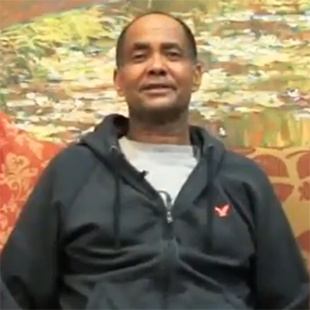
Mr. Hailu Kassa underwent Coronary Artery Bypass Surgery in Vejthani Hospital, Thailand under the supervision of Dr. Piya, Cardio-Thoracic Surgeon

Rod Schaubroeck
Rod Schaubroeck
Rod Schaubroeck : Double Valve Replacement

Patient Testimonial: Rod Schaubroeck from United States (U.S.A) underwent heart valve replacement at Fortis Hospital, India

Outcomes of Angiography (Including Non-Ionic Contrast)

SpecialityCardiac Sciences
ProcedureAngiography (Including Non-Ionic Contrast)
Success Rate90%
Recovery Time few hours
Treatment Time30 mins - 1 hour
Chances of RecurrenceModerate

What is Angiography (Including Non-Ionic Contrast), and how does it work?

Angiography is an interventional procedure performed by skilled interventional cardiologists. The procedure is done to check the health of your blood vessels and how blood flows through them. During this procedure, the patient is usually given a local anesthetic to numb the area (groin or wrist). A small cut is made, and a catheter- a thin, long tube- is inserted into the artery to examine the blood vessels and blood flow. In most cases, a dye is injected into the blood vessels to better visualize them. A series of X-rays are taken and studied. After the procedure, the doctors cover the area with bandages and stitches. Patients are usually discharged on the same day of the procedure.

What medical conditions can be treated through Angiography (Including Non-Ionic Contrast)?

Angiography, including non-ionic contrast, is a valuable diagnostic tool used to identify various problems affecting the blood vessels. This may include diagnosing conditions such as atherosclerosis, a narrowing of the arteries that increases the risk of stroke or heart attack. Furthermore, angiography can detect brain aneurysms and assess peripheral arterial disease, which affects the blood supply to leg muscles, potentially preventing life-threatening complications. Angina, a chest pain caused by decreased blood flow to the heart muscles, blood clots, and pulmonary embolisms, which affect the artery supply to the lungs, are some of the other conditions that can be diagnosed using angiography. Angiography also aids in the detection of blockages in the blood supply to vital organs such as the kidneys. Angiography may also be used to aid in treatment planning for some of these conditions.

What is the recovery process after an Angiography (Including Non-Ionic Contrast)?

Angiography is an outpatient procedure. The patient is usually discharged on the same day of the procedure. There might be some bleeding and discomfort immediately after a catheter is removed. Your doctor may advise you to rest for a few days. You might also increase your water intake for a few days after the procedure to flush out any contrast agents from your body. Heavy lifting and strenuous activities must be avoided for a few days after the procedure. Soreness and bruising are common after the procedure for a few days. It gets better after 2-3 days.

Frequently Asked Questions

What is the criteria/basis of ranking these hospitals for the Angiography (Including Non-Ionic Contrast) in Lithuania?

Hospitals for any type of procedure can be ranked on several deciding aspects. In Lithuania, Hospitals for Angiography (Including Non-Ionic Contrast) are ranked on the basis of the following factors- Infrastructure, Availability of the Procedure, Popularity for the procedure, Technology Used, Qualified & Experienced Specialists, Cost, Facilities provided, Success Rate

What are the services offered by MediGence for smooth and hassle free travel?

MediGence puts forth a lot of effort to make your medical travel of the finest quality, convenient, and affordable for you. We provide a set of unmatched services to assist you in your medical journey to different countries in the world. Some of our caregiving services & unmatched benefits include hotel stays or accommodation, airport transfers, dedicated case manager, care packages for recovery, online consultations with the specialist, 24/7 assistance, and prenegotiated treatment packages with an assured 30% discount. We also provide several additional advantages to help you receive first-rate medical care.

Is it possible to book a Video consultation with a specialist in Lithuania before I decide to travel?

Yes, you can avail a video consultation with the specialist before travelling to Lithuania. When one of our patient advisors contacts you about your inquiry, you can demand an online consultation with the specialist. They will check the doctor's availability for the consultation. Once confirmed, you will be sent a payment link to book your online consultation.

Why Lithuania is a preferred destination for Angiography (Including Non-Ionic Contrast)?

Due to the high success rate and top-notch hospital infrastructure, Angiography (Including Non-Ionic Contrast) in Lithuania is considered reliable by many people around the world. When it comes to Lithuania, many factors contribute to make Angiography (Including Non-Ionic Contrast) the ideal choice. This includes:

  • Budget-friendly treatment options
  • Modern healthcare technologies
  • Board- certified specialists
  • Data privacy and transparency
  • Internationally Accredited hospitals
What is the recovery time for Angiography (Including Non-Ionic Contrast) in Lithuania

The recovery time of the patients can be determined based on the patient’s overall health and the criticality of the procedure undergone. In addition, post-treatment rehabilitation is extremely important for speeding up recovery and minimizing recovery time. Following surgery, patients must return for follow-up appointments to ensure proper healing and hasten the healing process.

Get Expert Guidance for Your Treatment Journey
Connect with experienced specialists, book a video consultation, or request a second medical opinion.