Affordable World-class Treatment - Accredited Hospitals - Free Treatment Plan in 24 Hrs

Share your details to receive a personalised treatment plan, estimated costs, hospital recommendations, and expert guidance, “completely free.”
Your information is protected with HIPAA-compliant security standards. We only share your details with hospitals after your consent.
The cost of Peritoneal Dialysis in Saudi Arabia is USD 297 - USD 46332
However, this cost can vary depending on several factors, including the type and severity of the condition, treatment techniques chosen, the healthcare facility's location and reputation, the treating professionals' experience and specialisation, and the patient's overall health status.
Additionally, factors like the duration of treatment, the need for follow-up care, and the use of advanced technologies or specialised treatments can further influence the overall cost.
Peritoneal dialysis removes waste from the blood. It is a treatment for kidney failure, in which the kidneys' capacity to filter blood is diminished.
During peritoneal dialysis, a cleansing fluid enters the abdomen, commonly known as the stomach, through a tube. The peritoneum, the inner lining of the abdomen, eliminates waste products from the blood. After a predetermined period of time, the fluid containing the filtered waste leaves the abdomen and is discarded.
Hemodialysis, a more popular method of cleaning the blood, is not the same as peritoneal dialysis because it occurs inside the body. Blood is filtered by a machine outside the body throughout that process.
| City | Cost (USD) | |
|---|---|---|
| Riyadh | $297 – $46,332 | Explore More |

Dr. Shagufta Parveen is a Clinical researcher and medical writer with expertise in clinical pharmacology and pharmacotherapeutics. She holds a B.Pharm and Doctor of Pharmacy (Post-Baccalaureate) degree from Teerthanker Mahaveer University, Moradabad.
During her clinical stint at BLK-Max Super Speciality Hospital and Indraprastha Apollo Hospital, she gained hands-on experience in the Clinical Pharmacology Department. Combining scientific knowledge with strong medical writing skills, Dr. Shagufta develops evidence-based healthcare content, treatment guides, and patient education resources.
Her work focuses on simplifying complex medical concepts while maintaining scientific accuracy, helping readers better understand healthcare advancements and treatment options.
In addition to her writing expertise, she is actively involved in scientific research and has contributed to peer-reviewed publications.
Her research work is accessible through the following links:
https://scholar.google.com/citations?user=lMVK1eIAAAAJ&hl=en
https://carcinogenesis.com/index.php/JOC/article/view/870

Our dedicated Medical Patient Advisors are here to answer your questions, help you compare treatment options, estimate costs, and guide you through every step of your healthcare journey.
When the kidneys are unable to adequately filter waste materials and extra fluid from the circulation owing to renal failure, peritoneal dialysis is used. It uses the lining of your abdomen (the peritoneum) and a cleansing solution to filter blood inside your body.
You should consult a physician If you have signs of kidney failure, such as fatigue, ankle or leg edema, changes in urination, nausea, or shortness of breath. If you are currently receiving peritoneal dialysis, get in touch with your physician if you experience any of the following symptoms: chronic discomfort, issues with fluid drainage, or infection (fever, abdominal pain, or hazy dialysis fluid).
Your doctor will arrange for a little abdominal surgery to insert a catheter to prepare you for peritoneal dialysis. You may need to stop certain medications, and you'll receive training on performing dialysis at home, maintaining hygiene, and monitoring for infection.
With peritoneal dialysis, a catheter is used to fill your abdominal cavity with dialysate, a cleansing fluid. The fluid draws waste and excess fluids from your blood through the peritoneal membrane, which lines your abdominal organs. A machine repeats the procedure several times a day or overnight, draining the fluid after a particular period of time and replacing it with a new solution.
The average duration of continuous ambulatory peritoneal dialysis is 40 minutes. Three to five sessions a day are required.
To allow for healing, you will need to wait approximately 2 weeks following peritoneal dialysis catheter placement before beginning therapy. Proper care of the catheter site is essential to prevent infection. Additionally, you'll get instructions on how to safely administer dialysis at home.
The success rate of peritoneal dialysis is excellent when patients are well-trained and adhere to treatment protocols.
Our experienced Medical Patient Advisors have supported 100,000+ patients across 120+ countries with personalised treatment plans, hospital recommendations, cost estimates, and travel assistance, all free.
✓ Free Consultation ✓ No Obligation ✓ Personalized Treatment Plan ✓ Response Within 24 Hours
Your medical info has is HIPAA-style confidential. We never share with hospitals without your consent.

Opinion & Option
We submit the most accurate opinion and options from one or more countries for your review
Consult Privately
Consult with a certified specialist privately on our telemedicine platform even before you decide to travel
Logistics
We handle flights, visas, transfers, and accommodation—so you can focus on your health.
Recovery
Our In-house rehabilitation service packages to better your recovery and treatment outcome

Marsha Akatu from Kenya was suffering from Sickle Cell Anaemia. She got her treatment done at Medanta Hospital, Gurgaon, India.

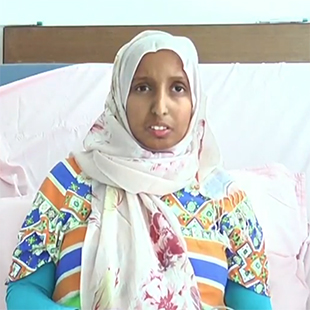
Patient Testimonial: Bushra Masoud for Brain Marrow Treatment from Apollo Hospitals
Peritoneal Dialysis cost in Saudi Arabia varies from one hospital to the other. The cost quoted by some of the best hospitals for Peritoneal Dialysis in Saudi Arabia generally covers the pre-surgery investigations of the patient. The comprehensive Peritoneal Dialysis package cost includes the cost of investigations, surgery, medicines and consumables. Post-surgical complications, new findings and delayed recovery may have an impact on the total Peritoneal Dialysis cost in Saudi Arabia.
There are several best hospitals for Peritoneal Dialysis in Saudi Arabia. Some of the best hospitals for Peritoneal Dialysis in Saudi Arabia include the following:
Upon discharge from the hospital after Peritoneal Dialysis in Saudi Arabia, the patients are advised to stay for about 5 days for recovery. This period is important to conduct all the follow-up tests to ensure that the surgery was successful and the patient can go back to the home country.
Saudi Arabia is one of the most popular countries for Peritoneal Dialysis in the world. The country offers the best treatment of Peritoneal Dialysis, best doctors, and advanced hospital infrastructure. Some of the other top destinations for Peritoneal Dialysis include the following:
Apart from the cost of Peritoneal Dialysis, the patient is also required to pay additionally for daily meals and guest house accommodation. These charges may vary starting from USD$ 55 per person.
Some of the best cities in Saudi Arabia which offer Peritoneal Dialysis are:
After the Peritoneal Dialysis takes place, the average duration of stay at the hospital is about 1 days. The doctors team review the patient's recovery during this time with the help of blood tests and imaging scans. Once they feel that everything is on track, the patient is discharged.
There are about 1 hospitals in Saudi Arabia that offer Peritoneal Dialysis to international patients. These hospitals have proper infrastructure for the treatment of patients who require Peritoneal Dialysis
Have your reports reviewed by independent oncology experts to help you make a confident treatment decision, all online within 48 hours.
Upload Your Reports