Affordable World-class Treatment - Accredited Hospitals - Free Treatment Plan in 24 Hrs

Share your details to receive a personalised treatment plan, estimated costs, hospital recommendations, and expert guidance, “completely free.”
Your information is protected with HIPAA-compliant security standards. We only share your details with hospitals after your consent.
| City | Minimum Cost (USD) | Minimum Cost (ZAR) | Maximum Cost (USD) | Maximum Cost (ZAR) |
|---|---|---|---|---|
| Cape Town | USD 2226 | 40001 | USD 8621 | 154919 |
| Johannesburg | USD 2226 | 40001 | USD 8621 | 154919 |
| City | Cost (USD) | |
|---|---|---|
| Cape Town | $2,226 – $8,621 | Explore More |
| Johannesburg | $2,226 – $8,621 | Explore More |

Alvina Hasan is a dedicated medical researcher and scientific writer with a strong foundation in pharmaceutical sciences. She holds a B.Pharm from Jamia Hamdard University and an M.Pharm in Quality Assurance from DIPSAR University.
With deep medical expertise and a strong interest in healthcare communication, she focuses on transforming complex clinical and scientific information into clear, engaging, and easy-to-understand narratives. She develops insightful healthcare articles and research-driven content designed to support both medical professionals and patients, helping bridge the gap between advanced medical knowledge and practical understanding.
Readers can explore her published research and articles here:

Our dedicated Medical Patient Advisors are here to answer your questions, help you compare treatment options, estimate costs, and guide you through every step of your healthcare journey.
Meniscus surgery is a frequent treatment used to remove or repair a torn meniscus, which is the cartilage in the knee. It involves making a few small incisions and typically takes about an hour. Recovery and Rehabilitation generally take a few weeks. The surgery aims to reduce pain, improve mobility and stability, and help Patients return to normal activities.
Minor meniscus tears can heal on their own if there is adequate blood supply to the area. However, some tears may require arthroscopic surgery for proper repair. Rest is crucial for ligament healing, and using ice packs along with physical therapy can aid in the recovery process.
Each knee has two menisci, which are rubbery, C-shaped cushions that act as shock absorbers in the knee joint. If a meniscus is injured or torn (often referred to as torn cartilage), your healthcare provider may recommend surgery to remove or repair the damaged part.
It can be performed by the following
Is surgery required for every meniscus injury?
Not everyone with a torn meniscus requires surgery. The decision depends on several factors, including:
Healthcare providers may initially recommend nonsurgical treatments, such as:
Meniscus repair is performed to heal a torn meniscus, a cartilage piece in the knee that stabilises the joint. The procedure ensures the restoration of knee function, pain relief, and avoidance of permanent joint deterioration, particularly for younger or otherwise active patients who have repairable tears.
See a doctor if you have knee pain, swelling, locking, clicking, or instability following an injury. A torn meniscus is usually diagnosed with a physical examination and confirmed with MRI imaging.
In preparation for surgery, you may need a physical exam, imaging tests, and possibly the discontinuation of some medications (blood thinners, for example). You will need to have a long period of fasting before surgery, and arrange for someone to drive you home after surgery.
Meniscus repair is typically performed arthroscopically through small incisions and a camera instrument to visualize the joint. The surgeon sews together the torn meniscus edges with sutures or anchors. In a few instances, when the tear is not fixable, partial meniscectomy (cutting out damaged tissue) is performed instead.
The procedure typically lasts 1 to 2 hours. It's most commonly performed on an outpatient basis.
Meniscus repair conserves the body's natural cartilage, which provides shock absorption and reduces the danger of arthritis. It's generally an improved long-term alternative to removing the meniscus.
Recovery is 3 to 6 months, depending on how much repair is needed. Crutches are usually required for a few weeks, after which physical therapy is used to redevelop strength and mobility. The return to sport is typically at 4\u20136 months.
Success rates range from 70% to 90%, particularly in young patients with tears of the meniscus's outer (vascular) component. Success depends upon rehabilitation.
85–95%
Successful pain relief and improved knee function1–2 days
Typical hospital stay3–6 months
Typical return to work and sportsOur experienced Medical Patient Advisors have supported 100,000+ patients across 120+ countries with personalised treatment plans, hospital recommendations, cost estimates, and travel assistance, all free.
✓ Free Consultation ✓ No Obligation ✓ Personalized Treatment Plan ✓ Response Within 24 Hours
Your medical info is kept HIPAA-style confidential. We never share with hospitals without your consent.

Opinion & Option
We submit the most accurate opinion and options from one or more countries for your review
Consult Privately
Consult with a certified specialist privately on our telemedicine platform even before you decide to travel
Logistics
We handle flights, visas, transfers, and accommodation—so you can focus on your health.
Recovery
Our In-house rehabilitation service packages to better your recovery and treatment outcome

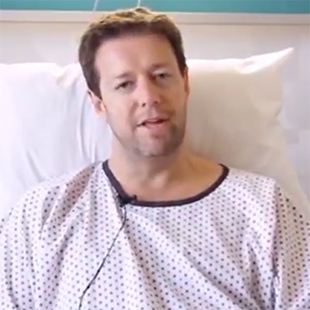
Kevin Stewart from Scotland could barely walk straight due to a Slip Disc. He faced many discomforts for the past…

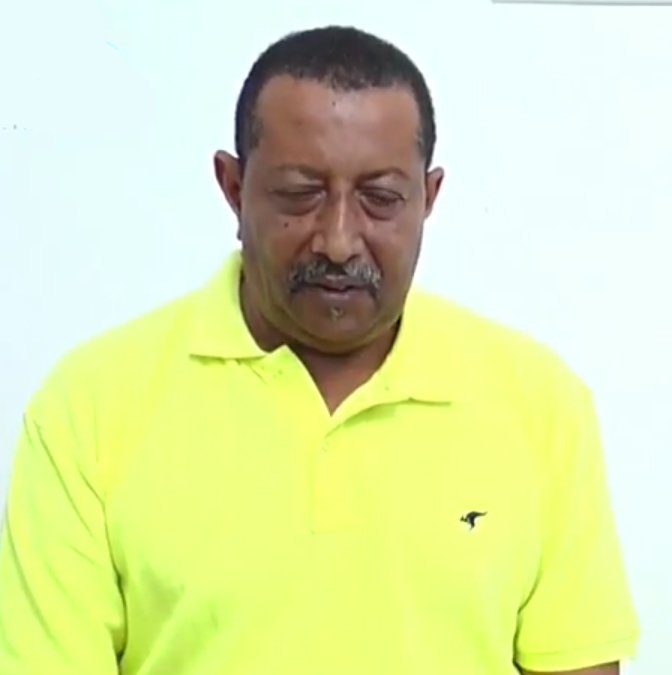
Mr. Muhammed Dumia was suffering from painful left Knee and was in considerable pain for the last 2 months. He…
The Meniscus Repair package cost in Cape Town varies from one hospital to another and may offer different benefits. The cost quoted by some of the best hospitals for Meniscus Repair in Cape Town generally covers the pre-surgery investigations of the patient. The Meniscus Repair cost in Cape Town includes the cost of anesthesia, medicines, hospitalization and the surgeon's fee. Post-surgical complications, new findings and delayed recovery may have an impact on the total Meniscus Repair cost in Cape Town.
Meniscus Repair in Cape Town is offered by multiple hospitals across the country. Some of the best hospitals for Meniscus Repair in Cape Towninclude the following:
While the speed of recovery may vary from patient to patient, they are still required to stay for about 12 days after discharge. This time frame is important to ensure that the surgery was successful and the patient is fit to fly back.
Cape Town is one of the most popular cities for Meniscus Repair in the world. The country offers the best cost of Meniscus Repair, best doctors, and advanced hospital infrastructure. there are a select few destinations that provide comparable quality of healthcare for the procedure. Some of such cities are:
There are certain expenses additional to the Meniscus Repair cost that the patient may have to pay for. These are the charges for daily meals and accommodation outside the hospital. The per day cost in this case may range from 35 USD.
The patient is supposed to stay at the hospital for about 2 Days after Meniscus Repair surgery for monitoring and care. This phase is important to ensure that the patient is recovering well and is clinically stable. During this time, several tests are performed before the patient is deemed suitable for discharge.
There are more than 1 Hospitals that offer Meniscus Repair in Cape Town. These hospitals are approved to perform the surgery and have proper infrastructure to handle Meniscus Repair patients. Additionally, these hospitals are known to comply with the international standards as well as local legal requirements for the treatment of patients.
Cape Town is one of three capital cities in South Africa. The Cape Town Department of Health is in charge of healthcare. The city does not have a universal healthcare system. Instead, it has two systems running concurrently. A private healthcare system coexists with a public healthcare system. The government is trusted by the vast majority of people (up to 80% of the population). The public healthcare system is subsidized by the government. However, it is underfunded and poorly managed, making the private sector more popular among the public. There are numerous public hospitals in Cape Town. Large regional hospitals are overseen by provincial health organizations. Municipalities are in charge of smaller hospitals and primary care clinics. Furthermore, big university-affiliated public hospitals provide high-quality care. Everyone in Cape Town has access to public healthcare, regardless of country or immigration status. Its biggest beneficiaries, however, are city residents who cannot afford private health insurance. The vast majority of ex-pat residents have private insurance to gain access to the greatest medical care available in the country.
The hospitals in Cape Town deliver quality care and treatment. They are internationally recognized and accredited by healthcare organizations like JCI and ISO. Some of the top hospitals in the city include:
The doctors in Cape Town play a vital role in delivering top-level healthcare services focusing on each patient’s needs. Some of the top doctors in the city include:
Cape Town is an easily reachable city by train, bus, and flight. The nearest airport to Cape Town is Cape Town International Airport from where you can travel to the city by bus or cab. If you are planning to undergo treatment here, MediGence can assist you in planning your medical travel.
Cape Town is one of three capital cities in South Africa. The Cape Town Department of Health is in charge of healthcare. The city does not have a universal healthcare system. Instead, it has two systems running concurrently. A private healthcare system coexists with a public healthcare system. The government is trusted by the vast majority of people (up to 80% of the population). The public healthcare system is subsidized by the government. However, it is underfunded and poorly managed, making the private sector more popular among the public. There are numerous public hospitals in Cape Town. Large regional hospitals are overseen by provincial health organizations. Municipalities are in charge of smaller hospitals and primary care clinics. Furthermore, big university-affiliated public hospitals provide high-quality care. Everyone in Cape Town has access to public healthcare, regardless of country or immigration status. Its biggest beneficiaries, however, are city residents who cannot afford private health insurance. The vast majority of ex-pat residents have private insurance to gain access to the greatest medical care available in the country.
The hospitals in Cape Town deliver quality care and treatment. They are internationally recognized and accredited by healthcare organizations like JCI and ISO. Some of the top hospitals in the city include:
The doctors in Cape Town play a vital role in delivering top-level healthcare services focusing on each patient’s needs. Some of the top doctors in the city include:
Cape Town is an easily reachable city by train, bus, and flight. The nearest airport to Cape Town is Cape Town International Airport from where you can travel to the city by bus or cab. If you are planning to undergo treatment here, MediGence can assist you in planning your medical travel.
Have your reports reviewed by independent oncology experts to help you make a confident treatment decision, all online within 48 hours.
Upload Your Reports