Affordable World-class Treatment - Accredited Hospitals - Free Treatment Plan in 24 Hrs

Share your details to receive a personalised treatment plan, estimated costs, hospital recommendations, and expert guidance, “completely free.”
Your information is protected with HIPAA-compliant security standards. We only share your details with hospitals after your consent.
Legg-Calve-Perthes Disease (LCPD) Treatment in Hungary usually costs between USD 12000 - USD 22000, but prices can vary depending on the treatment method, hospital, and location.
This estimated cost often includes doctor consultations, diagnostic imaging, surgery (if required), hospital stay, and follow-up rehabilitation or therapy.
The final cost depends on the complexity of the case and the level of care offered by the selected medical facility.
| City | Cost (USD) | |
|---|---|---|
| Budapest | $12,000 – $22,000 | Explore More |


Our dedicated Medical Patient Advisors are here to answer your questions, help you compare treatment options, estimate costs, and guide you through every step of your healthcare journey.
Legg-Calve-Perthes Disease (LCPD) keeps the femoral head positioned correctly in the hip socket while it heals. In less severe cases, non-surgical strategies such as reduced physical activity, pain control, and guided physiotherapy may be effective. However, surgical procedures like osteotomy are often required to realign the hip joint and improve motion when the condition is more advanced. These operations are done under anaesthesia and followed by using a brace or cast to protect the hip during early healing. A stepwise rehabilitation program is started soon after to support recovery, improve mobility, and strengthen the muscles around the hip. Most children regain good joint function with timely care and can return to normal activities.
Treatment for Legg-Calv\u00e9-Perthes Disease (LCPD) aims to restore normal hip joint function and prevent long-term damage to the femoral head. The disease causes a temporary loss of blood supply to the femoral head, which can lead to its collapse and deformity. Timely treatment helps maintain the femoral head's round shape and proper positioning in the socket. This reduces stiffness, pain, and the risk of early arthritis in adulthood.
Parents should consult a doctor if a child limps without an injury, complains of hip, thigh, or knee pain, or has reduced hip motion. These signs often appear gradually and can worsen over time. If left untreated, LCPD may lead to permanent hip deformity. Early diagnosis is crucial for initiating therapy during the active stage of the disease.
Preparation includes physical exams, assessments of range of motion, and imaging studies, such as X-rays or MRIs. These tests help determine the stage of the disease and the appropriate treatment. Children and parents may also receive advice on activity restrictions or recommendations for assistive devices, such as crutches or braces. For surgical cases, routine preoperative evaluations and anesthesia clearance are necessary.
Mild cases may only require physiotherapy, rest, or bracing. In moderate to severe cases, surgery, such as femoral or pelvic osteotomy, is performed to reposition the hip joint. This ensures that the femoral head stays properly seated while it heals. Post-surgical care involves immobilisation, followed by targeted rehabilitation to restore movement.
Conservative treatment may last several months to years, depending on the disease's progression and individual response. Surgical procedures usually take 2 to 3 hours, with a hospital stay of 2 to 4 days. Healing and bone remodelling may continue for up to 2 years. Long-term follow-up is crucial for monitoring hip joint development and preventing complications.
After surgery, a cast or brace may be used to keep the hip in position. Physical therapy is gradually introduced to improve strength and flexibility. Most children return to their daily activities within several months, provided they undergo regular monitoring. Pain management, follow-up imaging, and adjusted activity levels are part of long-term care.
The success of LCPD treatment largely depends on the child's age and the stage at diagnosis. Children under 6 tend to have excellent outcomes with conservative care. In older children, surgery can significantly improve the shape and function of the joint. Overall, early intervention has a success rate of 80-90% in maintaining a pain-free and functional hip.
80-90%
Significant pain relief3-5 days
Typical recovery period before resuming normal daily activities (for surgical treatment)3-6months
Typical rehabilitation and recovery period depending on treatment approachOur experienced Medical Patient Advisors have supported 100,000+ patients across 120+ countries with personalised treatment plans, hospital recommendations, cost estimates, and travel assistance, all free.
✓ Free Consultation ✓ No Obligation ✓ Personalized Treatment Plan ✓ Response Within 24 Hours
Your medical info is kept HIPAA-style confidential. We never share with hospitals without your consent.
Treatment Stages for Legg-Calve-Perthes Disease (LCPD) Treatment are:-
The following conditions are treated in Legg-Calve-Perthes Disease (LCPD) Treatment:
Benefits of Legg-Calve-Perthes Disease (LCPD) Treatment include:
The following are the treating team members for Legg-Calve-Perthes Disease (LCPD) Treatment:

Opinion & Option
We submit the most accurate opinion and options from one or more countries for your review
Consult Privately
Consult with a certified specialist privately on our telemedicine platform even before you decide to travel
Logistics
We handle flights, visas, transfers, and accommodation—so you can focus on your health.
Recovery
Our In-house rehabilitation service packages to better your recovery and treatment outcome

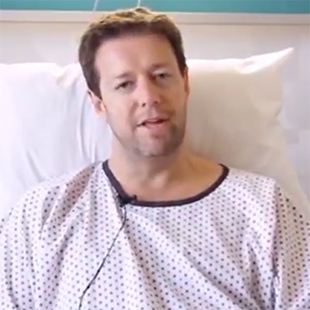
Kevin Stewart from Scotland could barely walk straight due to a Slip Disc. He faced many discomforts for the past…

Mr. Muhammed Dumia was suffering from painful left Knee and was in considerable pain for the last 2 months. He…
Have your reports reviewed by independent oncology experts to help you make a confident treatment decision, all online within 48 hours.
Upload Your Reports