Your Notifications
All done, no notifications

High Tibial Osteotomy Cost in India

Costs starts from USD6500 to USD9500
Filters

How Much Does High Tibial Osteotomy Cost in India?

High Tibial Osteotomy (resection) in India usually costs between USD 6500 - USD 9500. The cost of High Tibial Osteotomy varies widely depending on the type of treatment, hospital, and location.

Diagnostic testing, surgery, and therapy often cost money. This estimate covers initial consultations, diagnostic procedures, surgical treatments, and follow-up care.

The final cost will be determined by the case's complexity and the chosen healthcare facility.

Factors Influencing the Cost of High Tibial Osteotomy in India

Cost of High Tibial Osteotomy in Major cities of India

CityMinimum Cost (USD)Minimum Cost (INR)Maximum Cost (USD)Maximum Cost (INR)
AhmedabadUSD 5850500994USD 8550732222
BangaloreUSD 6500556660USD 9500813580
ChennaiUSD 6500556660USD 9500813580
DelhiUSD 6500556660USD 9500813580
FaridabadUSD 6500556660USD 9500813580
GhaziabadUSD 6500556660USD 9500813580
GurgaonUSD 6500556660USD 9500813580
GurugramUSD 6500556660USD 9500813580
HyderabadUSD 6500556660USD 9500813580
KochiUSD 6500556660USD 9500813580
KolkataUSD 6500556660USD 9500813580
MohaliUSD 5850500994USD 8550732222
MumbaiUSD 6500556660USD 9500813580
NoidaUSD 6500556660USD 9500813580
PanjimUSD 5850500994USD 8550732222

High Tibial Osteotomy Cost : A Global Comparison

CountryMinimum CostMinimum Local CurrencyMaximum CostMaximum Local Currency
CzechiaUSD 8700CZK 191574USD 13000CZK 286260
HungaryUSD 11000HUF 3927880USD 18000HUF 6427440
IndiaUSD 6500INR 556660USD 9500INR 813580
IsraelUSD 17000ILS 60180USD 26000ILS 92040
JordanUSD 10000JOD 7100USD 16000JOD 11360
LithuaniaUSD 13000LTL 44469USD 20000LTL 68414
MalaysiaUSD 9000MYR 38160USD 16000MYR 67840
PolandUSD 7500PLN 28200USD 14000PLN 52640
Saudi ArabiaUSD 10000SAR 37500USD 19000SAR 71250
SingaporeUSD 16000SGD 20640USD 30000SGD 38700
South AfricaUSD 9500ZAR 170715USD 17000ZAR 305490
South KoreaUSD 13000KRW 17887740USD 24000KRW 33023520
SpainUSD 11000ESP 1617439USD 20000ESP 2940798
SwitzerlandUSD 21000CHF 17430USD 38000CHF 31540
ThailandUSD 8500THB 278035USD 16000THB 523360
TunisiaUSD 7000TND 20860USD 13000TND 38740
TurkeyUSD 6500TRY 253890USD 12000TRY 468720
United Arab EmiratesUSD 12000AED 44040USD 22000AED 80740
United KingdomUSD 13000GBP 9620USD 24000GBP 17760
United StatesUSD 20000USD 20000USD 45000USD 45000
VietnamUSD 6000VND 156770940USD 11000VND 287413390

Need Help Planning Your Treatment Abroad?

Your 24/7 AI Health Assistant

High Tibial Osteotomy(HTO) is a specialised surgical procedure used to relieve chronic knee pain and improve joint function, especially in people with osteoarthritis affecting only one side of the knee, typically the inner (medial) compartment. The goal is to realign the knee and shift weight-bearing away from the damaged area, helping to reduce discomfort and delay the need for total knee replacement.

During the surgery, the upper part of the tibia (shinbone) is carefully cut and repositioned. This may involve creating a small wedge-shaped opening (opening-wedge osteotomy) or removing a wedge of bone (closing-wedge osteotomy), depending on the alignment correction needed. The adjusted bone is then secured with metal plates and screws to maintain stability as it heals.

After the procedure, patients usually wear a brace and may use crutches to avoid putting weight on the leg initially. As healing progresses, a structured physiotherapy program begins to restore strength, flexibility, and range of motion in the knee. With consistent rehab and follow-up care, many patients experience pain relief and an improved ability to walk, exercise, and perform everyday activities.

High tibial osteotomy (HTO) is performed to treat early-stage knee osteoarthritis, particularly when the damage is limited to one side (usually the inner/medial side) of the knee. In patients with a misaligned knee joint (bow-legged deformity), excessive pressure on one side accelerates cartilage wear. HTO involves cutting and realigning the tibia (shinbone) to shift body weight away from the damaged area to the healthier part of the knee joint.This joint-preserving surgery delays or avoids the need for total knee replacement, especially in younger, active individuals.

Consult an orthopaedic surgeon if you experience:
  • Chronic knee pain localised to the inner or outer side
  • Pain aggravated by standing, walking, or physical activity
  • Stiffness and reduced range of motion
  • Difficulty with climbing stairs or standing for long periods
  • Visible bow-legged or knock-knee deformity
HTO is often recommended when non-surgical treatments (medications, bracing, physiotherapy, injections) no longer provide relief.

Preoperative steps include:
  • Clinical examination and evaluation of walking pattern
  • X-rays and MRI scans to assess the extent of arthritis and joint alignment
  • Blood tests and anaesthesia clearance
  • Smoking cessation and weight management, if applicable
  • Detailed discussion about the procedure, rehabilitation, and expectations
  • Fasting for 6–8 hours before surgery
Patients are also advised to arrange for home mobility support after surgery.

There are two main surgical techniques:1. Opening Wedge Osteotomy:
  • A wedge-shaped cut is made on the inner side of the tibia.
  • The bone is carefully opened, and a metal plate is used to hold it in place.
  • Bone graft material may be added to fill the gap.
2. Closing Wedge Osteotomy:
  • A wedge of bone is removed from the outer side of the tibia.
  • The remaining bone is closed and fixed with plates and screws.
Surgeons select the approach based on the individual's anatomy and type of deformity. The procedure is typically performed under general or spinal anaesthesia.

  • The surgery typically takes 1.5 to 2.5 hours
  • Hospital stay is usually 2 to 4 days
  • Full recovery and return to sports or physically demanding activities may take 4 to 6 months, depending on the patient’s age, the rate of bone healing, and the intensity of rehabilitation.

  • Bleeding
  • Infection
  • Delayed or non-union of the bone
  • Nerve or blood vessel injury
  • Deep vein thrombosis (DVT)
  • Hardware-related irritation
  • Under- or over-correction of deformity

  • Pain relief and improved knee function
  • Realignment of the joint to reduce pressure on the damaged area
  • Preservation of the natural knee joint
  • Delay or avoidance of knee replacement surgery
  • Return to an active lifestyle for younger patients

Recovery after high tibial osteotomy involves using a brace and crutches in the initial days, with medications and ice to manage pain and swelling. From weeks 1 to 6, patients begin gradual weight-bearing and physiotherapy to regain motion. By weeks 6 to 12, focus shifts to strengthening and walking without support. Most individuals return to normal activities and low-impact sports within 3 to 6 months, depending on healing. Follow-up imaging ensures proper bone alignment, and in some cases, plate removal may be needed later for comfort.

High tibial osteotomy has a success rate of 80–90% in selected patients, especially those under 60 years of age with isolated compartmental arthritis. It offers long-lasting pain relief and functional improvement, with many patients avoiding or delaying knee replacement for 10 to 15 years or more.

Would you like some help? We are available.

Get Help
Explore Hospitals ( 55 )
High Tibial Osteotomy in The Madras Institute of Orthopedics and Traumatology: Costs, Top Doctors, and Reviews

Chennai, India

  • National Accreditation Board for Hospitals & Healthcare Providers (NABH)
  • Joint Commission International, or JCI

MIOT started its journey with only 70 beds and focusing on Orthopedics and Trauma care. However, we grew into a multi-specialty hospital with time. MIOT is now a 1000-bedded hospital and can offer an extensive range of services across 63 specialties. The state of art laboratory of our hospital is ranked 8th internationally. We have 21 super-specialty operation theaters equipped with cutting-edge technology to help our doctors with complex procedures.

We take great care to make our patient rooms comfortable enough. The patient rooms get plenty of fresh air as well as natural light. The soothing views from the rooms do not let the patients feel cut off from the outside world. We use separate entrances for emergency patients, out-patients, in-patients, and their attendants. We put our patients’ safety first which is why we use a superior air system to ensure a near-zero infection healthy environment.

Apart from that, MIOT’s 24 hours blood bank provides all kinds of blood work related services which include blood collection to component separation. This state-of-art blood bank alone handles more than 30,000 units of blood over the course of a year. Every month around 600 blood transfusions are managed by this blood bank.

MIOT’s SIGNA Pioneer 3T MRI machine is made with noise reduction technology. This silent MRI machine can deliver superior quality neuroimages without wasting any time. The department of Radiology and Imaging Sciences can give tough competition to any international hospital with its advanced technology and accuracy.

The PET CT service at MIOT International is the first of its kind in South India enabling better and more accurate diagnosis than earlier. The superior diagnosis is also possible for the two digital cath labs at MIOT Heart Revive center.

We also have a physiotherapy team where a team of highly efficient physiotherapists deals with the mobility and functional disability issues of our patients. They listen to the patients carefully to identify the root of the pain and use therapeutic exercises to reduce their pain.

The CCU of MIOT is something to be proud of. The specially-trained staff of this unit is dedicated to ensuring top-quality medical support to serious patients. This unit along with the MIOT International Laboratory is the backbone of our facility.

Furthermore, what makes MIOT unique is our Telemedicine service. In the new normal, we are trying everything to reach our patients. Our one of its kind Telemedicine service connects our patients to our 250 full-time doctors over email, phone, chat and video consultations.

High Tibial Osteotomy in Sanar International Hospital: Costs, Top Doctors, and Reviews

Gurugram, India

  • National Accreditation Board for Hospitals & Healthcare Providers (NABH)
  • Joint Commission International, or JCI

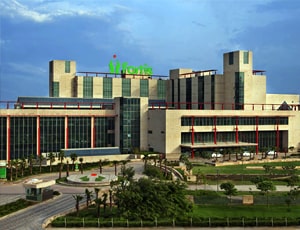
Sanar International Hospital is a multispeciality hospital based on Golf Course Road in Gurugram, a part of Delhi NCR. It was founded in 2018 and houses one of the most comprehensive and advanced surgical care specialties. This 150-bedded facility is committed to providing the best patient experiences and healthcare services is the core of the hospital’s mission. Staffed by a group of visionary and competent medical professionals who are well-versed in their fields and eminent for their empathy and understanding, Sanar International Hospital provides optimal care to its patients, making it a popular

Specialties in the Hospital such as Heart, Bone, and Joint neurosciences, Cancer, Kidney and Liver Transplant, and other successful procedures along with experienced medical professionals have made a mark for themselves among domestic patients and international patients who come to India to have the finest healthcare services. It follows strict international practices and believes that the centricity of the patient is essential for providing high-quality care through world-class infrastructure and state-of-the-art facilities. The technologies offered by the Hospital include Digital X-rays, MRI, CT, Ultrasound, transfusion medicine, pharmacy, laboratory services, 24 hrs emergency and ambulance services.

It offers more than 20 plus specialties such as General Medicine, Anesthesiology, Cardiac Sciences, Ophthalmology, Gastroenterology, Hematology, Orthopedics, General Surgery & Surgical, Cardiothoracic Surgery, Hepato Biliary Surgery, Pediatrics, Liver Transplantation, and Critical Care Medicine. The Hospital has a highly skilled medical staff of neuro-anesthetists, neurologists, specialized neurocritical care experts, neurosurgeons neuropsychologists, and neuropsychiatrists. There are specific centers for the treatment of epilepsy, stroke, brain tumors, movement disorders, spinal problems, and headaches.

High Tibial Osteotomy in Cure My Knee: Costs, Top Doctors, and Reviews

Delhi, India

  • Joint Commission International, or JCI
  • National Accreditation Board for Hospitals & Healthcare Providers (NABH)

Founded in 2020 by Dr. D K Das, Cure My Knee (CMK) Hospital, located in the heart of Delhi, has quickly become a symbol of healthcare excellence. With a focus on orthopedic care, particularly knee surgeries, CMK combines cutting-edge technology with a patient-centric approach to provide seamless, personalized healthcare. The hospital offers a comprehensive range of services, from initial consultations and diagnostic tests to smooth hospital admissions, insurance support, and post-surgery follow-ups, ensuring patients receive the best care at every stage of their treatment journey. Led by a team of expert orthopedic surgeons, Cure My Knee is committed to delivering outstanding surgical outcomes and is expanding its services to multiple locations across India.

High Tibial Osteotomy in Manipal Hospital, Ghaziabad: Costs, Top Doctors, and Reviews

Ghaziabad, India

  • National Accreditation Board for Hospitals & Healthcare Providers (NABH)
  • National Accreditation Board for Testing and Calibration Laboratories (NABL)

Founded in 2010, Manipal Hospital-Ghaziabad (formerly Columbia Asia Hospital) is a well-known multispecialty hospital accredited by the National Accreditation Board for Hospitals and Healthcare Providers (NABH). With 100 beds, the hospital is committed to providing effective and reasonably priced healthcare in a clean and safe setting. The hospital has several departments that are known for their expertise, including Orthopaedics, Internal Medicine, Gastroenterology, Plastic Surgery, Obstetrics and Gynecology, ENT, and more. Due to this recognition, the hospital is now regarded as one of the best medical establishments in the Ghaziabad area.

High Tibial Osteotomy in Apollo Hospital: Costs, Top Doctors, and Reviews

Chennai, India

  • Joint Commission International, or JCI

Apollo Hospital located in Chennai, India is accredited by JCI, NABH. Also listed below are some of the most prominent infrastructural details:

  • Committed Centers of Excellence involving many major specialties, super specialties
  • Assistance in trip planning and execution
  • Insurance related assistance
  • Visa facilitation
  • International patient representatives for complete end to end travel and transfer processing for medical travellers
  • Language translators availability
  • Robust safety and infection protocols
  • Personalised, Visa and Premium Health Checks available
  • Health Library and accessing health records online
  • Wide variety of procedures accomplished including complex and critical procedures
  • Technologically advanced systems and procedures in place
  • Research and academics base of healthcare delivery
High Tibial Osteotomy in Apollo Multispecialty Hospitals: Costs, Top Doctors, and Reviews

Kolkata, India

  • Joint Commission International, or JCI
  • ISO 9001

Apollo Multispecialty Hospitals located in Kolkata, India is accredited by JCI, NABH. Also listed below are some of the most prominent infrastructural details:

  • International patient Center
  • Focus on research and innovation
  • Different amenities: Transport, Security, Travel Desk, Places of Worship, Telecommunication Service, Special Nurse, Food & Dietary Services
  • Several kinds of rooms: General ward, Semi Private Rooms, Private Rooms, Deluxe, Super Deluxe, Suite, Maharaja Suite, HDU, Gastro ICU, Emergency, Neonatal ICU, Level 1, Level 2 & Level 3
  • Health Insurance coverage available
  • Here is a comprehensive list of the various kinds of key medical procedures performed through the latest technology.
  • Arthroscopy
  • Bone Marrow Transplant
  • Cosmetic Surgery
  • Da Vinci Robotic Surgical System
  • Fractional Flow Reserve (FFR)
  • Hand Microsurgery
  • Hip Arthroscopy
  • Minimally Invasive Cardiac Surgery
  • Minimally Invasive Subvastus Total Knee Replacement
  • Oral & Maxillofacial Surgery
  • 128 Slice PET CT
  • Bioresorbable Vascular Scaffold (BVS)
  • ECMO
  • OCT Technique - Optical Coherence Tomography
  • Single Port Endoscopic technique of Carpal Tunnel Release (ECTR)
High Tibial Osteotomy in BGS Gleneagles Global Hospitals: Costs, Top Doctors, and Reviews

Bangalore, India

  • National Accreditation Board for Hospitals & Healthcare Providers (NABH)
  • National Accreditation Board for Testing and Calibration Laboratories (NABL)

Gleneagles BGS Hospital, Kengeri, is a leading healthcare centre in Bengaluru, committed to delivering compassionate, patient-focused care locally and globally. The hospital houses 15 specialised departments with over 30 medical and surgical specialities, supported by 450 beds, advanced emergency services, imaging, laboratory, and transfusion facilities.

It is renowned for pioneering initiatives such as South India’s first 5G-enabled ambulance and Karnataka’s largest Multi-Organ Transplant Program. Recognised among India’s top paediatric cranio-maxillofacial centres, it is also the first in Karnataka to receive the AHPI Award 2024 for “Excellence in Nursing Practices” consecutively.

High Tibial Osteotomy in Manipal Hospital, Yeshwantpur: Costs, Top Doctors, and Reviews

Bangalore, India

  • Joint Commission International, or JCI
  • National Accreditation Board for Hospitals & Healthcare Providers (NABH)

Manipal Hospital, Yeshwantpur located in Bengaluru, India is accredited by NABH. Also listed below are some of the most prominent infrastructural details:

  • Super-specialty healthcare facility
  • Started operations in July 2008
  • Video consultations with specialists
  • Various health checkup packages available
  • Technological applications in healthcare and healthcare delivery
  • Many ancillar services available like
    • ICU, NICU
    • Physiotherapy
    • Referral lab
    • Teleradiology / telemedicine
    • Pharmacy
    • Imaging facilities
  • Rehabilitation services, 24 hour emergency services, operating theatre, ambulatory and daycare, cafeteria, and many kinds of patient accomodation.
High Tibial Osteotomy in Fortis Hospital: Costs, Top Doctors, and Reviews

Noida, India

3.0 ( 1 Reviews )
  • National Accreditation Board for Hospitals & Healthcare Providers (NABH)
  • National Accreditation Board for Testing and Calibration Laboratories (NABL)

Fortis Healthcare Limited is one of India’s prominent providers of integrated healthcare services, offering comprehensive medical care across multiple specialities. The company’s operations span hospitals, diagnostic centres, and day-care speciality facilities, ensuring a wide range of healthcare solutions under one umbrella. Fortis has established a strong presence across the country, managing 33 healthcare facilities, which include joint ventures and operational & management (O&M) setups, across 11 states.

The company’s hospital network comprises more than 5,700 operational beds, including O&M beds, catering to patients with varied healthcare needs. In addition to inpatient services, Fortis operates around 400 diagnostic laboratories, providing reliable and timely diagnostic support for accurate medical care. This extensive network enables Fortis to deliver high-quality healthcare services consistently and efficiently, from routine diagnostics to specialised treatments and complex procedures.

High Tibial Osteotomy in Manipal Hospital, Dwarka: Costs, Top Doctors, and Reviews

Delhi, India

  • National Accreditation Board for Hospitals & Healthcare Providers (NABH)

Manipal Hospital Dwarka is a leading multi-super speciality tertiary care hospital offering world-class, affordable, and accessible healthcare. Backed by renowned doctors, advanced technology, and global standards in clinical care, the hospital provides comprehensive preventive, diagnostic, and therapeutic services for all age groups. With 380 beds, 13 modular OTs, 118 critical care beds, and 24/7 emergency services, it combines excellence in patient care with innovations like AI, telemedicine, remote monitoring, and EMR—striving to become a fully digital, paperless hospital setting new standards in modern healthcare.

Need Some Advice From Our Experts?

Request a Call Back Now!

Our team of healthcare experts would be happy to assist you

trusted Patientstrusted Patients+99
Trusted by 50000+ Patients
Required | alphabets and spaces
Required | A valid, working email address
Required | A valid contact

Process Involved for High Tibial Osteotomy in India

Treatment Stages for High Tibial Osteotomy are:-

  • Initial Evaluation : The process starts with a detailed knee examination. Your doctor will check how well your knee moves, how stable it is, and whether there’s pain during motion or weight-bearing. Imaging, like X-rays or MRI, may be ordered to assess the condition of your bones and cartilage. This step helps confirm if HTO is the right approach, mainly when damage is unevenly distributed across the knee joint.
  • Preoperative Preparation : Once HTO is considered appropriate, your medical team will walk you through essential preparations. This might include blood tests, cardiac evaluations, or stopping certain medications. You’ll also get detailed guidance on dietary changes, managing physical activity, and setting up your living space to make recovery safer and smoother.
  • Surgical Process : During the operation, the surgeon carefully reshapes the upper part of your shinbone (tibia) by creating a wedge to shift pressure away from the damaged area. This realignment allows the healthier part of your knee to bear more weight. A stabilising plate or implant is then used to secure the new position and encourage proper healing.
  • Immediate Post-Surgical Care : You’ll be closely monitored as your anaesthesia wears off after the surgery. Pain control, swelling management, and wound care are priorities during this stage. You might wear a knee brace and use crutches to avoid putting too much strain on your leg as healing begins.
  • Physical Rehabilitation : Recovery involves structured physiotherapy, often starting within a few days. With professional guidance, you’ll gradually begin movements that reduce stiffness and build muscle strength. Over time, your exercises will evolve to improve balance, flexibility, and confidence in walking and climbing stairs.
  • Ongoing Follow-Up and Recovery : Recovery doesn’t stop at the hospital. You’ll have scheduled appointments for imaging and clinical checks to ensure the bone is healing correctly. Based on your progress, your rehab plan may be fine-tuned. With time and consistent care, the goal is to help you return to your daily routine with less pain and better knee function.

The following conditions are treated in High Tibial Osteotomy:

  • Medial Compartment OA : HTO is often recommended when the inner portion of the knee joint becomes worn out due to arthritis. It helps reduce pressure on the damaged side by shifting the body weight to the healthier part of the knee.
  • Bowed Legs (Genu Varum) : When the legs curve outward at the knee, it puts extra strain on the inner side of the joint. HTO helps straighten the leg bones, creating better alignment and reducing joint stress.
  • Localised Cartilage Damage : HTO can benefit patients with cartilage wear limited to one part of the knee. Correcting the alignment slows further damage and helps preserve healthy joint surfaces.
  • Persistent Knee Pain Due to Poor Alignment : Some individuals experience chronic knee discomfort because of the localised body weight distribution. HTO addresses this by adjusting bone angles, which eases pain and improves movement.
  • Early Joint Degeneration in Active Individuals : For younger or physically active patients with early signs of joint damage, HTO helps delay or avoid needing a full knee replacement by protecting the natural joint for longer.
  • Post-Injury Joint Changes : Previous injuries, such as fractures or ligament damage, can lead to joint imbalance and discomfort. HTO helps restore proper alignment and relieve pressure caused by these changes.
  • Eligibility Assessment : This surgery is usually advised for people with knee pain caused by uneven wear, mainly when arthritis affects only one side of the knee joint.
  • Pre-Surgery Planning : Doctors will perform imaging tests and health evaluations. You'll also be given instructions on preparing for surgery and arranging support during recovery.
  • Surgical Procedure : A small wedge of bone is removed or added to the upper shinbone to shift pressure away from the damaged side of the knee.
  • Additional Corrections : During surgery, the doctor may smooth out rough cartilage or remove loose bone fragments to support better joint movement.
  • Closure and Immobilisation : After the correction, the incision is closed and covered. A knee brace or crutches may keep weight off the joint while it heals.
  • Post-Surgery Rehabilitation : Rehabilitation begins soon after surgery with light movements. Physical therapy is continued to restore strength, flexibility, and function over time.
  • Arthroscopy
  • Debridement
  • Synovectomy
  • Meniscectomy
  • Osteoplasty
  • Chondroplasty
  • Ligamentoplasty
  • Microfracture

Benefits of High Tibial Osteotomy include:

  • Alleviates Knee Pain: Realigning the knee joint, HTO reduces stress on the damaged medial compartment, leading to significant pain relief for individuals with early-stage osteoarthritis.
  • Enhances Joint Function: The procedure improves knee stability and function, enabling patients to perform daily activities such as walking and climbing stairs more easily.
  • Improves Mobility: Correcting the knee's alignment enhances its range of motion, allowing for smoother and more comfortable movements.
  • Delays Need for Knee Replacement: HTO can postpone or even eliminate the necessity for total knee replacement by preserving the patient's natural joint structure.
  • Reduces Inflammation: The surgery helps lessen inflammation and swelling associated with osteoarthritis by decreasing abnormal pressure on the knee joint.
  • Supports Active Lifestyles: HTO is particularly beneficial for younger, active individuals, allowing them to maintain their preferred level of physical activity without the limitations imposed by joint pain.
  • Promotes Joint Preservation: As a joint-sparing procedure, HTO focuses on retaining the knee's natural anatomy, which is advantageous for long-term joint health.

The following are the treating team members for High Tibial Osteotomy:

  • Orthopaedist
  • Radiologist
  • Anesthesiologist
  • Physiotherapist
  • Nurse
  • Surgeon
  • Technician
  • Nutritionist
  • Fill out the inquiry form: Please complete the form to provide us with relevant information about your condition.
  • Consult with Our Healthcare Expert: One of our qualified specialists will contact you for a consultation.
  • Receive a Detailed Treatment Plan: After examining your situation, we will provide you with a detailed treatment plan that includes expert views and cost breakdowns for various choices.
  • Choose your preferred option: Choose the therapy option that best suits you.
  • Seamless Organisation: We will manage all the details, including visas, flights, accommodations, and transfers, for a stress-free journey.

Instantly Connect with our High Tibial Osteotomy Specialists

Doctor 1
Doctor 2
Doctor 3
Doctor 4
Doctor 5
Doctor 6
Doctor 7
Doctor 8
Our Services to Better your Experience

Opinion & Option

We submit the most accurate opinion and options from one or more countries for your review

Consult Privately

Consult with a certified specialist privately on our telemedicine platform even before you decide to travel

Logistics

We handle flights, visas, transfers, and accommodation—so you can focus on your health.

Recovery

Our In-house rehabilitation service packages to better your recovery and treatment outcome

Other Popular Countries for High Tibial Osteotomy

Our network connects you with the leading medical tourism destinations globally, offering a wide range of cities, top doctors, and flexible pricing options.

Vietnam
Singapore
Thailand
United Arab Emirates

Frequently Asked Questions

Factors that raise the risk of High Tibial Osteotomy:

  • Delayed diagnosis (public hospital wait times)
  • Manual labour (construction, agriculture)
  • Limited physiotherapy (rural & semi-urban)
  • High diabetes prevalence

The success rate for High Tibial Osteotomy in India is around 80 - 85%. Variability exists due to differences in access to surgical expertise and physiotherapy, especially between urban and rural areas. However, outcomes are favourable with timely intervention and quality post-op care.

In India, renowned centres such as Apollo Hospitals, Fortis Healthcare, and Artemis Health Institute Gurgaon are highly experienced in High Tibial Osteotomy procedures. These hospitals offer cutting-edge diagnostics, skilled orthopaedic surgeons, and multidisciplinary rehabilitation services for joint preservation.

Post-operative care in India often includes partial weight-bearing with crutches or walkers for 4–8 weeks, depending on the surgical technique. Patients are advised to follow structured physiotherapy, avoid squatting or cross-legged sitting initially, and monitor blood sugar levels closely to prevent wound complications in diabetic individuals.

Author

Tanya Bose
Tanya Bose

MSc Biotechnology

4 Years of Experience

Tanya Bose is a medical content specialist with a strong medical background. She has completed her Bachelor's and Master’s in Biotechnology from Amity University. With a deep understanding of biomedical sciences and research, she develops authoritative and patient-focused medical content covering treatments, surgical procedures, and healthcare innovations. Her writing emphasizes accuracy, clarity, and evidence-based information to help readers better understand complex medical topics. She is dedicated to improving patient awareness and supporting informed healthcare decisions by delivering trustworthy medical insights in a clear and accessible format.. View More

Reviewer

Dr. Manoj Miglani
Dr. Manoj Miglani

Orthopedic Surgeon

22 Years of Experience

Known for his soft-spoken nature, Dr. Manon Miglani had completed his MBBS from Maulana Azad Medical College and MS (Ortho) for All India Institute of Medical Sciences. Dr. Miglani was awarded AO spine fellowship from Queen’s Medical Center, Nottingham and he also received Stryker fellowship in Arthroplasty from Indraprastha Apollo Hospital. Dr. Manon Miglani has provided his expert services to various hospitals of Delhi and NCR including AIIMS, Indraprastha Apollo, Jaipur Golden hospital, and Artemis hospital Presently, Dr. Manon is the additional director of Fortis, Vasant Kunj and senior consultant at Fortis, Shalimar Bagh. View More

Last Reviewed - January 2026