Your Notifications
All done, no notifications

Congenital Pseudarthrosis of the Tibia (CPT) Surgery Cost in Poland

Costs starts from USD12000 to USD22000
Filters

How Much Does Congenital Pseudarthrosis of the Tibia (CPT) Surgery Treatment Cost in Poland?

Congenital Pseudarthrosis of the Tibia (CPT) Surgery Treatment in Poland usually costs between USD 12000 - USD 22000. The cost of Congenital Pseudarthrosis of the Tibia (CPT) Surgery varies widely depending on the type of treatment, hospital, and location.

Diagnostic testing, surgery, and therapy can be costly. This estimate covers initial consultations, diagnostic procedures, surgical treatments, chemotherapy or radiation sessions, and follow-up care.

The final cost will be determined by the complexity of the case and the chosen healthcare facility.

Factors Influencing the Cost of Congenital Pseudarthrosis of the Tibia (CPT) Surgery Treatment in Poland

Several factors might affect the cost of Congenital Pseudarthrosis of the Tibia (CPT) Surgery Treatment in Poland, including:

Cost of Congenital Pseudarthrosis of the Tibia (CPT) Surgery in Major cities of Poland

CityMinimum Cost (USD)Minimum Cost (PLN)Maximum Cost (USD)Maximum Cost (PLN)
Jelenia GoraUSD 1080040608USD 1980074448
WarsawUSD 1200045120USD 2200082720

Congenital Pseudarthrosis of the Tibia (CPT) Surgery Cost : A Global Comparison

CountryMinimum CostMinimum Local CurrencyMaximum CostMaximum Local Currency
HungaryUSD 20000HUF 7141600USD 35000HUF 12497800
IndiaUSD 9000INR 770760USD 15000INR 1284600
IsraelUSD 25000ILS 88500USD 40000ILS 141600
JordanUSD 14000JOD 9940USD 22000JOD 15620
LithuaniaUSD 18000LTL 61573USD 30000LTL 102621
MalaysiaUSD 12000MYR 50880USD 22000MYR 93280
PolandUSD 12000PLN 45120USD 22000PLN 82720
Saudi ArabiaUSD 15000SAR 56250USD 28000SAR 105000
SingaporeUSD 22000SGD 28380USD 42000SGD 54180
South AfricaUSD 13000ZAR 233610USD 24000ZAR 431280
South KoreaUSD 16000KRW 22015680USD 30000KRW 41279400
SpainUSD 15000ESP 2205598USD 28000ESP 4117117
SwitzerlandUSD 28000CHF 23240USD 50000CHF 41500
ThailandUSD 12000THB 392520USD 23000THB 752330
TunisiaUSD 9000TND 26820USD 17000TND 50660
TurkeyUSD 9000TRY 351540USD 17000TRY 664020
United Arab EmiratesUSD 16000AED 58720USD 30000AED 110100
United KingdomUSD 18000GBP 13320USD 33000GBP 24420
United StatesUSD 30000USD 30000USD 70000USD 70000
VietnamUSD 8000VND 209027920USD 15000VND 391927350

Need Help Planning Your Treatment Abroad?

Your 24/7 AI Health Assistant

Congenital Pseudarthrosis of the Tibia (CPT) is a rare condition in which a child is born with a weak or broken shinbone (tibia) that fails to heal correctly. Over time, the bone may bend or break, making it hard for the child to walk or stand.

To treat this, doctors perform surgery to help the bone grow and become strong. One standard method uses an external fixator, a special frame placed outside the leg to straighten and support the bone while it heals. Another method is placing a metal rod inside the bone (called intramedullary nailing) to keep it stable.

In some cases, doctors may replace the damaged part of the bone with healthy bone from another part of the body, usually the lower leg (fibula). The primary goal of the surgery is to repair the bone, promote normal growth, and enable the child to walk without pain or difficulty.

CPT surgery treats a rare condition in which the tibia, or shinbone, fails to develop or heal properly, often from birth. This condition results in a fragile, bowed, or fractured bone that does not unite naturally. The surgery aims to correct the deformity, encourage healthy bone growth, and stabilise the leg to prevent future fractures. It also helps restore mobility and improves the child’s quality of life.

Parents should consult a doctor if their child shows signs of bowing in the lower leg at birth or soon after, or if a tibial fracture occurs and does not heal. Recurrent fractures, instability while walking, or noticeable differences in leg length are also warning signs. Children with neurofibromatosis type 1 are especially prone to CPT and should be monitored regularly for early signs of bone deformity.

Preparing for CPT surgery involves a detailed diagnostic process, including X-rays, CT scans, or MRIs, to assess the condition of the bone. The child may undergo blood tests and a physical exam to ensure they can handle anesthesia and surgery. Parents will receive information on the surgical plan, the expected recovery timeline, and post-operative care.

During the procedure, the surgeon removes the abnormal pseudarthrosis tissue and any fibrous or non-healing bone. A bone graft, often taken from the child’s pelvis, is used to promote bone healing. To stabilise the tibia, the surgeon may use internal fixation with rods or plates, or external fixation with devices like the Ilizarov frame. In severe cases, vascularized fibular grafting is performed to improve blood supply and help bone regeneration.

CPT surgery usually takes 3 to 5 hours, depending on its complexity and whether bone grafts or fixators are used. After surgery, the child stays in the hospital for about 4 to 7 days for pain management, monitoring, and initial rehabilitation. Recovery can last several months, with ongoing assessments to track bone healing and alignment.

  • Infection at surgical or pin sites.
  • Failure of bone healing, nonunion, or re-fracture.
  • Nerve or blood vessel injury.
  • Limb length discrepancy or recurring deformity.

  • Promotes solid bone healing in a tibia that previously did not heal.
  • Improves leg alignment, strength, and mobility.
  • Reduces the risk of fractures and the need for future surgeries.
  • Improves overall quality of life and physical activity.

Following surgery, the leg is immobilised with a cast or an external fixator. Physical therapy begins once healing has progressed, focusing on exercises to improve strength, joint flexibility, and gait. The child will attend regular follow-up appointments, and X-rays will be taken to monitor the progress of the bone. Once healing is sufficient, any hardware or frames may be removed. Full recovery can take anywhere from 6 months to longer, depending on the individual's healing process.

CPT surgery has a success rate of approximately 70% to 85% in achieving bone union, although some children may require multiple surgeries. The outcome largely depends on the child’s age at the time of treatment, the severity of the deformity, and the surgical technique employed. Early diagnosis, skilled orthopaedic intervention, and consistent follow-up can lead to improved long-term results.

Would you like some help? We are available.

Get Help
Explore Hospitals ( 2 )
Congenital Pseudarthrosis of the Tibia (CPT) Surgery in Carolina Medical Center: Costs, Top Doctors, and Reviews

Warsaw, Poland

  • ISO 9001

Apart from in-detail treatment procedures available, Carolina Medical Center located in Warsaw, Poland has a wide variety of facilities available for International Patients. Some of the facilities which are provided by them are Accommodation, Airport Transfer, Choice of Meals, Interpreter, SIM, TV inside room. Also listed below are some of the most prominent infrastructural details:

  • Focus on innovative scientific research based treatments
  • Multidisciplinary healthcare organisation
  • Academic focus on training and education of healthcare workers as well as on therapeutic programmes.
  • They are an undisputed segment of LUX MED Group whe are associated with Polish Olympics Committee. This enables them to take care of Polish athletes.
  • The healthcare requirements of dancers of National Ballet, national team members associated with several sports teams are borne by Carolina Medical Center, Warsaw, Poland.
  • Diagnostics and rehabilitation section of this medical center is top notch.
  • It is also a preferred medical destination for international patients owing to the best of services provided by them to ease the experience of international medical tourists in every aspect.
  • Online consultations and emergency services are also available for patients.
Congenital Pseudarthrosis of the Tibia (CPT) Surgery in KCM Clinic: Costs, Top Doctors, and Reviews

Jelenia Gora, Poland

  • ISO 9001

KCM Clinic located in Jelenia Gora, Poland is accredited by ISO. Also listed below are some of the most prominent infrastructural details:

  • Comfort of the patients is the utmost priority of KCM. It provides accommodation facilities in Private and Double rooms with hygienic restrooms
  • Free Wi-fi service available
  • Air-conditioned Exercising rooms
  • Rehabilitation Center
  • 20 Specialties Centers

Need Some Advice From Our Experts?

Request a Call Back Now!

Our team of healthcare experts would be happy to assist you

trusted Patientstrusted Patients+99
Trusted by 50000+ Patients
Required | alphabets and spaces
Required | A valid, working email address
Required | A valid contact

Process Involved for Congenital Pseudarthrosis of the Tibia (CPT) Surgery in Poland

Treatment Stages for Congenital Pseudarthrosis of the Tibia (CPT) Surgery

  • Consultation with a Specialist: The orthopaedic specialist assesses the child’s condition, medical history, and the severity of CPT to determine the best treatment approach.
  • Staging and Diagnosis: Diagnostic tools, such as X-rays, CT scans, and MRI scans, evaluate the extent of the deformity and any underlying conditions, including Neurofibromatosis Type 1 (NF1).
  • Personalised Treatment Plan: Based on the severity and complexity of the CPT, the doctor creates a treatment plan, which may include bone grafting, intramedullary rodding, or external fixators to stabilise and promote bone healing.
  • Pre-treatment Counselling: Parents and the child are informed about the surgery, expected recovery time, potential risks, and the necessary care during and after the procedure. This includes weight-bearing restrictions and the need for physical therapy.
  • Follow Up- Regular follow-up sessions are essential for tracking recovery, recognising recurrences, and managing problems.
  • Non-healing Fractures
  • Tibia Deformities
  • Bone Weakness
  • Growth Abnormalities
  • Leg Length Discrepancy
  • Neurofibromatosis Type 1 (NF1)
  • Children with Congenital Pseudarthrosis of the Tibia (CPT) who have a non-healing tibial fracture or deformity.
  • Early-stage CPT may be treated with less invasive procedures, while more severe cases may require complex surgeries.
  • Patients with Neurofibromatosis Type 1 (NF1), a common condition associated with CPT, may need special considerations for surgery.
  • Bone Grafting
  • Intramedullary Rodding
  • External Fixation
  • Ilizarov Technique
  • Lengthening Procedures
  • Physical Therapy
  • Improved Bone Healing: Surgical interventions, such as bone grafting and rodding, promote proper bone healing and alignment, thereby enhancing tibial strength.
  • Reduced Risk of Fractures: Successful treatment reduces the risk of future fractures or non-healing bones, preventing further deformities.
  • Enhanced Mobility: Physical therapy and surgical procedures can help restore mobility and improve leg function, allowing the child to walk and move more freely.
  • Improved Quality of Life: Correcting bone deformities and addressing CPT symptoms can alleviate pain and discomfort, enhancing the child’s overall quality of life.
  • Personalised Treatment Options: Tailored treatment plans, such as external fixators or the Ilizarov technique, offer gradual bone correction and lengthening.
False
  • Please complete the inquiry form to provide us with relevant information about your condition.
  • Consult with Our Healthcare Expert: One of our qualified specialists will contact you for a consultation.
  • Receive a Detailed Treatment Plan: After examining your situation, we will provide you with a detailed treatment plan that includes expert opinions and a cost breakdown for various options.
  • Select your preferred option: Choose the therapy option that best suits your needs.
  • Seamless Organisation: We will manage all the details, including visas, flights, accommodations, and transfers, for a stress-free journey.

Instantly Connect with our Congenital Pseudarthrosis of the Tibia (CPT) Surgery Specialists

Doctor 1
Doctor 2
Doctor 3
Doctor 4
Doctor 5
Doctor 6
Doctor 7
Doctor 8
Our Services to Better your Experience

Opinion & Option

We submit the most accurate opinion and options from one or more countries for your review

Consult Privately

Consult with a certified specialist privately on our telemedicine platform even before you decide to travel

Logistics

We handle flights, visas, transfers, and accommodation—so you can focus on your health.

Recovery

Our In-house rehabilitation service packages to better your recovery and treatment outcome

Other Popular Countries for Congenital Pseudarthrosis of the Tibia (CPT) Surgery

Our network connects you with the leading medical tourism destinations globally, offering a wide range of cities, top doctors, and flexible pricing options.

United Kingdom
Turkey
Spain
Thailand

Author

Tanya Bose

MSc Biotechnology

2.5 Years of Experience

Tanya Bose is a medical content specialist with a strong medical background. She has completed her Bachelor's and Master’s in Biotechnology from Amity University. With a deep understanding of biomedical sciences and research, she develops authoritative and patient-focused medical content covering treatments, surgical procedures, and healthcare innovations. Her writing emphasizes accuracy, clarity, and evidence-based information to help readers better understand complex medical topics. She is dedicated to improving patient awareness and supporting informed healthcare decisions by delivering trustworthy medical insights in a clear and accessible format. . View More

Reviewer

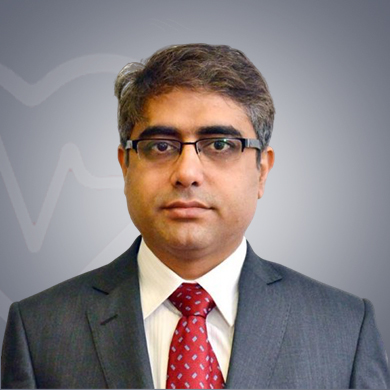
Dr. Manoj Miglani

Orthopedic Surgeon

22 Years of Experience

Known for his soft-spoken nature, Dr. Manon Miglani had completed his MBBS from Maulana Azad Medical College and MS (Ortho) for All India Institute of Medical Sciences. Dr. Miglani was awarded AO spine fellowship from Queen’s Medical Center, Nottingham and he also received Stryker fellowship in Arthroplasty from Indraprastha Apollo Hospital. Dr. Manon Miglani has provided his expert services to various hospitals of Delhi and NCR including AIIMS, Indraprastha Apollo, Jaipur Golden hospital, and Artemis hospital Presently, Dr. Manon is the additional director of Fortis, Vasant Kunj and senior consultant at Fortis, Shalimar Bagh. View More