Your Notifications
All done, no notifications

Autologous Chondrocyte Implantation (ACI) Cost in Poland

USD 3400 - USD 5500

Affordable World-class Treatment - Accredited Hospitals - Free Treatment Plan in 24 Hrs

3
Days in Hospital
2-4 hrs
Procedure Time
80 - 90%
Success Rate
JCI/ISO 100,000+ Patients 24X7 Coordinator Visa & Travel handled
Your all-in-one medical travel platform for treatment, recovery & care.

Get Your Personalised Treatment Plan in Just 24 Hours.

Share your details to receive a personalised treatment plan, estimated costs, hospital recommendations, and expert guidance, “completely free.”

Required | alphabets and spaces
Required | A valid, working email address
Required | A valid contact
Connect with an Expert

Your information is protected with HIPAA-compliant security standards. We only share your details with hospitals after your consent.

Estimated Treatment Cost
USD 3400 - USD 5500
All-inclusive • Hospital + Medications + Recovery Assistance + Dedicated Care Coordinator

International Quality. Affordable Care.

How Much Does Autologous Chondrocyte Implantation (ACI) Cost in Poland?

Autologous Chondrocyte Implantation (ACI) in Poland typically starts from USD 40000.

The total expenses are determined by the features of various ankle conditions, along with the entire process, including the type of hospital and the doctor’s level of skill. Other costs include investigative tests before the procedure is done, anesthesia, the bed in the hospital, medication used in the process, physiotherapy services, and consultations after surgery.

Factors Influencing the Cost of Arthroscopic (minimally invasive) Ankle Surgery

  • Surgery Type and Severity: Costs vary depending on the condition treated and the surgery needed. Costs also vary for surgery to treat ankle impingement, osteochondral lesions, ligament injury, synovitis, loose pieces of bone or cartilage, and chronic ankle instability. Thus, the more complicated the procedure, the more costly it is expected to be.
  • Hospital and Surgeon Skills: If orthopedic and sports medicine centres use the expertise of qualified foot and ankle surgeons, the overall professional and hospital costs may be higher.
  • Costs of Diagnostics: The cost of surgery services may be higher depending on the necessity to run additional tests.
  • Surgical Equipment and Devices: The need to use suture anchors, fixation devices, cartilage repair materials, and other specially designed surgical devices increases the cost of treatment.
  • Costs of Post-Surgery Treatment: Some people overlook other costs they will incur after surgery, such as medicines for postoperative treatment, physiotherapy, recovery, and ankle braces.
  • Hospital Stay: Arthroscopic ankle surgery is usually performed as a day-care or short-stay procedure. However, extended hospitalisation due to complex surgery or complications may increase the overall cost.

What's included in your Autologous Chondrocyte Implantation (ACI) quote?

Autologous Chondrocyte Implantation (ACI) procedure
fee, operating room charges, hospital fees
Orthopaedic consultations
Pre-evaluation, treatment planning, follow-ups
3–5-day hospital stay
management
7–14-day in-country follow-up
Wound check, knee assessment
Visa & medical-visa invite letter
Airport pickup & transfers

Cost of Autologous Chondrocyte Implantation (ACI) in Major Cities of Poland

CityCost (USD)
Jelenia Gora $36,000 Explore More
Warsaw $40,000 Explore More

Autologous Chondrocyte Implantation Aci - Poland Vs the World

$4k - $20k
$5k - $10k
$11k - $0
$12k - $22k
$15k - $28k
$20k - $30k
$20k - $40k
$20k - $35k
$40k - $0
$40k - $100k
$40k - $0
Nimra Haseeb
Author

MSc Biochemistry

4 Years of Experience

Miss Nimra Haseeb is a medical researcher and a scientific content writer. She holds a Bachelor’s degree in Biotechnology and a Master’s in Biochemistry from Integral University, Lucknow. With strong experience in healthcare research, she specializes in secondary research, clinical data analysis, and evidence-based medical writing. Her work focuses on transforming complex scientific and medical information into clear, accurate, and reliable healthcare content for patients and healthcare audiences. She is also experienced in interpreting medical studies and healthcare trends to deliver well-researched and informative content that supports better health awareness and decision-making.
View More
Dr. Manoj Miglani
Reviewer

Orthopedic Surgeon

22 Years of Experience

Last Reviewed - June 2026

Known for his soft-spoken nature, Dr. Manon Miglani had completed his MBBS from Maulana Azad Medical College and MS (Ortho) for All India Institute of Medical Sciences. Dr. Miglani was awarded AO spine fellowship from Queen’s Medical Center, Nottingham and he also received Stryker fellowship in Arthroplasty from Indraprastha Apollo Hospital. Dr. Manon Miglani has provided his expert services to various hospitals of Delhi and NCR including AIIMS, Indraprastha Apollo, Jaipur Golden hospital, and Artemis hospital Presently, Dr. Manon is the additional director of Fortis, Vasant Kunj and senior consultant at Fortis, Shalimar Bagh.
View More

Need Help Choosing the Right Treatment? Talk to a Medical Advisor

Our dedicated Medical Patient Advisors are here to answer your questions, help you compare treatment options, estimate costs, and guide you through every step of your healthcare journey.

15 min
Average response time

Serving Patients Worldwide in Multiple Languages.

Autologous Chondrocyte Implantation (ACI) is a two-step method for rebuilding damaged articular cartilage, protecting the bones' ends in joints. In the first stage, a little piece of healthy cartilage is removed and cultivated in a lab to produce additional chondrocytes. The cultured cells are inserted into the injured area in the second stage. ACI is typically used to treat isolated, full-thickness cartilage abnormalities, particularly in young, active people. The transplanted cells aim to create natural hyaline cartilage and restore joint function.

Autologous Chondrocyte Implantation (ACI) is used to treat cartilage damage in joints, particularly the knee. It regenerates healthy cartilage to restore joint function and lessen pain when cartilage has been damaged by disease or injury and is unable to heal on its own.

Consult a physician If you have chronic knee discomfort, swelling, or trouble moving the joint . These might be signs of cartilage degradation, necessitating procedures like autologous chondrocyte implantation.

Prepare for Autologous Chondrocyte Implantation by undergoing imaging tests to assess cartilage damage. Observe pre-operative guidelines, including those on medication adjustments and fasting. Prepare for physical therapy as part of your post-surgery rehabilitation.

Autologous Chondrocyte Implantation (ACI) involves harvesting healthy cartilage cells from the patient's knee. These cells are cultivated to produce new cartilage in a laboratory. Then, to encourage cartilage regeneration, the cultivated cells are inserted into the joint's damaged area.

The average time to perform autologous chondrocyte implantation (ACI) is two to three hours.

  • Infection
  • Joint stiffness
  • Cartilage failure
  • Blood clots or bleeding around the surgical area
  • Rejection of the implanted cells, although rare.
  • Knee pain

Autologous chondrocyte implantation (ACI) can enhance knee function and lessen discomfort by repairing damaged cartilage. It helps regain joint mobility and stops the afflicted area from worsening.

Post-operative recovery for ACI involves limited weight-bearing and rest to heal the new cartilage. For knee strength and mobility to be restored, physical therapy is essential. It could take 6-12 months to fully recover, with frequent follow-up appointments to track development.

Studies have shown that autologous chondrocyte implantation (ACI) typically has a high success rate, with short-term results ranging from 71% to 90% being good or outstanding.

80–90%

Successful cartilage repair

3–5 days

Typical hospital stay

6–12 months

to typical return to work
Explore Hospitals ( 2 )

Warsaw, Poland

60+ Beds · 197+ Procedures
ISO
Starting
USD 3500

Jelenia Gora, Poland

85+ Beds · 179+ Procedures
ISO
Starting
USD 3400

Get Your Autologous Chondrocyte Implantation (ACI)
Plan in 24 hrs.

Our experienced Medical Patient Advisors have supported 100,000+ patients across 120+ countries with personalised treatment plans, hospital recommendations, cost estimates, and travel assistance, all free.

HIPAA-Compliant Data SecurityShared Only with Your Consent

Free Consultation No Obligation Personalized Treatment Plan Response Within 24 Hours

Required | alphabets and spaces
Required | A valid, working email address
Required | A valid contact

Your medical info is kept HIPAA-style confidential. We never share with hospitals without your consent.

Process Involved for Autologous Chondrocyte Implantation (ACI) in Poland

  • Consultation with a Specialist: An orthopaedic surgeon or joint specialist assesses the patient's condition using imaging investigations such as MRI to determine cartilage damage.
  • Staging and Diagnosis: Detailed diagnostic procedures, such as MRI and arthroscopy, are used to assess the level of cartilage injury and its suitability for ACI.
  • Personalised Treatment Plan: Based on the diagnosis, a tailored treatment plan will be developed to meet the patient's requirements, with a focus on the extent and location of cartilage abnormalities
  • Pre-treatment Counseling: Patients are told about the operation, expected recovery time, potential dangers, and post-operative rehabilitation requirements.
  • Articular cartilage defects in the knee, hip, ankle, or other joints.
  • Degenerative cartilage loss due to osteoarthritis or trauma.
  • Cartilage damage that has not improved with conservative treatments.
  • Patients with articular cartilage abnormalities in the knee or other joints that cause discomfort and restrict movement.
  • Individuals suffering from cartilage loss caused by trauma, osteoarthritis, or other degenerative disorders.
  • Non-surgical treatments such as physical therapy or medication have not been effective for certain people.
  • Patients who are in good health and have no underlying illnesses that could complicate the surgery.
  • Arthroscopy
  • Microfracture
  • Knee Joint Rehabilitation
  • Restoration of Cartilage: ACI aids in cartilage regeneration, potentially improving joint function and relieving discomfort.
  • Improved Joint Function: The operation can dramatically increase joint mobility, allowing patients to resume normal activities.
  • Long-Term Relief: ACI can provide long-term pain relief due to cartilage degeneration while also improving quality of life.
  • Minimally Invasive Options: In some circumstances, ACI can be treated with minimally invasive procedures, shortening recovery time.
  • Preservation of Joint Health: ACI aims to preserve the afflicted joint and avoid more invasive operations like joint replacement.
  • Orthopedic Surgeon
  • Sports Medicine Specialist
  • Physiotherapist
  • Fill out the inquiry form: Fill out the form to provide us with the relevant information about your condition.
  • Consult with Our Healthcare Expert: One of our qualified specialists will contact you for a consultation.
  • Receive a Detailed Treatment Plan: After examining your situation, we will provide you with a detailed treatment plan that includes expert views and cost breakdowns for various choices.
  • Choose your preferred option: Choose the therapy option that best suits you.
  • Seamless Organization: We will manage all the details, including visas, flights, accommodations, and transfers, for a stress-free journey.
Jenny Wilson
Your Dedicated Medical Patient Advisor
Treatment planning • Hospital coordination • Multilingual support • Response within 15 minutes.
Our Services to Better your Experience

Opinion & Option

We submit the most accurate opinion and options from one or more countries for your review

Consult Privately

Consult with a certified specialist privately on our telemedicine platform even before you decide to travel

Logistics

We handle flights, visas, transfers, and accommodation—so you can focus on your health.

Recovery

Our In-house rehabilitation service packages to better your recovery and treatment outcome

Patient Stories

Kevin Stewart
Kevin Stewart
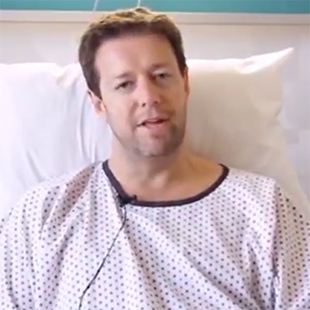
Kevin Stewart: Slip Disc Treatment in UAE

Kevin Stewart from Scotland could barely walk straight due to a Slip Disc. He faced many discomforts for the past…

Mr.Mohamed Dumia
Mr.Mohamed Dumia
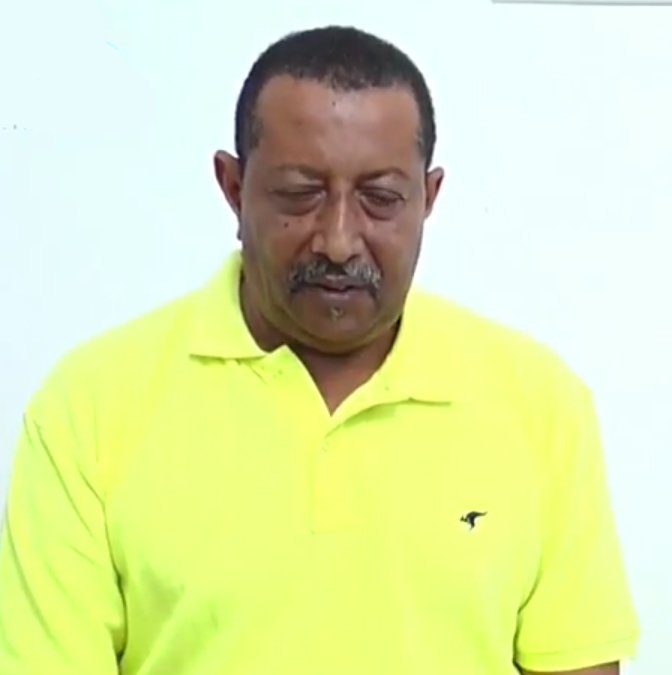
Mr.Mohamed Dumia: Knee Replacement

Mr. Muhammed Dumia was suffering from painful left Knee and was in considerable pain for the last 2 months. He…

Frequently Asked Questions

The cost of Autologous Chondrocyte Implantation (ACI) in Poland may vary depending on the size, location, and severity of the cartilage defect, the number of treatment stages, cell-processing requirements, surgical technique, hospital charges, surgeon’s fees, and rehabilitation needs. The overall cost may include diagnostic imaging, cartilage biopsy, laboratory cell expansion, implantation surgery, hospitalisation, medications, physiotherapy, and follow-up care.MediGence can help international patients explore suitable orthopaedic centres and obtain an estimated treatment plan based on the patient’s cartilage condition and clinical requirements.

The best hospitals in Poland for ACI are those with experienced orthopaedic knee surgeons, specialised cartilage restoration programmes, advanced MRI facilities, cell-processing capabilities, modern operating theatres, and structured rehabilitation services. Patients should consider hospitals with expertise in treating focal full-thickness cartilage defects and managing associated knee alignment, ligament, or meniscal abnormalities.

Patients should choose an orthopaedic surgeon with specialised experience in cartilage restoration and knee preservation procedures. Important factors include the surgeon’s experience with ACI or matrix-induced ACI techniques, expertise in assessing cartilage lesion size and location, familiarity with associated procedures such as osteotomy or ligament reconstruction, hospital affiliation, and ability to explain expected outcomes and rehabilitation requirements.

Autologous Chondrocyte Implantation (ACI) has an overall success rate of approximately 71-90%, depending on the size and location of the cartilage defect, patient age, knee alignment, joint stability, surgical technique, and adherence to rehabilitation. Outcomes are generally more favourable in appropriately selected patients with focal cartilage defects and limited degenerative joint changes.

Hospitals in Poland may use high-resolution MRI, arthroscopic cartilage assessment, cartilage biopsy techniques, laboratory-based chondrocyte expansion, and advanced implantation methods. ACI is generally performed in stages, beginning with the collection of healthy cartilage cells, followed by laboratory expansion and implantation into the cartilage defect.Depending on the clinical condition, treatment may involve traditional ACI, matrix-induced autologous chondrocyte implantation (MACI), or combined procedures to correct knee malalignment, instability, or other factors affecting cartilage repair.

Possible risks and complications may include:
  • Knee pain, swelling, or stiffness
  • Infection or bleeding
  • Graft failure or incomplete cartilage regeneration
  • Chondrocyte hypertrophy or excessive tissue growth
  • Delamination or loss of the implanted tissue
  • Reduced range of motion
  • Persistent symptoms or limited functional improvement
  • Blood clot formation
  • Need for additional arthroscopy or revision surgery
  • Risks related to anaesthesia
  • The treating surgeon will explain the potential risks based on the cartilage defect, knee condition, and planned procedure.

    Patients should share all relevant medical records with the treating orthopaedic team before travelling. These may include knee X-rays, MRI reports and images, previous arthroscopy findings, treatment records, physiotherapy reports, blood test results, and details of current medications and allergies.Patients should also discuss the staged treatment process, expected hospital stay, weight-bearing restrictions, rehabilitation programme, and follow-up requirements before making travel arrangements.

    Yes. International patients can arrange an online consultation with an orthopaedic knee or cartilage restoration specialist before travelling to Poland. The specialist may review the patient’s symptoms, MRI findings, cartilage defect characteristics, previous treatments, knee alignment, and activity level to determine whether ACI may be appropriate.MediGence can help coordinate online consultations and facilitate the sharing of relevant medical records with suitable specialists.

    International patients should carry a valid passport and relevant medical documents, including:
  • Knee X-rays and MRI reports and images
  • Previous arthroscopy or cartilage assessment reports
  • Previous orthopaedic treatment records
  • Physiotherapy or rehabilitation reports
  • Recent blood test and preoperative assessment reports
  • Current prescriptions and medication details
  • Allergy and medical history records
  • The required stay in Poland depends on the treatment protocol, whether the procedure is performed in one or multiple stages, and the patient’s postoperative recovery. ACI may require separate visits for cartilage biopsy and cell implantation, depending on the treatment approach and local clinical pathway.Patients may need to remain in Poland for postoperative monitoring, wound assessment, rehabilitation planning, and confirmation that they are medically fit to travel. The treating team will recommend an appropriate timeline based on the individual treatment plan.

    Recovery after ACI is gradual and may extend over several months. Patients may require restricted or protected weight-bearing, crutches, and a structured physiotherapy programme to support cartilage maturation and restore knee mobility and strength.Return to high-impact activities or sports may take longer and depends on the location and size of the cartilage defect, the surgical technique, and rehabilitation progress. The treating team will provide an individualised recovery timeline.

    If complications occur, patients should contact the treating orthopaedic team or seek prompt medical attention. Urgent evaluation may be required for high fever, increasing knee pain or swelling, wound redness or discharge, sudden loss of movement, calf pain, breathing difficulty, or worsening symptoms.Patients should receive clear discharge instructions and a detailed rehabilitation and follow-up plan before returning home.

    International patients can submit their medical details and relevant knee imaging through the MediGence website. Following an initial review, the MediGence care team can help patients explore suitable hospitals and experienced cartilage restoration specialists, coordinate consultations, and support treatment and medical travel planning.The final treatment recommendation is made by the treating specialist after a detailed clinical evaluation and review of the patient’s imaging findings.

    International patients may choose Poland for access to experienced cartilage restoration specialists, advanced diagnostic imaging, specialised cell-processing facilities, modern knee-preservation techniques, and comprehensive rehabilitation services. The destination should be evaluated based on clinical expertise, laboratory capabilities, treatment protocols, patient safety standards, and long-term follow-up support.

    Treatment options depend on the size, depth, and location of the cartilage defect, knee alignment, joint stability, and the extent of degenerative changes. Options may include:
  • Activity modification and physiotherapy
  • Medication or injection-based treatment, when appropriate
  • Arthroscopic debridement or chondroplasty
  • Microfracture or bone marrow stimulation
  • Osteochondral autograft transfer
  • Osteochondral allograft transplantation
  • Autologous Chondrocyte Implantation (ACI)
  • Matrix-induced Autologous Chondrocyte Implantation (MACI)
  • Corrective osteotomy for knee malalignment
  • Ligament or meniscal procedures, when clinically required
  • Postoperative rehabilitation and long-term follow-up
  • The treating specialist will recommend the most appropriate treatment after reviewing the patient’s clinical findings and imaging results.

    International patients may choose Poland for access to specialised cartilage restoration centres, experienced orthopaedic knee surgeons, advanced cell-based treatment technologies, modern joint-preservation techniques, and structured rehabilitation programmes.MediGence can assist with hospital and specialist selection, medical record coordination, consultation scheduling, treatment planning, and travel-related support. The final destination should be selected according to the patient’s cartilage condition, treatment requirements, rehabilitation needs, and the hospital’s expertise in ACI.

    Not Sure About Your Treatment Plan? Get a Free Second Opinion

    Have your reports reviewed by independent oncology experts to help you make a confident treatment decision, all online within 48 hours.

    Upload Your Reports
    Free second opinion on your CAR-T plan