Your Notifications
All done, no notifications

Arthroscopic Bankart repair Cost in Poland

USD 3000 - USD 5200

Affordable World-class Treatment - Accredited Hospitals - Free Treatment Plan in 24 Hrs

1
Days in Hospital
1-2 hrs
Procedure Time
90 - 95%
Success Rate
JCI/ISO 100,000+ Patients 24X7 Coordinator Visa & Travel handled
Your all-in-one medical travel platform for treatment, recovery & care.

Get Your Personalised Treatment Plan in Just 24 Hours.

Share your details to receive a personalised treatment plan, estimated costs, hospital recommendations, and expert guidance, “completely free.”

Required | alphabets and spaces
Required | A valid, working email address
Required | A valid contact
Connect with an Expert

Your information is protected with HIPAA-compliant security standards. We only share your details with hospitals after your consent.

Estimated Treatment Cost
USD 3000 - USD 5200
All-inclusive • Hospital + Medications + Recovery Assistance + Dedicated Care Coordinator

International Quality. Affordable Care.

How Much Does Arthroscopic Bankart Repair Cost in Poland?

Arthroscopic Bankart Repair in Poland typically ranges between USD 3500 - USD 4500.

The overall expenses differ based on the severity of shoulder instability, the complications of the procedure, the location and prestige of the healthcare facility, the know-how of the orthopedic surgeon, and the health condition of the patient. There might be other costs like diagnostics before surgery, anesthesia, any prosthesis, being in the hospital, medication, management of the physiotherapy, and medical check-ups that make up a significant portion of the total expenses.

Factors Influencing the Cost of Arthroscopic Bankart Repair

  • Severity of the Shoulder Injury: Patients with recurrent shoulder dislocations, extensive tear of the labrum, associated bone loss, or extra soft tissue damage may need different interventions, thereby increasing overall costs.
  • Surgical Techniques: Costs vary based on the amount of Bankart repair, the number of suture anchors used, and the implementation of other procedures like remplissage and SLAP repair during the same procedure.
  • Hospital and Surgeon Expertise: Treatment from specialised Orthopaedic centres or expert shoulder surgeons may involve higher professional and hospital costs.
  • Diagnostic Tests and Imaging: Orthopedic consultation, X-ray, MRI, CT scan (where indicated), laboratory tests, and anesthesia assessment contribute to the total costs.
  • Implants and Surgical Materials: The amount and type of suture anchors and other fixation devices used in arthroscopic repair greatly affect the cost.
  • Hospital Stay: Hospitalisation costs, medicine, shoulder slings, rehabilitation, and follow-up consultations may be required.

What's included in your Arthroscopic Bankart repair quote?

Arthroscopic Bankart repair surgery
fee, arthroscopic labral repair, operating room charges
Orthopedic consultations
Pre-evaluation, surgical planning, follow-ups
1–2-day hospital stay
Inpatient care
5–7-day in-country follow-up
Shoulder assessment, recovery
Visa & medical-visa invite letter
Airport pickup & transfers

Cost of Arthroscopic Bankart repair in Major Cities of Poland

CityCost (USD)
Jelenia Gora $3,150 – $4,050 Explore More
Warsaw $3,500 – $4,500 Explore More

Arthroscopic Bankart Repair - Poland Vs the World

$2k - $5k
$2k - $4k
$5k - $8k
$6k - $10k
$6k - $10k
$6k - $22k
$6k - $12k
$7k - $13k
$8k - $15k
$10k - $18k
$10k - $18k
$12k - $18k
$15k - $35k
Alvina Hasan
Author

M.Pharm

2 Year of Experience

Alvina Hasan is a dedicated medical researcher and scientific writer with a strong foundation in pharmaceutical sciences. She holds a B.Pharm from Jamia Hamdard University and an M.Pharm in Quality Assurance from DIPSAR University.

With deep medical expertise and a strong interest in healthcare communication, she focuses on transforming complex clinical and scientific information into clear, engaging, and easy-to-understand narratives. She develops insightful healthcare articles and research-driven content designed to support both medical professionals and patients, helping bridge the gap between advanced medical knowledge and practical understanding.

Readers can explore her published research and articles here:

https://carcinogenesis.com/index.php/JOC/article/view/868

https://carcinogenesis.com/index.php/JOC/article/view/870

View More
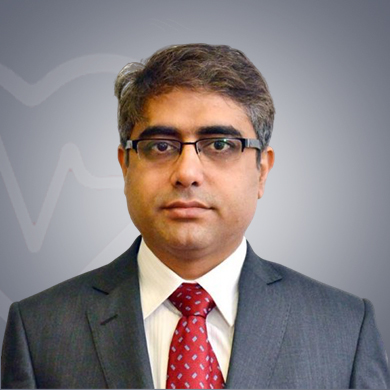
Dr. Manoj Miglani
Reviewer

Orthopedic Surgeon

22 Years of Experience

Last Reviewed - June 2026

Known for his soft-spoken nature, Dr. Manon Miglani had completed his MBBS from Maulana Azad Medical College and MS (Ortho) for All India Institute of Medical Sciences. Dr. Miglani was awarded AO spine fellowship from Queen’s Medical Center, Nottingham and he also received Stryker fellowship in Arthroplasty from Indraprastha Apollo Hospital. Dr. Manon Miglani has provided his expert services to various hospitals of Delhi and NCR including AIIMS, Indraprastha Apollo, Jaipur Golden hospital, and Artemis hospital Presently, Dr. Manon is the additional director of Fortis, Vasant Kunj and senior consultant at Fortis, Shalimar Bagh.
View More

Need Help Choosing the Right Treatment? Talk to a Medical Advisor

Our dedicated Medical Patient Advisors are here to answer your questions, help you compare treatment options, estimate costs, and guide you through every step of your healthcare journey.

15 min
Average response time

Serving Patients Worldwide in Multiple Languages.

Arthroscopic ankle surgery is a minimally invasive surgical procedure wherein tiny incisions are used to introduce a small camera (arthroscope) and specialised instruments into the body so that various problems related to the ankle joints can be diagnosed and treated simultaneously. Lightened through impingement, ligament tear, bone spur, and cartilage damage, it can be treated with less pain and faster recovery.

A Bankart lesion is a rupture or damage to the labrum (cartilage) of the shoulder joint, usually brought on by a dislocated shoulder. Arthroscopic Bankart repair is performed to treat these injuries. The process improves shoulder function, prevents repeated dislocations, and stabilises the shoulder by reattaching the labrum to the socket.

You should consult a physician if you have discomfort, weakness, instability, or recurring shoulder dislocations, especially following an injury or dislocation. Early examination can help detect if an arthroscopic Bankart repair is required to stop further deterioration and enhance shoulder stability.

Preparation for arthroscopic Bankart repair involves imaging tests like MRI to assess the injury. Before surgery, you might need to fast and take your medications as prescribed.

Arthroscopic Bankart repair involves making small incisions around the shoulder joint, through which a camera and surgical instruments are inserted. After examining the tear with the camera, the surgeon uses sutures or anchors to restore the labrum to the shoulder socket.

Depending on the treatment's complexity and the injury's extent, arthroscopic bankart repair usually takes 1-2 hours.

  • Infection at the incision.
  • Nerve or blood vessel damage due to surgical instruments
  • Limited range of motion in the shoulder
  • Blood clots or deep vein thrombosis (DVT).
  • Pain or discomfort after surgery

Arthroscopic Bankart repair improves function, stops recurrent dislocations, and stabilizes the shoulder. Its less invasive nature also benefits smaller incisions and a quicker recovery.

In order to recover from surgery, patients must wear a sling for four to six weeks and begin physical therapy to build back their strength.Pain management is important, and recovery can take 4-6 months.

The success rate of arthroscopic Bankart repair, is typically high, with estimates ranging from 75% to 90%.

90–95%

Successful shoulder stabilization

1–2 days

Typical hospital stay

3–6 months

to typical return to work
Explore Hospitals ( 2 )

Warsaw, Poland

60+ Beds · 197+ Procedures
ISO
Starting
USD 3000

Jelenia Gora, Poland

85+ Beds · 179+ Procedures
ISO
Starting
USD 3500

Get Your Arthroscopic Bankart repair
Plan in 24 hrs.

Our experienced Medical Patient Advisors have supported 100,000+ patients across 120+ countries with personalised treatment plans, hospital recommendations, cost estimates, and travel assistance, all free.

HIPAA-Compliant Data SecurityShared Only with Your Consent

Free Consultation No Obligation Personalized Treatment Plan Response Within 24 Hours

Required | alphabets and spaces
Required | A valid, working email address
Required | A valid contact

Your medical info is kept HIPAA-style confidential. We never share with hospitals without your consent.

Process Involved for Arthroscopic Bankart repair in Poland

  • Reoperative Assessment: Detailed physical examination and imaging (MRI/CT) help assess the labral tear and plan surgery.
  • Anesthesia Administration: General anesthesia with or without a nerve block is given to ensure a pain-free procedure.
  • Arthroscopic Repair: A camera is introduced through small openings with small instruments to repair the torn labrum with anchors.
  • Postoperative Recovery: A shoulder-casted sling and analgesia will be initiated as soon as the healing begins.
  • Rehabilitation and Therapy: Exercise, once undergone, gradually proceeds toward normalcy in motion, strength, and stability.
  • Shoulder instability
  • Recurrent dislocation
  • Bankart lesions caused by labral tears
  • It is suggested in recurrent shoulder dislocations or instabilities in the younger, active population suffering from torn labrum.
  • Shoulder debridement
  • Capsular tightening
  • Rotator cuff repair
  • Bone grafting in severe cases
  • This contributes toward a complete functional recovery.
  • The shoulder has a more stable position
  • Risk of dislocation decreases
  • Surgical scars are smaller
  • Returning to sports and daily activity is quicker.
  • Orthopedic Surgeons:
  • Rehabilitation Specialists
  • Fill out the inquiry form: Fill out the form to provide us with the relevant information about your condition.
  • Consult with Our Healthcare Expert: One of our qualified specialists will contact you for a consultation.
  • Receive a Detailed Treatment Plan: After examining your situation, we will provide you with a detailed treatment plan that includes expert views and cost breakdowns for various choices.
  • Choose your preferred option: Choose the therapy option that best suits you.
  • Seamless Organization: We will manage all the details, including visas, flights, accommodations, and transfers, for a stress-free journey.
Jenny Wilson
Your Dedicated Medical Patient Advisor
Treatment planning • Hospital coordination • Multilingual support • Response within 15 minutes.
Our Services to Better your Experience

Opinion & Option

We submit the most accurate opinion and options from one or more countries for your review

Consult Privately

Consult with a certified specialist privately on our telemedicine platform even before you decide to travel

Logistics

We handle flights, visas, transfers, and accommodation—so you can focus on your health.

Recovery

Our In-house rehabilitation service packages to better your recovery and treatment outcome

Patient Stories

Kevin Stewart
Kevin Stewart
Kevin Stewart: Slip Disc Treatment in UAE

Kevin Stewart from Scotland could barely walk straight due to a Slip Disc. He faced many discomforts for the past…

Mr.Mohamed Dumia
Mr.Mohamed Dumia
Mr.Mohamed Dumia: Knee Replacement

Mr. Muhammed Dumia was suffering from painful left Knee and was in considerable pain for the last 2 months. He…

Frequently Asked Questions

The cost of arthroscopic Bankart repair in Poland may vary depending on the extent of labral detachment, degree of shoulder instability, number and type of suture anchors used, associated bone loss, hospital charges, surgeon’s fees, anaesthesia, and rehabilitation requirements. The overall cost may include preoperative imaging, arthroscopic surgery, implants, hospitalisation, medications, physiotherapy, and follow-up care.MediGence can help international patients explore suitable orthopaedic centres and obtain an estimated treatment plan based on the patient’s shoulder condition and clinical requirements.

The best hospitals in Poland for arthroscopic Bankart repair are those with experienced shoulder and sports medicine surgeons, advanced arthroscopy facilities, high-quality MRI or CT imaging, modern operating theatres, and structured postoperative rehabilitation programmes. Patients should consider hospitals with expertise in managing recurrent anterior shoulder instability and associated glenoid or humeral bone defects.

Patients should choose an orthopaedic surgeon with specialised experience in shoulder arthroscopy and instability surgery. Important factors include the surgeon’s experience in Bankart repair, assessment of glenoid bone loss and Hill-Sachs lesions, familiarity with arthroscopic stabilisation techniques, use of modern suture-anchor systems, hospital affiliation, and ability to explain expected outcomes and recurrence risks.

Arthroscopic Bankart repair has an overall success rate of approximately 75-90%, depending on the extent of labral injury, degree of bone loss, number of previous dislocations, patient age, activity level, and adherence to postoperative rehabilitation. Outcomes are generally favourable when the procedure is performed in appropriately selected patients by an experienced shoulder surgeon.

Hospitals in Poland may use high-definition arthroscopic cameras, specialised shoulder instruments, suture-anchor systems, MRI, CT-based assessment of bone loss, and intraoperative imaging when required. Arthroscopic Bankart repair involves reattaching the detached anteroinferior glenoid labrum and restoring capsulolabral stability.Depending on the severity of instability, treatment may also include capsular plication, remplissage for selected Hill-Sachs lesions, or alternative stabilisation procedures when significant bone loss is present.

Possible risks and complications may include:
  • Recurrent shoulder instability or dislocation
  • Persistent shoulder pain or stiffness
  • Reduced range of motion
  • Failure of labral healing or repair
  • Suture-anchor-related complications
  • Nerve or blood vessel injury
  • Infection or bleeding
  • Shoulder weakness
  • Need for revision or additional stabilisation surgery
  • Risks related to anaesthesia
  • The treating surgeon will explain the potential risks based on the patient’s shoulder anatomy, degree of instability, and planned procedure.

    Patients should share all relevant medical records with the treating shoulder team before travelling. These may include shoulder X-rays, MRI or CT reports, details of previous dislocations, prior shoulder surgeries, physiotherapy records, blood test results, and information about current medications and allergies.Patients should also discuss the expected hospital stay, postoperative sling use, rehabilitation schedule, activity restrictions, and follow-up requirements before making travel arrangements.

    Yes. International patients can arrange an online consultation with an orthopaedic shoulder surgeon before travelling to Poland. The specialist may review the history of shoulder dislocations, clinical symptoms, MRI or CT findings, degree of bone loss, previous treatments, and activity level to determine whether arthroscopic Bankart repair is appropriate.MediGence can help coordinate online consultations and facilitate the sharing of relevant medical records with suitable specialists.

    International patients should carry a valid passport and relevant medical documents, including:
  • Shoulder X-rays, MRI, or CT scan reports and images
  • Previous orthopaedic consultation and treatment records
  • Details of shoulder dislocations or previous surgeries
  • Physiotherapy or rehabilitation reports
  • Recent blood test and preoperative assessment reports
  • Current prescriptions and medication details
  • Allergy and medical history records
  • The required stay in Poland depends on the patient’s clinical condition, surgical complexity, and postoperative recovery. Arthroscopic Bankart repair may involve a short hospital stay, followed by outpatient review and assessment of wound healing and shoulder function.International patients may need to remain in Poland until pain is adequately controlled, the surgical site is stable, and the treating team confirms that the patient is fit to travel. The final duration will depend on the treatment plan and recovery progress.

    Recovery after arthroscopic Bankart repair generally involves a period of shoulder immobilisation using a sling, followed by progressive physiotherapy to restore range of motion, strength, and shoulder stability. Light daily activities may be resumed gradually, while return to contact sports, overhead activities, or strenuous exercise may take several months.The recovery timeline depends on the extent of the repair, tissue healing, rehabilitation progress, and the patient’s activity requirements.

    If complications occur, patients should contact the treating orthopaedic team or seek prompt medical attention. Urgent evaluation may be required for high fever, increasing shoulder pain or swelling, wound redness or discharge, persistent numbness, weakness, sudden loss of shoulder function, or recurrent dislocation.Patients should receive clear discharge instructions and a detailed rehabilitation and follow-up plan before returning home.

    International patients can submit their medical details and relevant shoulder imaging through the MediGence website. Following an initial review, the MediGence care team can help patients explore suitable hospitals and experienced shoulder surgeons, coordinate consultations, and support treatment and medical travel planning.The final treatment recommendation is made by the treating specialist after a detailed clinical evaluation and review of the patient’s imaging findings.

    International patients may choose Poland for access to experienced shoulder surgeons, advanced arthroscopy facilities, modern imaging technologies, specialised sports medicine services, and structured rehabilitation programmes. The destination should be evaluated based on surgical expertise, patient safety standards, availability of advanced shoulder stabilisation techniques, and follow-up support.

    Treatment options depend on the frequency of shoulder dislocations, extent of labral injury, degree of glenoid bone loss, presence of a Hill-Sachs lesion, and the patient’s activity level. Options may include:
  • Activity modification and physiotherapy
  • Shoulder-strengthening and stabilisation programmes
  • Arthroscopic Bankart repair
  • Capsular plication or capsulorrhaphy
  • Remplissage for selected Hill-Sachs lesions
  • Open Bankart repair
  • Bone-block or Latarjet procedures for significant glenoid bone loss
  • Revision shoulder stabilisation surgery
  • Postoperative rehabilitation and long-term follow-up
  • The treating shoulder specialist will recommend the most appropriate treatment after reviewing the patient’s clinical findings and imaging results.

    International patients may choose Poland for access to specialised shoulder and sports medicine centres, experienced arthroscopic surgeons, advanced diagnostic imaging, modern shoulder stabilisation techniques, and comprehensive rehabilitation services.MediGence can assist with hospital and specialist selection, medical record coordination, consultation scheduling, treatment planning, and travel-related support. The final destination should be selected according to the patient’s shoulder condition, degree of instability, treatment requirements, and the hospital’s expertise in arthroscopic shoulder stabilisation.

    Not Sure About Your Treatment Plan? Get a Free Second Opinion

    Have your reports reviewed by independent oncology experts to help you make a confident treatment decision, all online within 48 hours.

    Upload Your Reports
    Free second opinion on your CAR-T plan