Your Notifications
All done, no notifications

Adolescent Idiopathic Scoliosis Treatment Cost in India

USD 2000 - USD 120000

Affordable World-class Treatment - Accredited Hospitals - Free Treatment Plan in 24 Hrs

5
Days in Hospital
4-8 hrs
Procedure Time
85 - 95%
Success Rate
JCI/ISO 100,000+ Patients 24X7 Coordinator Visa & Travel handled
Your all-in-one medical travel platform for treatment, recovery & care.

Get Your Personalised Treatment Plan in Just 24 Hours.

Share your details to receive a personalised treatment plan, estimated costs, hospital recommendations, and expert guidance, “completely free.”

Required | alphabets and spaces
Required | A valid, working email address
Required | A valid contact
Connect with an Expert

Your information is protected with HIPAA-compliant security standards. We only share your details with hospitals after your consent.

Estimated Treatment Cost
USD 2000 - USD 120000
All-inclusive • Hospital + Medications + Recovery Assistance + Dedicated Care Coordinator

International Quality. Affordable Care.

How Much Does Adolescent Idiopathic Scoliosis Treatment Cost in India?

The cost of adolescent idiopathic scoliosis treatment in India typically ranges between USD 8000 - USD 13500

The total cost varies depending on the severity of the spinal curve, the patient's skeletal maturity, the recommended treatment approach, the hospital's location and reputation, the expertise of the treating spine surgeon, and the patient's overall health.

Additional expenses may include diagnostic imaging, customised braces (when indicated), surgery, hospitalisation, rehabilitation, follow-up consultations, and advanced surgical technologies.

Factors Influencing the Cost of Adolescent Idiopathic Scoliosis Treatment

  • Severity of the Spinal Curve and Treatment Plan: Mild spinal curves often just require monitoring, while moderate curves can be corrected through custom bracing. Severe curves may require surgery, which may involve higher treatment costs.
  • Type of Treatment: The type of treatment decided in light of the nature of the spinal curve may influence the costs incurred.
  • Technology and Surgical Techniques: The use of advanced spinal navigation systems, intraoperative neuromonitoring, robotic-assisted surgery, and modern spinal implants can increase the overall treatment cost.
  • Hospital and Surgeon's Expertise: Treatment at specialised spine centres by experienced pediatric orthopedic spine surgeons or spine deformity specialists may involve higher professional and hospital charges.
  • Pre-Treatment Evaluation: Orthopedic consultation, standing X-rays, MRI (when indicated), CT scans (in selected cases), blood tests, and anaesthesia assessment contribute to the overall expense.
  • Hospital Stay, Rehabilitation, and Follow-Up: Hospitalisation, physiotherapy, rehabilitation, follow-up visits, brace adjustments (when required), and periodic imaging are additional costs to consider.

What's included in your Adolescent Idiopathic Scoliosis Treatment quote?

Adolescent idiopathic scoliosis treatment
fee, plan, hospital charges
Pediatric spine specialist consultations
Pre evaluation, surgical planning, follow-ups
5–7-day hospital stay
Inpatient care, management, monitoring
7–14-day in-country follow-up
Wound check, assessment, recovery evaluation
Visa & medical-visa invite letter
Airport pickup & transfers

Cost of Adolescent Idiopathic Scoliosis Treatment in Major Cities of India

CityCost (USD)
Bangalore $8,000 – $13,500 Explore More
Chennai $8,000 – $13,500 Explore More
Delhi $8,000 – $13,500 Explore More
Delhi / NCR $6,400 – $10,800 Explore More
Faridabad $8,000 – $13,500 Explore More
Ghaziabad $8,000 – $13,500 Explore More
Gurgaon $8,000 – $13,500 Explore More
Gurugram $8,000 – $13,500 Explore More
Hyderabad $8,000 – $13,500 Explore More
Kochi $8,000 – $13,500 Explore More
Kolkata $8,000 – $13,500 Explore More
Mumbai $8,000 – $13,500 Explore More
Noida $8,000 – $13,500 Explore More
Panjim $7,200 – $12,150 Explore More

Adolescent Idiopathic Scoliosis Treatment - India Vs the World

$5k - $12k
$8k - $14k
$11k - $13k
$12k - $16k
$12k - $35k
$18k - $38k
$20k - $25k
$25k - $45k
$30k - $40k
$30k - $55k
$40k - $75k
$45k - $70k
Dr. Abdullah Rahil
Author

MPT (Neuro)

7 Years of Experience

Dr. Abdullah Rahil, M.P.T. (Neurology), is a dedicated physiotherapy professional specializing in orthopedic, neurological, and musculoskeletal rehabilitation. With strong clinical expertise, he focuses on improving patient mobility, reducing pain, and restoring functional independence through evidence-based rehabilitation techniques. He is skilled in advanced therapeutic approaches that support effective rehabilitation and recovery for a wide range of musculoskeletal and neurological conditions, focusing on improving mobility, reducing pain, and restoring functional independence. Dr. Rahil has extensive experience managing diverse rehabilitation cases. His patient-centered approach emphasizes personalized treatment plans, continuous assessment, and comprehensive rehabilitation to achieve optimal recovery outcomes.
View More
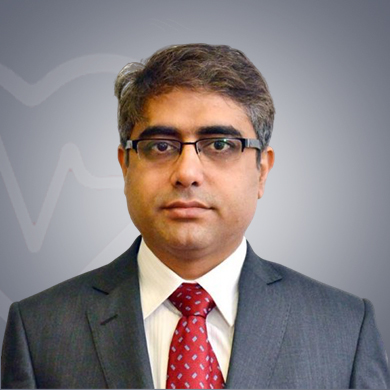
Dr. Manoj Miglani
Reviewer

Orthopedic Surgeon

22 Years of Experience

Last Reviewed - June 2026

Known for his soft-spoken nature, Dr. Manon Miglani had completed his MBBS from Maulana Azad Medical College and MS (Ortho) for All India Institute of Medical Sciences. Dr. Miglani was awarded AO spine fellowship from Queen’s Medical Center, Nottingham and he also received Stryker fellowship in Arthroplasty from Indraprastha Apollo Hospital. Dr. Manon Miglani has provided his expert services to various hospitals of Delhi and NCR including AIIMS, Indraprastha Apollo, Jaipur Golden hospital, and Artemis hospital Presently, Dr. Manon is the additional director of Fortis, Vasant Kunj and senior consultant at Fortis, Shalimar Bagh.
View More

Need Help Choosing the Right Treatment? Talk to a Medical Advisor

Our dedicated Medical Patient Advisors are here to answer your questions, help you compare treatment options, estimate costs, and guide you through every step of your healthcare journey.

15 min
Average response time

Serving Patients Worldwide in Multiple Languages.

Adolescent Idiopathic Scoliosis is a form of curvature of the spine treated in a child between 10 and 18 years through observation, regular check-ups, monitoring of mild forms, and moderate curves with braces to prevent further progression. There is physical therapy for postural improvements and muscle strengthening. Many severe cases require spinal fusion surgery for the treatment of the curvature. The main goals are to prevent further curvatures, maintain a functioning spine, and improve quality of life.

The goal of treating adolescent idiopathic scoliosis (AIS) is to stop or adjust the curvature of the spine to prevent the condition from worsening, reduce pain, and enhance appearance and posture. The severity of the curve, skeletal maturity, and progression risk are considered while designing interventions.

Seek medical attention if a child exhibits symptoms such as noticeable spine curvature or unequal shoulders, hips, or waist. Effective therapy depends on early discovery. MediGence makes it simple to contact experienced doctors worldwide for immediate evaluation and individualised treatment.

A thorough evaluation is part of the preparation process, which includes skeletal maturity assessment, X-rays to determine the Cobb angle, and physical examinations. Observation, bracing, or surgery are possible treatment options, contingent on the degree and danger of development.

  • Non-Surgical Treatment: Bracing and physical therapy can treat mild scoliosis and stop further curvature.
  • Surgical Treatment: To straighten and stabilise the spine in cases with severe curvature, surgery (such as spinal fusion) may be necessary. An incision is made along the back, the vertebrae are aligned, and the spinal alignment is maintained with rods, screws, or bone grafts.

The length of treatment varies; bracing usually lasts until skeletal maturity is attained, but recovery from surgery, including rehabilitation, can take several months.

  • Surgical site infection
  • Blood loss
  • Nerve damage
  • Curve progression despite bracing

Treatment for scoliosis can improve posture, reduce pain, stop additional curvature advancement, and avoid long-term problems like cardiovascular and pulmonary problems. It enhances the child's physical attractiveness, self-esteem, and quality of life.

Following surgery, physical therapy, pain management, and rest are all part of the recovery process. Over several months, patients will progressively resume their regular activities. Follow-up visits are essential to monitor the spinal alignment and the healing process.

The success rate for stopping curve advancement and enhancing quality of life is excellent when the right treatment is received, such as bracing or surgery. Significant curvature correction is usually achieved in over 90% of severe cases treated with spinal fusion surgery.

85–95%

Successful spinal curve correction

5–7 days

Typical hospital stay

3–6 months

to typical return to work
Explore Hospitals ( 46 )

Delhi, India

5.0 - 1 review · 650+ Beds · 302+ Procedures
JCI NABH
Starting
USD 3000

Gurgaon, India

3.3 - 4 reviews · 750+ Beds · 306+ Procedures
JCI NABH
Starting
USD 2000

Gurgaon, India

3.4 - 1 review · 1250+ Beds · 281+ Procedures
JCI NABH
Starting
USD 4500

Ghaziabad, India

4.9 - 1 review · 370+ Beds · 277+ Procedures
NABL NABH
Starting
USD 8000

Gurgaon, India

104+ Beds · 272+ Procedures
ISO NABH NABL
Starting
USD 5000

Delhi, India

310+ Beds · 126+ Procedures
NABL
Starting
USD 6000

Delhi, India

4.4 - 5 reviews · 710+ Beds · 304+ Procedures
JCI

Mumbai, India

350+ Beds · 281+ Procedures
NABH

Bangalore, India

280+ Beds · 271+ Procedures
NABL NABH
Starting
USD 8000

Delhi, India

539+ Beds · 305+ Procedures
JCI NABH
Starting
USD 3000

Get Your Adolescent Idiopathic Scoliosis Treatment
Plan in 24 hrs.

Our experienced Medical Patient Advisors have supported 100,000+ patients across 120+ countries with personalised treatment plans, hospital recommendations, cost estimates, and travel assistance, all free.

HIPAA-Compliant Data SecurityShared Only with Your Consent

Free Consultation No Obligation Personalized Treatment Plan Response Within 24 Hours

Required | alphabets and spaces
Required | A valid, working email address
Required | A valid contact

Your medical info is kept HIPAA-style confidential. We never share with hospitals without your consent.

Process Involved for Adolescent Idiopathic Scoliosis Treatment in India

  • Assessment and Diagnosis: The patient would undergo physical exams, X-ray, MRI, and growth assessment to evaluate the severity of the curve and determine if any treatment is needed.
  • Non-Surgical Management: Observing, bracing, and physiotherapy might manage mild to moderate curves to desist progress.
  • Pre-Surgical Preparation: Before surgery, patients go through medical assessments, imaging, blood tests, and counselling.
  • Surgical Treatment: These severe or progressive curves usually undergo spinal fusion, Vertebral Body Tethering (VBT), or implanting of MAGEC rods.
  • Post-Surgical Recovery and Rehabilitation: Hospital stay, pain management, physiotherapy, and follow-up for complete recovery.
  • Severe spinal curvatures cause problems in posture or respiration.
  • Progressive scoliosis that causes deformity or pain.
  • Early-onset scoliosis (only in select cases).
  • Children and adolescents aged 10-18 years with a spinal curvature greater than 10°.
  • Growing children with progressive curves in scoliosis.
  • Patients without other neurological conditions causing the scoliosis.
  • Fit for surgery if required after the preoperative assessment.
  • Bracing (Boston, Milwaukee, or dynamic braces)
  • Spinal Fusion Surgery with rods, screws, and bone grafts
  • Vertebral Body Tethering (VBT) – a growth-friendly surgery
  • MAGEC Rod implantation (for growing children)
  • Physiotherapy and rehabilitation sessions
  • Advanced techniques for surgical intervention and minimally invasive options
  • Better posture, less pain, and prevention of curve progression
  • Comprehensive rehabilitation and faster recovery
  • Pediatric Orthopedic Surgeon:
  • Neurosurgeon (if required):
  • Pediatrician:
  • Rehabilitation Specialist
  • Fill out the inquiry form: Fill out the form to provide us with the relevant information about your condition.
  • Consult with Our Healthcare Expert: One of our qualified specialists will contact you for a consultation.
  • Receive a Detailed Treatment Plan: After examining your situation, we will provide you with a detailed treatment plan that includes expert views and cost breakdowns for various choices.
  • Choose your preferred option: Choose the therapy option that best suits you.
  • Seamless Organization: We will manage all the details, including visas, flights, accommodations, and transfers, for a stress-free journey.
Jenny Wilson
Your Dedicated Medical Patient Advisor
Treatment planning • Hospital coordination • Multilingual support • Response within 15 minutes.
Our Services to Better your Experience

Opinion & Option

We submit the most accurate opinion and options from one or more countries for your review

Consult Privately

Consult with a certified specialist privately on our telemedicine platform even before you decide to travel

Logistics

We handle flights, visas, transfers, and accommodation—so you can focus on your health.

Recovery

Our In-house rehabilitation service packages to better your recovery and treatment outcome

Patient Stories

Kevin Stewart
Kevin Stewart
Kevin Stewart: Slip Disc Treatment in UAE

Kevin Stewart from Scotland could barely walk straight due to a Slip Disc. He faced many discomforts for the past…

Mr.Mohamed Dumia
Mr.Mohamed Dumia
Mr.Mohamed Dumia: Knee Replacement

Mr. Muhammed Dumia was suffering from painful left Knee and was in considerable pain for the last 2 months. He…

Frequently Asked Questions

The cost of adolescent idiopathic scoliosis treatment in India may vary depending on the severity and progression of the spinal curve, the patient’s age, the treatment approach, hospital charges, specialist fees, and the need for bracing, physiotherapy, or surgery. The overall cost may include consultations, spinal imaging, brace fitting, rehabilitation, surgery when required, hospitalisation, medications, and follow-up care.MediGence can help international patients explore suitable paediatric orthopaedic or spine centres and obtain an estimated treatment plan based on the patient’s condition and clinical requirements.

The best hospitals for adolescent idiopathic scoliosis treatment in India are those with experienced paediatric orthopaedic surgeons, spine surgeons, physiotherapists, rehabilitation specialists, and multidisciplinary paediatric care teams. Patients should consider hospitals with advanced spinal imaging, specialised scoliosis programmes, customised bracing services, modern spinal surgery facilities, and comprehensive postoperative rehabilitation.

Parents or caregivers should seek a paediatric orthopaedic surgeon or spine surgeon experienced in managing adolescent scoliosis. Important factors include the doctor’s qualifications, experience in treating similar spinal curves, expertise in non-surgical and surgical treatment, familiarity with growth-related spinal conditions, hospital affiliation, and ability to explain the expected outcomes and possible risks.

Treatment outcomes depend on the degree and pattern of the spinal curve, the patient’s age and remaining growth, the risk of progression, treatment adherence, and the method used. Observation and bracing may help prevent curve progression in appropriately selected patients, while surgery can provide substantial curve correction and spinal stability when indicated.The treating spine specialist can provide a more individualised outlook after evaluating the patient’s spinal X-rays, skeletal maturity, symptoms, and overall health.

Hospitals in India may use low-dose digital spinal X-rays, EOS imaging where available, three-dimensional spinal imaging, customised braces, and specialised rehabilitation programmes. For patients requiring surgery, modern techniques may include posterior spinal fusion, pedicle screw and rod systems, intraoperative neuromonitoring, navigation, and minimally invasive approaches in selected cases.Depending on the severity and progression of the curve, treatment may involve observation, physiotherapy, bracing, or corrective spinal surgery.

The risks and complications depend on the treatment approach. Possible complications may include:
  • Skin irritation or discomfort related to bracing
  • Continued curve progression despite treatment
  • Pain or reduced mobility
  • Bleeding or infection after surgery
  • Nerve or spinal cord injury
  • Implant-related complications
  • Failure of spinal fusion
  • Loss of correction or need for additional surgery
  • Risks related to anaesthesia
  • The treating team will explain the potential risks based on the patient’s condition and planned treatment.

    Before travelling, parents or caregivers should arrange a detailed medical evaluation and share all relevant records with the treating spine team. These may include standing spinal X-rays, MRI or CT reports when available, previous treatment records, brace details, physiotherapy reports, blood test results, and information about current medications and allergies.Families should also discuss the expected treatment duration, hospital stay, caregiver requirements, rehabilitation needs, and follow-up plan before making travel arrangements.

    Yes. International patients can arrange an online consultation with a paediatric orthopaedic surgeon or spine specialist before travelling to India. The specialist may review spinal imaging, curve measurements, growth status, symptoms, and previous treatment history to recommend further evaluation or an appropriate treatment plan.MediGence can help coordinate online consultations and facilitate the sharing of relevant medical records with suitable specialists.

    International patients should carry a valid passport and all relevant medical documents, including:
  • Standing spinal X-rays and curve measurement reports
  • MRI or CT scan reports, if available
  • Previous orthopaedic or spine treatment records
  • Brace prescription and fitting details, if applicable
  • Physiotherapy or rehabilitation reports
  • Recent blood test results
  • Current prescriptions and medication details
  • Allergy and medical history records
  • The required stay in India depends on the severity of the spinal curve and the treatment approach. Patients receiving assessment, bracing, or non-surgical care may require a shorter stay, while those undergoing corrective spinal surgery may need a longer stay for hospital recovery, rehabilitation, and postoperative evaluation.The treating team will recommend an appropriate timeline based on the patient’s treatment plan and recovery progress.

    Recovery varies according to the treatment received. Patients treated with bracing may usually continue routine activities with guidance from the specialist. Recovery after spinal fusion surgery may take several months and generally involves gradual rehabilitation, activity restrictions, and regular follow-up.The recovery timeline depends on the extent of surgery, the patient’s overall health, and the progress of spinal healing.

    If complications occur, patients or caregivers should contact the treating spine team or seek prompt medical attention. Urgent evaluation may be required for high fever, increasing back pain, weakness or numbness, difficulty walking, breathing problems, wound-related concerns, or sudden worsening of symptoms.Families should receive clear discharge instructions and a detailed follow-up plan before returning home.

    International patients can begin by submitting the patient’s medical details and relevant spinal imaging through the MediGence website. Following an initial review, the MediGence care team can help families explore suitable hospitals and experienced paediatric spine specialists, coordinate consultations, and support treatment and medical travel planning.The final treatment recommendation is made by the treating spine team after a detailed clinical evaluation.

    International patients may choose India for access to experienced paediatric orthopaedic and spine specialists, dedicated scoliosis programmes, advanced spinal imaging, customised bracing, modern surgical techniques, and comprehensive rehabilitation services. The destination should be evaluated based on clinical expertise, patient safety standards, paediatric support services, and the availability of long-term follow-up care.

    Treatment options depend on the degree and progression of the spinal curve, skeletal maturity, symptoms, and the patient’s overall health. Depending on the condition, options may include:
  • Regular observation and periodic spinal imaging
  • Scoliosis-specific physiotherapy and exercise programmes
  • Customised spinal bracing
  • Posterior spinal fusion
  • Growth-friendly surgical techniques for selected patients
  • Vertebral body tethering in carefully selected cases
  • Rehabilitation and long-term follow-up
  • The treating spine specialist will recommend the most appropriate treatment plan after reviewing the patient’s clinical findings and spinal imaging.

    International patients may choose India for access to specialised paediatric spine centres, experienced scoliosis surgeons, advanced imaging, modern corrective techniques, and comprehensive rehabilitation services.MediGence can assist families with hospital and specialist selection, medical record coordination, consultation scheduling, treatment planning, and travel-related support. The final destination should be selected according to the patient’s spinal condition, treatment needs, and the hospital’s expertise in managing adolescent idiopathic scoliosis.

    Not Sure About Your Treatment Plan? Get a Free Second Opinion

    Have your reports reviewed by independent oncology experts to help you make a confident treatment decision, all online within 48 hours.

    Upload Your Reports
    Free second opinion on your CAR-T plan