Your Notifications
All done, no notifications

Stereotactic Radio Therapy (SRT) Cost in South Africa

USD 8000 - USD 15000

Affordable World-class Treatment - Accredited Hospitals - Free Treatment Plan in 24 Hrs

30-60 min/session
Procedure Time
85 - 95%
Success Rate
STEREOTACTIC RADIO THERAPY (SRT): Cost, Procedure and Clinics | MediGence
JCI/ISO 100,000+ Patients 24X7 Coordinator Visa & Travel handled
Your all-in-one medical travel platform for treatment, recovery & care.

Get Your Personalised Treatment Plan in Just 24 Hours.

Share your details to receive a personalised treatment plan, estimated costs, hospital recommendations, and expert guidance, “completely free.”

Required | alphabets and spaces
Required | A valid, working email address
Required | A valid contact
Connect with an Expert

Your information is protected with HIPAA-compliant security standards. We only share your details with hospitals after your consent.

Estimated Treatment Cost
USD 8000 - USD 15000
All-inclusive • Hospital + Medications + Recovery Assistance + Dedicated Care Coordinator

International Quality. Affordable Care.

How Much Does Stereotactic Radio Therapy (SRT) Cost in South Africa?

The cost of Stereotactic Radio Therapy (SRT) in South Africa is USD 5000 - USD 15000

Total expenses can vary based on the type, stage, and location of the cancer, the number of treatment procedures needed, the technology used, the hospital's status, the skillfulness of the radiation therapy specialists, and the patient's health condition.

Other costs may involve examination imaging, treatment planning, drugs, follow-up consultations, and supportive care, which contribute to the total payment required.

Factors Influencing the Cost of Stereotactic Radiotherapy:

  • Type of Cancer: Certain particulars such as the type, size, position, and stage of the tumour make the treatment more complex, therefore affecting the total cost of treatment.
  • Treatment Method: Charges vary according to the Stereotactic Body Radiotherapy (SBRT), Stereotactic Ablative Radiotherapy (SABR), or Stereotactic Radiosurgery (SRS) techniques applied to the patient and the technology chosen for treatment.
  • Hospital Location: Treatment costs vary across hospitals and cities. Advanced cancer hospitals equipped with innovative radiation technology may charge more.
  • Pre-treatment Preparation: CT simulation, MRI, PET-CT scans (where appropriate), treatment planning, dosimetry, and quality assurance procedures are part of the overall treatment costs.
  • Technology Used: Using modern imaging systems, motion management technology, and high-accuracy linear accelerators or robotic surgical treatment can increase treatment costs.
  • Post-treatment care: Follow-up consultations, imaging, medications, and ambulance services must also be taken into account.

What's included in your Stereotactic Radio Therapy (SRT) quote?

Stereotactic Radiotherapy (SRT)
Highly precise radiation treatment targeting tumors while minimising damage to surrounding tissue
Radiation oncology consultation
Pre-treatment evaluation, treatment planning, and follow-up consultations
SRT treatment & supportive care
Treatment sessions, imaging guidance, and recovery monitoring
Follow-up monitoring
Imaging, response assessment, and routine oncology follow-ups
Visa & medical-visa invite letter
Airport pickup & transfers

Cost of Stereotactic Radio Therapy (SRT) in Major Cities of South Africa

CityCost (USD)
Cape Town $5,000 – $15,000 Explore More
Johannesburg $5,000 – $15,000 Explore More

Stereotactic Radio Therapy - South Africa Vs the World

$0 - $0
$3k - $8k
$3k - $7k
$4k - $6k
$4k - $8k
$5k - $15k
$5k - $15k
$6k - $8k
$7k - $30k
$15k - $30k
$18k - $35k
$25k - $40k
Dr. Vihan Gautam
Author

BPT, MS in Healthcare Mgmt

4 Years of Experience

Dr. Vihan Gautam is a distinguished Rehabilitation Specialist and Healthcare Management Professional, holding a Bachelor of Physiotherapy (BPT) from Rajiv Gandhi University of Health Sciences and a Master of Science in Healthcare Management (MSc) from the prestigious University of London, United Kingdom. With specialized clinical experience and his advanced medical knowledge in neuro-rehabilitation, musculoskeletal disorders, and evidence-based physiotherapy practices, enables him to develop patient-centered rehabilitation protocols and AI-driven care models that deliver measurable functional recovery outcomes. His diverse contributions across international rehabilitation programs, multidisciplinary care, and AI-driven healthcare initiatives uniquely position him as an emerging leader in neuro-rehabilitative care globally.
View More
Dr Prateek Varshney
Reviewer

Surgical Oncologist

15 Years of Experience

Last Reviewed - June 2026

Dr. Prateek Varshney is a renowned Surgical Oncologist. He has experience of more than 15+ years in surgical Oncology. He is currently practicing as a consultant at Metro Mass Hospital and Cancer Institute. He was also previously associated as a consultant with Sir Ganga Ram Hospital and as a professor at Gujarat Cancer Research Institute.
View More

Need Help Choosing the Right Treatment? Talk to a Medical Advisor

Our dedicated Medical Patient Advisors are here to answer your questions, help you compare treatment options, estimate costs, and guide you through every step of your healthcare journey.

15 min
Average response time

Serving Patients Worldwide in Multiple Languages.

To accurately position the patient and deliver radiation to a well-defined malignant tumor, stereotactic radiation therapy, or SRT, is a type of external radiation therapy. With SRT, the entire radiation dose is split up into multiple doses that are administered over a few days. When treating brain tumors and other brain illnesses, stereotactic radiation therapy is usually utilized as part of a comprehensive treatment regimen.

Even though SRT's overall dose may be higher than SRS's, each day's dose administration will be substantially lower. Known as stereotactic ablative body radiation (SABR) or stereotactic body radiation therapy (SBRT), both are used to treat localized cancers in the brain and, more recently, in the body.

The excessive dose administered in SRS and SRT requires the patient to be positioned very precisely. For each patient, a customized mask or positioning device is created at the moment of CT imaging to achieve this. This makes it possible to precisely position the patient, facilitating the sub-millimeter radiation administration.

What are the types of SRT?

A variety of devices are employed in the delivery of stereotactic radiotherapy, such as:

  • Linear Accelerators (LINAC)- These devices target the tumor with high-energy electrons or X-rays.
  • CyberKnife- A robotic radiosurgery system with sub-millimeter accuracy that can deliver radiation from different directions.
  • Gamma Knife- Targets brain or head and neck cancers with concentrated gamma radiation beams.

SRT is commonly used to treat tumors of small to intermediate size in the pancreas, brain, spine, lung, liver, prostate, and other body areas. It works especially well for tumors that are hard to operate on because of their location or the patient's general health.

Stereotactic radiation (SRT) is applied to treat unusual growths or small tumours in the spine, liver, prostate, brain, lungs, or other body areas. It shields the surrounding healthy tissues from the tumour while accurately delivering high doses of radiation. When surgery is not safe or feasible, particularly for hard-to-reach tumours, SRT is often used. While the tumour is not taken out at once, it damages the cells, and in the long run, it kills them.

You should see a radiation oncologist or cancer specialist if you\u2019ve been diagnosed with a tumor that may not be treatable with regular surgery. SRT may be considered if the tumor is small and well-defined. After SRT, contact your doctor right away if you experience severe headaches, dizziness, seizures, shortness of breath, or weakness.

Before treatment, your doctor will review your medical history and run imaging tests like CT, MRI, or PET scans to locate the tumor. You may need a special mask or body frame made to keep you still during treatment. No surgery or anesthesia is required, but you may need to stop some medications or follow eating instructions before treatment. Your doctor will explain the process and side effects.

  • Imaging: High-resolution scans are used to plan the exact location and shape of the tumor.
  • Positioning: You lie on a table with your head or body held still using a custom-made device.
  • Radiation delivery: A machine aims focused radiation beams at the tumor from different angles.
  • No cutting or pain: The treatment is non-invasive and doesn\u2019t require any cuts or anesthesia.
  • Single or multiple sessions: You may receive SRT in 1 to 5 sessions depending on the tumor type.

Each session lasts 30 minutes to 1 hour. Most patients are done in a few days to a week.

Possible side effects depend on the area treated. Common issues include fatigue, headaches, nausea, skin redness, or swelling. Rarely, there may be nerve damage, radiation injury to nearby organs, or swelling in the brain or lungs. Most side effects go away on their own or with medication.

SRT allows for high-precision treatment with fewer sessions and less damage to healthy tissue. It's painless, outpatient-based, and recovery is quick. It can shrink or destroy tumors without needing open surgery, making it ideal for people who are not surgical candidates.

Since there\u2019s no actual surgery, you can usually go home the same day. Mild side effects like tiredness or swelling may last a few days to weeks. Your doctor will schedule follow-up scans to monitor the tumor. Most people return to normal activities within a day or two.

SRT has a high success rate, especially for small and early-stage tumors. It controls or shrinks tumors in over 85\u201395% of cases, depending on the tumor type and location. Many patients experience long-term tumor control with minimal side effects.

85-95%

Local tumor control rate (depends on tumor type, size, and location)

Same day

Typical hospital stay (outpatient treatment)

1–3 days

Return to normal daily activities depending on individual recovery
Explore Hospitals ( 2 )

Cape Town, South Africa

212+ Beds · 210+ Procedures
Starting
USD 8000

Johannesburg, South Africa

254+ Beds · 191+ Procedures
COHSASA ISQua
Starting
USD 10000

Get Your Stereotactic Radio Therapy (SRT)
Plan in 24 hrs.

Our experienced Medical Patient Advisors have supported 100,000+ patients across 120+ countries with personalised treatment plans, hospital recommendations, cost estimates, and travel assistance, all free.

HIPAA-Compliant Data SecurityShared Only with Your Consent

Free Consultation No Obligation Personalized Treatment Plan Response Within 24 Hours

Required | alphabets and spaces
Required | A valid, working email address
Required | A valid contact

Your medical info is kept HIPAA-style confidential. We never share with hospitals without your consent.

Process Involved for Stereotactic Radio Therapy (SRT) in South Africa

  • Consultation: Discuss the diagnosis and appropriateness of stereotactic radiotherapy with a radiation oncologist or oncologist.
  • Pre-Treatment Evaluation: Imaging examinations are conducted to locate and outline the tumor.
  • Treatment Planning: To ensure that the radiation is accurately administered, a detailed 3D scan of the tumor is created, often with the help of specialist software or equipment such as CT-guided planning.
  • Delivery of Treatment: In several treatment sessions, typically one to five visits, large amounts of radiation are directed at the tumor from various directions.
  • Follow-Up: Routine follow-up visits after treatment are scheduled to monitor the response to treatment, manage side effects, and detect any tumour recurrence.
  • Early-stage non-small cell lung cancer (NSCLC)
  • Small cell lung cancer (SCLC)
  • Brain tumors
  • Liver cancer
  • Spinal tumors
  • Prostate cancer
  • Patients with localised cancers, particularly those in the brain, liver, spine, lung, or other sites that are difficult to treat with standard radiation, are recommended to have stereotactic radiotherapy.
  • It is indicated for patients with tumors that are hard to reach or those who are not suitable for surgery. Eligibility is based primarily on the patient's medical history, location, size, and overall tumour health.
  • Radiation therapy
  • Biopsy
  • Radiation planning
  • Offers precise tumor targeting with minimum damage to surrounding healthy tissue.
  • Allows individuals to avoid surgery as it is not invasive.
  • Provides a treatment course for cancers that are not suitable for surgical removal.
  • It can shrink or eliminate tumors, easing pain and obstruction symptoms.
  • Particularly useful for individuals with small, well-defined malignancies or tumors in their early stages.
  • Radiation Oncologist
  • Medical Oncologist
  • Fill out the inquiry form: Fill out the form to provide us with the relevant information about your condition.
  • Consult with Our Healthcare Expert: One of our qualified specialists will contact you for a consultation.
  • Receive a Detailed Treatment Plan: After examining your situation, we will provide you with a detailed treatment plan that includes expert views and cost breakdowns for various choices.
  • Choose your preferred option: Choose the treatment option that suits you the best.
Jenny Wilson
Your Dedicated Medical Patient Advisor
Treatment planning • Hospital coordination • Multilingual support • Response within 15 minutes.
Our Services to Better your Experience

Opinion & Option

We submit the most accurate opinion and options from one or more countries for your review

Consult Privately

Consult with a certified specialist privately on our telemedicine platform even before you decide to travel

Logistics

We handle flights, visas, transfers, and accommodation—so you can focus on your health.

Recovery

Our In-house rehabilitation service packages to better your recovery and treatment outcome

Patient Stories

Ms. Monica
Ms. Monica
Monica from Ghana for AV Malformation Treatment in India

Monica from Ghana suffered from AV malformation. She decided to look for options for medical treatment when she started experiencing…

Frequently Asked Questions

The cost of Stereotactic Radiotherapy (SRT) in South Africa is USD 5000 - 15000, and varies depending on the type and location of the condition being treated, the number of treatment sessions, the hospital, radiation technology used, and the expertise of the radiation oncology team. The overall cost may include consultation, imaging, treatment planning, radiation sessions, immobilisation devices, and follow-up care.

Some of the best hospitals in South Africa for Stereotactic Radio Therapy (SRT) include:
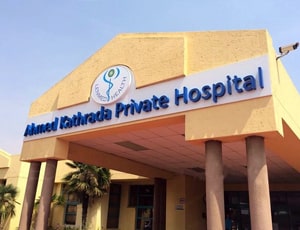
  • Lenmed Ahmed Kathrada Private Hospital
  • Life Kingsbury Hospital
  • Choose a certified radiation oncologist with experience in stereotactic radiotherapy and treating your specific condition. Consider the specialist's experience, treatment outcomes, access to advanced radiation technology, multidisciplinary support, and the hospital's expertise in precision radiation therapy.

    SRT can be used for selected tumours and lesions in areas such as the brain, spine, lungs, liver, prostate, and other parts of the body. Suitability depends on tumour size, location, number of lesions, previous treatments, and the patient's overall condition.

    SRT may be delivered in a single session or divided into a small number of treatment sessions. The exact number depends on the tumour type, size, location, radiation dose, and treatment objective.

    SRT is generally painless because the radiation itself cannot be felt. Patients may need to remain still during treatment, and an immobilisation device may be used to maintain accurate positioning.

    Advanced imaging and treatment-planning systems are used to precisely identify the treatment target while limiting radiation exposure to surrounding healthy tissue. Image guidance may be performed immediately before or during treatment to improve positioning accuracy.

    In selected cases, SRT may be considered again for recurrent or previously treated disease. However, the decision depends on the previous radiation dose, treatment area, time since the initial treatment, tumour location, and the amount of healthy tissue that can safely receive additional radiation.

    The effectiveness of SRT depends on the type, size, location, and stage of the tumour or lesion, as well as the patient's overall health, and is approximately 85–95%. SRT can provide high rates of local tumour control for appropriately selected patients, but outcomes vary significantly by condition and should be discussed with the treating radiation oncologist.

    Hospitals in South Africa may use advanced precision-radiotherapy technologies, including:
  • Image-guided radiotherapy (IGRT)
  • Intensity-modulated radiotherapy (IMRT)
  • 3D treatment planning
  • Cone-beam CT guidance
  • Stereotactic body radiotherapy (SBRT)
  • Stereotactic radiosurgery (SRS) for selected conditions
  • Robotic radiation delivery systems
  • Advanced tumour-motion management and respiratory gating
  • Frameless immobilisation systems
  • SRT is a highly targeted treatment, but side effects can occur depending on the treatment area and radiation dose. Possible complications include fatigue, skin irritation, swelling or inflammation around the treated area, pain, and temporary worsening of symptoms. Rarely, radiation-related tissue damage or other serious complications may occur.

    Before travelling, collect your biopsy and pathology reports, CT/MRI/PET scans, previous treatment records, blood test results, medication list, and referral documents. Your radiation oncologist in South Africa may require additional imaging or treatment-planning assessments before starting SRT.

    Yes. International patients can often arrange an online consultation with a radiation oncologist before travelling. The specialist can review medical records, imaging, pathology reports, and previous treatments to determine whether SRT may be appropriate and develop a preliminary treatment plan.

    International patients should bring:
  • Passport and medical visa
  • Medical history and referral letter
  • Biopsy and pathology reports, if applicable
  • CT, MRI, or PET-CT scans
  • Previous radiation or chemotherapy records
  • Blood test reports
  • Current medication list
  • Previous surgical reports
  • Insurance documents, if applicable
  • The duration depends mainly on the number of SRT sessions required. Some patients may complete treatment within a few days, while others may need several weeks. International patients should also allow additional time for consultation, treatment planning, imaging, and follow-up assessment.

    SRT generally has a relatively short recovery period because it is non-invasive. Many patients can return to normal daily activities shortly after treatment, although fatigue or treatment-area-specific side effects may persist for days or weeks.

    Patients are monitored for treatment-related side effects and can receive medications or supportive care when required. If complications occur, the treating radiation oncology team can provide appropriate evaluation and management. International patients should also receive follow-up instructions before returning home.

    International patients can book SRT through the MediGence website by submitting a treatment enquiry. MediGence can help coordinate medical record evaluation, specialist consultation, hospital selection, treatment planning, cost estimates, medical visa assistance, travel arrangements, accommodation, airport transfers, and follow-up support.

    South Africa may be considered for SRT because of its specialised radiation oncology centres, experienced radiation oncologists, advanced treatment-planning systems, precision radiation technologies, and multidisciplinary cancer care. International patients may also benefit from coordinated medical travel support and treatment planning.

    Depending on the condition, treatment options may include:
  • Stereotactic Radiosurgery (SRS)
  • Stereotactic Body Radiotherapy (SBRT)
  • Fractionated Stereotactic Radiotherapy
  • Image-guided radiotherapy
  • Intensity-modulated radiotherapy (IMRT)
  • Robotic stereotactic radiation therapy
  • Radiation therapy combined with surgery
  • Radiation therapy combined with chemotherapy, targeted therapy, or immunotherapy when clinically appropriate
  • Not Sure About Your Treatment Plan? Get a Free Second Opinion

    Have your reports reviewed by independent oncology experts to help you make a confident treatment decision, all online within 48 hours.

    Upload Your Reports
    Free second opinion on your CAR-T plan