Your Notifications
All done, no notifications

Stereotactic Radio Therapy (SRT) Cost in Tel Aviv

Costs starts from USD25000 to USD40000
Filters

Need Help Planning Your Treatment Abroad?

Your 24/7 AI Health Assistant

To accurately position the patient and deliver radiation to a well-defined malignant tumor, stereotactic radiation therapy, or SRT, is a type of external radiation therapy. With SRT, the entire radiation dose is split up into multiple doses that are administered over a few days. When treating brain tumors and other brain illnesses, stereotactic radiation therapy is usually utilized as part of a comprehensive treatment regimen.

Even though SRT's overall dose may be higher than SRS's, each day's dose administration will be substantially lower. Known as stereotactic ablative body radiation (SABR) or stereotactic body radiation therapy (SBRT), both are used to treat localized cancers in the brain and, more recently, in the body.

The excessive dose administered in SRS and SRT requires the patient to be positioned very precisely. For each patient, a customized mask or positioning device is created at the moment of CT imaging to achieve this. This makes it possible to precisely position the patient, facilitating the sub-millimeter radiation administration.

What are the types of SRT?

A variety of devices are employed in the delivery of stereotactic radiotherapy, such as:

  • Linear Accelerators (LINAC)- These devices target the tumor with high-energy electrons or X-rays.
  • CyberKnife- A robotic radiosurgery system with sub-millimeter accuracy that can deliver radiation from different directions.
  • Gamma Knife- Targets brain or head and neck cancers with concentrated gamma radiation beams.

SRT is commonly used to treat tumors of small to intermediate size in the pancreas, brain, spine, lung, liver, prostate, and other body areas. It works especially well for tumors that are hard to operate on because of their location or the patient's general health.

Stereotactic radiation (SRT) is applied to treat unusual growths or small tumours in the spine, liver, prostate, brain, lungs, or other body areas. It shields the surrounding healthy tissues from the tumour while accurately delivering high doses of radiation. When surgery is not safe or feasible, particularly for hard-to-reach tumours, SRT is often used. While the tumour is not taken out at once, it damages the cells, and in the long run, it kills them.

You should see a radiation oncologist or cancer specialist if you’ve been diagnosed with a tumor that may not be treatable with regular surgery. SRT may be considered if the tumor is small and well-defined. After SRT, contact your doctor right away if you experience severe headaches, dizziness, seizures, shortness of breath, or weakness.

Before treatment, your doctor will review your medical history and run imaging tests like CT, MRI, or PET scans to locate the tumor. You may need a special mask or body frame made to keep you still during treatment. No surgery or anesthesia is required, but you may need to stop some medications or follow eating instructions before treatment. Your doctor will explain the process and side effects.

  • Imaging: High-resolution scans are used to plan the exact location and shape of the tumor.
  • Positioning: You lie on a table with your head or body held still using a custom-made device.
  • Radiation delivery: A machine aims focused radiation beams at the tumor from different angles.
  • No cutting or pain: The treatment is non-invasive and doesn’t require any cuts or anesthesia.
  • Single or multiple sessions: You may receive SRT in 1 to 5 sessions depending on the tumor type.

Each session lasts 30 minutes to 1 hour. Most patients are done in a few days to a week.

Possible side effects depend on the area treated. Common issues include fatigue, headaches, nausea, skin redness, or swelling. Rarely, there may be nerve damage, radiation injury to nearby organs, or swelling in the brain or lungs. Most side effects go away on their own or with medication.

SRT allows for high-precision treatment with fewer sessions and less damage to healthy tissue. It's painless, outpatient-based, and recovery is quick. It can shrink or destroy tumors without needing open surgery, making it ideal for people who are not surgical candidates.

Since there’s no actual surgery, you can usually go home the same day. Mild side effects like tiredness or swelling may last a few days to weeks. Your doctor will schedule follow-up scans to monitor the tumor. Most people return to normal activities within a day or two.

SRT has a high success rate, especially for small and early-stage tumors. It controls or shrinks tumors in over 85–95% of cases, depending on the tumor type and location. Many patients experience long-term tumor control with minimal side effects.

Would you like some help? We are available.

Get Help
Explore Hospitals ( 2 )
Stereotactic Radio Therapy (SRT) in Assuta Hospital: Costs, Top Doctors, and Reviews

Tel Aviv, Israel

  • Joint Commission International, or JCI

Assuta Hospital located in Tel-Aviv, Israel is accredited by JCI. Also listed below are some of the most prominent infrastructural details:

  • Annual numbers for Assuta Hospital group
    • 92,000 surgeries
    • 683,000 healthcare examinations, ambulatory treatments
    • 440,000 imaging tests
    • 4,000 (approx.) cardiac catheterization diagnosis, treatments
    • 16,000 (approx.) IVF treatments
    • 500 (approx.) kinds of surgical procedures
  • Assuta Hospital, Tel Aviv, is an important healthcare facility which is recognised for being a surgical specialist.
  • Even in the surgical specialty, Assuta Hospital, Tel Aviv performs superlative Minimally Invasive Surgeries.
  • Impressive imaging technology is present in the hospital, such as CT (advanced), PET-CT, MRI and two-head nuclear imaging camera.
  • 15 Operating Theatres
  • 200 plus beds
  • Resuscitation units
  • 2 monitoring laboratories

Stereotactic Radio Therapy (SRT) in Tel Aviv Sourasky Medical Center -Ichilov Hospital: Costs, Top Doctors, and Reviews

Tel Aviv, Israel

  • Joint Commission International, or JCI

Tel Aviv Sourasky Medical Center -Ichilov Hospital located in Tel-Aviv, Israel is accredited by JCI. Also listed below are some of the most prominent infrastructural details:

  • The center possesses high end infratsructure with latest technologies which are upbgraded on a regular basis.
  • There are 60 departments in Tel Aviv Sourasky Medical Center
  • The center has as many as 6 institutions:
  • Ichilov General Hospital
  • Ted Arison Medical Tower
  • Dana-Dwek Children's Hospital
  • Sammy Ofer Heart & Brain Building
  • Adams Health Science & Rehabilitation Building (in the planning stage)
  • Lis Maternity and Women's Hospital
  • Patient Care Numbers (annual) are as follows:
    • 400,000 patients
    • 36,000 surgeries
    • 220,000 ER visits
    • 12,000 births
  • The bed capacity of the center is 1300.
  • Good success rates during treatment for the majority of conditions.

Need Some Advice From Our Experts?

Request a Call Back Now!

Our team of healthcare experts would be happy to assist you

trusted Patientstrusted Patients+99
Trusted by 50000+ Patients
Required | alphabets and spaces
Required | A valid, working email address
Required | A valid contact

Process Involved for Stereotactic Radio Therapy (SRT) in Tel Aviv

  • Consultation: Discuss the diagnosis and appropriateness of stereotactic radiotherapy with a radiation oncologist or oncologist.
  • Pre-Treatment Evaluation: Imaging examinations are conducted to locate and outline the tumor.
  • Treatment Planning: To ensure that the radiation is accurately administered, a detailed 3D scan of the tumor is created, often with the help of specialist software or equipment such as CT-guided planning.
  • Delivery of Treatment: In several treatment sessions, typically one to five visits, large amounts of radiation are directed at the tumor from various directions.
  • Follow-Up: Routine follow-up visits after treatment are scheduled to monitor the response to treatment, manage side effects, and detect any tumour recurrence.
  • Early-stage non-small cell lung cancer (NSCLC)
  • Small cell lung cancer (SCLC)
  • Brain tumors
  • Liver cancer
  • Spinal tumors
  • Prostate cancer
  • Patients with localised cancers, particularly those in the brain, liver, spine, lung, or other sites that are difficult to treat with standard radiation, are recommended to have stereotactic radiotherapy.
  • It is indicated for patients with tumors that are hard to reach or those who are not suitable for surgery. Eligibility is based primarily on the patient's medical history, location, size, and overall tumour health.
  • Radiation therapy
  • Biopsy
  • Radiation planning
  • Offers precise tumor targeting with minimum damage to surrounding healthy tissue.
  • Allows individuals to avoid surgery as it is not invasive.
  • Provides a treatment course for cancers that are not suitable for surgical removal.
  • It can shrink or eliminate tumors, easing pain and obstruction symptoms.
  • Particularly useful for individuals with small, well-defined malignancies or tumors in their early stages.
  • Radiation Oncologist
  • Medical Oncologist
  • Fill out the inquiry form: Fill out the form to provide us with the relevant information about your condition.
  • Consult with Our Healthcare Expert: One of our qualified specialists will contact you for a consultation.
  • Receive a Detailed Treatment Plan: After examining your situation, we will provide you with a detailed treatment plan that includes expert views and cost breakdowns for various choices.
  • Choose your preferred option: Choose the treatment option that suits you the best.

Instantly Connect with our Stereotactic Radio Therapy (SRT) Specialists

Doctor 1
Doctor 2
Doctor 3
Doctor 4
Doctor 5
Doctor 6
Doctor 7
Doctor 8
Our Services to Better your Experience

Opinion & Option

We submit the most accurate opinion and options from one or more countries for your review

Consult Privately

Consult with a certified specialist privately on our telemedicine platform even before you decide to travel

Logistics

We handle flights, visas, transfers, and accommodation—so you can focus on your health.

Recovery

Our In-house rehabilitation service packages to better your recovery and treatment outcome

Other Popular Countries for Stereotactic Radio Therapy (SRT)

Our network connects you with the leading medical tourism destinations globally, offering a wide range of cities, top doctors, and flexible pricing options.

Spain
United Arab Emirates
Thailand
Turkey

Frequently Asked Questions

Different hospitals have different pricing policy when it comes to the cost of Stereotactic Radio Therapy (SRT) in Tel Aviv. The Stereotactic Radio Therapy (SRT) package cost usually includes all the expenses related to pre and post surgery expenses of the patient. The comprehensive Stereotactic Radio Therapy (SRT) package cost includes the cost of investigations, surgery, medicines and consumables. Post-surgical complications, new findings and delayed recovery may have an impact on the total Stereotactic Radio Therapy (SRT) cost in Tel Aviv.

There are many hospitals across the country that offer Stereotactic Radio Therapy (SRT) to international patients. The top hospitals for Stereotactic Radio Therapy (SRT) in Tel Aviv include the following:

While the speed of recovery may vary from patient to patient, they are still required to stay for about 20 days after discharge. This period is important to conduct all the follow-up tests to ensure that the surgery was successful and the patient can go back to the home country.

While Tel Aviv is considered to be one of the best destinations for Stereotactic Radio Therapy (SRT) owing to the standard of Hospitals, and expertise of doctors However, some of the other popular destinations for Stereotactic Radio Therapy (SRT) include the following:

Apart from the Stereotactic Radio Therapy (SRT) cost, there are a few other daily charges that the patient may have to pay. The per day extra expenses in Tel Aviv per person are about 75 USD.

There are around 2 Hospitals hospitals in Tel Aviv that offer Stereotactic Radio Therapy (SRT) to international patients. These hospitals are approved to perform the surgery and have proper infrastructure to handle Stereotactic Radio Therapy (SRT) patients. Apart from good services, the hospitals are known to follow all standard and legal guidelines as dictated by the local medical affairs body or organization.

Some of the most sought after doctors for Stereotactic Radio Therapy (SRT) in Tel Aviv are:

Tel Aviv, Israel, is recognized as one of the top cities in the world for healthcare and medical treatment. Tel Aviv has cutting-edge medical facilities as well as excellent treatment modalities. While citizens have access to free healthcare, many patients prefer to seek private medical treatment and consult with doctors from private hospitals. Some of the most popular treatments available in Tel-Aviv include Oncology, Orthopaedics, Cardiology, Neurosurgery, Gastroenterology, Paediatrics, Bone marrow transplants, Pulmonology, etc. Tel Aviv's healthcare system and health insurance ensure high-quality care to its residents. The difference between the city's public and private healthcare systems is not in the quality of care but in the availability of more amenities. Israelis must enroll in the universal public healthcare system. People in the country have the option of purchasing "supplementary insurance" from one of the country's four health funds or private insurance from an insurance provider. This covers items like dental and optical coverage that the government does not provide. The city is equipped with cutting-edge medical technology and equipment. All in all the healthcare standards of the city are pretty amazing and appreciated around the world.

The hospitals in Tel Aviv deliver quality care and treatment. They are internationally recognized and accredited by healthcare organizations like JCI and ISO. Some of the top hospitals in the city include:

  1. Assuta Hospital: Assuta Hospital in Tel Aviv is one of Maccabi Healthcare's many private medical centers. Assuta medical centers are noted for their minimally invasive surgery, and they do 13% of all surgery in Israel. The hospital performs surgery in a variety of medical fields, including brain, breast, eye, gastroenterology, gynecology, heart, orthopedics, and urology.
  2. Lis Maternity and Women's Hospital: Lis Maternity and Women's Hospital, part of the Tel Aviv Sourasky Medical Center, is a premier hospital in Tel Aviv. Gynecology, Obstetrics, Gynaecology Oncology, IVF, Women's Health, and Paediatrics are among its specialties.
  3. Tel Aviv Sourasky Medical Center: Tel Aviv Sourasky Medical Center (Ichilov) is Israel's leading multidisciplinary healthcare institution, and a global leader in medical tourism providing treatment in multiple areas like orthopedics, neurology, cardiology, gynecology, etc.

The doctors in Tel Aviv play a vital role in delivering top-level healthcare services focusing on each patient’s needs. Some of the top doctors in the city include:

  1. Dr. Michael Cohen: He is a skilled and certified general practitioner and medicine specialist. He has received excellent reviews and ratings from his patients.
  2. Dr. Kyle Kumin: Dr. Kumin is a general practitioner who specialises in providing treatment for various conditions like fever, pneumonia, gastric issues, etc.
  3. Dr. Tal Fligelman: Dr. Fligelman is a board-certified obstetrician and gynaecologist who also specialises in female pelvic medicine and reconstructive surgery.

Tel Aviv is an easily reachable city by train, bus, and flight. The nearest airport to Tel Aviv is Tel Aviv (TLV) International Airport from where you can travel to the city by bus or cab. If you are planning to undergo treatment here, MediGence can assist you in planning your medical travel.

FAQ's Related to Israel

Tel Aviv, Israel, is recognized as one of the top cities in the world for healthcare and medical treatment. Tel Aviv has cutting-edge medical facilities as well as excellent treatment modalities. While citizens have access to free healthcare, many patients prefer to seek private medical treatment and consult with doctors from private hospitals. Some of the most popular treatments available in Tel-Aviv include Oncology, Orthopaedics, Cardiology, Neurosurgery, Gastroenterology, Paediatrics, Bone marrow transplants, Pulmonology, etc. Tel Aviv's healthcare system and health insurance ensure high-quality care to its residents. The difference between the city's public and private healthcare systems is not in the quality of care but in the availability of more amenities. Israelis must enroll in the universal public healthcare system. People in the country have the option of purchasing "supplementary insurance" from one of the country's four health funds or private insurance from an insurance provider. This covers items like dental and optical coverage that the government does not provide. The city is equipped with cutting-edge medical technology and equipment. All in all the healthcare standards of the city are pretty amazing and appreciated around the world.

The hospitals in Tel Aviv deliver quality care and treatment. They are internationally recognized and accredited by healthcare organizations like JCI and ISO. Some of the top hospitals in the city include:

  1. Assuta Hospital: Assuta Hospital in Tel Aviv is one of Maccabi Healthcare's many private medical centers. Assuta medical centers are noted for their minimally invasive surgery, and they do 13% of all surgery in Israel. The hospital performs surgery in a variety of medical fields, including brain, breast, eye, gastroenterology, gynecology, heart, orthopedics, and urology.
  2. Lis Maternity and Women's Hospital: Lis Maternity and Women's Hospital, part of the Tel Aviv Sourasky Medical Center, is a premier hospital in Tel Aviv. Gynecology, Obstetrics, Gynaecology Oncology, IVF, Women's Health, and Paediatrics are among its specialties.
  3. Tel Aviv Sourasky Medical Center: Tel Aviv Sourasky Medical Center (Ichilov) is Israel's leading multidisciplinary healthcare institution, and a global leader in medical tourism providing treatment in multiple areas like orthopedics, neurology, cardiology, gynecology, etc.

The doctors in Tel Aviv play a vital role in delivering top-level healthcare services focusing on each patient’s needs. Some of the top doctors in the city include:

  1. Dr. Michael Cohen: He is a skilled and certified general practitioner and medicine specialist. He has received excellent reviews and ratings from his patients.
  2. Dr. Kyle Kumin: Dr. Kumin is a general practitioner who specialises in providing treatment for various conditions like fever, pneumonia, gastric issues, etc.
  3. Dr. Tal Fligelman: Dr. Fligelman is a board-certified obstetrician and gynaecologist who also specialises in female pelvic medicine and reconstructive surgery.

Tel Aviv is an easily reachable city by train, bus, and flight. The nearest airport to Tel Aviv is Tel Aviv (TLV) International Airport from where you can travel to the city by bus or cab. If you are planning to undergo treatment here, MediGence can assist you in planning your medical travel.

Author

Nimra Haseeb

MSc Biochemistry

4 Years of Experience

Miss Nimra Haseeb is a medical researcher and a scientific content writer. She holds a Bachelor’s degree in Biotechnology and a Master’s in Biochemistry from Integral University, Lucknow.With strong experience in healthcare research, she specializes in secondary research, clinical data analysis, and evidence-based medical writing. Her work focuses on transforming complex scientific and medical information into clear, accurate, and reliable healthcare content for patients and healthcare audiences. She is also experienced in interpreting medical studies and healthcare trends to deliver well-researched and informative content that supports better health awareness and decision-making.. View More

Reviewer

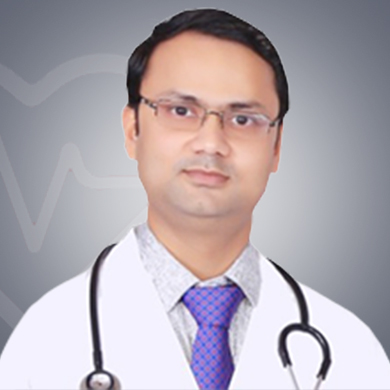
Dr Prateek Varshney

Surgical Oncologist

15 Years of Experience

Dr. Prateek Varshney is a renowned Surgical Oncologist. He has experience of more than 15+ years in surgical Oncology. He is currently practicing as a consultant at Metro Mass Hospital and Cancer Institute. He was also previously associated as a consultant with Sir Ganga Ram Hospital and as a professor at Gujarat Cancer Research Institute. View More