Your Notifications
All done, no notifications

Small Intestine Cancer Treatment Cost in Malaysia

Costs starts from USD2942
Filters

How Much Does a Small Intestine Cancer Treatment Cost in Malaysia?

The cost of Small Intestine Cancer in Malaysia typically ranges between USD 2942 depending on the Cancer stage, treatment type (surgery, chemotherapy, radiation therapy or a combination) and hospital facilities.

Factors Influencing the Cost of Small Intestine Cancer Treatment in Malaysia

The following factors influence the cost of small intestine cancer treatment:

Cost of Small Intestine Cancer Treatment in Major Cities of Malaysia

CityCost (USD)Cost (MYR)
Kuala LumpurUSD 294212474

Small Intestine Cancer Treatment Cost : A Global Comparison

CountryMinimum CostMinimum Local CurrencyMaximum CostMaximum Local Currency
Indiaget request
Israelget request
Lithuaniaget request
Malaysia - - USD 2942MYR 12474
Polandget request
Saudi Arabiaget request
SingaporeUSD 22000SGD 28380USD 35000SGD 45150
South Africaget request
South KoreaUSD 10000KRW 13759800USD 30000KRW 41279400
SpainUSD 15000ESP 2205598USD 35000ESP 5146396
Switzerlandget request
Thailand - - USD 4500THB 147195
Tunisiaget request
Turkeyget request
United Arab Emiratesget request
United Kingdomget request

Need Help Planning Your Treatment Abroad?

Your 24/7 AI Health Assistant

A rare condition known as small intestinal cancer occurs when cancerous cells develop in the small intestine's tissues. Carcinoid tumors, adenocarcinomas, sarcomas, gastrointestinal stromal tumors, and lymphomas are the five main kinds of small intestine cancers. Treatment for Small Intestine Cancer includes radiation therapy to stop recurrence, chemotherapy to reduce or eradicate cancer cells, and surgery to remove the tumor. Treatments are tailored after seeing patients' conditions to improve survival.

The goals of treating small intestinal cancer are to eliminate or destroy the malignant tissue, stop it from spreading to other organs, reduce symptoms, and enhance overall survival and quality of life. Treatment options might range from surgery to systemic therapies, depending on the cancer's stage and kind (adenocarcinoma, sarcoma, lymphoma, or carcinoid tumors).

Consult a doctor if you experience consistent stomach pain, unexplained weight loss, blood in your stool, nausea, vomiting, fatigue, or a noticeable bulge in your belly. These signs could indicate an underlying condition like cancer of the small intestine. Therapy outcomes are significantly improved by early discovery, and Medigence's skilled network of specialised doctors makes accessing expert care for a timely diagnosis and individualised therapy easy.

Blood work, upper endoscopy, capsule endoscopy, CT or MRI scans, and biopsy using endoscopic or surgical techniques are among the diagnostic tests used in preparation to identify the kind and stage of cancer. Any allergies, current medications, or pre-existing medical issues should be discussed with your doctor.

  • Surgical Resection: The main treatment for localised tumours is surgery, which involves removing the affected section and any surrounding lymph nodes.
  • Chemotherapy: Chemotherapy helps shrink tumours and eradicate cancer cells throughout the body and is frequently used for advanced or metastatic disease.
  • Targeted Therapy: Tyrosine kinase inhibitors and other targeted medications may be utilised to treat certain tumor forms, such as gastrointestinal stromal tumours (GISTs).
  • Radiation Therapy: Although less frequently utilised, radiation therapy may be used in some situations to reduce tumour size or manage symptoms.
  • Supportive Care: Supportive care includes managing discomfort, providing dietary assistance, and treating issues like bleeding or blockage.
  • Follow-up: Routine blood and imaging tests are performed to check for progression or recurrence and to modify treatment as necessary.

Surgical treatments usually require a few weeks of recovery at home and a few days in the hospital. Chemotherapy or targeted therapy is frequently administered in cycles and might last for several months. The type, stage, and reaction to therapy all affect how long a treatment will take overall.

  • Infection
  • Bleeding
  • Intestinal leakage
  • Fatigue
  • Gastrointestinal issues (e.g., diarrhea, loss of appetite)
  • Bowel obstruction
  • Intestinal perforation
  • Metastasis to the liver or lymph nodes
  • Difficulty in managing advanced-stage disease

With early and proper therapy, many patients can experience symptom relief, increased survival, and improved quality of life. In cases when the disease is more advanced, systemic medications can help control its course, while surgery may be able to cure the condition in its early stages.

Following surgery, wound care, progressive dietary changes, and pain management are all part of the recovery process. Long-term monitoring may be necessary for patients undergoing radiation or chemotherapy to control adverse effects and provide nutritional support. Continuous observation is required to identify secondary problems or recurrence.

The type and stage of cancer have a substantial impact on the success rate. With total surgical excision, the 5-year survival rate for early-stage adenocarcinomas is between 50–70%. Targeted therapy have shown better results for advanced or metastatic malignancies.

Would you like some help? We are available.

Get Help
Explore Hospitals ( 6 )
Small Intestine Cancer Treatment in Prince Court Medical Centre: Costs, Top Doctors, and Reviews

Kuala Lumpur, Malaysia

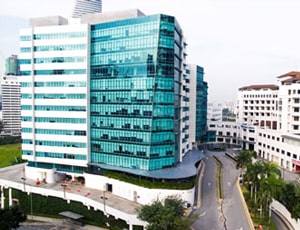
Prince Court is a private medical facility in the center of Kuala Lumpur that has 277 individual beds. Our dedication is to provide you with the best treatment possible from the time you arrive until you depart, healthier and happier. We are well-known for our top-notch facilities, cutting-edge technology, and friendly customer service.

Small Intestine Cancer Treatment in Sunway Medical Centre: Costs, Top Doctors, and Reviews

Kuala Lumpur, Malaysia

  • The Australian Council on Healthcare Standards (ACHS)

Sunway Medical Centre has initiated a comprehensive expansion plan close to its current hospital facility to enhance its ability to provide services to the global market. The new Cancer Radiosurgery Center and Nuclear Medicine Center, which will also house additional Centers of Excellence like the Digestive Health Center and Dialysis Center, marked the completion of Tower C's first phase in October 2016.

Small Intestine Cancer Treatment in ParkCity Medical Centre: Costs, Top Doctors, and Reviews

Kuala Lumpur, Malaysia

  • Joint Commission International, or JCI

In Kuala Lumpur, Malaysia, ParkCity Medical Centre is a 300-bed, cutting-edge, interdisciplinary private hospital that provides award-winning private healthcare in an environment of lush vegetation.

Small Intestine Cancer Treatment in Subang Jaya Medical Centre: Costs, Top Doctors, and Reviews

Kuala Lumpur, Malaysia

  • Joint Commission International, or JCI

Subang Jaya Medical Center is renowned for pioneering radiation oncology treatments and infrastructure in Malaysia. The hospital also has a state-of-the-art Cancer Radiosurgery Centre (CRC), which is fully furnished with the latest medical technology for cancer detection, monitoring, and treatment.

Small Intestine Cancer Treatment in Ara Damansara Medical Centre: Costs, Top Doctors, and Reviews

Kuala Lumpur, Malaysia

  • Joint Commission International, or JCI

Situated at the junction of Petaling Jaya and Shah Alam, close to the Oasis Ara, Ara Damansara Medical Centre boasts a serene, luxurious ambiance.

The Centre has been awarded several prestigious awards such as the Global Health Asia Pacific Awards 2023, Newsweek Best Specialized Hospital APAC 2023, Healthcare Asia Awards 2023, and Malaysian Healthcare Wellness Excellence.

Small Intestine Cancer Treatment in Bukit Tinggi Medical Centre: Costs, Top Doctors, and Reviews

Kuala Lumpur, Malaysia

As a tertiary care hospital, Bukit Tinggi Medical Centre (BTMC) is committed to providing high-quality, reasonably priced healthcare.

With a focus on patient care and a team of committed medical professionals and personnel, we want to realize our ambition of becoming Klang's go-to healthcare provider. Orthopedics, neurosurgery, cardiac surgery, obstetrics and gynecology, pediatrics and rehabilitation, aesthetic surgery, and other specialties are all part of our multidisciplinary team approach. Additionally, BTMC has a Health Screening Center that provides a range of health packages to meet the requirements of diverse patient types.

Need Some Advice From Our Experts?

Request a Call Back Now!

Our team of healthcare experts would be happy to assist you

trusted Patientstrusted Patients+99
Trusted by 50000+ Patients
Required | alphabets and spaces
Required | A valid, working email address
Required | A valid contact

Process Involved for Small Intestine Cancer Treatment in Malaysia

  • Consultation: A complete discussion with an oncologist or interventional radiologist to assess the tumour size, diagnosis, and suitability for Small intestine cancer treatment .
  • Pre-procedure evaluation: Employing imaging examinations such as CT, MRI, and PET Scans to determine the tumor size and location. Pathological evaluation classifies the type of tumours.
  • Pre-Treatment Therapy (Neoadjuvant Therapy): Before surgery, chemotherapy or radiation therapy may be performed to decrease the tumor for simpler removal and lower the chance of its spread. The reaction to pre-treatment aids in directing subsequent therapeutic approaches.
  • Procedure planning The location of the tumor, the stage of the malignancy, and the patient's reaction are taken into consideration while planning radiation, chemotherapy, and surgery.
  • Post-procedure monitoring and follow-up visits are required to seek out any complications, including fever, nausea, or pain following the procedure.
  • Carcinoid Tumors
  • Adenocarcinoma
  • Lymphoma
  • Gastrointestinal Stromal Tumors (GISTs)
  • Metastatic Cancer (cancer from other organs spread to small intestine)
  • Familial adenomatous polyposis (FAP), Crohn's disease & celiac disease are common risk factors for small intestinal cancer. But not everyone who has these risk factors gets the disease, and some cases happen when there are no recognized risk factors.
  • Endoscopic Resection
  • Immunotherapy
  • Radio Therapy
  • Increased survival rates with early diagnosis
  • Effective tumor control through surgery and therapies like chemo or radio.
  • Improved quality of life
  • Long-term remission potential
  • Medical Oncologist:
  • Radiation Oncologist:
  • Surgical Oncologist:
  • Gastroenterologist:
  • Interventional Radiologist:
  • Rehabilitation Specialist:
  • Fill out the inquiry form: Fill out the form to provide us with the relevant information about your condition.
  • Consult with Our Healthcare Expert: One of our qualified specialists will contact you for a consultation.
  • Receive a Detailed Treatment Plan: After examining your situation, we will provide you with a detailed treatment plan that includes expert views and cost breakdowns for various choices.
  • Choose your preferred option: Choose the therapy option that best suits you.
  • Seamless Organization: We will manage all the details, including visas, flights, accommodations, and transfers, for a stress-free journey.

Instantly Connect with our Small Intestine Cancer Treatment Specialists

Doctor 1
Doctor 2
Doctor 3
Doctor 4
Doctor 5
Doctor 6
Doctor 7
Doctor 8
Our Services to Better your Experience

Opinion & Option

We submit the most accurate opinion and options from one or more countries for your review

Consult Privately

Consult with a certified specialist privately on our telemedicine platform even before you decide to travel

Logistics

We handle flights, visas, transfers, and accommodation—so you can focus on your health.

Recovery

Our In-house rehabilitation service packages to better your recovery and treatment outcome

Other Popular Countries for Small Intestine Cancer Treatment

Our network connects you with the leading medical tourism destinations globally, offering a wide range of cities, top doctors, and flexible pricing options.

Italy
Thailand
United Arab Emirates
Vietnam

Author

Dr. Vijita Jayan

BPT, MPT (Neuro)

18 Years of Experience

With over 18 years of distinguished clinical experience, Dr. Vijita Jayan is a highly accomplished Clinical Director and Rehabilitation Specialist, renowned for her expertise in neuro-rehabilitation, functional recovery, and mobility-dependent case management. Her extensive practical knowledge enables her to design and implement individualized, evidence-based rehabilitation protocols that consistently yield measurable patient outcomes. A prolific researcher and academic writer, she has authored numerous peer-reviewed articles and research papers, significantly advancing the field of rehabilitative medicine. The recipient of multiple prestigious accolades, Dr. Jayan is widely regarded as one of the foremost authorities in Physical Medicine and Rehabilitation, continually shaping neuro-rehabilitative care through research, innovation, and clinical excellence.. View More

Reviewer

Dr Prateek Varshney

Surgical Oncologist

15 Years of Experience

Dr. Prateek Varshney is a renowned Surgical Oncologist. He has experience of more than 15+ years in surgical Oncology. He is currently practicing as a consultant at Metro Mass Hospital and Cancer Institute. He was also previously associated as a consultant with Sir Ganga Ram Hospital and as a professor at Gujarat Cancer Research Institute. View More