Your Notifications
All done, no notifications

Skin Cancer Treatment Cost in Johannesburg

Costs starts from USD200 to USD10000
Filters

Cost of Skin Cancer Treatment in Major Cities of South Africa

CityMinimum Cost (USD)Minimum Cost (ZAR)Maximum Cost (USD)Maximum Cost (ZAR)
Cape TownUSD 2003594USD 10000179700
JohannesburgUSD 2003594USD 10000179700

Need Help Planning Your Treatment Abroad?

Your 24/7 AI Health Assistant

Skin cancer is the most common type of cancer. It typically affects people with lighter skin tones. It is the uncontrolled and abnormal growth of destructive malignant skin cells. It occurs when unrepairable DNA damage that occurs in the skin cells triggers a mutation that makes them multiply rapidly and form malignant skin tumors.

Skin cancer is mostly caused by ultraviolet radiation from sunshine or tanning beds. Skin cancers have a limited potential to spread to other parts of the body and may become life-threatening if not treated on time. They are common and can be effectively treated but the treatment of some forms of skin cancers can be difficult. However, early diagnosis and treatment can increase the survival rate.

Types of Skin Cancer

The following are the three common types of skin cancers:

  • Basal cell skin cancer: This type of skin cancer is present in sun-exposed areas of the skin. Basal cell skin cancer rarely spreads to other body parts (metastasize) and does not cause death. They are very common and easily treatable.
  • Squamous cell skin cancer: These skin cancers are also common but less common than basal cell cancers. They can metastasize but the metastasis rate is very low. They are also non-life threatening and can be treated easily.
  • Melanoma: This type of skin cancer originates from the pigment that gives color to the skin called melanocyte. It is less common and more dangerous than the first two types of skin cancer. However, if melanoma is recognized and treated early, it is almost curable. Advanced-stage melanoma can spread to other parts of the body and is hard to treat. It can be life-threatening as well.

Skin cancer treatment aims to remove or destroy cancerous cells, prevent further spread, and relieve symptoms like skin lesions, bleeding, or ulceration. Surgical, radiation, chemotherapy, immunotherapy, and targeted therapy are among the alternatives available, depending on the stage and type of cancer (melanoma, squamous cell carcinoma, or basal cell carcinoma).

You should see a doctor if you observe any new skin growths, changes in the size, shape, or colour of moles, bleeding spots, or lesions with irregular borders or colours. Effective treatment depends on early evaluation.

Preparation involves a skin biopsy to confirm the diagnosis and possibly imaging tests (e.g., CT, MRI, PET scans) to assess spread. In addition to following pre-surgical or pre-therapy recommendations like fasting or avoiding the sun, your doctor could advise you to stop taking specific drugs (such blood thinners).

Treatment differs depending on the location, stage, and kind of cancer:
  • Surgery: The most popular method consists of large local excision, Mohs micrographic surgery (exact layer-by-layer removal), or excision.
  • Radiation: For deeper tumours or in situations when surgery is not an option, radiation therapy targets and eliminates cancer cells.
  • Chemotherapy: The use of topical or systemic medications, especially in cases that are progressed or metastasised.
  • Immunotherapy: Boosts the immune system to fight cancer, often used in advanced melanoma..
  • Targeted therapy: Used for tumours with specific mutations (e.g., BRAF mutation in melanoma).

While more intricate or staged treatments may need many hours, Minor surgeries can take 30 minutes to an hour.

  • Bleeding or infection at the surgery location
  • Skin pigmentation changes or scarring
  • Immune responses, fatigue, or nausea (particularly with immunotherapy)
  • Allergic reactions to topical drugs

Treatment for skin cancer, particularly when identified early, can completely eradicate the disease in its early stages, stop it from spreading, lessen its symptoms, and significantly improve survival.

Recovery depends on the treatment type but may include wound care, managing pain, avoiding sun exposure, and follow-up exams. When receiving systemic therapy, patients may have to control side effects and monitor organ function. Cosmetic concerns may require dermatologic or plastic surgical help.

Early-stage skin cancers have a high success rate; with the right care, basal and squamous cell carcinomas can be cured in over 90% of cases. Although melanoma survival varies by stage, 98% of patients with early-stage melanoma survive for 5 years.

Would you like some help? We are available.

Get Help
Explore Hospitals ( 1 )
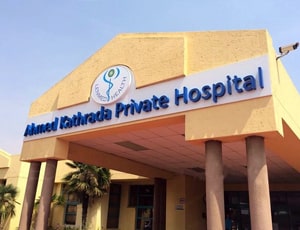
Skin Cancer Treatment in Lenmed Ahmed Kathrada Private Hospital: Costs, Top Doctors, and Reviews

Johannesburg, South Africa

Apart from in-detail treatment procedures available, Lenmed Ahmed Kathrada Private Hospital located in Johannesburg, South Africa has a wide variety of facilities available for International Patients. Some of the facilities which are provided by them are Accommodation, Airport Transfer, Choice of Meals, Interpreter, SIM, TV inside room. Also listed below are some of the most prominent infrastructural details:

  • 254 bed capacity
  • 24 Hour Emergency section
  • Cardiac Catheterisation Laboratory
  • Clinical Trial Centre
  • Sports Medicine Centre
  • Centre of Excellence for Strokes
  • 24 hour trauma and emergency
  • Many medical specialties
  • Option of Minimally invasive laparoscopic surgery in Gynaecology, Urology and General Surgery
  • Patient shuttle facility
  • International patient coordinators

Need Some Advice From Our Experts?

Request a Call Back Now!

Our team of healthcare experts would be happy to assist you

trusted Patientstrusted Patients+99
Trusted by 50000+ Patients
Required | alphabets and spaces
Required | A valid, working email address
Required | A valid contact

Process Involved for Skin Cancer Treatment in Johannesburg

  • Consultation: Talk with a surgical oncologist, oncologist, or dermatologist about the available treatment, diagnosis, and stage.
  • Assessment Before Treatment: Where the cancer of the skin is located and how extensive it is can be determined with the help of imaging tests and a clinical exam. Sentinel lymph node biopsy is recommended in a few cases of melanoma.
  • Treatment Discussion: Depending on the type and extent of the skin cancer, treatment options are considered and may involve surgery, chemotherapy, radiation therapy, immunotherapy, or targeted therapy.
  • Delivery of Treatment: Surgical removal is often the first line of treatment for local tumors, and Chemotherapy, immunotherapy, or targeted therapy treatments can be used for metastatic cancer or advanced melanoma.
  • Follow up: After treatment, regular follow-up visits are scheduled to address any potential side effects, look for recurrence, and assess.
  • Basal cell carcinoma (BCC)
  • Squamous cell carcinoma (SCC)
  • Melanoma
  • Merkel cell carcinoma
  • Rare types of skin cancer
  • Skin cancer metastasis
  • Patients diagnosed with melanoma, squamous cell carcinoma (SCC), basal cell carcinoma (BCC), or other rare types of skin cancer are recommended to undergo therapy.
  • The type, phase, and site of the cancer, the overall health of the patient, and any other underlying medical diseases all influence the patient's candidacy for treatment.
  • Surgical excision or Mohs surgery
  • Chemotherapy
  • Radiation therapy
  • Immunotherapy
  • Targeted therapy
  • Improves survival and quality of life by eliminating or lessening the tumor.
  • Minimises the chance of cancer metastasis, mainly if carried out early and treated.
  • Keeps metastases and recurrences at bay, particularly in malignant forms such as melanomas.
  • Improves the appearance and feel of the skin, particularly after reconstructive surgery or surgical removal.
  • Surgical Oncologist
  • Medical Oncologist
  • Radiation Oncologist
  • Fill out the inquiry form: Fill out the form to provide us with the relevant information about your condition.
  • Consult with Our Healthcare Expert: One of our qualified specialists will contact you for a consultation.
  • Receive a Detailed Treatment Plan: After examining your situation, we will provide you with a detailed treatment plan that includes expert views and cost breakdowns for various choices.
  • Choose your preferred option: Choose the treatment option that suits you the best.

Instantly Connect with our Skin Cancer Treatment Specialists

Doctor 1
Doctor 2
Doctor 3
Doctor 4
Doctor 5
Doctor 6
Doctor 7
Doctor 8
Our Services to Better your Experience

Opinion & Option

We submit the most accurate opinion and options from one or more countries for your review

Consult Privately

Consult with a certified specialist privately on our telemedicine platform even before you decide to travel

Logistics

We handle flights, visas, transfers, and accommodation—so you can focus on your health.

Recovery

Our In-house rehabilitation service packages to better your recovery and treatment outcome

Other Popular Countries for Skin Cancer Treatment

Our network connects you with the leading medical tourism destinations globally, offering a wide range of cities, top doctors, and flexible pricing options.

Malaysia
Vietnam
Turkey
India

Frequently Asked Questions

Skin Cancer Treatment cost in Johannesburg varies from one hospital to the other. There are many hospital who cover the cost of pre-surgical investigations of the patient in the treatment package. The Skin Cancer Treatment package in Johannesburg includes the fees of the surgeon, hospitalization and anesthesia as well. A prolonged hospital stay due to delayed recovery, new diagnosis and complications after surgery may increase the cost of Skin Cancer Treatment in Johannesburg.

Many hospitals in Johannesburg perform Skin Cancer Treatment. The top hospitals for Skin Cancer Treatment in Johannesburg include the following:

The recovery of the patient many vary, depending on several factors. However, on an average, patient is supposed to stay for about 21 days in the country after discharge. This duration of stay is recommended to complete all the necessary follow-ups and control tests to ensure that the surgery was successful.

One of the topmost destinations for Skin Cancer Treatment is Johannesburg. It has a variety of accredited hospital, affordable cost of treatment and some of the best medical fraternity. However, some of the other popular destinations for Skin Cancer Treatment include the following:

Apart from the Skin Cancer Treatment cost, there are a few other daily charges that the patient may have to pay. The per day extra expenses in Johannesburg per person are about 35 USD.

After the Skin Cancer Treatment surgery takes place, the average duration of stay at the hospital is about 4 Days. This time frame is important for the patient to recover properly and feel comfortable after the surgery. With the help of several tests, it is determined that the patient is doing fine after the surgery and is okay to be discharged.

There are about 1 Hospitals Skin Cancer Treatment hospitals in Johannesburg that are best known for their services. These hospitals have the required infrastructure and a decided Skin Cancer Treatment unit where renal failure patients can be treated. Apart from good services, the hospitals are known to follow all standard and legal guidelines as dictated by the local medical affairs body or organization.

Some of the most sought after doctors for Skin Cancer Treatment in Johannesburg are:

Author

Dr. Vihan Gautam

BPT, MS in Healthcare Mgmt

3 Years of Experience

Dr. Vihan Gautam is a distinguished Rehabilitation Specialist and Healthcare Management Professional, holding a Bachelor of Physiotherapy (BPT) from Rajiv Gandhi University of Health Sciences and a Master of Science in Healthcare Management (MSc) from the prestigious University of London, United Kingdom. With specialized clinical experience and his advanced medical knowledge in neuro-rehabilitation, musculoskeletal disorders, and evidence-based physiotherapy practices, enables him to develop patient-centered rehabilitation protocols and AI-driven care models that deliver measurable functional recovery outcomes. His diverse contributions across international rehabilitation programs, multidisciplinary care, and AI-driven healthcare initiatives uniquely position him as an emerging leader in neuro-rehabilitative care globally. . View More

Reviewer

Dr Prateek Varshney

Surgical Oncologist

15 Years of Experience

Dr. Prateek Varshney is a renowned Surgical Oncologist. He has experience of more than 15+ years in surgical Oncology. He is currently practicing as a consultant at Metro Mass Hospital and Cancer Institute. He was also previously associated as a consultant with Sir Ganga Ram Hospital and as a professor at Gujarat Cancer Research Institute. View More