Your Notifications
All done, no notifications

Head & Neck Cancer Treatment Cost in Elazig

Starts from USD 16000

Disclaimer: Cost range is subject to change based on clinical evaluation.

Affordable World-class Treatment - Accredited Hospitals - Free Treatment Plan in 24 Hrs

5
Days in Hospital
4-8 hrs
Procedure Time
70 - 90%
Success Rate
uploads/procedure/images/1772168625_42f03c956e928d1f51cd.png
JCI/ISO 100,000+ Patients 24X7 Coordinator Visa & Travel handled
Your all-in-one medical travel platform for treatment, recovery & care.

Get Your Personalised Treatment Plan in Just 24 Hours.

Share your details to receive a personalised treatment plan, estimated costs, hospital recommendations, and expert guidance, “completely free.”

Required | alphabets and spaces
Required | A valid, working email address
Required | A valid contact

Your information is protected with HIPAA-compliant security standards. We only share your details with hospitals after your consent.

Estimated Treatment Cost
Starts from USD 16000
All-inclusive • Hospital + Medications + Recovery Assistance + Dedicated Care Coordinator

International Quality. Affordable Care.
The average cost of Head & Neck Cancer Treatment in Elazig starts from USD 16000.

Cost of Head & Neck Cancer Treatment in Major Cities of Turkey

CityCost (USD)
Ankara Starting $10k Explore More
Antalya Starting $12k Explore More
Bursa Starting $10k Explore More
Canakkale Starting $18k Explore More
Elazig Starting $16k Explore More
Fethiye Starting $18k Explore More
Istanbul Starting $9k Explore More
Kocaeli Starting $15k Explore More
Konya Starting $17k Explore More
Ordu Starting $18k Explore More
Samsun Starting $10k Explore More
Sivas Starting $17k Explore More
Tokat Starting $18k Explore More
Trabzon Starting $18k Explore More
Zonguldak Starting $12k Explore More
Tanya Bose
Author

MSc Biotechnology

4 Years of Experience

Tanya Bose is a medical content specialist with a strong medical background. She has completed her Bachelor's and Master’s in Biotechnology from Amity University. With a deep understanding of biomedical sciences and research, she develops authoritative and patient-focused medical content covering treatments, surgical procedures, and healthcare innovations. Her writing emphasizes accuracy, clarity, and evidence-based information to help readers better understand complex medical topics. She is dedicated to improving patient awareness and supporting informed healthcare decisions by delivering trustworthy medical insights in a clear and accessible format.
View More
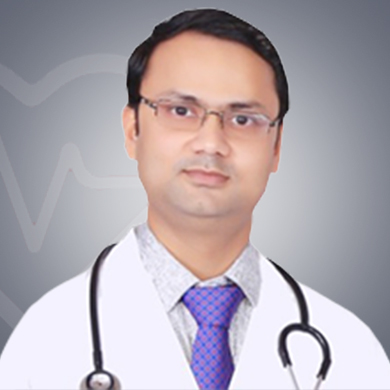
Dr Prateek Varshney
Reviewer

Surgical Oncologist

15 Years of Experience

Last Reviewed - June 2026

Dr. Prateek Varshney is a renowned Surgical Oncologist. He has experience of more than 15+ years in surgical Oncology. He is currently practicing as a consultant at Metro Mass Hospital and Cancer Institute. He was also previously associated as a consultant with Sir Ganga Ram Hospital and as a professor at Gujarat Cancer Research Institute.
View More

Need Help Choosing the Right Treatment? Talk to a Medical Advisor

Our dedicated Medical Patient Advisors are here to answer your questions, help you compare treatment options, estimate costs, and guide you through every step of your healthcare journey.

15 min
Average response time

Serving Patients Worldwide in Multiple Languages.

Head and neck cancer treatment is done to remove or destroy cancer cells and prevent the cancer from spreading to other parts of the body. The goal is not only to treat the cancer but also to preserve vital functions such as speech, swallowing, breathing and appearance as much as possible.

You should consult a doctor if you experience a persistent lump or swelling in your neck, trouble speaking or swallowing, non-healing mouth sores, chronic hoarseness or sore throat, unexplained weight loss, or symptoms like ear pain or facial numbness, you should see a doctor.

Preparation includes detailed medical evaluations such as imaging scans and biopsies. Doctors may advise stopping smoking and alcohol,improving nutrition, and managing existing medical conditions.

Treatment depends on the cancer type and stage. It may involve surgery to remove the tumor, followed by radiation therapy or chemotherapy to destroy remaining cancer cells. In some cases, non- surgical treatments like radiation or chemoradiation alone may be used.

The duration of treatment varies: surgery lasts 2-6 hours, while radiation and chemotherapy might last several weeks, resulting in a total treatment time of a few weeks to months.

Possible risks & complications include:

  • Difficulty in swallowing or speaking
  • Temporary or permanent voice changes
  • Infection or bleeding
  • Fatigue and weakness
  • Dry mouth or taste changes

  • Head and neck cancer treatment aids in cancer control or cure, protects critical functions such as speech and swallowing, and increases survival and quality of life.

Recovery depends on treatment type. Patients may need speech, swallowing, and nutritional support. Most patients can gradually resume normal activities over 4-8 weeks, though complete recovery may take longer.

The success rate of head and neck cancer treatment is high when detected early. Early-stage cancers have a success rate of 70-90%, while advanced stages may require combined therapies for better outcomes.

70-90%

Successful disease control or remission, depending on cancer stage, location, and treatment approach

5-10 days

Typical hospital stay (for surgical treatment)

6 weeks- 6 months

Typical recovery period, depending on the treatment modality and rehabilitation needs
Explore Hospitals ( 1 )

Elazig, Turkey

4.0 - 991 reviews · 124+ Beds · 138+ Procedures
JCI
Starting
USD 16000
Chat with a Medical Advisor

Get Your Head & Neck Cancer Treatment
Plan in 24 hrs.

Our experienced Medical Patient Advisors have supported 100,000+ patients across 120+ countries with personalised treatment plans, hospital recommendations, cost estimates, and travel assistance, all free.

HIPAA-Compliant Data SecurityShared Only with Your Consent

✓ Free Consultation ✓ No Obligation ✓ Personalized Treatment Plan ✓ Response Within 24 Hours

Required | alphabets and spaces
Required | A valid, working email address
Required | A valid contact

Your medical info is kept HIPAA-style confidential. We never share with hospitals without your consent.

Process Involved for Head & Neck Cancer Treatment in Elazig

  • Diagnosis and staging
  • Treatment planning
  • Active Treatment
  • Rehabilitation and follow-up
  • Oral cancer
  • Throat cancer
  • Laryngeal cancer
  • Nasal and sinus cancer
  • Salivary gland cancer
  • Surgical tumor removal: Is done to physically remove the cancerous tumor along with a small margin of healthy tissue to ensure that all cancer cells are cleared. In some cases, nearby lymph nodes may also be removed to prevent cancer spread.
  • Radiation therapy: Uses high-energy rays to destroy cancer cells or stop them from growing. It may be used alone in early-stage cancer or after surgery to eliminate any remaining cancer cells.
  • Chemotherapy: Involves anticancer medicines given by injection or in tablet form to kill cancer cells throughout the body. It is often combined with radiation therapy for better results in advanced cancers.
  • Targeted therapy: Focuses on specific molecules or proteins that help cancer cells grow. This treatment damages cancer cells while causing less harm to normal healthy cells.
  • Immunotherapy: Strengthens the body’s immune system so it can recognise and attack cancer cells more effectively. It is usually used in advanced or recurrent head and neck cancers.

Patients diagnosed with head and neck cancers of the mouth, throat, larynx, nose, sinuses, or salivary glands are eligible. Eligibility depends on cancer treatment goals.

  • Reconstructive Plates: These are metal plates used to rebuild or support facial bones after tumour removal, helping restore facial structure and stability.
  • Bone Grafts: Involves replacing removed or damaged bone with bone taken from another part of the body or a medical substitute, helping restore normal shape and function.
  • Soft Tissue Flaps: Are sections of skin, muscle, or tissue moved from one part of the body to repair areas affected by cancer surgery, improving healing and appearance.
  • Voice prosthesis valves (Post-laryngectomy patients): These valves are small medical devices placed after removal of the voice box(larynx). They help patients speak by allowing air from the lungs to pass into the food pipe, creating sound while preventing food and liquids from entering the airway.
  • Reconstructive surgery
  • Tracheostomy
  • Feeding tube placement
  • Speech and swallowing therapy
  • Cancer control or cure
  • Preservation of vital functions
  • Improved survival and quality of life
  • Most patients acquire tumour control after treatment.
  • Reduced pain, swelling, or trouble swallowing are examples of symptom relief.
  • Gradually resuming daily activities with appropriate rehabilitation and aftercare
  • Fill out the inquiry form: Fill out the form to provide us with the relevant information about your condition.
  • Consult with Our Healthcare Expert:One of our qualified specialists will contact you for a consultation
  • Receive a Detailed Treatment Plan:After examining your situation, we will provide you with a detailed treatment plan that includes expert views and cost breakdowns for various choices.
  • Choose your preferred option: Choose the treatment option that suits you the best.
Jenny Wilson
Your Dedicated Medical Patient Advisor
Treatment planning • Hospital coordination • Multilingual support • Response within 15 minutes.
Our Services to Better your Experience

Opinion & Option

We submit the most accurate opinion and options from one or more countries for your review

Consult Privately

Consult with a certified specialist privately on our telemedicine platform even before you decide to travel

Logistics

We handle flights, visas, transfers, and accommodation—so you can focus on your health.

Recovery

Our In-house rehabilitation service packages to better your recovery and treatment outcome

Patient Stories

Ms. Monica
Ms. Monica
Monica from Ghana for AV Malformation Treatment in India

Monica from Ghana suffered from AV malformation. She decided to look for options for medical treatment when she started experiencing…

Silim Shabani
Silim Shabani
Patient Testimonial: Silim Shabani for Ovarian Cancer Treatment in Turkey

Nasrin (Sister of the patient ) explains the journey of how MediGence helped for the treatment of Silim Shabani for…

Frequently Asked Questions

The cost of Head & Neck Cancer Treatment in Elazig is starts from USD 16000, varies depending on the type and stage of cancer, treatment approach, hospital, specialist fees, and the patient's overall health. The total expense may include diagnostic tests, biopsy, imaging, surgery, chemotherapy, radiation therapy, targeted therapy, immunotherapy, hospitalisation, medications, and follow-up care. International patients should obtain a personalised treatment plan and cost estimate after specialist evaluation.

Some of the best hospitals in Elazig for Head & Neck Cancer Treatment include:
  • Medical Park Elazig Hospital
  • Choose a specialist with experience in treating head and neck cancers and managing the specific type and stage of cancer. Depending on the tumour location, this may include a head and neck surgeon, surgical oncologist, radiation oncologist, or medical oncologist. Consider the doctor's qualifications, cancer-treatment experience, access to advanced technology, multidisciplinary support, and experience treating international patients.

    The success of head and neck cancer treatment, such as 70 - 90%, depends largely on the type, location, stage, tumour characteristics, overall health, and response to treatment. Cancers diagnosed at an earlier stage generally have better outcomes than advanced cancers. Because head and neck cancers include several different tumour types, there is no single success rate applicable to all patients.

    Head and neck cancers can develop in areas such as the oral cavity, throat, larynx, nasal cavity, sinuses, salivary glands, and other structures of the head and neck. The treatment approach varies according to the exact location and cancer type.

    No. Surgery is not required for every patient. Depending on the cancer type and stage, treatment may involve radiation therapy, chemotherapy, targeted therapy, immunotherapy, surgery, or a combination of treatments. The treatment plan is determined after comprehensive staging and specialist evaluation.

    Yes. Treatment involving the mouth, throat, larynx, or nearby structures can affect speech, swallowing, chewing, or voice. However, rehabilitation, speech therapy, swallowing therapy, nutritional support, and reconstructive techniques can help many patients manage these effects.

    Immunotherapy may be used in selected patients, particularly for certain advanced or recurrent head and neck cancers. Drugs such as immune checkpoint inhibitors can help the immune system recognise and attack cancer cells. Eligibility depends on tumour characteristics, previous treatment, and overall health.

    Staging may involve a combination of physical examination, biopsy, CT or MRI, PET-CT, endoscopy, and other laboratory or molecular tests. These assessments help determine the tumour's size and spread and whether lymph nodes or distant organs are involved, allowing doctors to select the most appropriate treatment strategy.

    Treatment may involve advanced imaging, endoscopic techniques, minimally invasive or robotic surgery, intensity-modulated radiation therapy (IMRT), image-guided radiation therapy (IGRT), stereotactic radiation in selected cases, chemotherapy, targeted therapy, and immunotherapy in Elazig. PET-CT, MRI, and molecular or pathological testing may also help with staging and treatment planning. The treatment combination is selected according to the cancer type and stage.

    Potential complications depend on the cancer location and treatment used. They may include pain, bleeding, infection, difficulty swallowing, speech changes, dry mouth, altered taste, dental problems, fatigue, skin reactions, nutritional difficulties, and treatment-related nerve or tissue damage. Surgery may also affect appearance or functions such as swallowing and speaking. The treating team will explain risks specific to the planned treatment.

    Before travelling, organise your biopsy and pathology reports, PET-CT/MRI/CT scans, laboratory results, previous treatment records, medication list, discharge summaries, and specialist consultation notes. If possible, obtain digital copies of imaging and pathology slides or blocks for review. Discuss your proposed treatment plan with the specialist and confirm the expected duration of treatment, hospital stay, accommodation, and follow-up requirements.

    Yes. International patients can generally arrange an online consultation with an appropriate oncology specialist before travelling to Elazig. The doctor can review pathology reports, imaging, previous treatments, symptoms, and medical history to provide a preliminary treatment assessment. A physical examination or additional investigations may still be necessary before confirming the final treatment plan.

    Patients should carry their passport and visa documents, biopsy and pathology reports, imaging reports and scans, laboratory results, previous treatment records, medication prescriptions, discharge summaries, and specialist consultation reports. If available, pathology slides or tissue blocks should also be brought or arranged for review, as treatment decisions may depend on accurate pathology confirmation.

    The required stay varies considerably depending on the cancer stage and treatment plan. Patients undergoing surgery may need several days to weeks for hospitalisation and initial recovery, while radiation therapy or combined treatment may require a longer stay. Chemotherapy may involve repeated treatment cycles. The treating team can provide a more accurate timeline after reviewing the patient's diagnosis and proposed treatment.

    Recovery varies according to the type of cancer and treatment. Recovery after surgery may take several weeks, while recovery from radiation or chemotherapy-related side effects can continue for weeks or months after treatment. Some patients may require speech therapy, swallowing therapy, nutritional support, dental care, or rehabilitation as part of their recovery.

    If complications occur, the oncology team will assess the symptoms and provide appropriate treatment. Depending on the problem, management may include medications, nutritional support, wound care, antibiotics, speech or swallowing therapy, drainage procedures, or additional surgery. International patients should receive clear instructions regarding warning signs, emergency care, and follow-up before returning home.

    International patients can begin by submitting their medical history, pathology reports, imaging, laboratory results, and previous treatment records for specialist evaluation through the MediGence platform. A suitable cancer centre and multidisciplinary team can then be identified. Once the treatment plan is confirmed, arrangements can be made for consultations, investigations, hospital admission, treatment, accommodation, travel, and postoperative or oncology follow-up.

    Elazig may be considered by international patients seeking experienced oncology specialists, modern cancer centres, advanced diagnostic facilities, multidisciplinary treatment, and access to contemporary surgical and radiation technologies. Depending on the destination and hospital, international patients may also have access to dedicated coordination services. The most appropriate country and hospital should be selected based on specialist expertise, treatment availability, technology, and the patient's individual cancer profile.

    Treatment depends on the site and stage of the cancer, tumour biology, overall health, and previous treatment. Options may include surgery, radiation therapy, chemotherapy, targeted therapy, immunotherapy, or combinations of these treatments in Elazig. Some patients may undergo reconstructive surgery following tumour removal. A multidisciplinary tumour board may evaluate the case and develop an individualised treatment plan.

    Not Sure About Your Treatment Plan? Get a Second Opinion

    Get your medical reports reviewed by experienced doctors to help you make a confident treatment decision, all online within 48 hours.

    Upload Your Reports
    Free second opinion on your CAR-T plan