Your Notifications
All done, no notifications

Epilepsy Treatment Cost in India

Costs starts from USD3500 to USD6000
Filters

How Much Does Epilepsy Treatment Cost in India?

The cost of Epilepsy in India typically ranges between USD 3500 - USD 6000. However, this cost can vary depending on several factors, including the type and severity of the condition, treatment techniques chosen, the healthcare facility's location and reputation, the treating professionals' experience and specialization, and the patient's overall health status.

Additionally, factors like the duration of treatment, the need for follow-up care, and the use of advanced technologies or specialized treatments can further influence the overall cost.

Factors Influencing the Cost of Epilepsy Treatment:

The goal of epilepsy treatment is to simply manage and control epilepsy and its symptoms with the main form of treatment being through the administration of antiepileptic drugs. These medications assist in changing the electrical activity in the brain to avoid seizures which type of medicine to be administered depends on the sort of epilepsy and kind of seizures. If medications fail, treatments including lobectomy, laser ablation, or VNS may be the appropriate treatment solution. Moreover, dietary interventions such as the ketogenic or Modified Atkins diets that help to decrease seizure intensity, can be applied to patients who have no adequate response to other medications or are children.

For some patients, an implant is a favorable intervention such as Responsive Neurostimulation (RNS) or VNS, aimed to control seizures by electrically stimulating the brain or the vagus nerve. These treatments are effective but not without their dangers: the side effects of medications, possible surgery complications, or complications arising from diet. Seizures in epilepsy are managed based on each person’s features to achieve optimal seizure freedom and maximal quality of life.

Cost of Epilepsy Treatment in Major Cities of India

CityMinimum Cost (USD)Minimum Cost (INR)Maximum Cost (USD)Maximum Cost (INR)
BangaloreUSD 3500299740USD 6000513840
ChennaiUSD 3500299740USD 6000513840
DelhiUSD 3500299740USD 6000513840
FaridabadUSD 3500299740USD 6000513840
GhaziabadUSD 3500299740USD 6000513840
GurgaonUSD 3500299740USD 6000513840
GurugramUSD 3500299740USD 6000513840
HyderabadUSD 3500299740USD 6000513840
KochiUSD 3500299740USD 6000513840
KolkataUSD 3500299740USD 6000513840
MohaliUSD 3150269766USD 5400462456
MumbaiUSD 3500299740USD 6000513840
NoidaUSD 3500299740USD 6000513840
PanjimUSD 3150269766USD 5400462456

Epilepsy Treatment Cost : A Global Comparison

CountryMinimum CostMinimum Local CurrencyMaximum CostMaximum Local Currency
IndiaUSD 3500INR 299740USD 6000INR 513840
IsraelUSD 14330ILS 50728USD 38330ILS 135688
LithuaniaUSD 14330LTL 49019USD 38330LTL 131115
MalaysiaUSD 5000MYR 21200USD 20000MYR 84800
Moroccoget request
PolandUSD 500PLN 1880USD 15000PLN 56400
Saudi ArabiaUSD 1000SAR 3750USD 10000SAR 37500
SingaporeUSD 30000SGD 38700USD 60000SGD 77400
SpainUSD 20000ESP 2940798USD 60000ESP 8822394
SwitzerlandUSD 5000CHF 4150USD 50000CHF 41500
ThailandUSD 12000THB 392520USD 22000THB 719620
TunisiaUSD 500TND 1490USD 3000TND 8940
TurkeyUSD 2000TRY 78120USD 36000TRY 1406160
United Arab EmiratesUSD 11500AED 42205USD 23000AED 84410
United Kingdomget request

Need Help Planning Your Treatment Abroad?

Your 24/7 AI Health Assistant

Epilepsy is a neurological problem characterized by repeated seizures. There are numerous varieties of epilepsy, some of which have been linked to causes and others that remain unknown.

According to the Centers for Disease Control and Prevention, epilepsy is a prevalent disorder that affects roughly 1.2% of the US population. It affects people of all sexes, races, ethnicities, and ages.

Seizure symptoms differ greatly across people. Some people may lose consciousness during a seizure, while others may not. Some people may experience brief periods of blank staring, while others may have convulsions that involve recurrent shaking of the limbs or legs.

It is crucial to realize that having one seizure doesn't mean you have epilepsy. Epilepsy is diagnosed when a person experiences at least two unprovoked seizures occurring at least 24 hours apart. Unprovoked seizures are those that do not have a clear immediate cause.

Classification

There are four main types of Epilepsy according to the revised classification:

  • Focal
  • Generalized
  • Combined generalized focal
  • Unknown.

Cause

Approximately half of individuals with epilepsy have no identifiable cause for their condition. For the other half, epilepsy can be related to many factors, such as:

  • Genetic influence
  • Head trauma
  • Infections such as Meningitis, HIV
  • Injury before birth

The primary aims of treating epilepsy are to prevent harm, reduce the frequency and severity of seizures, suppress or abolish them completely, and improve the patient's overall quality of life. Reducing drug side effects and enabling healthy physical, mental, and social development are also long-term care goals.

If you notice any of the following during a seizure, seek medical care immediately: The seizure lasts longer than five minutes. Even after anti-seizure medication, you continue to have seizures, a second seizure occurs immediately, and your breathing or consciousness does not return when the seizure stops. Seek medical attention if it is your initial seizure.

A neurological examination, an electroencephalogram (EEG), MRI or CT brain scans, and a detailed medical and seizure history are all included in the diagnosis and treatment planning. Patients may need blood tests before they start or change treatment, keep a seizure diary, and provide a list of all their current medications.

  • Surgery: For those patients whose focal seizures cannot be controlled with medication, surgery is recommended. Involves the removal of seizure-causing brain tissue.
  • Vagus Nerve Stimulation (VNS): A device implanted in the chest stimulates the vagus nerve with electrical impulses.
  • Responsive Neurostimulation (RNS): A device implanted in the head offers detection and response to real-time seizure activity.
  • The ketogenic diet is a high-fat, low-carb diet that is particularly effective in children with drug-resistant epilepsy.
  • Deep Brain Stimulation (DBS): When treatment is ineffective, electrodes are implanted in the brain to regulate abnormal activity.

It may take weeks or months to adapt to new drug regimens. Surgery usually lasts three to six hours, and hospitalisation lasts three to seven days. Placement of a VNS, RNS, or DBS typically requires one to three hours. Drug monitoring and follow-up over the long term are ongoing.

  • Memory or cognitive difficulties
  • Surgical complications involve bleeding, infection, and neurological deficits.
  • Device-related difficulties (malfunction, infection)
  • In ketogenic therapy, dietary intolerance

For the majority of patients, therapy significantly reduces or eliminates seizures, helping restore safety, independence, and daily functioning. With continuous treatment or surgery, individuals might stop having seizures.

Recovery from surgery involves rest, care of the wound, and a gradual return to normal activities. Medication and device changes may be required for months. Patients require frequent neurological checks, blood work, and monitoring of seizures for ongoing care.

Approximately 60–70% of patients experience good seizure control with medication. Surgery may yield seizure freedom in 50–80% of appropriate patients. Non-medication treatments provide uncertain success and are generally reserved for medication-resistant epilepsy.

Would you like some help? We are available.

Get Help
Explore Hospitals ( 57 )
Epilepsy Treatment in BLK-Max Super Speciality Hospital: Costs, Top Doctors, and Reviews

Delhi, India

5.0 ( 1 Reviews )
  • Joint Commission International, or JCI
  • National Accreditation Board for Hospitals & Healthcare Providers (NABH)

BLK-Max Super Speciality Hospital, located in New Delhi, is the leading best-in-class healthcare institution in India, providing tertiary and quaternary care. 650 + beds including 162 critical care beds, 22 OTs with 1,500+ clinical professionals allied to health are at the hospital's disposal. JCI, NABH, and NABL accredited. The hospitals are a leader in transplants, cancer care, and robotic surgery education and implementation. Established in1959 by Dr. B.L. Kapur, the hospital combines state-of-the-art technology with patient-centric values including compassion, efficiency, and consistency.

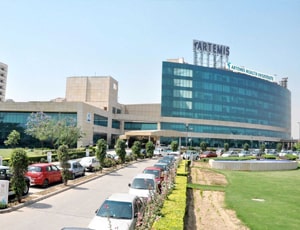
Epilepsy Treatment in Artemis Health Institute: Costs, Top Doctors, and Reviews

Gurgaon, India

3.3 ( 4 Reviews )
  • Joint Commission International, or JCI
  • National Accreditation Board for Hospitals & Healthcare Providers (NABH)

Types of Epilepsy Treatment in Artemis Health Institute and its associated cost

Treatment OptionApproximate Cost Range (USD)Approximate Cost Range (INR)
Epilepsy Treatment (Overall)3436 - 4452273007 - 363808
Antiepileptic Medications33 - 1142768 - 9022
EEG (Electroencephalogram)112 - 3419397 - 27559
MRI (Magnetic Resonance Imaging)223 - 56718303 - 46101
Vagus Nerve Stimulation (VNS)11115 - 22812912999 - 1872474
Epilepsy Surgery5638 - 16653453411 - 1374664
Ketogenic Diet557 - 168947000 - 135902
Neurofeedback110 - 2239193 - 18784
  • Address: Artemis Hospitals, Sector 51, Gurugram, Haryana, India
  • Facilities related to Artemis Health Institute : Mobility Accessible Rooms, TV in room, Religious Facilities, Health Insurance Coordination, Cafe
Epilepsy Treatment in Medanta - The Medicity: Costs, Top Doctors, and Reviews

Gurgaon, India

3.4 ( 1 Reviews )
  • Joint Commission International, or JCI
  • National Accreditation Board for Hospitals & Healthcare Providers (NABH)

Types of Epilepsy Treatment in Medanta - The Medicity and its associated cost

Treatment OptionApproximate Cost Range (USD)Approximate Cost Range (INR)
Epilepsy Treatment (Overall)3432 - 4529271082 - 369048
Antiepileptic Medications33 - 1132753 - 9097
EEG (Electroencephalogram)115 - 3339177 - 28007
MRI (Magnetic Resonance Imaging)230 - 56518834 - 45559
Vagus Nerve Stimulation (VNS)11028 - 22984917107 - 1877837
Epilepsy Surgery5735 - 16757453808 - 1380322
Ketogenic Diet553 - 169746719 - 138861
Neurofeedback114 - 2289281 - 18063
  • Address: Medanta The Medicity, Medicity, Islampur Colony, Sector 38, Gurugram, Haryana, India
  • Facilities related to Medanta - The Medicity: Mobility Accessible Rooms, TV in room, Religious Facilities, Health Insurance Coordination, Cafe
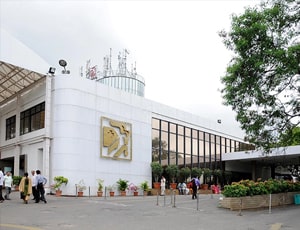
Epilepsy Treatment in Gleneagles Hospital Mumbai: Costs, Top Doctors, and Reviews

Mumbai, India

  • Joint Commission International, or JCI
  • Gleneagles Hospital, Parel, Mumbai, is a premier quaternary-care multispeciality hospital and a top destination for complex medical care in Western India.
  • Renowned for multi-organ transplants and advanced surgeries, the hospital offers specialised treatment across Cardiology, Neurology, Gastroenterology, Hepatology, Nephrology, Urology, Orthopaedics, Critical Care, Interventional Radiology, Gynaecology, and General Medicine.
  • Equipped with state-of-the-art diagnostic and surgical technology, including 3-Tesla MRI, 128-slice CT Scan, Bi-plane Cath Lab, and robotic surgery systems, Gleneagles provides integrated, patient-focused care.
  • Its expert team of doctors, nurses, and support staff ensures high standards of safety, efficiency, and compassionate care, making it a trusted healthcare destination for patients in Mumbai and beyond.
Epilepsy Treatment in Max Super Specialty Hospital, Vaishali: Costs, Top Doctors, and Reviews

Ghaziabad, India

4.9 ( 1 Reviews )
  • National Accreditation Board for Testing and Calibration Laboratories (NABL)
  • National Accreditation Board for Hospitals & Healthcare Providers (NABH)
  • Max Super Speciality Hospital, Vaishali, Ghaziabad, is a leading multi-speciality hospital with 387+ beds and 37+ clinical specialities, offering advanced care in Cardiology, Neuro Sciences, Oncology, Orthopaedics, Transplants, Gastroenterology, and Reconstructive Surgery.
  • Supported by 389+ doctors and 1038+ trained staff, the hospital combines state-of-the-art technology, including robotic surgery and advanced imaging systems, with compassionate, patient-centred care.
  • Accredited by NABH and NABL, Max Vaishali is a trusted destination for both domestic and international patients seeking high-quality, integrated medical services.
Epilepsy Treatment in Max Hospital, Gurgaon: Costs, Top Doctors, and Reviews

Gurgaon, India

  • ISO 9001
  • National Accreditation Board for Hospitals & Healthcare Providers (NABH)

Types of Epilepsy Treatment & Its Cost at Max Hospital, Gurgaon

Treatment OptionApproximate Cost Range (USD)Approximate Cost Range (INR)
Epilepsy Surgery8,000 - 20,000656000 - 1640000

Factors affecting Epilepsy Treatment cost in Max Hospital, Gurgaon

Cost FactorsCost Range (USD)Cost Range (INR)
Doctor Consultation50 - 270/visit4100 - 22140
Diagnostic Tests500 - 2,50041000 - 205000
Video EEG Monitoring1,000 - 3,00082000 - 246000
MRI 200 - 50016400 - 41000
Hospital Stay per Day150 - 400/day12300 - 32800
Anti-epileptic drugs500 - 2,500 (per month)41000 - 205000 (per month)
Physiotherapy Sessions30 - 100/session2460 - 8200
Epilepsy Treatment in Indraprastha Apollo Hospital: Costs, Top Doctors, and Reviews

Delhi, India

4.4 ( 5 Reviews )
  • Joint Commission International, or JCI

Types of Epilepsy Treatment in Indraprastha Apollo Hospital and its associated cost

Treatment OptionApproximate Cost Range (USD)Approximate Cost Range (INR)
Epilepsy Treatment (Overall)3440 - 4501273466 - 370629
Antiepileptic Medications34 - 1122818 - 9279
EEG (Electroencephalogram)111 - 3399166 - 27196
MRI (Magnetic Resonance Imaging)221 - 56818447 - 46543
Vagus Nerve Stimulation (VNS)11035 - 22064932575 - 1814898
Epilepsy Surgery5744 - 16627471199 - 1382828
Ketogenic Diet563 - 171745910 - 139672
Neurofeedback115 - 2219074 - 18596
  • Address: Indraprastha Apollo Hospitals, Mathura Road, Sarita Vihar, New Delhi, Delhi, India
  • Facilities related to Indraprastha Apollo Hospital: Post operative followup, Mobility Accessible Rooms, Online Doctor Consultation, Air Ambulance, Religious Facilities
Epilepsy Treatment in Apollo Hospitals: Costs, Top Doctors, and Reviews

Hyderabad, India

  • Joint Commission International, or JCI

Types of Epilepsy Treatment in Apollo Hospitals and its associated cost

Treatment OptionApproximate Cost Range (USD)Approximate Cost Range (INR)
Epilepsy Treatment (Overall)3429 - 4516281145 - 362370
Antiepileptic Medications33 - 1122743 - 9285
EEG (Electroencephalogram)113 - 3449083 - 27798
MRI (Magnetic Resonance Imaging)224 - 55518419 - 45940
Vagus Nerve Stimulation (VNS)11077 - 22893941484 - 1848727
Epilepsy Surgery5642 - 17054460608 - 1364979
Ketogenic Diet570 - 167045529 - 139748
Neurofeedback111 - 2259388 - 18770
  • Address: Apollo Hospitals Jubilee Hills, Film Nagar, Hyderabad, Telangana, India
  • Facilities related to Apollo Hospitals: Post operative followup, Mobility Accessible Rooms, Online Doctor Consultation, Air Ambulance, Religious Facilities
Epilepsy Treatment in Star Hospitals: Costs, Top Doctors, and Reviews

Hyderabad, India

  • National Accreditation Board for Hospitals & Healthcare Providers (NABH)
  • National Accreditation Board for Testing and Calibration Laboratories (NABL)

Types of Epilepsy Treatment in Star Hospitals and its associated cost

Treatment OptionApproximate Cost Range (USD)Approximate Cost Range (INR)
Epilepsy Treatment (Overall)2783 - 3778232787 - 310718
Antiepileptic Medications28 - 952320 - 7701
EEG (Electroencephalogram)92 - 2857621 - 23309
MRI (Magnetic Resonance Imaging)185 - 46815155 - 38450
Vagus Nerve Stimulation (VNS)9295 - 18463759637 - 1524013
Epilepsy Surgery4735 - 14081379451 - 1154441
Ketogenic Diet470 - 140538248 - 116321
Neurofeedback93 - 1857574 - 15249
  • Address: Star Hospitals, Banjara Hills, Hyderabad, Telangana, India
  • Facilities related to Star Hospitals: Mobility Accessible Rooms, Rehabilitation, Religious Facilities, TV in room, Cafe
Epilepsy Treatment in Sterling Wockhardt Hospital: Costs, Top Doctors, and Reviews

Mumbai, India

  • National Accreditation Board for Testing and Calibration Laboratories (NABL)

Types of Epilepsy Treatment in Sterling Wockhardt Hospital and its associated cost

Treatment OptionApproximate Cost Range (USD)Approximate Cost Range (INR)
Epilepsy Treatment (Overall)3054 - 4048250839 - 332059
Antiepileptic Medications30 - 1012494 - 8316
EEG (Electroencephalogram)102 - 3058320 - 24879
MRI (Magnetic Resonance Imaging)203 - 50616690 - 41439
Vagus Nerve Stimulation (VNS)10132 - 20293831666 - 1669226
Epilepsy Surgery5085 - 15201417349 - 1253616
Ketogenic Diet507 - 152441758 - 125067
Neurofeedback102 - 2038353 - 16654
  • Address: Sterling Wockhardt Hospital, Sion - Panvel Expressway, Sector 7, Vashi, Navi Mumbai, Maharashtra, India
  • Facilities related to Sterling Wockhardt Hospital : Mobility Accessible Rooms, Rehabilitation, Religious Facilities, TV in room, Cafe

Need Some Advice From Our Experts?

Request a Call Back Now!

Our team of healthcare experts would be happy to assist you

trusted Patientstrusted Patients+99
Trusted by 50000+ Patients
Required | alphabets and spaces
Required | A valid, working email address
Required | A valid contact

Process Involved for Epilepsy Treatment in India

  • Consultation with a Neurologist: Initial evaluation and diagnosis of epilepsy type and seizure frequency.
  • Neurological & Psychological Assessments: Detailed neurological examination.
  • Brain Imaging (MRI/CT Scans): To identify the seizure focus (area of the brain where seizures originate).
  • Electroencephalogram (EEG): To monitor brain wave activity and identify seizure patterns.
  • Informed Consent: Detailed explanation of treatment options, surgery (if applicable), and associated risks.
  • Drug-Resistant Epilepsy
  • Focal Seizures
  • Generalised Seizures
  • Seizures due to brain injury, tumours, or other neurological conditions.
  • Failure to respond to at least two anti-epileptic medications is known as drug-resistant epilepsy.
  • Regular seizures interfere with day-to-day functioning.
  • Suitable candidates for cutting-edge treatments or surgery.
  • Improved Seizure Control (fewer or no seizures)
  • Improved Quality of Life
  • Reduced Dependence on Medications
  • Minimal Side Effects
  • Enhanced Cognitive Function
  • Neurologist
  • Neurosurgeon
  • Psychiatrist
  • Fill out the inquiry form: Fill out the form to provide us with the relevant information about your condition.
  • Consult with Our Healthcare Expert: One of our qualified specialists will contact you for a consultation.
  • Receive a Detailed Treatment Plan: After examining your situation, we will provide you with a detailed treatment plan that includes expert views and cost breakdowns for various choices.
  • Choose your preferred option: Choose the treatment option that suits you the best.

Instantly Connect with our Epilepsy Treatment Specialists

Doctor 1
Doctor 2
Doctor 3
Doctor 4
Doctor 5
Doctor 6
Doctor 7
Doctor 8
Our Services to Better your Experience

Opinion & Option

We submit the most accurate opinion and options from one or more countries for your review

Consult Privately

Consult with a certified specialist privately on our telemedicine platform even before you decide to travel

Logistics

We handle flights, visas, transfers, and accommodation—so you can focus on your health.

Recovery

Our In-house rehabilitation service packages to better your recovery and treatment outcome

Other Popular Countries for Epilepsy Treatment

Our network connects you with the leading medical tourism destinations globally, offering a wide range of cities, top doctors, and flexible pricing options.

United Kingdom
Turkey
United Arab Emirates
Thailand

Frequently Asked Questions

The cost of Epilepsy Treatment in India starts from $2000. NABH, JCI are just some of the accreditations which top hospitals in India hold where a Epilepsy Treatment is conducted.

The cost of Epilepsy Treatment in India may differ from one medical facility to the other. The cost quoted by some of the best hospitals for Epilepsy Treatment in India generally covers the pre-surgery investigations of the patient. Typically, the package cost of Epilepsy Treatment in India includes the expenses related to the surgeon's fee, anesthesia, hospital, meals, nursing and ICU stay. A prolonged hospital stay due to delayed recovery, new diagnosis and complications after surgery may increase the cost of Epilepsy Treatment in India.

Epilepsy Treatment in India is offered by multiple hospitals across the country. The following are some of the most renowned hospitals for Epilepsy Treatment in India:

  1. Max Super Speciality Hospital, Patparganj
  2. IBS Hospital
  3. Sarvodaya Hospital
  4. Max Super Specialty Hospital, Vaishali
  5. Metro Hospital
  6. Manipal Hospital Dwarka

The recovery of the patient many vary, depending on several factors. However, on an average, patient is supposed to stay for about 21 days in the country after discharge. This duration of stay is recommended to complete all the necessary follow-ups and control tests to ensure that the surgery was successful.

There are certain additional cost that the patient has to pay apart from the Epilepsy Treatment cost. The extra charges may start from USD 50 per person.

There are many cities that offer Epilepsy Treatment in India, including the following:

  • Noida
  • Mumbai
  • Gurugram
  • New Delhi
  • Bangalore
  • Chennai
  • Hyderabad

There are several doctors who are available for telemedicine consultation for patients requiring Epilepsy Treatment in India. The following are some of the best doctors for Epilepsy Treatment in India who are available for video consultation:

DoctorCostSchedule Your Appointment
Dr. P K SachdevaUSD 35Schedule Now
Dr. Pawan GargUSD 18Schedule Now
Dr. Mukesh PandeyUSD 14Schedule Now
Dr. Sanjay Kumar ChoudharyUSD 35Schedule Now
Dr. Ritu JhaUSD 14Schedule Now

The patient has to spend about 3 days in the hospital after Epilepsy Treatment for proper recovery and to get clearance for discharge. The doctors team review the patient's recovery during this time with the help of blood tests and imaging scans. Once they feel that everything is on track, the patient is discharged.

The average rating for Epilepsy Treatment hospitals in India is 3.9. This rating is automatically calculated on the basis of several parameters such as the infrastructure of the hospital, quality of services, nursing support and other services.

There are more than 6 hospitals that offer Epilepsy Treatment in India. These hospitals have proper infrastructure for the treatment of patients who require kidney transplant. Apart from good services, the hospitals are known to follow all standard and legal guidelines as dictated by the local medical affairs body or organization.

Some of the top doctors for Epilepsy Treatment in India are:

  1. Dr. S K Rajan

Epilepsy surgery is a brain surgery in which a part of the brain is removed to stop or limit the number of seizures or their severity. The electrical activity between the nerve cells in your brain can suddenly spike during seizures, which can change:

  • Awareness
  • skeletal control (your muscles may twitch or jerk)
  • Sensations
  • Emotions
  • Behavior

In about half of those who have epilepsy, there is no known cause. The condition can be linked to a number of things in the other half, such as:

  • Genetic predisposition: Some forms of epilepsy, which can be divided into groups based on the type of seizure you have or the area of the brain that is impacted, run in families. There is probably a genetic component in these situations.
  • Genetics: While some epilepsy types have been linked to particular genes by researchers, for the majority of people, genes account for only a portion of the disease's causes.
  • Brain injury: Epilepsy may result from head trauma from a car accident or another traumatic injury.
  • Abnormal brain function: Epilepsy can be brought on by abnormalities in the brain, such as brain tumors or vascular anomalies like arteriovenous malformations (AVMs) and cavernous malformations. The leading cause of epilepsy in adults over the age of 35 is stroke.
  • Infections: Epilepsy can be brought on by meningitis, HIV, viral encephalitis, and some parasitic infections.
  • Birth injury: Babies are vulnerable to brain damage before birth, which can be brought on by a number of things, including a mother's infection, inadequate nutrition, or oxygen deprivation. Epilepsy or cerebral palsy may be the result of this brain damage.
  • Developmental disorders: Developmental disorders like autism and epilepsy can sometimes coexist.

Epilepsy occurs due to abnormal brain activity. When seizures take place they can affect brain processes and coordination. The signs and symptoms of epilepsy include:

  • Temporarily feeling confused
  • Staring spell
  • Muscle stiffness
  • Jerking movements of arms and legs that are uncontrollable 
  • Loss of consciousness and awareness
  • Other psychological signs like deja vu, fear, and anxiety

There are several tests available to diagnose and determine if you have epilepsy. Initially, the doctor will take down your medical history and review your signs and symptoms. The diagnostic tests may include:

  • A neurologic test in which the doctor will check your motor abilities, mental function, behavior, and other areas to find out the type of epilepsy you have.
  • Blood tests to determine any signs of infections, genetic conditions, and other issues that may be associated with seizures.
  • Electroencephalogram
  • High-density ECG
  • Computed Tomography (CT)
  • Positron emission tomography (PET)
  • Single-photon emission computerized tomography (SPECT)
  • Functional MRI (fMRI)
  • Statistical parametric mapping (SPM)
  • Electrical source imaging (ESI)
  • Magnetoencephalography (MEG)

The success rate i.e. the chances of eliminating epilepsy permanently in India are estimated to be 70%. The outcomes of the treatment vary depending on the approach and type of treatment performed. The first step used to control seizures is medications. If it doesn’t work, then only the doctor may recommend a surgical procedure. Resection of tissues in the temporal lobe is the most effective way of achieving seizure-free outcomes in about two-thirds of the population. According to various reports, when a patient is on anti-seizure medications and shows no signs of seizures in the first year after a temporal lobe surgery, they have a high chance (87% -90%)of being seizure free for up to 2 years. If the patient shows no seizures in two years, the chances of being seizure-free are 95% after 5 years and 82% after 10 years.

The medications given for epilepsy may have certain side effects. They include:

  • Weight gain
  • Loss of bone density
  • Skin rashes
  • Loss of coordination
  • Fatigue
  • Dizziness
  • Speech problems
  • Memory and cognitive issues

Some rare and severe side effects may include:

  • Severe rash
  • Depression
  • Suicidal thoughts and behaviors
  • Inflammation of certain organs, such as your liver

There are many treatment options available for epilepsy. The most common and preferred treatment option for epilepsy is anti-seizure medications also known as anti-epileptic medications. It proves to be effective in most cases and helps people recover from epilepsy. In other cases, it is successfully able to reduce the frequency of seizures with help of combination medicines. Surgery may be an option when medications fail to provide adequate control over seizures. During an epilepsy surgery, your surgeon will remove an area of your brain that's responsible for seizures.

In some cases, minimally invasive approaches such as MRI-guided stereotactic laser ablation may work, in other cases, open surgery or other alternatives may be suggested. Some of the alternative treatments to medications and surgery include:

  • Vagus nerve stimulation
  • Ketogenic diet
  • Deep brain stimulation
  • Responsive neurostimulation

Yes, you can drive with epilepsy, however, you have to follow the state driving regulations and guidelines and visit your doctor for regular follow-ups. For people who have been free of seizure for about a year, driving is allowed.

Children who have epilepsy are more likely to experience issues being attentive in the classroom, learning disabilities, and other cognitive deficiencies, such as memory or problem-solving difficulties. The same underlying brain issue is frequently what causes both seizures and cognitive issues. In some cases, the seizures themselves can have an effect on how the brain develops, especially in children who experience seizures frequently. Although anti-seizure medications are crucial, occasionally they can have negative effects on attention or thinking speed. For some kids, having seizures can also interfere with their ability to sleep, go to school, and concentrate during the school day.

Author

Dr. Abdullah Rahil

MPT (Neuro)

5 Years of Experience

Dr. Abdullah Rahil, M.P.T. (Neurology), is a dedicated physiotherapy professional specializing in orthopedic, neurological, and musculoskeletal rehabilitation. With strong clinical expertise, he focuses on improving patient mobility, reducing pain, and restoring functional independence through evidence-based rehabilitation techniques. He is skilled in advanced therapeutic approaches that support effective rehabilitation and recovery for a wide range of musculoskeletal and neurological conditions, focusing on improving mobility, reducing pain, and restoring functional independence. Dr. Rahil has extensive experience managing diverse rehabilitation cases. His patient-centered approach emphasizes personalized treatment plans, continuous assessment, and comprehensive rehabilitation to achieve optimal recovery outcomes. . View More

Reviewer

⁠Dr Rakesh Kumar Dua

Spine & Neurosurgeon

25 Years of Experience

Dr. Rakesh Dua has more than 25+ years of clinical experience in spine surgeries. He is currently providing his services as Director, Neuro & Spine Surgery at Fortis Hospital, Shalimar Bagh. Before joining Fortis Hospital, he was associated with Max super-specialist Hospital, Shalimar Bagh as Director Neurosurgery & Head Neuro Spine, and with UCMS & GTB hospital as head of the neurosurgery department. View More