Your Notifications
All done, no notifications

Cost of Lumbar Decompression Worldwide

Costs starts from Get a Quote
Filters

Lumbar Decompression is a surgical procedure performed to relieve nerve pressure in the lower back. This pressure is typically caused by spinal problems, such as disc bulges or narrowed spinal spaces. The primary goal is to alleviate leg pain, tingling, or weakness.

During the operation, the surgeon removes a small piece of bone or tissue that is pressing on the nerves. The surgery is performed while the patient is fully asleep under general anaesthesia.

Depending on their health status, patients typically stay in the hospital for one to two days after surgery. Recovery involves rest, gentle movement, and physical therapy to support the healing. Process. Many patients notice relief from symptoms as they recover. Healing time can vary depending on an individual's overall health and the severity of the issue before surgery.

Lumbar decompression surgery is performed to relieve pressure on spinal nerves in the lower back caused by conditions like spinal stenosis, herniated discs, or spondylolisthesis. It aims to reduce symptoms such as pain, numbness, and weakness in the lower body, restore mobility, and prevent further nerve damage by creating more space around the affected nerves.

Consult a spine specialist if you experience:
  • Chronic lower back pain
  • Leg pain, numbness, or tingling (sciatica)
  • Muscle weakness in the legs or feet
  • Difficulty walking or standing for long periods
  • Loss of bowel or bladder control (requires immediate medical attention)
If these symptoms don’t improve with conservative treatments like physiotherapy, medications, or injections, surgery such as lumbar decompression may be recommended.

Preparation typically includes:
  • Physical examination and neurological assessment
  • Imaging tests such as MRI, CT scan, or X-rays to identify the compression site
  • Review of medications, particularly blood thinners, which may need to be paused
  • Fasting for 6–8 hours before surgery
  • Preoperative clearance from your primary physician or cardiologist (if required)
  • Discussion of allergies, surgical risks, and expected outcomes with your surgeon
You should also plan for post-surgical care, including assistance at home during the early recovery period.

The procedure is performed under general anaesthesia and may involve one or more of the following techniques:
  • Laminectomy: Removal of part of the vertebral bone (lamina) to widen the spinal canal and relieve pressure.
  • Discectomy: Removal of part of a herniated disc pressing on a nerve.
  • Foraminotomy: Widening the opening where nerve roots exit the spinal canal.
  • Spinal fusion (if needed): Fusing two or more vertebrae to stabilise the spine.
The surgery is usually done through a small incision in the lower back, using minimally invasive techniques when appropriate.

Lumbar decompression surgery typically lasts between 1 and 3 hours, depending on the complexity and the number of vertebrae involved. Hospital stays usually range from 1 to 3 days, although some patients may be discharged the same day if the surgery is minimally invasive.

Like any surgical procedure, lumbar decompression carries potential risks, including:
  • Infection
  • Bleeding
  • Nerve damage
  • Spinal fluid leak
  • Blood clots
  • Recurrent or residual pain
  • Reaction to anaesthesia
  • Spinal instability, which may require future fusion surgery
The overall complication rate is low when performed by experienced surgeons.

  • Relief from nerve compression significantly reduces leg pain and sciatica.
  • Improved mobility and physical function
  • Enhanced quality of life and independence
  • May prevent worsening nerve damage
  • Minimally invasive options can reduce hospital stay and speed up recovery
  • Effective in cases where non-surgical treatment fails
Many patients regain the ability to walk farther and stand longer with significantly less pain.

  • Patients are encouraged to walk as soon as possible after surgery.
  • Mild back soreness and incision pain are common and managed with medication.
  • Light activities may resume within 2 to 4 weeks.
  • Full recovery typically occurs over 6 to 12 weeks, depending on the individual and the procedure.
  • Avoid heavy lifting, bending, or twisting during early recovery
  • Physiotherapy may be prescribed to rebuild strength and flexibility
  • Regular follow-ups are essential to monitor healing and long-term outcomes

Lumbar decompression has a high success rate, with 70–90% of patients experiencing significant relief from leg pain and improvement in mobility. Outcomes are best in individuals with clearly defined nerve compression and who follow post-operative care guidelines diligently.

Would you like some help? We are available.

Get Help
Explore Hospitals ( 221 )
Lumbar Decompression in Parkway Pantai: Costs, Top Doctors, and Reviews

Kuala Lumpur, Malaysia

  • Joint Commission International, or JCI

Parkway Pantai located in Kuala Lumpur, Malaysia is accredited by JCI. Also listed below are some of the most prominent infrastructural details:

  • Capacity of 335 beds
  • 200+ specialist Doctors
  • Critical Care Unit
  • Neonatal Intensive Care Unit
  • Operating Theatre
  • International Patient Care Center
  • Types of rooms available- Premier Suite, Supreme Suite, Deluxe Single Room, 2-bedded room, 4-bedded room, Deluxe Suite, Premier Single room, and Supreme Single room
Lumbar Decompression in Memorial Ankara Hospital: Costs, Top Doctors, and Reviews

Ankara, Turkey

  • Joint Commission International, or JCI

Memorial Ankara Hospital located in Ankara, Turkey is accredited by JCI. Also listed below are some of the most prominent infrastructural details:

  • Covers an area of 42,000 sqm of closed area
  • Capacity of 230 beds (60 intensive care units
  • 11 Operating rooms
  • 63 Polyclinics
  • Technologies used by the Hospital are PET/CT, Endosonography-EUS, Elekta Versa HD Signature, etc.
  • Besides the patient rooms and suites where any needs and luxuries of the patients and their relatives are considered, Memorial also has rooms for dissable patients, where all details are designed specially
Lumbar Decompression in Artemis Health Institute: Costs, Top Doctors, and Reviews

Gurgaon, India

3.3 ( 4 Reviews )
  • Joint Commission International, or JCI
  • National Accreditation Board for Hospitals & Healthcare Providers (NABH)

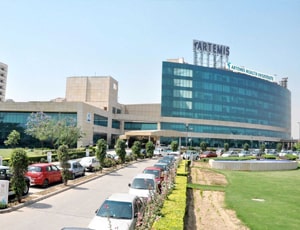
Artemis Hospital, established in 2007 in Gurgaon, India, is a 750+ bed, state-of-the-art multi-speciality hospital and the first in Gurgaon accredited by JCI and NABH. A flagship of the Apollo Tyres Group, it offers advanced care across cardiology, oncology, orthopaedics, neurology, and transplant medicine, supported by modern infrastructure and 60+ world-class operating theatres. Its Centres of Excellence span critical areas like heart, cancer, neurosciences, orthopaedics, and women & child care. Guided by values of Service, Compassion, and Integrity, Artemis combines innovation, technology, and affordability, making it a trusted international healthcare destination for comprehensive and compassionate patient care.

Lumbar Decompression in Gleneagles Hospital: Costs, Top Doctors, and Reviews

Singapore, Singapore

  • Joint Commission International, or JCI

Gleneagles Hospital, located on Napier Road in Singapore, is a leading private healthcare institution offering comprehensive medical services and advanced clinical care. With 221 beds and a strong team of medical specialists, the hospital holds the Singapore Quality Class certification for excellence in healthcare. Its state-of-the-art facilities include ICU, HDU, NICU, Urgent Care Centre, operating theatres, radiology, endoscopy, laboratories, and rehabilitation units. Gleneagles specializes in orthopaedics, oncology, women’s health, and gastroenterology, offering tailored programs for cancer, bone, and gut health. With modern maternity packages and patient-friendly rooms, the hospital ensures compassionate, high-quality care focused on safety, comfort, and recovery.

Lumbar Decompression in International St. Mary's Hospital: Costs, Top Doctors, and Reviews

Seoul, South Korea

  • Joint Commission International, or JCI

International St. Mary's Hospital located in Seoul, South Korea is accredited by JCI. Also listed below are some of the most prominent infrastructural details:

  • 3 Basements and 5 Floors Building
  • International Healthcare Center
  • Korean Traditional Medicine Hospital
  • Hybrid Operation Theatres
  • Conference Rooms
  • Seminar Rooms
  • Auditorium
  • Intensive Care Units
  • Hospice ward
  • Chapel
  • Emergency Medical Center
  • Pathology
  • Outpatient Pharmacy
  • 15 Professional Treatment Centers
  • 35 Clinical Departments
  • Transplant Centers
  • Admission & Discharge Center
  • Counseling office
  • Convenience Store
  • Animal Laboratories
  • Parking in basement
  • Food court for patients & visitors
  • Coffee Shop
  • Free Wi-fi is available throughout the Hospital premises
Lumbar Decompression in Sunway Medical Centre: Costs, Top Doctors, and Reviews

Kuala Lumpur, Malaysia

  • The Australian Council on Healthcare Standards (ACHS)

Sunway Medical Centre has initiated a comprehensive expansion plan close to its current hospital facility to enhance its ability to provide services to the global market. The new Cancer Radiosurgery Center and Nuclear Medicine Center, which will also house additional Centers of Excellence like the Digestive Health Center and Dialysis Center, marked the completion of Tower C's first phase in October 2016.

Lumbar Decompression in Bangpakok 9 International Hospital: Costs, Top Doctors, and Reviews

Bangkok, Thailand

  • Joint Commission International, or JCI

Bangpakok 9 International Hospital located in Bangkok, Thailand is accredited by JCI. Also listed below are some of the most prominent infrastructural details:

  • It would be prudent to summarise the Medical Services provided at the Bangpakok 9 International Hospital (BPK 9), Bangkok, Thailand:
  • Cosmetic Dentistry
  • Dental Implants
  • Electrocardiogram (EKG or ECG)
  • Exercise Stress Test
  • Health Screening
  • Laser Vagina Firming
  • Pediatric Physical Therapy
  • Perfect Slim by Vela II
  • Physical Therapy for Musculoskeletal
  • Prosthodontics
  • The Medical Services are also inclusive of the International Patient Services such as the ones listed here:
  • Thai, English, French, Arabic, Chinese, Myanmar, Cambodia, Bangladeshi, Bahasa and Tagalog are the languages in which there are Translation services available for International Patients.
  • Visa extension related assistance
  • International health insurance related assistance
  • Embassy and international organizations related assistance
  • A variety of meals of choice for International Patients
  • Email consultation services
  • Transfer to either airport and/or hotels
  • Prayer room
  • Four different types of rooms are available such as Deluxe room, two kinds of suites, and a VIP suite.
  • Hospital facilities like The Coffee shop, Food Hall, Cafe and Medical Spa.
  • Complete health and safety protocols are maintained in the various Medical Centers some of whom are as follows:
  • Aesthetic Center
  • 24 Hour Emergency Center
  • Allergy Center
  • Breast Center
  • bSmart Center
  • Checkup Center
  • Dental Center,
  • Happy Long Life Center
  • Medical Fitness Center
  • Psychiatric Center
  • Rehabilitation Center
  • Sleep Disorders Center
Lumbar Decompression in Aster DM Healthcare: Costs, Top Doctors, and Reviews

Dubai, United Arab Emirates

1.0 ( 1 Reviews )
  • Joint Commission International, or JCI
  • National Accreditation Board for Hospitals & Healthcare Providers (NABH)

Aster DM Healthcare located in Dubai, United Arab Emirates is accredited by JCI. Also listed below are some of the most prominent infrastructural details:

  • Aster Hospital Dubai has 114 bed capacity
  • Comprehensively fitted operating theaters are 5 in number
  • Intensive Care Units (ICU) are also 5 in number and they also include an Isolation unit, Neonatal Intensive Care Unit bed capacity is 8 with an Isolation unit present
  • Three kinds of rooms for all requirements such as twin sharing rooms, single rooms and VIP rooms
  • Mother and child friendly hospital with Labor room, delivery suites, and a Nursery
  • Unit dedicated to Day Surgery
  • Fully equipped Dialysis Unit
Lumbar Decompression in Medipol Bahçelievler Hospital: Costs, Top Doctors, and Reviews

Istanbul, Turkey

  • Joint Commission International, or JCI

Medipol Bahcelievler Hospital is a medical institution providing a full range of medical and individualized approaches to its patients. Medipol has the ambition to bring high quality and maximum security to people in need by employing state-of-the-art technologies in medicine. They ensure that the health of the patients is improved by fashioning unique physician specialty treatment programs.

Medipol Bahcelievler Hospital provides an exceptional position in the healthcare industry with a policy of clear communication, professionalism, and reliability to patient expectations. Medipol Bahçelievler Hospital is situated in the European Side of Istanbul, dedicated to 24-hour health care for you and your loved ones, equipped with a fully functional operation theatre and ICUs with state-of-the-art equipment, laboratory, emergency, and advanced treatment rooms

Lumbar Decompression in Medanta - The Medicity: Costs, Top Doctors, and Reviews

Gurgaon, India

3.4 ( 1 Reviews )
  • Joint Commission International, or JCI
  • National Accreditation Board for Hospitals & Healthcare Providers (NABH)

Medanta – The Medicity, Gurugram, founded by renowned cardiac surgeon Dr. Naresh Trehan, is a leading multi-super speciality hospital offering advanced yet affordable healthcare. Spread across a 43-acre campus, it houses 1,391 beds, 270 ICU beds, 40 operation theatres, and 900+ doctors across 30+ specialities. Accredited by JCI, NABH, and NABL, Medanta is designed per American Institute of Architects’ healthcare guidelines. Recognised as the Best Private Hospital in India (2020–2025) and among the World’s Top 250 Hospitals (Newsweek 2024), it excels in Cardiac Care, Cancer, Neurosciences, Gastro, Orthopaedics, and Renal Care, ensuring world-class, collaborative, and compassionate treatment.

Need Some Advice From Our Experts?

Request a Call Back Now!

Our team of healthcare experts would be happy to assist you

trusted Patientstrusted Patients+99
Trusted by 50000+ Patients
Required | alphabets and spaces
Required | A valid, working email address
Required | A valid contact

Process Involved for Lumbar Decompression

  • Medical Evaluation: The doctor assesses your symptoms and medical history, and may order tests such as X-rays, MRIs, or CT scans to determine the cause of the problem.
  • Pre-Surgery Preparation: You may be asked to discontinue certain medications, fast before surgery, and undergo health checks to ensure you’re ready for the procedure.
  • Surgical Procedure: During surgery, the doctor removes the part of the bone or tissue that’s pressing on the nerves in your lower spine.
  • Hospital Recovery: After surgery, you’ll be monitored in the hospital. Most patients stay for 1 to 3 days, depending on their level of comfort and the type of surgery they undergo.
  • Post-Surgery Care at Home: Once you return home, you’ll be given instructions on how to rest, manage pain, and gradually resume your daily activities.
  • Rehabilitation and Physiotherapy: Gentle exercises may be recommended to help strengthen your back, improve mobility, and support a smooth recovery.
  • Herniated Disc: A disc in the lower back may bulge or move out of place, pressing on nerves and causing pain or tingling. Lumbar decompression helps by easing that pressure.
  • Spinal stenosis occurs when the space around the spinal cord becomes narrow, thereby squeezing the nerves. This surgery helps by making more room for the nerves to pass freely.
  • Sciatica (Compressed Nerve Root): When a nerve in the lower back is trapped or irritated, it can cause pain that travels down one leg. Decompression surgery helps free the nerve.
  • Degenerative Disc Changes: As we age, the discs that cushion the bones in the spine can become thinner or more susceptible to damage. This may lead to nerve pressure, and lumbar decompression helps ease that pressure to reduce pain.
  • Spondylolisthesis: In this condition, a spinal bone may shift out of its usual place and press on nearby nerves. The surgery helps release the nerve and ease related discomfort.
  • Spinal Tumours: A growth near the spine can press on nerves or the spinal cord. Decompression surgery helps lower that pressure and ease the symptoms.
  • Bone Overgrowth (Bone Spurs): Excessive bone growth may occur around the spine, potentially pressing on nerves. Surgery removes the extra bone to reduce nerve pain.
  • Cauda Equina Compression: In rare cases, the nerves at the base of the spine become compressed. Emergency decompression is necessary to prevent permanent damage.
  • Anaesthesia: The surgery begins with the administration of general anaesthesia, which induces a deep sleep, allowing the patient to remain pain-free during the procedure.
  • Patient Setup: The patient is gently positioned on their stomach to allow easy access to the lower part of the spine.
  • Sterilisation of the Area: The skin on the lower back is cleaned with an antiseptic solution and covered with sterile sheets to prevent infection.
  • Surgical Opening: A small cut is made in the lower back to reach the compressed area of the spine.
  • Removal of Pressure: The surgeon carefully removes a small part of the bone, disc, or ligament that is pressing on the nerves.
  • Creating Space for Nerves: Once the blocked area is cleared, the nerve roots have more room, which helps ease pain and improve function.
  • Closing the Cut: The incision is closed using stitches or surgical clips, and a clean dressing is applied to protect the area.
  • Post-Surgery Observation: After surgery, the patient is transferred to a recovery room, where medical staff carefully monitor their breathing, heartbeat, and overall condition as they recover.
  • Spinal Fusion
  • Discectomy
  • Laminectomy
  • Foraminotomy
  • Microdiscectomy
  • Endoscopic Spine Surgery
  • Physical Therapy (Post-surgery)
  • Less leg and back pain: The surgery helps take pressure off the nerves, which reduces pain in your lower back and legs.
  • Easier walking and movement: After recovery, most people find it easier to walk, stand, and move around without pain or stiffness.
  • Better sleep and comfort: With less pain, you can sleep more soundly and feel more comfortable in your daily life.
  • Less need for painkillers: Since the pain goes down, many people don’t need to take as many pain medicines after surgery.
  • Improved quality of life: You can enjoy your day, return to work, or do simple things like playing or walking without pain holding you back.
  • Helps avoid nerve damage: By removing the pressure from nerves, the surgery helps protect them from long-term harm.
  • Faster return to everyday life: Most people recover well and can gradually resume their routine.
False
  • Please complete the form to provide us with relevant information about your condition.
  • Consult with Our Healthcare Expert: One of our qualified specialists will contact you for a consultation.
  • Receive a Detailed Treatment Plan: After examining your situation, we will provide you with a detailed treatment plan that includes expert opinions and a cost breakdown for various options.
  • Select your preferred option: Choose the therapy option that best suits your needs.
  • Seamless Organisation: We will manage all the details, including visas, flights, accommodations, and transfers, for a stress-free journey.

Instantly Connect with our Lumbar Decompression Specialists

Doctor 1
Doctor 2
Doctor 3
Doctor 4
Doctor 5
Doctor 6
Doctor 7
Doctor 8
Our Services to Better your Experience

Opinion & Option

We submit the most accurate opinion and options from one or more countries for your review

Consult Privately

Consult with a certified specialist privately on our telemedicine platform even before you decide to travel

Logistics

We handle flights, visas, transfers, and accommodation—so you can focus on your health.

Recovery

Our In-house rehabilitation service packages to better your recovery and treatment outcome

Author

Dr. Shagufta Parveen

Doctor of Pharmacy

3 Years of Experience

Dr. Shagufta Parveen is a Clinical researcher and medical writer with expertise in clinical pharmacology and pharmacotherapeutics. She holds a B.Pharm and Doctor of Pharmacy (Post-Baccalaureate) degree from Teerthanker Mahaveer University, Moradabad.

During her clinical stint at BLK-Max Super Speciality Hospital and Indraprastha Apollo Hospital, she gained hands-on experience in the Clinical Pharmacology Department. Combining scientific knowledge with strong medical writing skills, Dr. Shagufta develops evidence-based healthcare content, treatment guides, and patient education resources.

Her work focuses on simplifying complex medical concepts while maintaining scientific accuracy, helping readers better understand healthcare advancements and treatment options.

In addition to her writing expertise, she is actively involved in scientific research and has contributed to peer-reviewed publications.

Her research work is accessible through the following links:

https://scholar.google.com/citations?user=lMVK1eIAAAAJ&hl=en

https://carcinogenesis.com/index.php/JOC/article/view/870

https://carcinogenesis.com/index.php/JOC/article/view/868

https://wjpsronline.com/abstract/0000000760

. View More

Reviewer

⁠Dr Rakesh Kumar Dua

Spine & Neurosurgeon

25 Years of Experience

Dr. Rakesh Dua has more than 25+ years of clinical experience in spine surgeries. He is currently providing his services as Director, Neuro & Spine Surgery at Fortis Hospital, Shalimar Bagh. Before joining Fortis Hospital, he was associated with Max super-specialist Hospital, Shalimar Bagh as Director Neurosurgery & Head Neuro Spine, and with UCMS & GTB hospital as head of the neurosurgery department. View More

Last Reviewed - January 2026