Your Notifications
All done, no notifications

Keyhole Spine Surgery Cost in Bangalore

Costs starts from USD7500 to USD12000
Filters

Cost of Keyhole Spine Surgery in Major cities of India

CityMinimum Cost (USD)Minimum Cost (INR)Maximum Cost (USD)Maximum Cost (INR)
AhmedabadUSD 6750578070USD 10800924912
BangaloreUSD 7500642300USD 120001027680
ChennaiUSD 7500642300USD 120001027680
DelhiUSD 7500642300USD 120001027680
FaridabadUSD 7500642300USD 120001027680
GhaziabadUSD 7500642300USD 120001027680
GurgaonUSD 7500642300USD 120001027680
GurugramUSD 7500642300USD 120001027680
HyderabadUSD 7500642300USD 120001027680
KochiUSD 7500642300USD 120001027680
KolkataUSD 7500642300USD 120001027680
MohaliUSD 6750578070USD 10800924912
MumbaiUSD 7500642300USD 120001027680
NoidaUSD 7500642300USD 120001027680
PanjimUSD 6750578070USD 10800924912
PuneUSD 6750578070USD 10800924912

Need Help Planning Your Treatment Abroad?

Your 24/7 AI Health Assistant

Keyhole spine surgery, also known as minimally invasive spine surgery, is a modern technique that treats spinal conditions through small incisions. It uses specialised tools and real-time imaging to access the spine with minimal disruption to surrounding muscles and tissues.

This procedure is commonly used for herniated discs, spinal stenosis, or nerve compression. Patients typically experience less pain, reduced blood loss, shorter hospital stays, and faster recovery compared to traditional open surgery.

Keyhole spine surgery is performed under general anaesthesia and often requires only a few stitches. It offers a safer alternative with excellent long-term outcomes when performed by experienced spine surgeons.

Keyhole spine surgery, also known as minimally invasive spine surgery (MISS), is performed to treat various spinal conditions with reduced trauma to muscles and tissues. It is often used to address herniated discs, spinal stenosis, spinal instability, degenerative disc disease, or to remove tumours and infections. The procedure minimises incision size and recovery time while aiming to relieve chronic back pain, leg pain, or nerve compression. It may also be recommended when conservative treatments like physical therapy or medications have failed to provide relief.

You should consult a spine specialist if you experience any of the following symptoms:
  • Persistent or worsening back or neck pain
  • Radiating pain into the arms or legs
  • Numbness, tingling, or weakness in limbs
  • Difficulty walking or balancing
  • Loss of bladder or bowel control (a medical emergency)
These may signal severe spinal conditions that may require imaging studies and possibly surgical intervention, such as keyhole spine surgery.

Preparation typically includes:
  • A detailed physical examination
  • MRI, CT scans, or X-rays to localise the spinal issue
  • Review of current medications, especially blood thinners, which may need to be paused
  • Fasting for 6–8 hours before the procedure if general anaesthesia is used
  • Discuss allergies, medical history, and potential surgical risks with your doctor
Patients should also arrange for someone to assist them post-surgery and during recovery.

  • Incision & Access: A small incision (usually less than 1 inch) is made. Surgeons use a tubular retractor to create a channel to the spine without cutting large muscles.
  • Microscopic Tools: With the aid of a surgical microscope or endoscope, the surgeon visualises the spinal structures.
  • Treatment: Damaged discs, bone spurs, or other problematic tissues are removed or repaired.
  • Closure: Once completed, the incision is closed with minimal sutures or skin adhesive, and a small bandage is applied to the area.
This technique is highly targeted and avoids significant disruption to surrounding tissues.

Keyhole spine surgery typically lasts between 1 and 3 hours, depending on the complexity and the area being treated. Patients may be discharged the same day or after a brief hospital stay.

While generally safe, potential risks include:
  • Bleeding
  • Infection
  • Nerve injury
  • Spinal fluid leakage
  • Blood clots
  • Incomplete symptom relief
  • Reaction to anaesthesia
Need for further surgery (rare)

  • Smaller incisions and less muscle damage
  • Shorter hospital stay (often outpatient)
  • Reduced pain and faster recovery
  • Lower infection risk
  • Minimal blood loss
  • Improved mobility and function
  • High satisfaction rates among patients
MISS has revolutionised spinal care by making treatment safer, faster, and more efficient.

After the procedure:
  • Patients are monitored for a few hours or overnight
  • Mild discomfort or soreness around the incision site is common
  • Most can walk the same day
  • Return to light activities within 1–2 weeks
  • Avoid heavy lifting and strenuous activity for 4–6 weeks
  • Follow-up appointments and physical therapy may be recommended to optimise recovery
Following your surgeon’s instructions is key to a smooth and successful recovery.

Keyhole spine surgery has a high success rate, often exceeding 90–95%, especially for targeted conditions like herniated discs or spinal stenosis. It effectively reduces pain, improves nerve function, and enhances quality of life with minimal risk and downtime.

Would you like some help? We are available.

Get Help
Explore Hospitals ( 7 )
Keyhole Spine Surgery in Manipal Hospital, Hebbal: Costs, Top Doctors, and Reviews

Bangalore, India

  • National Accreditation Board for Testing and Calibration Laboratories (NABL)
  • National Accreditation Board for Hospitals & Healthcare Providers (NABH)

Manipal Hospitals, a group of Manipal Education Medical Group, is India’s leading multi-speciality network, comprising over 650 beds. Dedicated to clinical excellence, patient-centric care and ethical practices, it provides sophisticated diagnostics, surgery and home care services to both domestic and international patients, while also improving access to affordable healthcare for underprivileged communities.

Keyhole Spine Surgery in Manipal Hospital, Yeshwantpur: Costs, Top Doctors, and Reviews

Bangalore, India

  • Joint Commission International, or JCI
  • National Accreditation Board for Hospitals & Healthcare Providers (NABH)

Manipal Hospital, Yeshwantpur located in Bengaluru, India is accredited by NABH. Also listed below are some of the most prominent infrastructural details:

  • Super-specialty healthcare facility
  • Started operations in July 2008
  • Video consultations with specialists
  • Various health checkup packages available
  • Technological applications in healthcare and healthcare delivery
  • Many ancillar services available like
    • ICU, NICU
    • Physiotherapy
    • Referral lab
    • Teleradiology / telemedicine
    • Pharmacy
    • Imaging facilities
  • Rehabilitation services, 24 hour emergency services, operating theatre, ambulatory and daycare, cafeteria, and many kinds of patient accomodation.
Keyhole Spine Surgery in BGS Gleneagles Global Hospitals: Costs, Top Doctors, and Reviews

Bangalore, India

  • National Accreditation Board for Hospitals & Healthcare Providers (NABH)
  • National Accreditation Board for Testing and Calibration Laboratories (NABL)

Gleneagles BGS Hospital, Kengeri, is a leading healthcare centre in Bengaluru, committed to delivering compassionate, patient-focused care locally and globally. The hospital houses 15 specialised departments with over 30 medical and surgical specialities, supported by 450 beds, advanced emergency services, imaging, laboratory, and transfusion facilities.

It is renowned for pioneering initiatives such as South India’s first 5G-enabled ambulance and Karnataka’s largest Multi-Organ Transplant Program. Recognised among India’s top paediatric cranio-maxillofacial centres, it is also the first in Karnataka to receive the AHPI Award 2024 for “Excellence in Nursing Practices” consecutively.

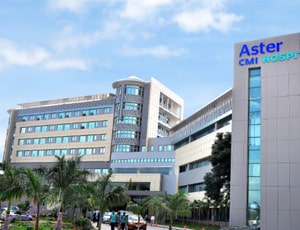
Keyhole Spine Surgery in Aster CMI Hospital: Costs, Top Doctors, and Reviews

Bangalore, India

5.0 ( 1 Reviews )
  • Joint Commission International, or JCI
  • National Accreditation Board for Testing and Calibration Laboratories (NABL)

Aster CMI Hospital located in Bengaluru, India is accredited by JCI, NABH. Also listed below are some of the most prominent infrastructural details:

  • Around 500 bed capacity
  • Primary care to Quaternary care services
  • Outpatient and inpatient departments
  • Day care center for small children
  • Availability of Surgical suites
  • Intensive Care Units
  • 24-hour Emergency and Trauma Care
  • Emergency Unit especially for children
  • Newly launched the Lung and Heart Transplant Centre
  • Video Consultation with doctors available on GraphMyHealth
  • A specialised Aster Center of Excellence for Women & Children
  • Latest Minimally Invasive Procedures being performed
  • Safe Interventional Procedures
  • Control of Infection protocols are strictly followed
  • Aster Holistic Collaborative Care: Aster Palliative Care for lowering suffering if critically ill patients, Physical Medicine & Rehabilitation, Aster Wellness, Psychology, Chronic Pain Management, Nutrition & Dietetic, Podiatry Care etc.
  • 11 Centers of Excellence
  • An academics focus with BSc Program, MEM Program, Pediatric Fellowship Program
  • A streamlined International patient care center with dedicated services and technology enabled processes
Keyhole Spine Surgery in Apollo Hospitals Bannerghatta: Costs, Top Doctors, and Reviews

Bangalore, India

  • Joint Commission International, or JCI

Apollo Hospitals Bannerghatta located in Bengaluru, India is accredited by JCI, NABH. Also listed below are some of the most prominent infrastructural details:

  • Bed Capacity is 250
  • Largest and most sophisticated sleep laboratory in the world
  • Technological powerhouse with latest equipments
  • 120 slice CT angiogram
  • 3 Tesla MRI
  • Low energy & High energy Linear Accelerators
  • Navigation System in surgical procedures
  • 4-D Ultrasound for 4 dimensional sonography
  • Digital Fluoroscopy
  • Gamma Camera
  • Stereotactic Robotic Radio- surgery
  • Autologous Bone Marrow Transplantation
  • Robotic assisted surgeries
  • Thallium Laser-First in India
  • Holmium Laser-First in South India
  • Digital X-Ray-First in Karnataka
  • 100 plus consultants
  • Uses Y shaped stent for tracheoesophageal fistula
  • Four autologous chondrocyte implantations procedure is performed and several more like Spinal angiolipoma excision, Tibial tuberosity shift with MPSL reconstruction
  • Biggest series of airway stents in India
  • The Minimal Access Surgery Centre (MASC) centre of excellence
Keyhole Spine Surgery in HCG Kalinga Rao Road: Costs, Top Doctors, and Reviews

Bangalore, India

  • National Accreditation Board for Hospitals & Healthcare Providers (NABH)
  • ISO 9001

HCG Kalinga Rao Road located in Bengaluru, India is accredited by NABH, NABL. Also listed below are some of the most prominent infrastructural details:

  • Diagnostic facility equipped with state-of-the-art imaging technologies, such as 3T MRI, SPECT, PET-CT
  • Specialty laboratories provide state-of-the-art diagnostic facilities with expertise in oncology testing
  • The services provided under medical oncology include Haemato oncology, Pediatric oncology, Breast health, Preventive oncology, Daycare chemotherapy
  • Radiation oncology department adopts advanced technologies like CyberKnife Robotic Radiosurgery, TomoTherapy-H, Da Vinci, which allows cancer to be targeted with high accuracy
  • First Cancer Centre in India to introduce PET-CT technologies and Cyclotron
  • Consists of several beds and OTs with the latest equipment that meet high standards of sterility, and also comply with all international standards on operation theatre designs
  • Access to the latest technology like Linear Accelerator which allows the tumor to be treated with pinpoint accuracy
  • Equipped with Agility-Synergy linear accelerator, which allows accurate, image-guided radiotherapy to be provided safely and in a short time.
  • Have a unique facility that has BMT suites and a unique hemato-pathology lab. Conditions like Multiple Myeloma, Immune Deficiency Disorders, Leukaemia, Lymphomas, Aplastic Anaemia, Childhood Leukaemia, and certain Pediatric Cancers can be treated with Bone Marrow Transplants at the unit.
  • Ortho-Oncology clinic to be the first-of-its-kind in Bangalore, offering dedicated care for Musculoskeletal tumors
  • Round-the-clock extensive patient service helping diagnose cancer
  • Automated Breast Volume Scanner is the latest technology used for breast cancer detection
  • RTISTE linear accelerator used for various treatment approaches, including 3D conformal radiation therapy, Stereotactic
  • Radiosurgery (SRS), Intensity-Modulated Radiation Therapy (IMRT), and Stereotactic Body Radiotherapy
Keyhole Spine Surgery in Fortis Hospital: Costs, Top Doctors, and Reviews

Bangalore, India

5.0 ( 1 Reviews )
  • National Accreditation Board for Hospitals & Healthcare Providers (NABH)
  • National Accreditation Board for Testing and Calibration Laboratories (NABL)

Fortis Hospital, Bannerghatta Road, Bangalore, has been a leading multi-speciality healthcare institution, offering advanced medical services with a patient-centric approach. The hospital features 400+ beds, state-of-the-art infrastructure, and experienced specialists across various specialities, providing comprehensive and compassionate care. Trusted by patients from India and abroad, Fortis Bannerghatta Road combines modern technology with high-quality treatment to deliver world-class healthcare.

Need Some Advice From Our Experts?

Request a Call Back Now!

Our team of healthcare experts would be happy to assist you

trusted Patientstrusted Patients+99
Trusted by 50000+ Patients
Required | alphabets and spaces
Required | A valid, working email address
Required | A valid contact

Process Involved for Keyhole Spine Surgery in Bangalore

Initial Evaluation and Diagnosis

  • The doctor reviews your symptoms and performs physical exams and spinal imaging.
  • Imaging tests, such as MRI or CT scans, provide detailed views to identify the specific area and cause of the spinal problem.

Detailed Consultation and Counselling

  • The surgical process, risks, expected benefits, and outcomes are clearly explained.
  • Patients are encouraged to ask questions and provide consent only after they have a complete understanding.

Preoperative Guidelines

  • You may be asked to fast for 6–8 hours before the surgery to prepare for anaesthesia.
  • Certain medications may need to be adjusted, especially blood thinners or diabetes medications.

Hospital Admission and Preparation

  • Depending on the patient's condition and hospital protocol, admission may occur either on the day of surgery or one day prior.
  • Basic tests are performed, and the surgical area is prepared and marked.

Anaesthesia and Positioning

  • General anaesthesia is administered so you are unconscious and pain-free.
  • The body is gently positioned to allow safe and accurate surgical access.

Minimally Invasive Surgical Technique

  • A small incision is made near the affected spine segment.
  • Special instruments and a microscope or endoscope are used to navigate safely.

Targeted Treatment of the Problem Area

  • The damaged disc, compressed nerve, or bone fragment is removed or repaired.
  • In some cases, spinal fusion or support devices may be placed to stabilise the spine.

Closing the Incision and Recovery Room Transfer

  • The incision is closed using sutures or skin glue for faster healing.
  • You’re moved to a recovery area where vital signs are continuously monitored.

Post-Surgery Observation and Pain Control

  • Pain relief is provided through oral or IV medication as needed.
  • Early movement is encouraged, and most patients start walking the same day.

Safe Discharge and Home Recovery Plan

  • Patients are usually discharged within 24 to 48 hours if stable.
  • Detailed instructions on activity limits, medications, and wound care are given.

Follow-Up and Rehabilitation Support

  • Scheduled follow-ups help track healing progress and prevent complications.
  • Physiotherapy may be recommended to restore strength and spinal mobility.
  • Bulging or Slipped Disc: When spinal discs push out of place and irritate nearby nerves.
  • Narrow Spinal Canal (Spinal Stenosis): Causes nerve compression and pain due to reduced space in the spine.
  • Nerve Root Compression (Sciatica): Causes sharp or burning pain that radiates down the leg, typically due to irritation or pressure on the sciatic nerve.
  • Worn-Out Discs (Degenerative Disc Disease): Discs lose cushioning over time, leading to discomfort and reduced movement.
  • Vertebral Slippage (Spondylolisthesis): Occurs when one vertebra shifts forward over another, affecting spinal stability.
  • Minor Spinal Fractures: Fractures from injury or weak bones that can be stabilised through minimally invasive techniques.
  • Unstable Spine Segments: Unnatural motion between vertebrae that leads to chronic back pain or nerve issues.
  • Nerve Entrapment: When surrounding tissues or discs press on a spinal nerve, causing pain or numbness.
  • Select Non-Cancerous Tumours: Small, non-aggressive spine tumours may be removed using a keyhole approach.
  • Initial Assessment: A thorough medical evaluation is conducted, including physical exams and imaging tests such as MRI or CT scans, to confirm the need for surgery.
  • Pre-Surgical Preparation: The patient receives guidance on when to stop eating and drinking, how to manage current medications, and details about the hospital admission process. The type of anaesthesia and possible surgical risks are also clearly explained beforehand.
  • Anaesthesia and Positioning: The patient is placed under general anaesthesia and carefully positioned—usually face down—for safe and accurate access to the spine.
  • Creating a Small Incision: A tiny cut (usually under 2 cm) is made on the back. Muscles are gently moved aside using special instruments without cutting them.
  • Using a Microscope or Endoscope: A camera or microscope is inserted to provide a clear, magnified view of the spine, helping the surgeon operate with great precision.
  • Surgical Correction: The damaged part—like a slipped disc or bone spur—is removed or repaired using specialised tools inserted through the same small opening.
  • Wound Closure: Once the procedure is complete, the small cut is sealed using either surgical glue or a single stitch, followed by the application of a light dressing to protect the area.
  • Post-Surgery Monitoring: The patient is observed in a recovery room and discharged within 1–3 days. Follow-up care typically includes medication, exercise guidance, and, in some cases, physical therapy.
  • Discectomy
  • Laminectomy
  • Foraminotomy
  • Fusion
  • Vertebroplasty
  • Kyphoplasty
  • Decompression
  • Stabilisation
  • Corpectomy (in select cases)
  • Nucleoplasty
  • Smaller Incision: Less cutting means reduced scarring and faster healing.
  • Less Pain: Minimal tissue damage leads to lower pain levels after surgery.
  • Faster Recovery: Most patients return to normal activities much sooner than with open surgery.
  • Shorter Hospital Stay: Many can go home within 1–3 days.
  • Lower Risk of Infection: Smaller wounds reduce the chance of postoperative infections.
  • Preserves Muscle Strength: Muscles are gently moved aside, rather than cut, which helps maintain mobility.
  • Less Blood Loss: The minimally invasive technique helps reduce bleeding during surgery.
  • Better Precision: Surgeons use high-definition cameras or microscopes for improved accuracy.
False
  • Please complete the form to provide us with relevant information about your condition.
  • Consult with Our Healthcare Expert: One of our qualified specialists will contact you for a consultation.
  • Receive a Detailed Treatment Plan: After examining your situation, we will provide you with a detailed treatment plan that includes expert opinions and a cost breakdown for various options.
  • Select your preferred option: Choose the therapy option that best suits your needs.
  • Seamless Organisation: We will manage all the details, including visas, flights, accommodations, and transfers, for a stress-free journey.

Instantly Connect with our Keyhole Spine Surgery Specialists

Doctor 1
Doctor 2
Doctor 3
Doctor 4
Doctor 5
Doctor 6
Doctor 7
Doctor 8
Our Services to Better your Experience

Opinion & Option

We submit the most accurate opinion and options from one or more countries for your review

Consult Privately

Consult with a certified specialist privately on our telemedicine platform even before you decide to travel

Logistics

We handle flights, visas, transfers, and accommodation—so you can focus on your health.

Recovery

Our In-house rehabilitation service packages to better your recovery and treatment outcome

Other Popular Countries for Keyhole Spine Surgery

Our network connects you with the leading medical tourism destinations globally, offering a wide range of cities, top doctors, and flexible pricing options.

Turkey
United Arab Emirates
Thailand
Vietnam

Frequently Asked Questions

Factors that raise the risk of Keyhole Spine Surgery in India include: -

  • Limited access to certified and experienced minimally invasive spine surgeons in some rural or tier-2 cities.
  • Variation in the quality of surgical equipment and sterilisation practices across hospitals.
  • Patients may delay surgery due to financial constraints or a preference for alternative therapies, which can increase surgical risks.

Reports a success rate of around 88% to 94%, especially in top-tier neurosurgical centres.

Apollo Hospitals and Fortis Hospitals in major cities offer specialised Keyhole Spine Surgery procedures, utilising experienced neurosurgical teams and advanced neurocare.

The following are the precautions to take after Keyhole Spine Surgery in India:

  • Refrain from sitting for long durations without breaks
  • Use firm back support while resting or sleeping
  • Attend regular physiotherapy sessions if advised
  • Maintain good posture during walking and sitting
  • Take medications as prescribed and attend follow-ups
  • Avoid bending, twisting, or sudden spine movement

Author

Dr. Vijita Jayan

BPT, MPT (Neuro)

18 Years of Experience

With over 18 years of distinguished clinical experience, Dr. Vijita Jayan is a highly accomplished Clinical Director and Rehabilitation Specialist, renowned for her expertise in neuro-rehabilitation, functional recovery, and mobility-dependent case management. Her extensive practical knowledge enables her to design and implement individualized, evidence-based rehabilitation protocols that consistently yield measurable patient outcomes. A prolific researcher and academic writer, she has authored numerous peer-reviewed articles and research papers, significantly advancing the field of rehabilitative medicine. The recipient of multiple prestigious accolades, Dr. Jayan is widely regarded as one of the foremost authorities in Physical Medicine and Rehabilitation, continually shaping neuro-rehabilitative care through research, innovation, and clinical excellence.. View More

Reviewer

⁠Dr Rakesh Kumar Dua

Spine & Neurosurgeon

25 Years of Experience

Dr. Rakesh Dua has more than 25+ years of clinical experience in spine surgeries. He is currently providing his services as Director, Neuro & Spine Surgery at Fortis Hospital, Shalimar Bagh. Before joining Fortis Hospital, he was associated with Max super-specialist Hospital, Shalimar Bagh as Director Neurosurgery & Head Neuro Spine, and with UCMS & GTB hospital as head of the neurosurgery department. View More