Your Notifications
All done, no notifications

Endoscopic Third Ventriculostomy Cost in Riyadh

Costs starts from USD10000 to USD20000
Filters

Cost of Endoscopic Third Ventriculostomy in Major Cities of Saudi Arabia

CityMinimum Cost (USD)Minimum Cost (SAR)Maximum Cost (USD)Maximum Cost (SAR)
Al KhobarUSD 1000037500USD 2000075000
RiyadhUSD 1000037500USD 2000075000

Need Help Planning Your Treatment Abroad?

Your 24/7 AI Health Assistant

Endoscopic third ventriculostomy (ETV) is a surgical procedure used to treat obstructive hydrocephalus, a condition characterized by the accumulation of cerebrospinal fluid (CSF) in the brain. CSF is produced in the ventricular system of the brain, which consists of four cavities - two lateral ventricles, the third ventricle, and the fourth ventricle - interconnected by channels.

The third ventricle, situated centrally above the base of the skull, plays a crucial role in CSF circulation. In cases of obstructive hydrocephalus, CSF flow is impeded due to blockage, often occurring at the passage between the third and fourth ventricles, known as the cerebral aqueduct.

ETV involves creating a new pathway for CSF to bypass the blockage by making a small hole in the floor of the third ventricle using an endoscope. This allows CSF to flow directly into the subarachnoid space surrounding the brain, relieving pressure and reducing ventricle enlargement.

Classification:

Based on the Underlying Cause of Hydrocephalus

  • Congenital Obstructive Hydrocephalus
  • Acquired Obstructive Hydrocephalus

Based on Patient Demographics

  • Pediatric ETV
  • Adult ETV
  • Standard ETV

Based on the Surgical Approach

  • Flexible Endoscope ETV
  • Rigid Endoscope ETV

Hydrocephalus is treated via endoscopic third ventriculostomy (ETV), which removes the brain's excess cerebrospinal fluid (CSF) accumulation. The ETV makes a tiny hole in the third ventricle's floor to allow CSF to flow in a new direction, aiding in pressure reduction without using a shunt.

In order to evaluate your general health and comprehend your symptoms, your surgeon will perform a physical examination and prescribe tests prior to a ventriculostomy. The surgery will be planned based on imaging and test findings. Following surgery, you might need to make arrangements for assistance at home, finish more testing, and modify your medication. During your pre-surgery examination, make sure to ask your care team any questions you may have.

Your surgeon will plan a ventriculostomy by performing a physical examination and reviewing imaging studies. You may need to stop taking certain medications, taking antibiotics, and taking additional tests. Making arrangements for assistance at home following surgery is also crucial.

After making a tiny incision, a surgeon inserts an endoscope—a thin, flexible tube with a light and camera on the end—into the bottom of your third ventricle. Because of its central placement, the third ventricle is simple to reach and see. The opening allows your body to drain into the surrounding tissue to reabsorb the CSF.

Depending on the complexity and urgency of the case, a ventriculostomy procedure usually takes 20 to 45 minutes.

  • The catheter or surgical site can become infected
  • Bleeding at the catheter insertion site
  • Brain damage or stroke may occur if the catheter is placed poorly
  • A blocked or dislodged catheter prevents proper drainage of cerebrospinal fluid
  • Over-drainage or under-drainage may lead to collapse

  • Relieves pressure on the brain
  • Enables CSF drainage

After a ventriculostomy, post-operative recovery usually requires careful observation in an intensive care unit (ICU). Medical professionals examine for infection or complications, evaluate the drainage system, and monitor intracranial pressure. The underlying disease determines the recovery time; however, most patients need to stay in the hospital for several days and may require follow-up imaging or additional treatment.

Endoscopic Third Ventriculostomy (ETV) has a success rate of approximately 74.7% in adults, while some studies have found success rates as high as 87%.

Would you like some help? We are available.

Get Help
Explore Hospitals ( 2 )
Endoscopic Third Ventriculostomy in Riyadh Care Hospital: Costs, Top Doctors, and Reviews

Riyadh, Saudi Arabia

  • Joint Commission International, or JCI

Apart from in-detail treatment procedures available, Riyadh Care Hospital located in Riyadh, Saudi Arabia has a wide variety of facilities available for International Patients. Some of the facilities which are provided by them are Accommodation, Airport Transfer, Choice of Meals, Interpreter, SIM, TV inside room. Also listed below are some of the most prominent infrastructural details:

  • This healthcare organisation is equipped with modern and advanced healthcare instruments.
  • Riyadh Care Hospital has a 325 bed capacity.
  • The Department of Emergency and Department of Children Emergency work round the clock to provide the best of emergency care services.
  • Respiratory Therapy and Dialysis Center takes care of the respiratory and renal conditions of the patients.
  • Medical Rehabilitation Center provides the best in class rehabilitation and recovery services to the patients.
  • Laboratory, Blood Bank, Physical Therapy and Radiology departments are also present.
  • Intensive & Medium Care Unit for Children and Newborns and Intensive Care Unit for Cardiac conditions are also worth a mention for the outstanding work they are doing.
  • Pharmacies for inpatients, outpatients and emergencies.
  • The Intensive Care Unit is working to provide care for advanced and critical care.
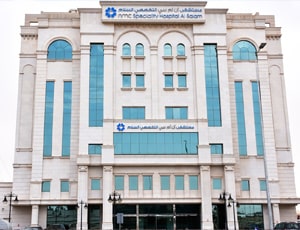
Endoscopic Third Ventriculostomy in NMC Specialty Hospital Al Salam: Costs, Top Doctors, and Reviews

Riyadh, Saudi Arabia

Apart from in-detail treatment procedures available, NMC Specialty Hospital Al Salam located in Riyadh, Saudi Arabia has a wide variety of facilities available for International Patients. Some of the facilities which are provided by them are Accommodation, Airport Transfer, Choice of Meals, Interpreter, SIM, TV inside room. Also listed below are some of the most prominent infrastructural details:

  • The hospital is situated at a prime location with easy access from Mecca-Khurais Road and Al-Imam Shafi road
  • 100 Hospital Rooms
  • 25 Intensive Care Units with modern equipment
  • 24-hour Pharmacy
  • 24-hour Emergency Services
  • Laboratory

Need Some Advice From Our Experts?

Request a Call Back Now!

Our team of healthcare experts would be happy to assist you

trusted Patientstrusted Patients+99
Trusted by 50000+ Patients
Required | alphabets and spaces
Required | A valid, working email address
Required | A valid contact

Process Involved for Endoscopic Third Ventriculostomy in Riyadh

  • Consultation: Meet with a neurosurgeon or neurologist to assess symptoms and the need for ETV.
  • Pre-surgical Examination: Review medical history and symptoms and perform imaging tests to confirm the diagnosis of hydrocephalus.
  • Discussion of Treatment: Evaluate if ETV is the appropriate option or if alternative treatments are required.
  • Surgical Planning: Discuss the procedure, risks, benefits, and expected recovery.
  • Post-Surgery Follow-up: Monitor recovery, manage potential complications, and assess the procedure's success through follow-up imaging and symptom review.
  • Obstructive Hydrocephalus
  • Aqueductal Stenosis
  • Normal Pressure Hydrocephalus (NPH)
  • Cerebral Tumors
  • Communicating Hydrocephalus
  • Obstructive hydrocephalus (obstruction of the brain ventricles leading to accumulation of fluid)
  • A common cause of blockage is aqueductal stenosis, or the constriction of the aqueduct of Sylvius.
  • The condition is termed normal pressure hydrocephalus (NPH) if surgery is more favourable than shunt placement.
  • The underlying cause of persistent headache, nausea, and vomiting symptoms is increased intracranial pressure.
  • Relief from Symptoms of Hydrocephalus
  • Minimally Invasive
  • Faster Recovery Time compared to traditional shunt placement
  • Long-Term CSF Flow Improvement
  • Reduced Dependency on Shunts
  • Neurosurgeon
  • Neurologist
  • Fill out the inquiry form: Fill out the form to provide us with the relevant information about your condition.
  • Consult with Our Healthcare Expert: One of our qualified specialists will contact you for a consultation.
  • Receive a Detailed Treatment Plan: After examining your situation, we will provide you with a detailed treatment plan that includes expert views and cost breakdowns for various choices.
  • Choose your preferred option: Choose the treatment option that suits you the best.

Instantly Connect with our Endoscopic Third Ventriculostomy Specialists

Doctor 1
Doctor 2
Doctor 3
Doctor 4
Doctor 5
Doctor 6
Doctor 7
Doctor 8
Our Services to Better your Experience

Opinion & Option

We submit the most accurate opinion and options from one or more countries for your review

Consult Privately

Consult with a certified specialist privately on our telemedicine platform even before you decide to travel

Logistics

We handle flights, visas, transfers, and accommodation—so you can focus on your health.

Recovery

Our In-house rehabilitation service packages to better your recovery and treatment outcome

Other Popular Countries for Endoscopic Third Ventriculostomy

Our network connects you with the leading medical tourism destinations globally, offering a wide range of cities, top doctors, and flexible pricing options.

India
Vietnam
Malaysia
United Arab Emirates

Frequently Asked Questions

Different hospitals have different pricing policy when it comes to the cost of Endoscopic Third Ventriculostomy in Riyadh. There are many hospital who cover the cost of pre-surgical investigations of the patient in the treatment package. The Endoscopic Third Ventriculostomy cost in Riyadh includes the cost of anesthesia, medicines, hospitalization and the surgeon's fee. Stay outside the package duration, port-operative complications and diagnosis of a new condition may further increase the Endoscopic Third Ventriculostomy cost in Riyadh.

There are many hospitals across the country that offer Endoscopic Third Ventriculostomy to international patients. The following are some of the most renowned hospitals for Endoscopic Third Ventriculostomy in Riyadh:

Upon discharge from the hospital after Endoscopic Third Ventriculostomy in Riyadh, the patients are advised to stay for about 11 days for recovery. During this time, the patient undergoes medical tests and consultations. this is to ensure that the treatment was successful and the patient us safe to return.

Riyadh is undoubtedly one of the best cities for Endoscopic Third Ventriculostomy in the world. It offers the best medical expertise and good patient experience at an affordable cost. Some of the other top destinations for Endoscopic Third Ventriculostomy include the following:

Apart from the Endoscopic Third Ventriculostomy cost, the patient may have to pay for additional daily expenses such as for guest house after discharge and meals. These include the cost of accommodation and meals outside hospital. The per day cost in this case may range from 55 USD.

After Endoscopic Third Ventriculostomy surgery, the patient is supposed to stay for about 3 Days in the hospital for recovery and monitoring. The doctors team review the patient's recovery during this time with the help of blood tests and imaging scans. Once they feel that everything is on track, the patient is discharged.

There are about 2 Hospitals Endoscopic Third Ventriculostomy hospitals in Riyadh that are best known for their services. These hospitals are approved to perform the surgery and have proper infrastructure to handle Endoscopic Third Ventriculostomy patients. Such hospitals follow all legal protocols and guidelines as specified by the local medical affairs body when it comes to the treatment of international patients.

Some of the most sought after doctors for Endoscopic Third Ventriculostomy in Riyadh are:

The public and private healthcare systems in Riyadh both offer high-quality care. Additionally, the government's Ministry of Health offers the general public almost 60% of its services, including outpatient care, professional services, hospitals, and primary healthcare facilities. All medical professionals in Riyadh are subject to regulation by the Saudi Commission for Health Specialties. The nation's public healthcare system is accessible to the government and residents of Riyadh. Furthermore, a variety of services are given at free cost, including GPs providing a variety of services, including Hospitalisation, Dentistry, and Medications on prescription. In Riyadh, foreign nationals can receive private medical care are hospitals, clinics, and health centers. In Riyadh, there is no standardized registration process because foreigners cannot use the public healthcare system. A person must enroll in private health insurance through their employer in order to receive a health insurance card. With the help of this card, you can pay for private healthcare providers and services like physicians' visits, hospital stays, and therapy sessions. Alternative and complementary therapies are frequently practiced in the city. These are referred to as Islamic Medicine in the neighborhood.

The hospitals in Riyadh deliver quality care and treatment. They are internationally recognized and accredited by healthcare organizations like JCI and ISO. Some of the top hospitals in the city include:

  1. Riyadh Care Hospital: Riyadh is a super specialty hospital where patients are treated for illnesses linked to numerous treatment subcategories. The Emergency Department, Asthma and Allergy Chest Unit, Children's Emergency Department, Dental Center, Respiratory Therapy, Dialysis Center, Eye Diseases Unit, and Department of Dermatology are just a few of the services offered by this hospital.
  2. Care National Hospital: Care National is a renowned hospital in Riyadh with a Department of Surgery, Department of Eye, Ear, Nose, and Throat, Department of Internal Medicine, Department of Urinary Tract, Department of Intensive Care for Adults and Children, Department of Heart Diseases, Department of Dermatology, Department of Digestive Diseases, Dental Department, Department of Binoculars, Radiology Department, etc.
  3. NMC Specialty Hospital Al Salam: A multispecialty hospital, NMC Specialty Hospital Al Salam offers care in a number of therapeutic areas. Gynecology, neurology and neurosurgery, cardiology, pulmonology, ENT, pediatrics, internal medicine, ophthalmology, general surgery, dental care, and emergency services are among the specialties provided by this hospital.

The doctors in Riyadh play a vital role in delivering top-level healthcare services focusing on each patient’s needs. Some of the top doctors in the city include:

  1. Dr. Abdelhalim Salah Morsi: Dr. Morsi is a general laparoscopic surgeon with over 8 years of experience. He has performed surgery on many patients and is skilled in his treatment area.
  2. Dr. Abdullah Ashmeg Khalifa Ashmeg: Dr. Asgmeg is a highly experienced heart specialist with an experience of over 20 years in the clinical field. He can deal with patients suffering from heart blockage, cholesterol, heart attack, etc.
  3. Dr. Abdulfattah Ali Mahmoud Abdulmutal: Dr. Sbdulmutal is an ENT specialist with over 20 years of experience in this area.

Riyadh is an easily reachable city by train, bus, and flight. The nearest airport to Riyadh is Riyadh (RUH) Airport from where you can travel to the city by bus or cab. If you are planning to undergo treatment here, MediGence can assist you in planning your medical travel.

FAQ's Related to Saudi Arabia

The public and private healthcare systems in Riyadh both offer high-quality care. Additionally, the government's Ministry of Health offers the general public almost 60% of its services, including outpatient care, professional services, hospitals, and primary healthcare facilities. All medical professionals in Riyadh are subject to regulation by the Saudi Commission for Health Specialties. The nation's public healthcare system is accessible to the government and residents of Riyadh. Furthermore, a variety of services are given at free cost, including GPs providing a variety of services, including Hospitalisation, Dentistry, and Medications on prescription. In Riyadh, foreign nationals can receive private medical care are hospitals, clinics, and health centers. In Riyadh, there is no standardized registration process because foreigners cannot use the public healthcare system. A person must enroll in private health insurance through their employer in order to receive a health insurance card. With the help of this card, you can pay for private healthcare providers and services like physicians' visits, hospital stays, and therapy sessions. Alternative and complementary therapies are frequently practiced in the city. These are referred to as Islamic Medicine in the neighborhood.

The hospitals in Riyadh deliver quality care and treatment. They are internationally recognized and accredited by healthcare organizations like JCI and ISO. Some of the top hospitals in the city include:

  1. Riyadh Care Hospital: Riyadh is a super specialty hospital where patients are treated for illnesses linked to numerous treatment subcategories. The Emergency Department, Asthma and Allergy Chest Unit, Children's Emergency Department, Dental Center, Respiratory Therapy, Dialysis Center, Eye Diseases Unit, and Department of Dermatology are just a few of the services offered by this hospital.
  2. Care National Hospital: Care National is a renowned hospital in Riyadh with a Department of Surgery, Department of Eye, Ear, Nose, and Throat, Department of Internal Medicine, Department of Urinary Tract, Department of Intensive Care for Adults and Children, Department of Heart Diseases, Department of Dermatology, Department of Digestive Diseases, Dental Department, Department of Binoculars, Radiology Department, etc.
  3. NMC Specialty Hospital Al Salam: A multispecialty hospital, NMC Specialty Hospital Al Salam offers care in a number of therapeutic areas. Gynecology, neurology and neurosurgery, cardiology, pulmonology, ENT, pediatrics, internal medicine, ophthalmology, general surgery, dental care, and emergency services are among the specialties provided by this hospital.

The doctors in Riyadh play a vital role in delivering top-level healthcare services focusing on each patient’s needs. Some of the top doctors in the city include:

  1. Dr. Abdelhalim Salah Morsi: Dr. Morsi is a general laparoscopic surgeon with over 8 years of experience. He has performed surgery on many patients and is skilled in his treatment area.
  2. Dr. Abdullah Ashmeg Khalifa Ashmeg: Dr. Asgmeg is a highly experienced heart specialist with an experience of over 20 years in the clinical field. He can deal with patients suffering from heart blockage, cholesterol, heart attack, etc.
  3. Dr. Abdulfattah Ali Mahmoud Abdulmutal: Dr. Sbdulmutal is an ENT specialist with over 20 years of experience in this area.

Riyadh is an easily reachable city by train, bus, and flight. The nearest airport to Riyadh is Riyadh (RUH) Airport from where you can travel to the city by bus or cab. If you are planning to undergo treatment here, MediGence can assist you in planning your medical travel.

Author

Dr. Vihan Gautam

BPT, MS in Healthcare Mgmt

3 Years of Experience

Dr. Vihan Gautam is a distinguished Rehabilitation Specialist and Healthcare Management Professional, holding a Bachelor of Physiotherapy (BPT) from Rajiv Gandhi University of Health Sciences and a Master of Science in Healthcare Management (MSc) from the prestigious University of London, United Kingdom. With specialized clinical experience and his advanced medical knowledge in neuro-rehabilitation, musculoskeletal disorders, and evidence-based physiotherapy practices, enables him to develop patient-centered rehabilitation protocols and AI-driven care models that deliver measurable functional recovery outcomes. His diverse contributions across international rehabilitation programs, multidisciplinary care, and AI-driven healthcare initiatives uniquely position him as an emerging leader in neuro-rehabilitative care globally. . View More

Reviewer

⁠Dr Rakesh Kumar Dua

Spine & Neurosurgeon

25 Years of Experience

Dr. Rakesh Dua has more than 25+ years of clinical experience in spine surgeries. He is currently providing his services as Director, Neuro & Spine Surgery at Fortis Hospital, Shalimar Bagh. Before joining Fortis Hospital, he was associated with Max super-specialist Hospital, Shalimar Bagh as Director Neurosurgery & Head Neuro Spine, and with UCMS & GTB hospital as head of the neurosurgery department. View More