Your Notifications
All done, no notifications

Cranioplasty Cost in Thailand

Costs starts from USD11000 to USD21000
Filters

How Much Should a Cranioplasty Cost in Thailand?

The cost of a cranioplasty in [Country] typically ranges from [cost]. Still, it can vary depending on factors such as the type of surgery, the hospital's reputation, and the location within the country.

This estimate generally covers doctor visits, diagnostic tests, the surgery itself, hospital stay, and follow-up care.

However, the total cost may also change based on the severity of the injury, any complications, and the specific treatments provided by the medical facility.

Factors Influencing the Cost of Cranioplasty in Thailand

Factors Influencing the Cost of Cranioplasty in Thailand

Cost of Cranioplasty in Major cities of Thailand

CityMinimum Cost (USD)Minimum Cost (THB)Maximum Cost (USD)Maximum Cost (THB)
BangkokUSD 11000359810USD 21000686910
KrabiUSD 9900323829USD 18900618219

Cranioplasty Cost : A Global Comparison

CountryMinimum CostMinimum Local CurrencyMaximum CostMaximum Local Currency
HungaryUSD 15000HUF 5356200USD 25000HUF 8927000
IndiaUSD 8000INR 685120USD 14000INR 1198960
IsraelUSD 20000ILS 70800USD 32000ILS 113280
JordanUSD 11000JOD 7810USD 18000JOD 12780
LithuaniaUSD 14000LTL 47890USD 22000LTL 75255
MalaysiaUSD 8000MYR 33920USD 20000MYR 84800
PolandUSD 9000PLN 33840USD 16000PLN 60160
Saudi ArabiaUSD 12000SAR 45000USD 25000SAR 93750
SingaporeUSD 20000SGD 25800USD 40000SGD 51600
South AfricaUSD 12000ZAR 215640USD 22000ZAR 395340
South KoreaUSD 15000KRW 20639700USD 28000KRW 38527440
SpainUSD 14000ESP 2058559USD 26000ESP 3823037
SwitzerlandUSD 28000CHF 23240USD 50000CHF 41500
ThailandUSD 11000THB 359810USD 21000THB 686910
TunisiaUSD 9000TND 26820USD 17000TND 50660
TurkeyUSD 8500TRY 332010USD 16000TRY 624960
United Arab EmiratesUSD 15000AED 55050USD 28000AED 102760
United KingdomUSD 16000GBP 11840USD 30000GBP 22200
VietnamUSD 8000VND 209027920USD 15000VND 391927350

Need Help Planning Your Treatment Abroad?

Your 24/7 AI Health Assistant

Cranioplasty is a surgery where doctors repair a missing or damaged part of the skull. This may happen after an injury, brain swelling, or a previous brain surgery. The hole or weak spot in the skull is covered using the patient’s bone (if it was saved) or special materials, such as titanium, ceramic, or 3D-printed parts, made to fit perfectly.

The surgery is usually planned a few weeks or months after the first brain operation, once the swelling has gone down. Fixing the skull helps protect the brain, restores the head's normal appearance, and can even improve brain functions such as thinking, speaking, or moving more effectively.

During the surgery, doctors gently lift the scalp, carefully place the implant, and then close the skin with stitches. Recovery takes time. The person may need to rest frequently, attend therapy sessions, and visit the doctor regularly to ensure everything is healing correctly.

Cranioplasty is performed to repair a defect or deformity in the skull following trauma, brain surgery (e.g., decompressive craniectomy), congenital malformations, or tumor removal.It restores the protective barrier of the brain, improves cosmetic appearance, and can enhance neurological function.In some patients, it also alleviates symptoms like headaches, dizziness, or motor deficits linked to “syndrome of the trephined.”

See a neurosurgeon if you have a visible skull defect or have undergone a previous craniectomy. Consultation is advised if you experience neurological symptoms, localized pain, or psychological distress related to the skull deformity. Timely cranioplasty (usually 3–6 months post-craniectomy) is essential for optimal brain protection and functional recovery.

Preparation includes CT scans of the skull to assess the size and shape of the cranial defect. Blood tests and anesthetic risk evaluations are performed. If a synthetic implant is planned (e.g., PEEK, titanium), a custom 3D model may be created. Patients must stop anticoagulants and fast before surgery.

Under general anaesthesia, the scalp is opened, and the defect is exposed. A bone flap (preserved or artificial) is placed and fixed using plates and screws. Implants can be autologous (patient’s own bone), alloplastic (custom-made), or pre-fabricated biomaterials like titanium or PMMA. Wound is closed, and a drain may be placed to reduce fluid accumulation.

Cranioplasty usually takes 1.5 to 3 hours, depending on the size and complexity of the skull defect. Hospital stay ranges from 3 to 7 days, with monitoring for infection, swelling, or neurological changes. Recovery starts shortly after surgery, especially in cases with functional improvement.

  • Infection at surgical site or implant
  • Hematoma or fluid buildup
  • Seizures or neurological worsening
  • Implant rejection or fracture
  • Cosmetic asymmetry or wound healing problems
Proper surgical technique and sterile precautions significantly lower complication rates.

  • Protects the brain and prevents further injury
  • Improves cognitive, motor, or psychological symptoms (in some cases)
  • Restores skull shape and cosmetic appearance
  • May reduce symptoms of “sinking flap syndrome”
  • Enhances overall quality of life and self-esteem

Patients rest with head elevation, and incision care is critical. Stitches or staples are removed in 7–14 days. Gradual return to daily activities is expected within 2–4 weeks. Neurological rehab may continue based on underlying condition. CT imaging is often repeated to verify implant position.

Cranioplasty has a high success rate of 90–95%, particularly for cosmetic and protective goals. Functional improvement varies by patient, but many report better mental clarity, motor control, and symptom relief. Customized materials and advances in neurosurgical technique have improved both safety and outcomes.

Would you like some help? We are available.

Get Help
Explore Hospitals ( 9 )
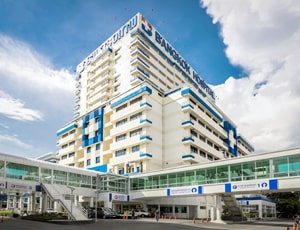
Cranioplasty in Bangkok Hospital: Costs, Top Doctors, and Reviews

Bangkok, Thailand

  • Joint Commission International, or JCI

Bangkok Hospital located in Bangkok, Thailand is accredited by JCI. Also listed below are some of the most prominent infrastructural details:

  • It is recognised for the application of the newest healthcare technology.
  • Blood analysis center that is not just the best in Thailand but in Asia Pacific as well.
  • Biomolecule center that is the seed of healthcare equipment for Thailand and overseas.
  • International affiliations and collaborations with universities and hospitals in Japan and the United States of America.
  • 11 hospitals are recognised as Centers of Excellence.
  • Known excellence in Trauma, Orthopedics, Cardiovascular, Neurology as well as Cancer Care.
  • There is a proper streamlined patient services process followed in Bangkok Dusit Medical Services, Bangkok, Thailand.
  • A well developed research center showcases the intent of the organisation to provide research based treatment opportunities to the patients.
  • The group has several Medical industry partnerships as well to ensure healthcare solutions.
Cranioplasty in Vejthani Hospital: Costs, Top Doctors, and Reviews

Bangkok, Thailand

  • Joint Commission International, or JCI

Vejthani Hospital located in Bangkok, Thailand is accredited by NABH, NABL. Also listed below are some of the most prominent infrastructural details:

  • It is among the topmost private hospitals functioning in Thailand.
  • The bed capacity of the hospital is 263.
  • There are more than three hundred thousand patients visiting the hospital every year.
  • Vejthani hospital has more than 40 outpatient clinics and centers.
  • International patient care center with all kinds of services: air ambulance, transfers, travel, stay, embassy liaison, patient coordinators, prayer rooms, visa coordination and translators for 20 languages.
  • The special facilities are:
  • International Certified Laboratory
  • 10 Operating Rooms
  • Radiology Section: Portable X-ray, CT-scan and C-ARM and MRI
  • Neonatal Critical Care Unit
  • Water-jet technique applied for liposuction
  • Computer navigation and mini-invasive technique for Joint Replacement surgery
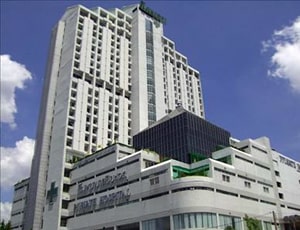
Cranioplasty in Bangpakok 9 International Hospital: Costs, Top Doctors, and Reviews

Bangkok, Thailand

  • Joint Commission International, or JCI

Bangpakok 9 International Hospital located in Bangkok, Thailand is accredited by JCI. Also listed below are some of the most prominent infrastructural details:

  • It would be prudent to summarise the Medical Services provided at the Bangpakok 9 International Hospital (BPK 9), Bangkok, Thailand:
  • Cosmetic Dentistry
  • Dental Implants
  • Electrocardiogram (EKG or ECG)
  • Exercise Stress Test
  • Health Screening
  • Laser Vagina Firming
  • Pediatric Physical Therapy
  • Perfect Slim by Vela II
  • Physical Therapy for Musculoskeletal
  • Prosthodontics
  • The Medical Services are also inclusive of the International Patient Services such as the ones listed here:
  • Thai, English, French, Arabic, Chinese, Myanmar, Cambodia, Bangladeshi, Bahasa and Tagalog are the languages in which there are Translation services available for International Patients.
  • Visa extension related assistance
  • International health insurance related assistance
  • Embassy and international organizations related assistance
  • A variety of meals of choice for International Patients
  • Email consultation services
  • Transfer to either airport and/or hotels
  • Prayer room
  • Four different types of rooms are available such as Deluxe room, two kinds of suites, and a VIP suite.
  • Hospital facilities like The Coffee shop, Food Hall, Cafe and Medical Spa.
  • Complete health and safety protocols are maintained in the various Medical Centers some of whom are as follows:
  • Aesthetic Center
  • 24 Hour Emergency Center
  • Allergy Center
  • Breast Center
  • bSmart Center
  • Checkup Center
  • Dental Center,
  • Happy Long Life Center
  • Medical Fitness Center
  • Psychiatric Center
  • Rehabilitation Center
  • Sleep Disorders Center
Cranioplasty in Phyathai 2 International Hospital: Costs, Top Doctors, and Reviews

Bangkok, Thailand

  • Joint Commission International, or JCI

Phyathai 2 International Hospital located in Bangkok, Thailand is accredited by JCI. Also listed below are some of the most prominent infrastructural details:

  • Fully equipped rooms are available for convenience of the patients- Gold B Room, Gold A Room, Pediatric Gold A, Platinum room, and Prestige ward
  • Nearby accommodations are also available- Abloom Service Apartments, Bangkok Patio, VIB Best Western Sanam Pao, VIC3 Hotel
  • Operating room
  • International Patient Medical Center to assist overseas patients
Cranioplasty in Krabi Nakharin International Hospital: Costs, Top Doctors, and Reviews

Krabi, Thailand

  • Joint Commission International, or JCI

Krabi Nakharin International Hospital located in Krabi, Thailand is accredited by JCI. Also listed below are some of the most prominent infrastructural details:

  • Capacity of Imported electronically adjustable 100 beds
  • Housing Facility in VIP Rooms, Deluxe Rooms, Superior Rooms, 2-Beds room, 9-Beds room
  • All rooms are fully equipped with Smart TV, Refrigerator with soft drinks, Wi-fi, sofacumbed, personal nurse call system, telephone for local & international calls, Microwave,
  • Main meals and snacks are also included
  • Medical Technology includes- 64-slice CT scan, MRI, Fluoroscopy Examination, Digital Mammogram, Computed Radiography and 4D-Ultrasound
  • 14 Treatment Centers and Clinics
  • 24*7 Intensive Care Unit (ICU)
  • Outpatient Department (OPD)
  • Emergency Department
Cranioplasty in Sikarin Hospital: Costs, Top Doctors, and Reviews

Bangkok, Thailand

  • Joint Commission International, or JCI

Apart from in-detail treatment procedures available, Sikarin Hospital located in Bangkok, Thailand has a wide variety of facilities available for International Patients. Some of the facilities which are provided by them are Airport Transfer, Choice of Meals, Interpreter, SIM, TV inside room. Also listed below are some of the most prominent infrastructural details:

  • Sikarin Hospital has a 258-bed capacity.
  • The hospital caters to the healthcare needs of both local and international patients.
  • Dedicated and skilled, experienced healthcare professionals are the strength of the organization.

It has also received many awards and certifications and some of them are:

  • APSIC CSSD Center of Excellence Award (2017-18)
  • Accreditation by the Joint Commission International
  • HA-Hospital/Healthcare Accreditation
  • HACCP Certificate of Registration
  • The Best Under a Billion Award 
  • ISO 14001 Environment Management System
  • ISO 9001 Quality Management System

The various clinics and centers of Sikarin Hospital are as follows:

  • Pediatric Institute
  • Orthopedic Institute
  • Dental Center
  • Health Check-up Center
  • Heart Disease Center
  • Cerebral and Nervous System Center
  • Internal Medicine Clinic
  • Diagnostic Radiology Center
  • Diagnostic Laboratory
  • Endoscopic Surgery Center
  • International Medical Center
  • Emergency Medical Center
  • Sikarin Beauty Center
  • Eye Center
  • Rehabilitation Center
  • Women’s Health Center
  • Ear, Nose and Throat Center
  • Specialized Internal Medicine Center
  • Center for Gastrointestinal and Liver Diseases

The medical technology present in Sikarin Hospital is outlined here:

  • MRI (Magnetic Resonance Imaging) magnetic resonance imaging
  • Hybrid Operating Room
  • Endoscopic Surgery - Gastrointestinal medical technology with tiny capsules
  • S.R. Laboratory
  • Cardiac Catheterization Lab 
  • Dental Operating Microscope, an innovative endoscopic root canal treatment
  • 128-Slice CT Scan
  • ORTHOPANTOMOGRAPH OP 3D oral X-ray machine
  • Digital Mammogram
  • Optical Coherence Tomography
  • INFRARED (IR) IMAGING Surgical Technology “Cure Cancer” – Direct, Accurate, Fast
  • 3D endoscopic surgery technology
  • Laparoscopic Surgery
  • Dental Aerosol Suction Dental Intraoral Aerosol Remover
  • Comprehensive Dental Center
  • iTeroElement 5D
Cranioplasty in Kasemrad Ramkhamhaeng Hospital: Costs, Top Doctors, and Reviews

Bangkok, Thailand

  • Joint Commission International, or JCI

Apart from in-detail treatment procedures available, Kasemrad Ramkhamhaeng Hospital located in Bangkok, Thailand has a wide variety of facilities available for International Patients. Some of the facilities which are provided by them are Accommodation, Airport Transfer, Choice of Meals, Interpreter, SIM, TV inside room. Also listed below are some of the most prominent infrastructural details:

  • Initially started with 1.5 acres of land and expanded to 3.5 acres
  • 139 beds, 39 Examination Rooms
  • 13 Specialties Departments/Centers
  • 24*7 Emergency Department
  • Accommodation facilities are available- VIP rooms, Single special room, 6-bed dormitory, baby room
Cranioplasty in Piyavate Hospital: Costs, Top Doctors, and Reviews

Bangkok, Thailand

  • Joint Commission International, or JCI
  • ISO 9001

Piyavate Hospital located in Bangkok, Thailand is accredited by JCI. Also listed below are some of the most prominent infrastructural details:

  • Medicine Centre: Piyavate Hospital provides advanced holistic treatment for their patients. They offer a complete range of services and physicians that specialize in various fields like the endocrine system, the nervous system, kidney function, cardiovascular care, respiratory and digestive system. They pride themselves for the familial care that they provide to their patients.

  • Fertility and In-Vitro Fertilization Centre: Helping the couples who walk into the Piyavate Hospital to achieve their dream of having a family. They have a medical team that specializes in male and female fertility. They offer consultation services, fertility check-up for both men and women and complete IVF services. They have advanced IVF cycle treatment facilities that offer a high rate of success.

  • Bone and Joint Institute: Piyavate Hospital houses one of the frontrunners in Orthopaedic health care in all of SouthEast Asia. They offer a wide range of services and surgeries in their bone and joint institute that include hand surgery, hip and knee replacement surgery, spinal cord surgery, upper extremity surgery, arthroscopic surgery and sports medicine.

  • Eye and Lasik Centre: Piyavate Hospital is fully equipped with the latest and most advanced technology for eye care and houses highly skilled ophthalmologists, sub-specialists and qualified nurses.

  • Physical Therapy and Rehabilitation Centre: One of the first hospitals to be equipped with the Hybrid Assistive Limb technology that will help a neurologically challenged patient to control the rehabilitation robot limb with a signal from their brain. The Physical Therapy and Rehabilitation Centre at Piyavate Hospital uses this system encourage patients to regain muscle memory to walk and function normally.

Amenities for Patient’s Family:

Piyavate Hospital also offers additional apartment facilities to house the kin of the patients who come to visit them from distant places. A restaurant, a flower shop and a café are a few of the other amenities provided by the hospital.

These are the most popular services offered by the Piyavate Hospital in Bangkok, Thailand. They also provide a plethora of other medical services that are listed below:

  • Diabetic Foot Centre

  • Check-up centre

  • Urology Centre 

  • Heart Institute

  • Paediatric Centre 

  • Obstetrics and Gynaecology Centre

  • Surgery Centre

  • Ear Nose Throat Centre

  • Haemodialysis Centre 

  • Dental Centre

  • X-Ray Centre

  • Gastroenterology Centre

  • Cancer Centre

  • Neonatal Intensive Care Unit (NICU)

  • Emergency Services and Centre

  • Tele-medicine

Cranioplasty in MALI Interdisciplinary Hospital: Costs, Top Doctors, and Reviews

Bangkok, Thailand

  • National Accreditation Board for Hospitals & Healthcare Providers (NABH)
  • Joint Commission International, or JCI

MALI Interdisciplinary Hospital located in Bangkok, Thailand is accredited by JCI. Also listed below are some of the most prominent infrastructural details:

  • Operating Room
  • X-Ray Department
  • Laboratory
  • Inpatient Department
  • Emergency Department

Need Some Advice From Our Experts?

Request a Call Back Now!

Our team of healthcare experts would be happy to assist you

trusted Patientstrusted Patients+99
Trusted by 50000+ Patients
Required | alphabets and spaces
Required | A valid, working email address
Required | A valid contact

Process Involved for Cranioplasty in Thailand

  • First Doctor Visit: The doctor will review your health history and take special images (such as CT or MRI scans) of your skull to determine what needs to be addressed.
  • Preparing for Surgery: Before surgery, you will undergo various tests. The doctor who will administer the anaesthesia (sleep-inducing medication) during the surgery will explain what will happen.
  • The Surgery: You will be asleep during the surgery. The doctor will remove the damaged part of your skull and fix it using your bone or a special material like metal.
  • Recovering in the Hospital: After surgery, you will stay in the hospital for a few days. Doctors and nurses will help you feel comfortable and check for any pain or problems.
  • Healing at Home: After you leave the hospital, it is essential to rest and follow your doctor’s instructions. You might need to take it easy for a while. It could take weeks or months to feel fully better.
  • Follow-up Visits: You will return to the doctor to ensure everything is healing correctly. The doctor may take additional scans to assess the progress of your skull's recovery.
  • Skull Defects: Cranioplasty is used to close holes or gaps in the skull that result from injuries, previous surgeries, or certain health conditions.
  • Traumatic Brain Injury: After a serious head injury, parts of the skull may need to be removed to relieve pressure on the brain. Cranioplasty helps reconstruct the skull once the brain has healed.
  • Cranial Deformities: This procedure corrects abnormal skull shapes caused by congenital disabilities or injuries.
  • Brain Tumours: If part of the skull is removed during surgery to treat a brain tumour, cranioplasty is performed afterwards to restore the skull’s structure.
  • Infections: Severe infections, such as osteomyelitis, can cause damage to the skull, and cranioplasty helps repair this damage and protect the brain.
  • Congenital Malformations: Cranioplasty can correct skull abnormalities present from birth.
  • Aneurysms: After surgery to treat a brain aneurysm, cranioplasty is used to repair the skull and ensure it remains protective of the brain.
  • Pre-Surgical Planning: Doctors review CT or MRI scans to assess the skull defect and design a custom implant if needed.
  • Anaesthesia Administration: The patient is given general anaesthesia to stay asleep and pain-free during the surgery.
  • Scalp Incision: The surgeon carefully opens the scalp over the area where the skull is missing or damaged.
  • Implant Insertion: The missing skull part is replaced using a preserved bone flap or a synthetic implant (such as titanium or ceramic), which is securely fixed in place.
  • Securing the Implant: The implant is held in place using medical plates, screws, or other surgical materials.
  • Closure: The scalp is gently repositioned and closed with stitches or staples.
  • Post-surgery monitoring: The patient is closely monitored in a recovery room, with vital signs and brain activity continuously assessed.
  • Craniectomy
  • Decompression
  • Neurorehabilitation
  • Skull Reconstruction
  • Imaging
  • Improved Appearance: Helps restore the shape and symmetry of the skull.
  • Protection: Offers enhanced protection for the brain following a traumatic injury or surgery.
  • Enhanced Function: Can improve neurological function by reducing pressure on the brain.
  • Pain Relief: Reduces discomfort caused by the skull defect.
  • Psychological Improvement: Enhances self-esteem and mental well-being through improved physical appearance.
  • Prevention of Complications: Helps prevent further brain injury and complications related to the exposed brain.
False
  • Please complete the form to provide us with relevant information about your condition.
  • Consult with Our Healthcare Expert: One of our qualified specialists will contact you for a consultation.
  • Receive a Detailed Treatment Plan: After examining your situation, we will provide you with a detailed treatment plan that includes expert opinions and a cost breakdown for various options.
  • Select your preferred option: Choose the therapy option that best suits your needs.
  • Seamless Organisation: We will manage all the details, including visas, flights, accommodations, and transfers, for a stress-free journey.

Instantly Connect with our Cranioplasty Specialists

Doctor 1
Doctor 2
Doctor 3
Doctor 4
Doctor 5
Doctor 6
Doctor 7
Doctor 8
Our Services to Better your Experience

Opinion & Option

We submit the most accurate opinion and options from one or more countries for your review

Consult Privately

Consult with a certified specialist privately on our telemedicine platform even before you decide to travel

Logistics

We handle flights, visas, transfers, and accommodation—so you can focus on your health.

Recovery

Our In-house rehabilitation service packages to better your recovery and treatment outcome

Other Popular Countries for Cranioplasty

Our network connects you with the leading medical tourism destinations globally, offering a wide range of cities, top doctors, and flexible pricing options.

United Kingdom
Turkey
India
Malaysia

Frequently Asked Questions

Factors that raise the risk of Cranioplasty:

  • Risk of infection in high-volume, fast-paced hospitals
  • Medical tourism sometimes leads to short hospital stays, risking poor follow-up
  • Language barriers in rural areas are causing a misunderstanding of post-op care
  • Smoking and alcohol use in some patients affect healing
  • Improper wound care by local or non-specialist providers

Thailand has a cranioplasty success rate of 90-94%.

Bangkok Hospital in Thailand treats skull injuries with the assistance of trained specialists and advanced medical systems.

  • Limit outdoor activities during very hot weather to prevent sweating around the wound.
  • Take all medications as directed, even after you are discharged from the hospital.
  • If you travelled for surgery, stay in the country for at least one to two weeks for follow-ups.
  • Avoid massages or spa treatments that involve the head.

Author

Dr. Abdullah Rahil

MPT (Neuro)

5 Years of Experience

Dr. Abdullah Rahil, M.P.T. (Neurology), is a dedicated physiotherapy professional specializing in orthopedic, neurological, and musculoskeletal rehabilitation. With strong clinical expertise, he focuses on improving patient mobility, reducing pain, and restoring functional independence through evidence-based rehabilitation techniques. He is skilled in advanced therapeutic approaches that support effective rehabilitation and recovery for a wide range of musculoskeletal and neurological conditions, focusing on improving mobility, reducing pain, and restoring functional independence. Dr. Rahil has extensive experience managing diverse rehabilitation cases. His patient-centered approach emphasizes personalized treatment plans, continuous assessment, and comprehensive rehabilitation to achieve optimal recovery outcomes. . View More

Reviewer

⁠Dr Rakesh Kumar Dua

Spine & Neurosurgeon

25 Years of Experience

Dr. Rakesh Dua has more than 25+ years of clinical experience in spine surgeries. He is currently providing his services as Director, Neuro & Spine Surgery at Fortis Hospital, Shalimar Bagh. Before joining Fortis Hospital, he was associated with Max super-specialist Hospital, Shalimar Bagh as Director Neurosurgery & Head Neuro Spine, and with UCMS & GTB hospital as head of the neurosurgery department. View More