Affordable World-class Treatment - Accredited Hospitals - Free Treatment Plan in 24 Hrs

Share your details to receive a personalised treatment plan, estimated costs, hospital recommendations, and expert guidance, “completely free.”
Your information is protected with HIPAA-compliant security standards. We only share your details with hospitals after your consent.
The average cost of Craniotomy in Bangkok approximately starts from USD 18000 - USD 25000
| City | Minimum Cost (USD) | Minimum Cost (THB) | Maximum Cost (USD) | Maximum Cost (THB) |
|---|---|---|---|---|
| Bangkok | USD 18000 | 588780 | USD 25000 | 817750 |
| City | Cost (USD) | |
|---|---|---|
| Bangkok | $18,000 – $25,000 | Explore More |


Our dedicated Medical Patient Advisors are here to answer your questions, help you compare treatment options, estimate costs, and guide you through every step of your healthcare journey.
A craniotomy involves surgically removing a portion of the skull to access the brain. During this procedure, specialized instruments are used to extract a section of bone, known as the bone flap. This bone flap is temporarily removed and reattached.
Some craniotomy procedures incorporate computer and imaging technologies, such as magnetic resonance imaging (MRI) or computerized tomography (CT) scans, to accurately target the specific brain area needing treatment. This advanced technique may involve the use of a frame fixed to the skull or a frameless system with surface markers or landmarks on the scalp. When these imaging methods are used in conjunction with the craniotomy, the procedure is referred to as a stereotactic craniotomy.
Elective craniotomies are performed to gain brain access for various non-emergency indications, including tumor resection, aneurysm clipping, AVM repair, epilepsy surgery, or DBS. The target is to address neurological pathologies that are not immediately life-threatening but cause progressive malfunctioning or long-term disability potential.
There is a need for neurological evaluation if a patient presents with persistent headache, seizure, focal neurological deficit (weakness, vision changes, or speech difficulties), or cognitive decline. A space-occupying lesion or vascular anomaly on imaging (MRI or CT) usually places the patient under elective neurosurgical consultation.
The preoperative preparation phase includes neuroimaging (MRI, MR angiography, or functional MRI), neuropsychological testing, and medical checkup (electrocardiogram, laboratory tests, and anesthesia evaluation). Under supervision, anticoagulants and antiplatelet agents are stopped. Patient education about what to expect during and after the procedure, informed consent regarding the risks, and the recovery process are also necessary.
The term craniotomy refers to the removal of the skull to access the brain directly. Under general anaesthesia, a tailored skin incision and bone flap are made to locate the lesion. Intraoperative neuronavigation and electrophysiological monitoring can increase the procedure's precision and prevent collateral damage. Finally, the bone flap is fixed, and the skin incision is sutured.
It is widely variable, sometimes highly depending on the indication for surgery or the case's complexity. Removing a simple tumour generally takes 3-4 hours, but it can take 6-8 hours or even more for complex cases such as AVM excision or functional mapping.
Elective craniotomies performed correctly provide significant opportunities for reducing tumor burden, alleviating neurological symptoms, preventing hemorrhagic events, and improving quality of life. Considerable symptom control and reduced dependency on medications may also be achieved in certain instances of epilepsy surgery and DBS.
Initial postoperative recovery includes ICU monitoring for the first 24 to 48 hours and then transfer to the neurosurgical ward. Most patients are discharged within 5 to 10 days, and complete functional recovery depends on the type of surgery and the patient's preoperative condition. Rehabilitation-physical, occupational, or speech therapies-may be needed. Following this, postoperative imaging is carried out to verify the surgical results.
The success rates depend on the surgical indication but are generally high for elective cases. Removal of tumors can have around 80 to 90% success in relieving symptoms or controlling the disease. Functional operations such as DBS or epilepsy surgery show significant improvement in 60\u201385% of cases in appropriately selected patients.
85–95%
Success rate (depends on the underlying condition and surgical complexity)5–10 days
Typical hospital stay6–12 weeks
Return to normal daily activities (varies by condition and recovery)Our experienced Medical Patient Advisors have supported 100,000+ patients across 120+ countries with personalised treatment plans, hospital recommendations, cost estimates, and travel assistance, all free.
✓ Free Consultation ✓ No Obligation ✓ Personalized Treatment Plan ✓ Response Within 24 Hours
Your medical info is kept HIPAA-style confidential. We never share with hospitals without your consent.
It is recommended for individuals with:

Opinion & Option
We submit the most accurate opinion and options from one or more countries for your review
Consult Privately
Consult with a certified specialist privately on our telemedicine platform even before you decide to travel
Logistics
We handle flights, visas, transfers, and accommodation—so you can focus on your health.
Recovery
Our In-house rehabilitation service packages to better your recovery and treatment outcome

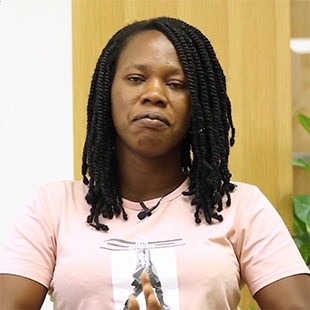
Samuel Uba Udechukwu, a 35-year-old male, resident of Nigeria underwent Craniotomy surgery in U.A.E after being diagnosed with a brain…

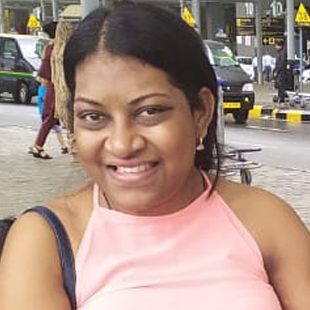
Mauritius patient suffering from Pituitary Gland Tumor underwent successful Craniotomy Surgery in India.
The minimum cost of Craniotomy in Bangkok is about $30000. Healthcare Accreditation Institute, JCI are just some of the accreditations which top hospitals in Bangkok hold where a Craniotomy is conducted.
Craniotomy cost in Bangkok varies from one hospital to the other. The top hospitals for Craniotomy in Bangkok covers all the expenses related to the pre-surgery investigations of the candidate. Typically, the package cost of Craniotomy in Bangkok includes the expenses related to the surgeon's fee, anesthesia, hospital, meals, nursing and ICU stay. There are many things that may increase the cost of Craniotomy in Bangkok, including prolonged hospital stay and complications after the procedure.
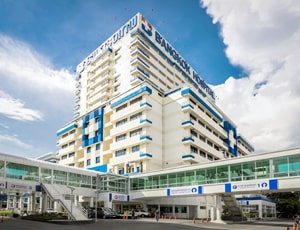
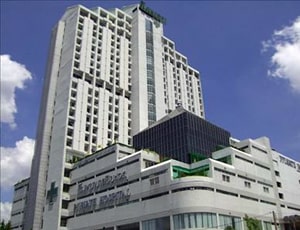
Many hospitals in Bangkok perform Craniotomy. Some of the best hospitals for Craniotomy in Bangkokinclude the following:
While the speed of recovery may vary from patient to patient, they are still required to stay for about 23 days after discharge. This time frame is important to ensure that the surgery was successful and the patient is fit to fly back.
Apart from the Craniotomy cost, the patient may have to pay for additional daily expenses such as for guest house after discharge and meals. These charges may vary from 25 USD per person.
The patient is supposed to stay at the hospital for about 5 Days after Craniotomy surgery for monitoring and care. This time frame is important for the patient to recover properly and feel comfortable after the surgery. With the help of several tests, it is determined that the patient is doing fine after the surgery and is okay to be discharged.
There are more than 5 Hospitals that offer Craniotomy in Bangkok. These hospitals are approved to perform the surgery and have proper infrastructure to handle Craniotomy patients. Apart from good services, the hospitals are known to follow all standard and legal guidelines as dictated by the local medical affairs body or organization.
Some of the most sought after doctors for Craniotomy in Bangkok are:
Have your reports reviewed by independent oncology experts to help you make a confident treatment decision, all online within 48 hours.
Upload Your Reports